KTM 250 EXC-F (MY2011) — Enduro
NastyNils / KTM Press

2011–2016 · Enduro · Buyer's Guide

250 EXC-F (MY2011)

Lightweight Artillery for Technical Terrain

The Machine's Character

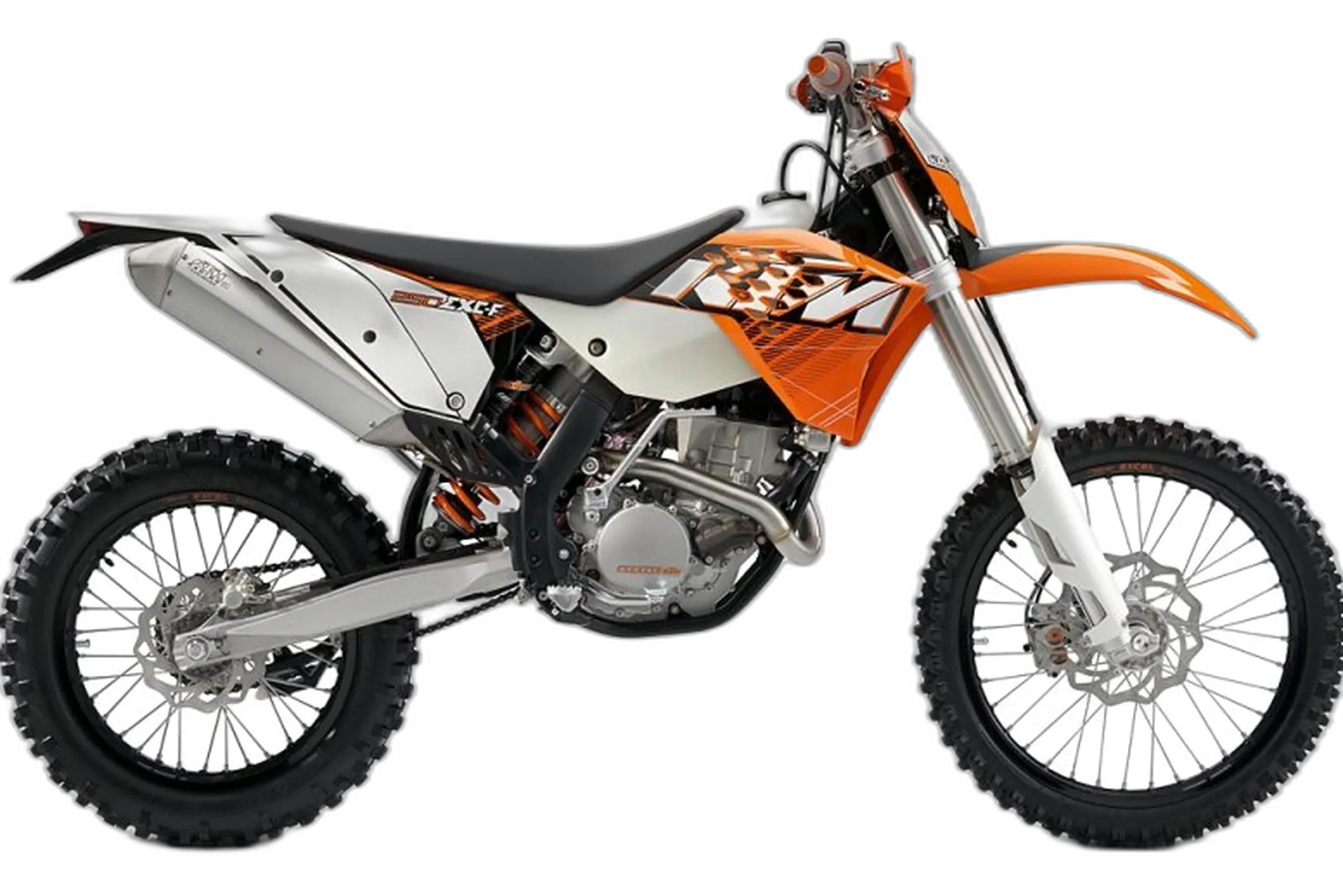
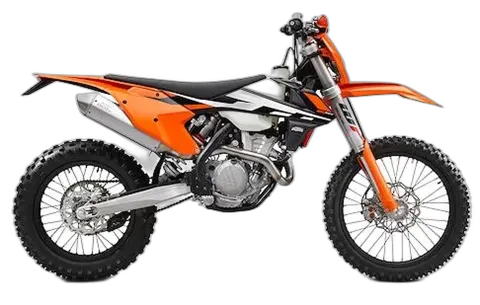
The 250 EXC-F is proper KTM enduro hardware without the big-bore intimidation. The 249 cc liquid-cooled single makes 31 hp and 18 lb-ft, and the engine work went entirely after low-end torque rather than a headline peak number. Around it sits real equipment: a chromoly steel frame that runs lighter than it looks, a cast aluminum swingarm, and the same WP rear end the larger models carry. This isn't a budget chassis with a smaller motor dropped in. It's the genuine article, sized so a capable rider can use it hard without wrestling displacement.

On the trail that low-end pull changes everything. Climbs that used to demand perfect gear and throttle management just happen, and the light chassis flows through rocks instead of fighting you. It ages well too, with build quality that matches the bigger bikes and an engine tougher than its tiny top-end components suggest. The honest caveat: there's no low-end buffer. Arrive in the wrong gear on a steep, loamy climb and the motor won't bail you out. Plan the section and it rewards you. Get lazy with it and you'll pay in lost traction.

Hard Numbers

Spec sheets don't ride bikes, but they set the baseline.

Show full specs & equipment Hide specs & equipment
Key specifications
Power 31 hp (23 kW)
Torque 18 lb-ft (24 Nm)
Displacement 249 cc
Engine Single-cylinder
Cooling Liquid-cooled
Gearbox 6-speed
Fork Upside-down (USD)
Front brake 260 mm
Front tire 90/90-21
Rear tire 140/80-18
Wheelbase 58.3 in (1480 mm)
Ground clearance 14.0 in (355 mm)
Front travel 11.8 in (300 mm)
Rear travel 13.0 in (330 mm)
Seat height 38.8 in (985 mm)
Fuel capacity 2.4 gal (9 L)

Equipment check

Chassis

  • Front Suspension Adjustable Standard
  • Rear Suspension Adjustable Standard

The Voice of Experience

Portrait of NastyNils

The test ride

Swing a leg over and the first thing your left hand notices is the clutch: the DDS pull is featherlight, with real feel for exactly where it hooks up. That matters when you're crawling through slow, gnarly stuff in a taller gear. The grips run a softer compound that's kind to your palms across a long day, and the handguards shrug off the branches when you're brushing through tight forest at speed. Underneath, the belly of the chassis slides clean over logs and rock instead of snagging, so a botched line becomes a small correction rather than a dead stop. Brake bite comes on progressive, never grabby. Most telling is what you have left between sections. The bike simply doesn't drain you, and you reach the next brutal climb with something in reserve.

Rated point by point — where it earns its keep

My own 0–100 score for this bike against the class, area by area — the marker on each bar is the class average.

What keeps surprising me is how much lighter this feels in the hands than the 350 EXC-F. Step off the bigger bike and this one flicks between lines faster, close enough to two-stroke agility that I catch myself making the comparison out loud. A lot of that comes from engineering most riders never see. The chromoly frame isn't just light for steel. Its slimmer cross-section lets the people who built it control exactly where the chassis flexes, and it frees up room to package everything around it more cleanly. The cast swingarm plays the same game, with wall thickness and profile varied along its length to dial in stiffness at one point and compliance at another. On a bike where chassis behavior is the whole event, that kind of precision is what you actually feel underneath you.

The Brembo master cylinder ships with a deliberately mild pad compound, and I rate the choice. Out of the box the front is easy to modulate on a loose, technical descent, with no nasty snatch when you just want to trim a little speed. What I like even more is the honesty of the setup. If you want a harder hit, the older, sharper compound bolts straight in with nothing else to change. The controllable option is the default, and the extra stopping power is there for the asking rather than dumped on you.

Capability with this bike is less about a spec sheet and more about a feeling I keep having. Every time I throw a leg over a KTM enduro in this range, the same reaction fires before I've turned a wheel: this is the one, this is the perfect enduro. It's happened year after year, across the whole lineup, and the 250 EXC-F is no exception. You don't manufacture a first impression that consistent. Something in how these bikes are conceived keeps landing the same gut-level verdict, even on a rider who's felt plenty of others under him.

What earns my trust here is maturity. It's the small stuff, the handful of refinements worked into the frame that you don't clock individually but that add up to a package feeling properly sorted rather than sized-down from something bigger. Ridden hard in rough terrain, nothing on it has the flimsy, built-to-a-budget feel you sometimes get on a smaller-displacement machine. It holds up because it was engineered to, not because you baby it.

Here's what that low-end grunt actually buys you, and it cuts two ways depending on who's twisting the throttle. For the rider making a hash of a climb it hands back some forgiveness, a little slack when the line goes wrong under you. For the rider driving hard out of a technical section it means drive off the bottom without having to nurse wheelspin on the exit. The same trait serves both. What I value most, though, is what it does to my effort over a full day. Match your inputs to the smooth, low-RPM style the best extreme-enduro riders use and the motor does more of the work for you. No engine I've ridden makes steep, sustained technical terrain cost me less to get through than this one.

Comfort on a bike like this isn't about plush anything. It's about how much the machine demands of you before you even reach the hard stuff, and this one demands less than its orange siblings without going soft. The bikes below it in the range are honestly beginner tools. This is the step up to full KTM enduro quality that a capable rider can still get his arms around, because the only thing that truly eases off is the motor. Everything else you sit on and hold is serious hardware. That lower demand is the comfort that counts out here. It lets a rider who isn't ready to take on a big-bore machine settle in and ride within himself, calm and unhurried, when the terrain starts asking questions.

Practicality on an enduro means the boring miles, the liaison stretches between the technical bits, and that's where a small-bore can quietly let you down. This one doesn't. On the connecting sections I never once had to feel sorry for it or wave the bigger-displacement bikes past; it kept pace and got on with the job. It's also the bike I point skill-building riders toward first. The pull up top is genuine enough that lining up in fast company carries no embarrassment, and it behaves like a real enduro tool rather than a stepping-stone you apologize for.

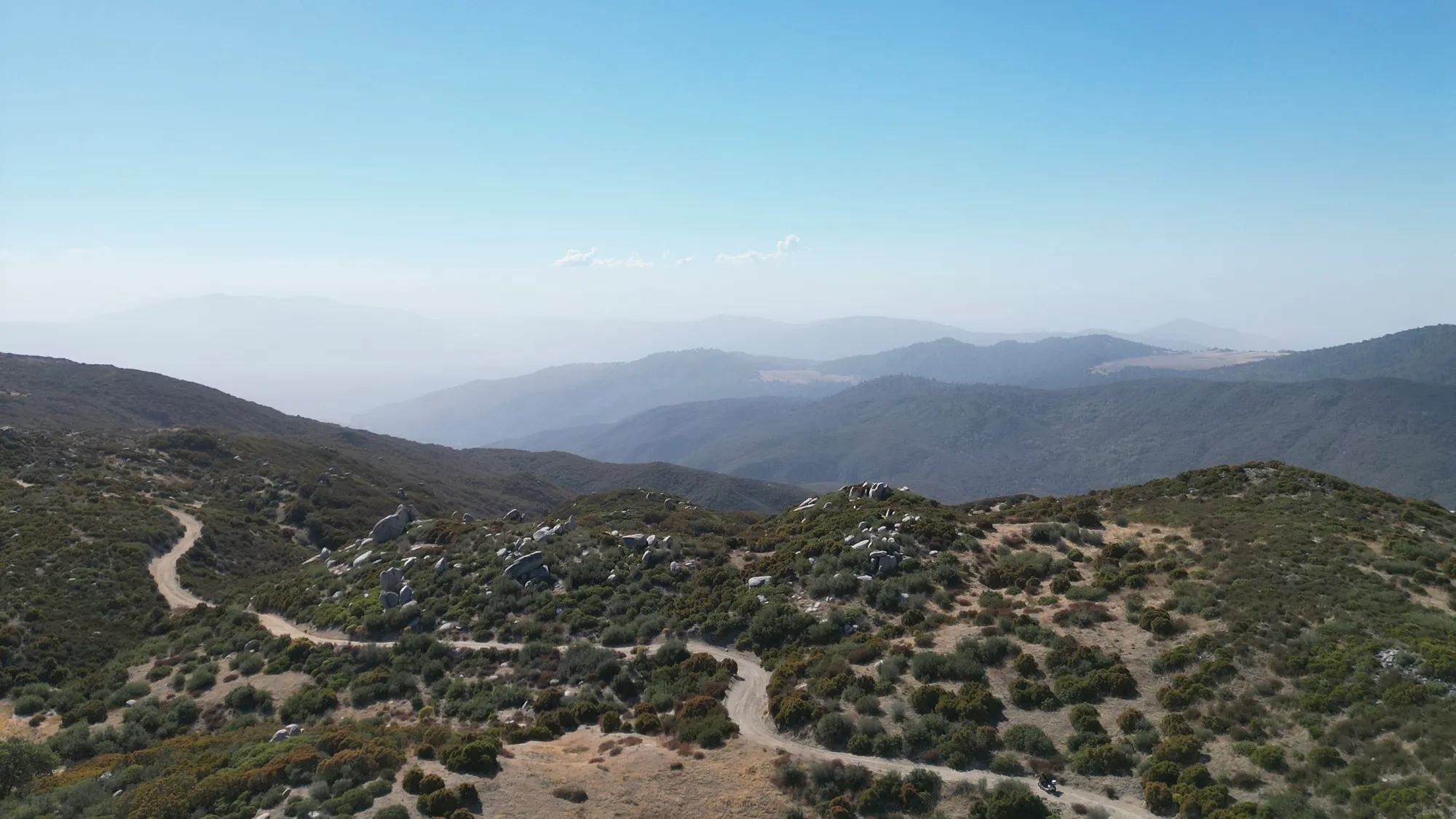
Aerial drone view of Palomar Divide Road winding through chaparral-covered mountain ridges in San Diego County. Multiple S-curve sections descend through sparse vegetation with distant valley views visible in the haze. Gravel and packed-earth surface.

The Truth on the Trail

Known issues

  • Faulty handlebar clamp (MY2011 recall)

    chassisrareRecall

    A manufacturing defect in the handlebar clamp can lead to cracking, risking loss of control. Affected units were recalled for replacement.

  • Oil / coolant leaks from engine seals

    engineoccasional

    Some owners report weeping from the water pump seal or crank seals, leading to oil contamination or coolant loss.

  • Carburetor jetting and float level problems

    fuel systemoccasional

    On 2011–2012 carbureted models, erratic idle, hesitation, and poor throttle response are commonly traced to incorrect jetting, clogged jets, or maladjusted float levels. Regular cleaning and re‑jetting are often required.

The Expert Benchmark

Where this KTM 250 EXC-F pulls ahead of — or falls behind — its rivals on the numbers, and the typical bike in its class on character.

What kind of bike this is — character vs. the class

This bike Class average

Head-to-head: KTM 250 EXC-F vs. its rivals

The 'Should I Buy It?' Score

Forget spec-sheet bragging. Here's who the 250 EXC-F is actually built for.

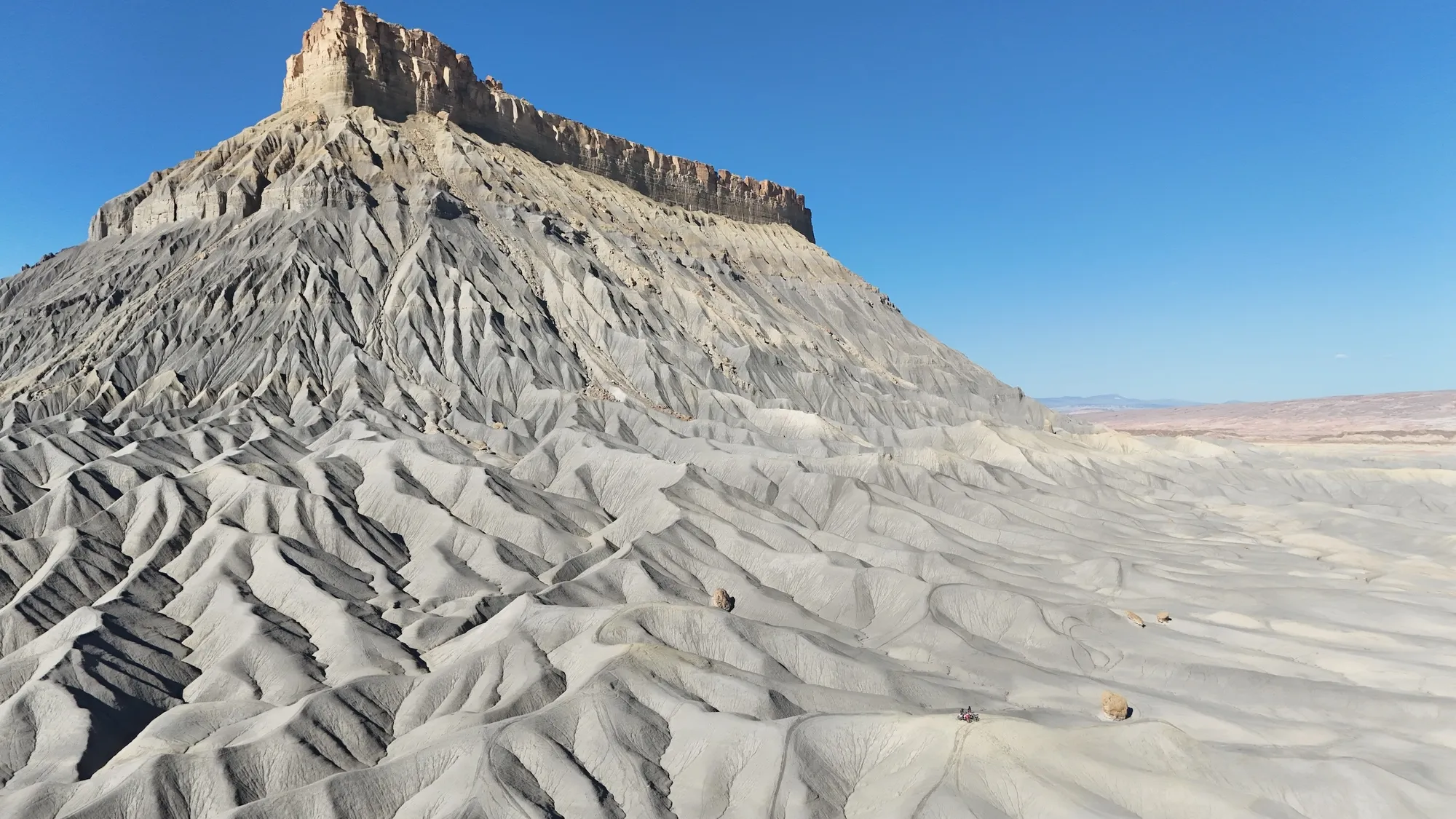
Factory Butte in Utah's high desert badlands, captured in daylight under clear blue sky. The formation's distinctive multi-colored strata and steep erosional gullies dominate the frame. Arid terrain with minimal vegetation stretches across the foreground and background. Typical American Southwest landscape.
NastyNils / Nastynils.com

Best motorcycle for Moab?

If your weekends are slickrock, sand, and lines you read on the fly, this is your tool. Light in your hands, torque low in the range, and it slides over rock without snagging.

Made for Bar M / Kane Creek · Imperial Sand Dunes · Johnson Valley OHV Area
Best motocross bike for Loretta Lynns?

Built for enduro traction and getting through, not for holeshots and moto peak power. It revs willingly and will sharpen your technique, but a dedicated track weapon it isn't.

Made for Carnegie State Vehicular Recreation Area · Fox Raceway at Pala · Glen Helen Raceway

Best motorcycle for BDR routes?

Wrong end of the scale for multi-day BDR logistics. The 2.4 gal (9 L) tank and hard-enduro focus mean range and load aren't its game, even if the terrain skills carry over.

Made for AZBDR — Arizona Backcountry Discovery Route · California BDR South · COBDR — Colorado Backcountry Discovery Route

Alternatives to the KTM 250 EXC-F

If this one isn't quite the fit, these are the bikes worth riding back-to-back against it.

Any price note compares both bikes at the same age — the youngest age both have on the used market — against this KTM 250 EXC-F. “cheaper/pricier” is what that bike costs second-hand, not how worn it is.