
KTM 350 EXC-F (MY2012) — Enduro
NastyNils / KTM press archive

2011–2014 · Enduro · Buyer's Guide

350 EXC-F (MY2012)

One Engine, Zero Compromises

The Machine's Character

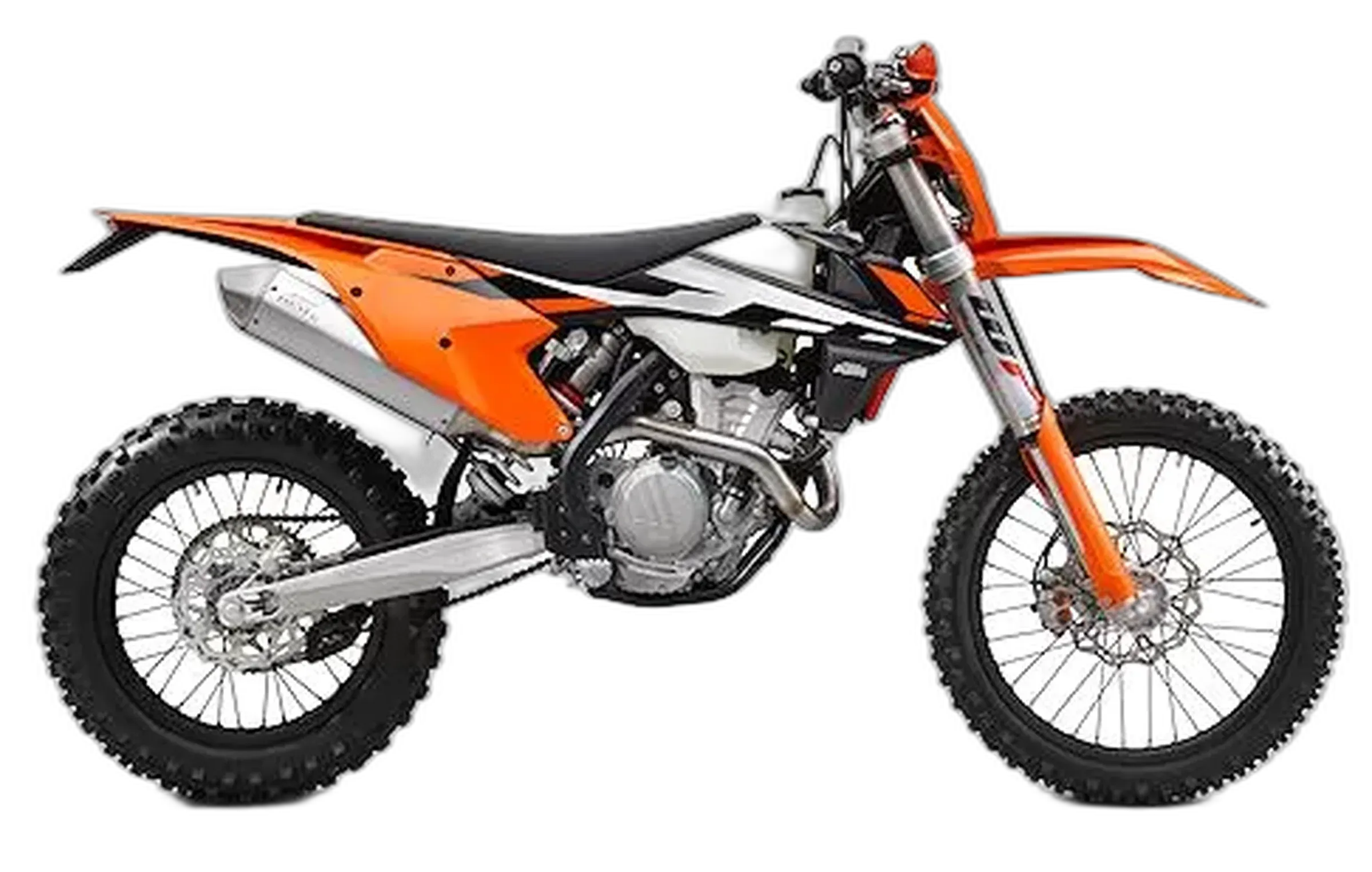
The 350 EXC-F was KTM's answer to a simple question: how much bike do you actually need in the dirt? Its 350 cc single makes 47 hp, and the engineering trick is a heavy crank and a modest 12.3:1 compression that spread the power into a wide, usable band instead of a violent hit. You get pulling power that covers for a big-bore on the climbs and a weight closer to a smaller machine everywhere else. Wrap that in a steel trellis frame and quality WP suspension, and you have a four-stroke enduro that genuinely reset what this class could do.

Ride it and the character shows up as composure. This bike has run a six-day rally without drama, and the chassis gives an immediate impression you could abuse it indefinitely. It's built for the rider who lives in technical terrain: steep climbs, rocky descents, long connecting miles, no single compromise forced on you. The honest caveats are real. At 38.2 in the seat is tall, you can still feel the extra mass against a two-stroke back to back, and the fuel injection adds complexity a carburetor would not in serious competition. Know that going in and the bike rewards you.

Hard Numbers

Spec sheets don't ride bikes, but they set the baseline.

Show full specs & equipment Hide specs & equipment
Key specifications
Power 47 hp (34 kW)
Torque 24 lb-ft (33 Nm) @ 7,000 rpm
Displacement 350 cc
Engine Single-cylinder
Bore × stroke 88 × 57.5 mm
Compression 12.3:1
Cooling Liquid-cooled
Fuel system Fuel injection
Gearbox 6-speed
Frame Steel trellis
Front tire 90/90-21
Rear tire 140/80-18
Ground clearance 13.6 in (345 mm)
Front travel 11.8 in (300 mm)
Rear travel 13.2 in (335 mm)
Seat height 38.2 in (970 mm)
Fuel capacity 2.5 gal (9.5 L)

Equipment check

Chassis

  • Front Suspension Adjustable Standard
  • Rear Suspension Adjustable Standard

The Voice of Experience

Portrait of NastyNils

The test ride

Settle onto it and the first thing you notice is how slim it feels between your knees, even with that tall seat putting you up in the air. The engine has a hard, mechanical bark when you get on the gas, but it never gets fussy or fizzy underneath you. On rocky downhill sections your hands stay relaxed, because you're letting the bike carry the speed instead of fighting the brakes to stay in line. The newer clutch is the standout for your left hand: pull effort drops enough that a long technical day stops chewing up your forearm. Between the hard sections it tucks in and ticks along quietly, smooth and undemanding, so you reach the next climb fresh instead of cooked. It feels finished in a way that earns your trust fast.

Rated point by point — where it earns its keep

My own 0–100 score for this bike against the class, area by area — the marker on each bar is the class average.

Point it downhill through rocks and the modest weight pays off: I'm not clamped on the brakes praying, I let the suspension sort the line for me. The build backs that up. The swingarm looks like you could thrash it forever, and the WP shock under a frame that's had a hundred small details fixed gives the bike a settled, complete feel beneath you. It isn't a featherweight, though. Run it against a two-stroke the same afternoon and the extra heft shows, less than you'd guess, but real.

My faith here rests on what it's already survived: a grueling six-day in Bulgaria, ridden start to finish with nothing breaking, the kind of week that turns a bike into a trusted partner. The DDS clutch earns its own mention. Lever pull drops off enough to notice, and the damping built into the hub eats shock load when you're tired and graceless, with a little extra rear grip as a bonus. The one shadow is the injection. Push it deep into competition and it carries more failure points than a carb, the lone spot where old simplicity still wins.

This is the part that ties the bike together. Give it a day of wildly mixed terrain and it never asks me to trade one thing away to get another. The engine size lands in a window broad enough to cover the demands at both ends of the trail, so I'm never wishing I'd brought a bigger or smaller machine for the next section. Climb, drop, or long haul, it takes whatever's in front of it without once feeling like it's working against me.

What sells me on this single is the spread of usable drive. On a steep, greasy climb I wind it open and it hauls me past mistakes I'd otherwise pay for, and the gap between enough and too much stays broad enough that it rarely bites back. The fueling is the other half. The map is honest and steady, no surprises when I crack the throttle where a stumble would drop me. Plenty of motors give you power; this one gives it in a form you can actually use, and that flatters whatever skill you bring.

Two practical things make it a friend on a long day. The fuel filter sits somewhere you can actually reach now, so swapping it mid-ride in grimy conditions is a quick job instead of a wrestling match, and on a bike that lives in muck that counts for plenty. Then there are the transport stages between the hard bits, where it simply settles into a quiet, easy rhythm and asks nothing of you. You roll the boring miles without arriving at the next obstacle already drained.

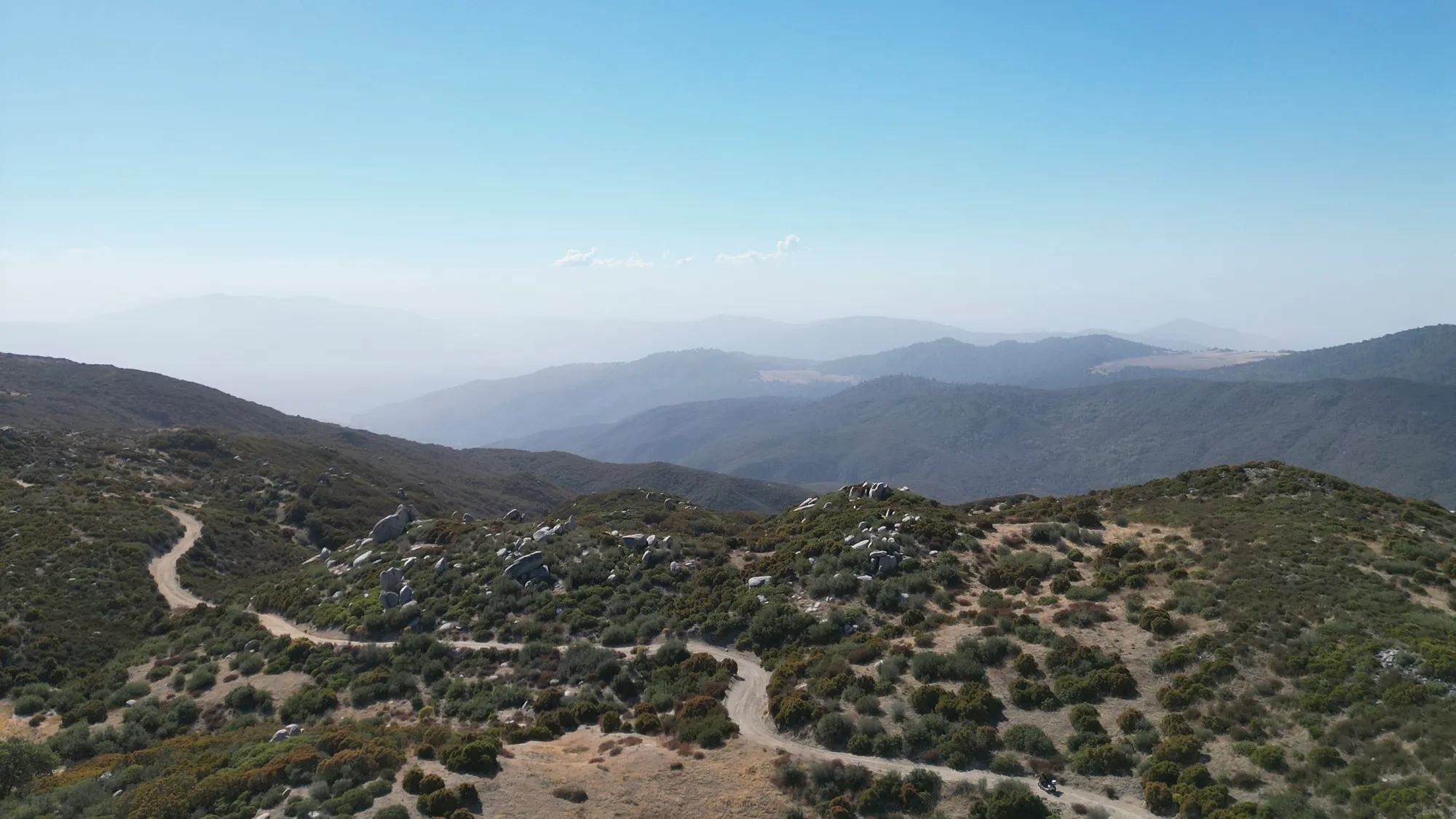
Aerial drone view of Palomar Divide Road winding through chaparral-covered mountain ridges in San Diego County. Multiple S-curve sections descend through sparse vegetation with distant valley views visible in the haze. Gravel and packed-earth surface. Clear day, no motorcycles or riders visible.

The Truth on the Trail

Known issues

  • Fuel line filter contamination causing stalling

    fuel systemoccasionalRecall

    Debris can clog the inline fuel filter, leading to fuel starvation, engine stalling, and potentially dangerous situations. KTM issued a recall (TB 1305) to replace the preformed fuel hose, and many owners clean or upgrade the filter preventatively.

The Expert Benchmark

Where this KTM 350 EXC-F pulls ahead of — or falls behind — its rivals on the numbers, and the typical bike in its class on character.

What kind of bike this is — character vs. the class

This bike Class average

Head-to-head: KTM 350 EXC-F vs. its rivals

The 'Should I Buy It?' Score

Forget spec-sheet bragging. Here's who the 350 EXC-F is actually built for.

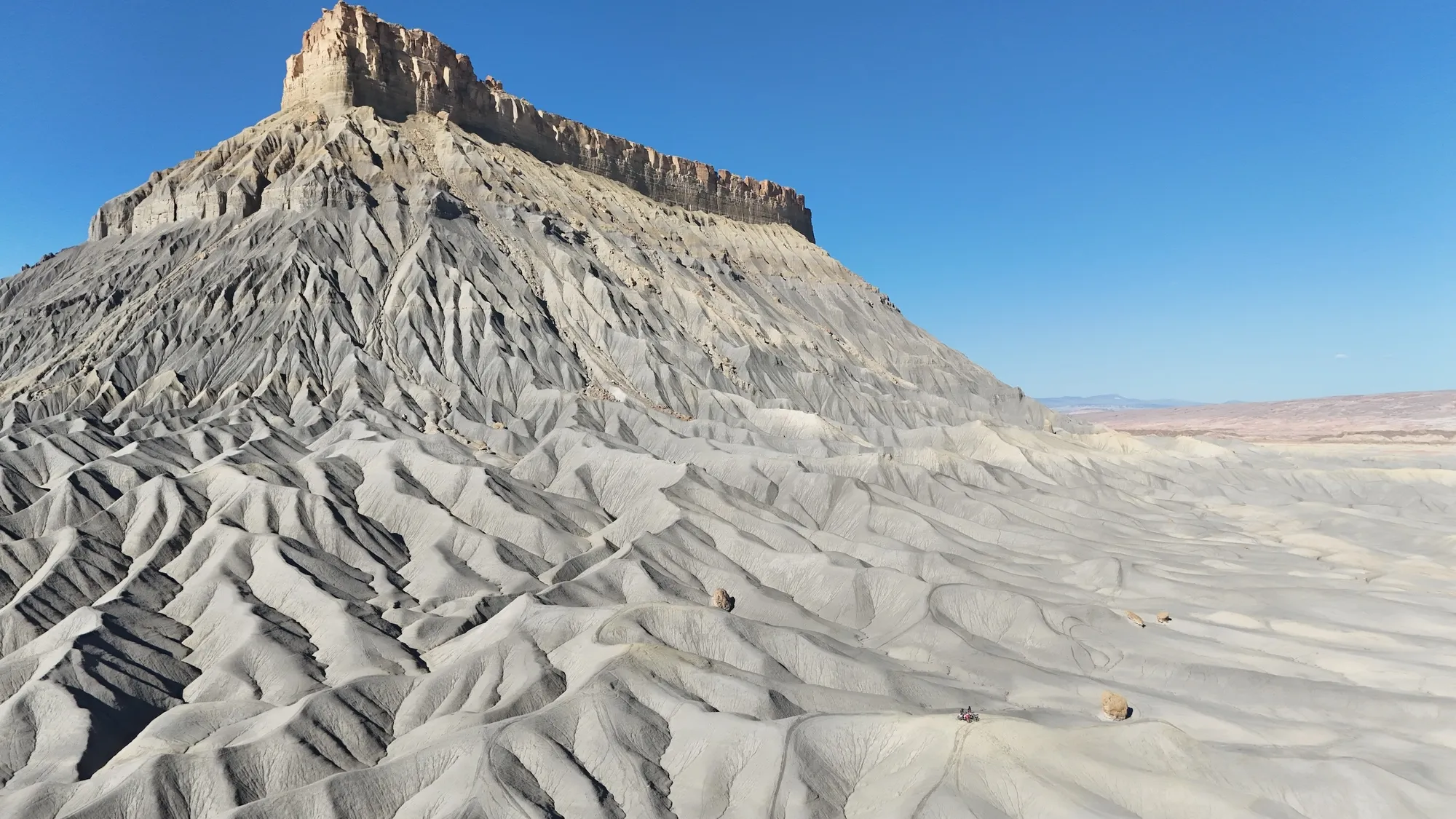
Factory Butte in Utah's high desert badlands, captured in daylight under clear blue sky. The formation's distinctive multi-colored strata and steep erosional gullies dominate the frame. Arid terrain with minimal vegetation stretches across the foreground and background. No motorcycle or person visible. Typical American Southwest landscape.
NastyNils / Nastynils.com

Best motorcycle for Moab?

If you live for slickrock, sand, and the hardest lines at Moab, this is your tool. It climbs, descends, and covers the miles between without ever forcing a tradeoff on you.

Made for Bar M / Kane Creek · Imperial Sand Dunes · Johnson Valley OHV Area
Best motocross bike for Loretta Lynns?

Be honest with yourself here. This is tuned for control and survival, not the explosive hit of a track weapon; you'll love it in the rough but want something sharper on a groomed track.

Made for Carnegie State Vehicular Recreation Area · Fox Raceway at Pala · Glen Helen Raceway

Best motorcycle for BDR routes?

It's capable in the dirt, but the 2.5-gallon tank and hard-edged enduro setup make long BDR logistics a stretch. Think of it as a day-trip technical tool, not a loaded multi-day planner.

Made for AZBDR — Arizona Backcountry Discovery Route · California BDR South · COBDR — Colorado Backcountry Discovery Route

Alternatives to the KTM 350 EXC-F

If this one isn't quite the fit, these are the bikes worth riding back-to-back against it.

Any price note compares both bikes at the same age — the youngest age both have on the used market — against this KTM 350 EXC-F. “cheaper/pricier” is what that bike costs second-hand, not how worn it is.