
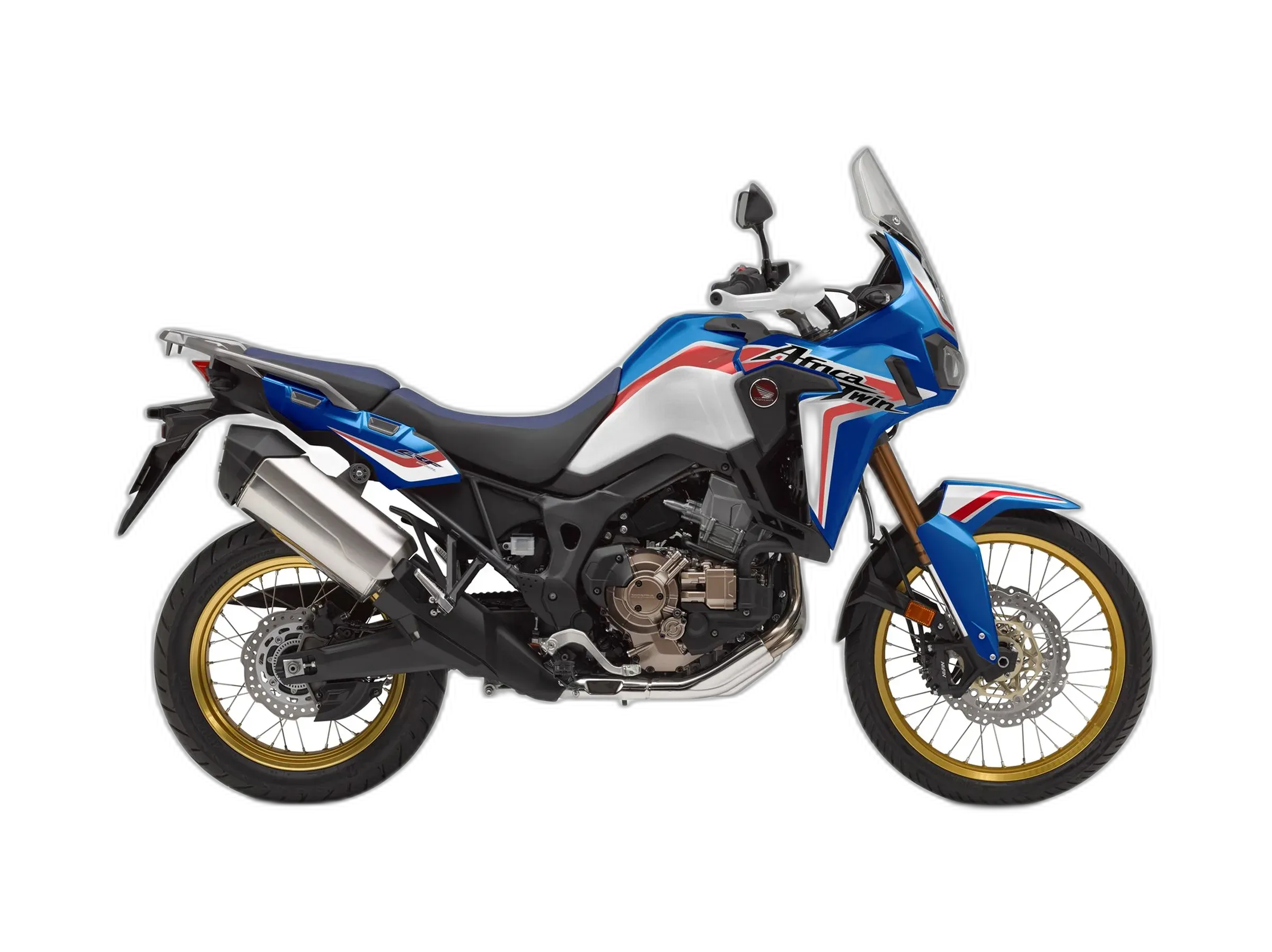
2018–2019 · Adventure · Buyer's Guide
CRF1000L Africa Twin (SD 06)
Reliable Enough to Trust Anywhere
The Machine's Character
The 998 cc parallel twin runs a 270-degree crank, so it thumps instead of hums, and it puts its 95 hp and 72 lb-ft where a loaded adventure bike actually uses them. Around that engine sits a steel cradle frame, a 21-inch front wheel, 9.1 in (230 mm) of front travel and 9.8 in (250 mm) of ground clearance. ABS, traction control and ride modes come standard, along with adjustable suspension at both ends, a slipper clutch and heated grips. Honda offers the automatic DCT gearbox as an option, and choosing it changes the bike's whole personality.
It carries its 511 lb (232 kg) wet weight better than the number reads, and it sits steady at highway speed with bags strapped on. It also ages quietly, which is the real argument for it: reliability is the strongest thing on this bike's scorecard, and the parts and accessory network behind it runs deep enough to build the machine you actually want. It fits riders who plan long routes and expect dirt somewhere in the middle. The honest caveats: the 34.3 in (870 mm) seat asks for legs, there is no cruise control, and 95 hp is enough rather than abundant.
Hard Numbers
Spec sheets don't ride bikes, but they set the baseline.
Show full specs & equipment Hide specs & equipment
| Power | 95 hp (70 kW) @ 7,500 rpm |
|---|---|
| Torque | 72 lb-ft (98 Nm) @ 6,000 rpm |
| Displacement | 998 cc |
| Engine | Parallel twin |
| Cooling | Liquid-cooled |
| Gearbox | 6-speed |
| Final drive | Chain |
| Front tire | 90/90-21 |
| Rear tire | 150/70-18 |
| Ground clearance | 9.8 in (250 mm) |
| Front travel | 9.1 in (230 mm) |
| Rear travel | 8.7 in (220 mm) |
| Seat height | 34.3 in (870 mm) |
| Wet weight | 511 lb (232 kg) |
| Fuel capacity | 5.0 gal (18.8 L) |
| Fuel economy | 51 mpg (US) |
Equipment check
Chassis
- Front Suspension Adjustable Standard
- Rear Suspension Adjustable Standard
Comfort
- Heated Grips Standard
- Luggage System Optional
Drivetrain
- Quickshifter Optional
- Slipper Clutch Standard
- Automatic Shift (DCT / ASA / AMT) Optional
Safety
- ABS Standard
- Traction Control Standard
- Ride Modes Standard
Known issues
-
Front wheel lockup from mud accumulation
In thick mud, the gap between the front tire and fender can pack solid, locking the wheel; a dangerous issue for off‑road riders.
-
Cold‑start stalling and rough idle
Engine occasionally stumbles or dies when first started, especially in cool weather; often traced to idle air control valve or fuel mapping.
-
Switchgear electrical bugs
Sticking starter button and moisture ingress can cause headlight or DCT malfunctions; often cured by cleaning switch housing.
-
DCT hesitation in automatic modes
Early DCT can be reluctant to downshift or holds a high gear, particularly without IMU integration; manual override helps.
-
Premature corrosion and finish flaws
Fasteners and wheel paint prone to rust and pitting even with normal use; some owners report bubbling paint on engine cases.
The Numbers Compared
Compare the technical specifications of the Honda CRF1000L Africa Twin with other bikes in its class.
Head-to-head: Honda CRF1000L Africa Twin vs. its rivals
Power
Torque
Displacement
Wet weight
Seat height
What's new versus the previous generation
If you're cross-shopping the older generation, here's what changed.
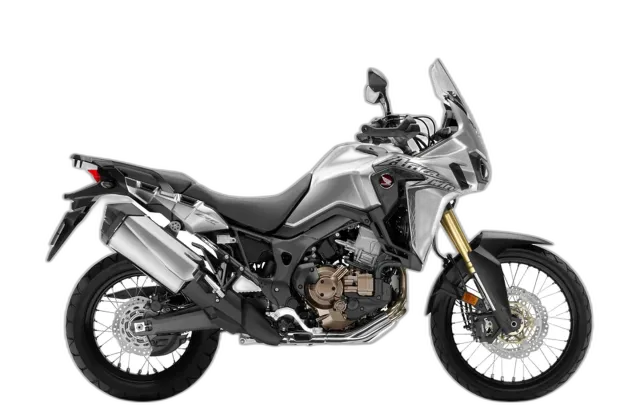
Previous generation · 2015–2017
Honda CRF1000L Africa Twin (SD 04)
Honda's Dirt-Honest Comeback
Compare to the previous model →Variants, Models & Special Editions
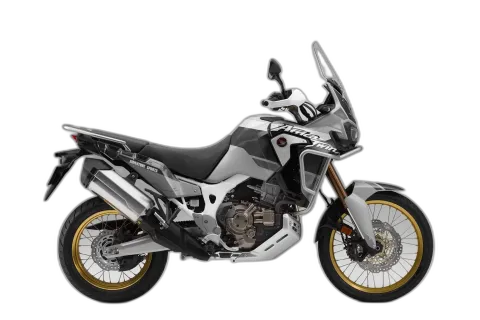
The Honda CRF1000L Africa Twin also comes in these variants, models and special editions. Each has its own page covering only what differs from the standard CRF1000L Africa Twin — equipment, electronics, specs and used price.
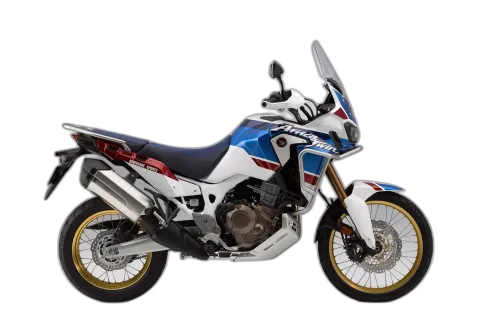
Alternatives to the Honda CRF1000L Africa Twin
If this one isn't quite the fit, these are the bikes worth riding back-to-back against it.
Any price note compares both bikes at the same age — the youngest age both have on the used market — against this Honda CRF1000L Africa Twin. “cheaper/pricier” is what that bike costs second-hand, not how worn it is.
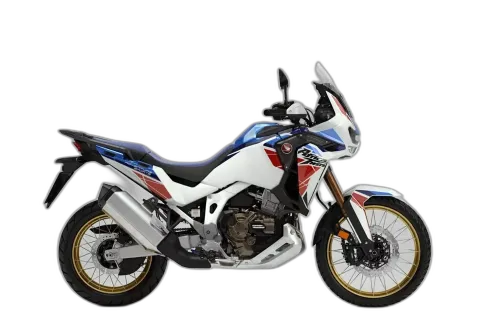
Successor · 2020–2023
Honda CRF1100L Africa Twin (SD 08-AdventureSportsDCT)
Heavy Tech That Actually Works
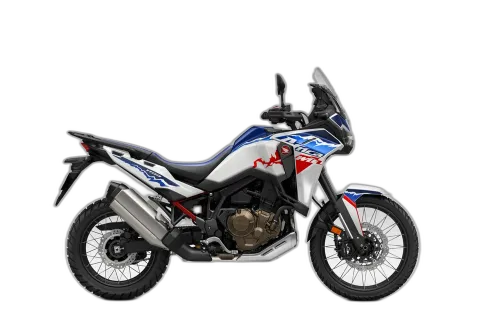
Successor · 2020–2023
Honda CRF1100L Africa Twin (SD 08)
Dependable Miles, Done Right
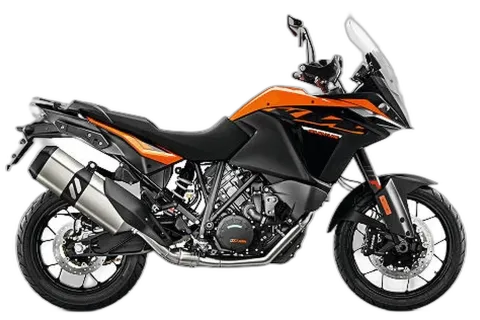
Competitor · 2017–2019
KTM 1090 Adventure (MY2017)
Orange Attack, Middleweight Reach
About the same used price as this bike at 7 yr
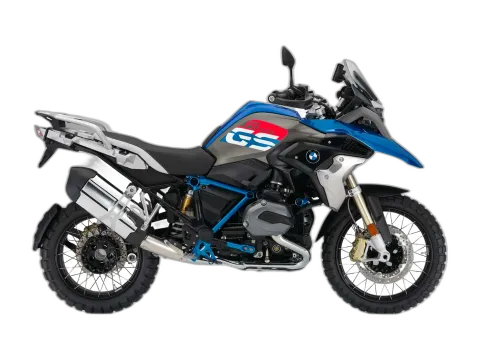
Competitor · 2013–2018
BMW R 1200 GS (K50)
The Boxer That Rewired Everything
Roughly $3,700 pricier used than this bike at 8 yr
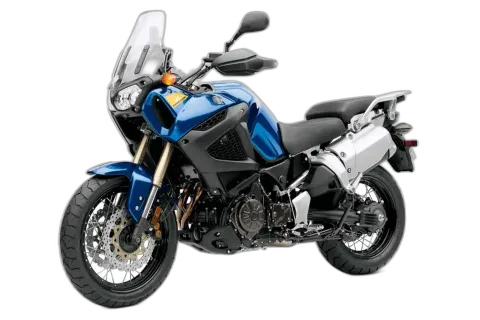
Competitor · 2010–2021
Yamaha XT1200Z Super Tenere (MY2010)
The Long-Haul Survivor