·

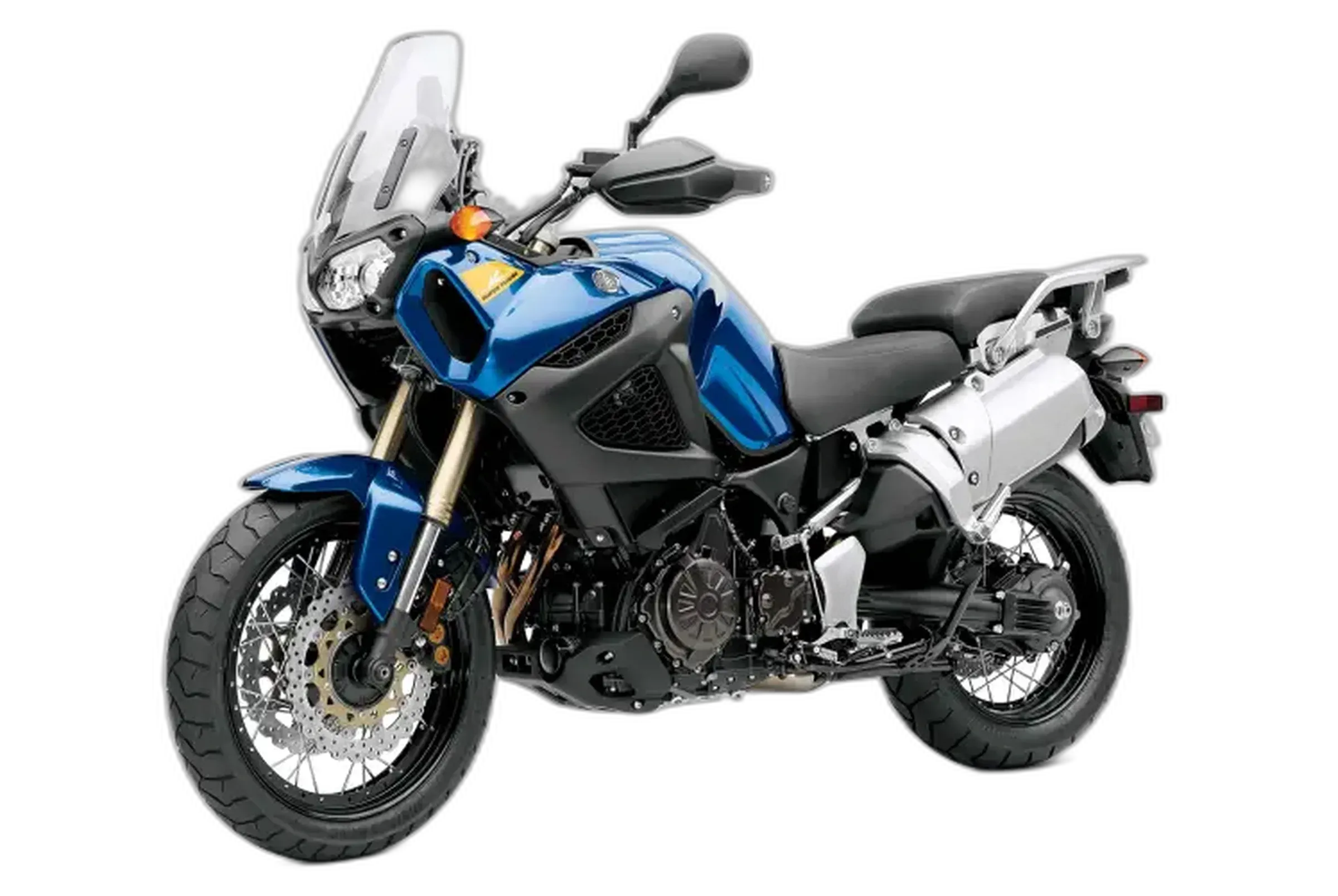
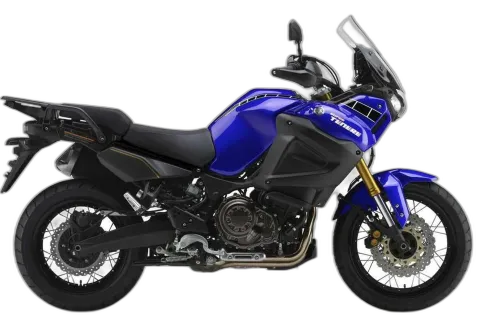
Yamaha XT1200Z Super Tenere (MY2010) — Adventure
Yamaha Press

2010–2021 · Adventure · Buyer's Guide

XT1200Z Super Tenere (MY2010)

4.5 / 5 NastyNils Rating · against its class

The Bulletproof Shaft-Drive Mile-Eater

The Machine's Character

The XT1200Z Super Tenere is Yamaha's big-bore adventure tourer, built from 2010 to 2021, and the whole bike is built around one idea: go far and don't break. At its core is a 1199 cc liquid-cooled parallel twin with a 270-degree crossplane crank, rated at 112 hp at 7,250 rpm and 84 lb-ft at 6,000 rpm. A six-speed gearbox feeds a shaft drive, so there's no chain to look after on a long trip. Ride-by-wire, traction control, ride modes and linked ABS are all standard. Reliability is this generation's defining strength. Built to last!

On paper, this hardware is built for distance. It has a 6.1 gal (23 L) tank, shaft drive, a height-adjustable seat at 33.3 in (845 mm), an adjustable screen and adjustable suspension at both ends. All of that points to a rider who measures trips in states, not hours. It weighs 575 lb (261 kg) wet and has 7.5 in (190 mm) of travel at each end on a 19-inch front wheel. That makes it a machine for highways and gravel, not a hard-trail tool. Heated grips and luggage are on the options list. You buy this one to cover ground. Lots of it.

Hard Numbers

Spec sheets don't ride bikes, but they set the baseline.

Show full specs & equipment Hide specs & equipment
Key specifications
Power 112 hp (82 kW) @ 7,250 rpm
Torque 84 lb-ft (114 Nm) @ 6,000 rpm
Displacement 1199 cc
Engine Parallel twin
Cooling Liquid-cooled
Gearbox 6-speed
Final drive ShaftMotorcycles With Shaft Drive →
Fork Upside-down (USD)
Front brake 310 mm
Front tire 110/80-19
Rear tire 150/70-17
Wheelbase 60.6 in (1540 mm)
Ground clearance 8.1 in (205 mm)
Front travel 7.5 in (190 mm)
Rear travel 7.5 in (190 mm)
Seat height 33.3 in (845 mm)
Wet weight 575 lb (261 kg)
Fuel capacity 6.1 gal (23 L)

Equipment check

Chassis

  • Manually Adjustable Front Suspension Standard
  • Manually Adjustable Rear Suspension Standard

Comfort

Safety

  • ABS Standard
  • Traction Control Standard
  • Ride Modes Standard
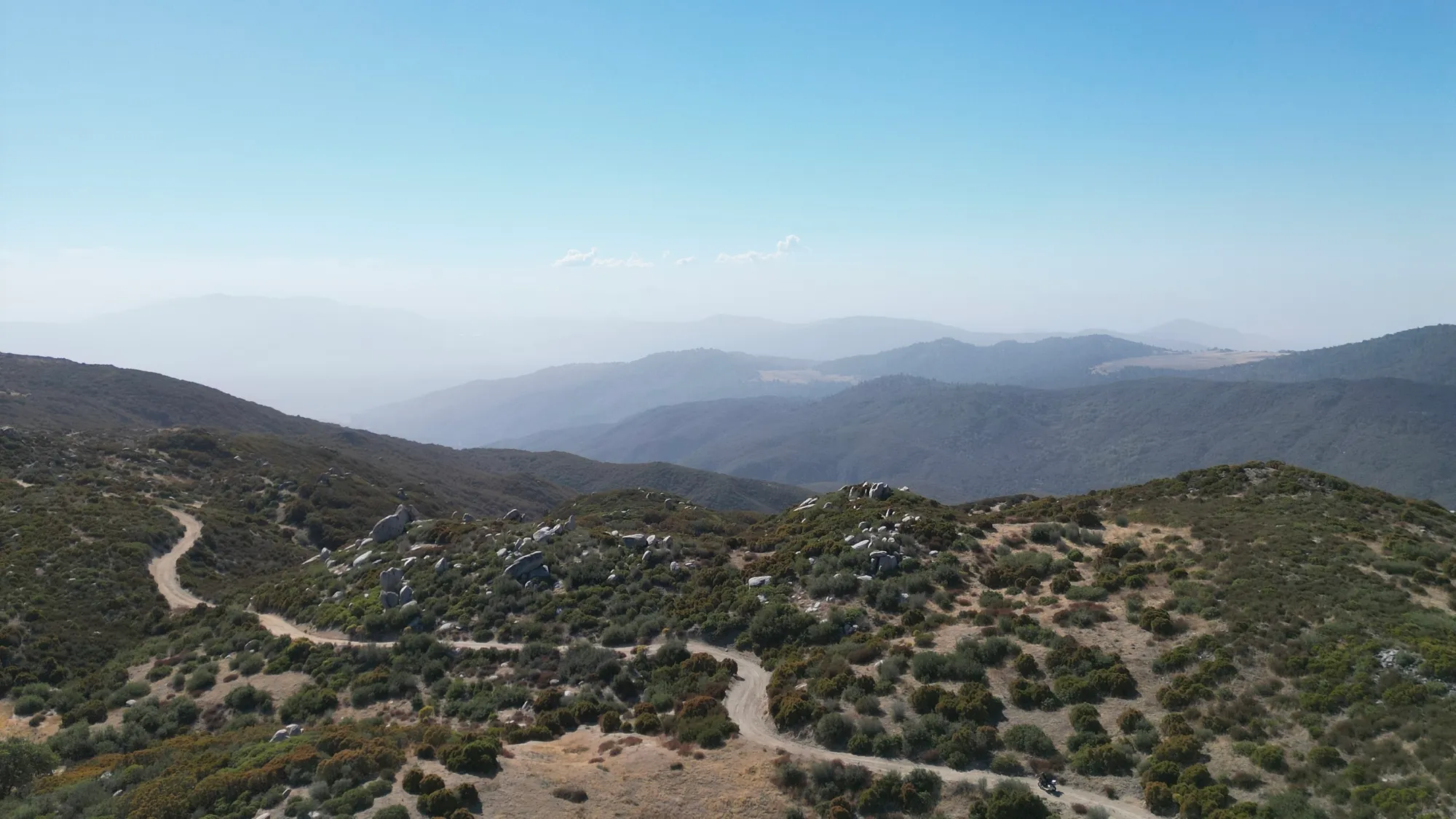
Aerial drone view of Palomar Divide Road winding through chaparral-covered mountain ridges in San Diego County. Multiple S-curve sections descend through sparse vegetation with distant valley views visible in the haze. Gravel and packed-earth surface.

The Truth on the Street

None of what follows came from a press kit. It's what has piled up over years of chance conversations in parking lots, talk over coffee at campgrounds, club evenings in winter, and the steady mail owners send me about the bike sitting in their garage. On the Super Tenere the chatter is unusually consistent, and it circles back to the same few things every time.

Brakes, Aids And A Clean Shift

Owners talk a lot about the hardware sitting between them and the road. The front brakes come up again and again for strong, progressive stopping power, and the shaft drive for how smoothly it puts the power down with nothing to clean or adjust. The electronics get described in the same even tone: linked ABS and three-stage traction control that work in the background rather than announcing themselves, which riders say they lean on in the wet and on loose surfaces. Some mention that the off-road setting lets the rear step out in a controlled way when they want it to. Gearbox comments are less frequent but never mixed. Clean shifts, no false neutrals, nothing missed.

Where Owners Push Back

The loudest gripe has little to do with the way it rides at pace, where riders describe it as more agile than the size suggests. It's what happens when the speed drops. Turning it around in a parking lot or pushing it by hand is a job people plan for, and in the dirt the same high weight bias makes it easy to lay the bike over. Riders who take it into technical terrain add that the clutch heats up quickly during slow work. The engine splits opinion. Smooth and torquey is the common ground, but plenty of owners call it flat or agricultural low in the revs and thrashy when they wring it out. Longtime owners also bring up what it cost at launch, priced above rivals and a hard sell at the time.

Known issues

  • Soft front suspension flex off-road

    suspension rare

    When pushed hard off-road, the forks can flex and bottom out with a noticeable clunk, reducing confidence on rough terrain. Re-springing and re-valving offer only marginal improvement.

  • Poor stock wind protection

    bodywork common

    The low stock screen directs turbulent air at the rider's helmet, leading to excessive noise, buffeting, and fatigue. The issue is widely reported and often requires aftermarket solutions.

The Expert Benchmark

Where this Yamaha XT1200Z Super Tenere pulls ahead of — or falls behind — its rivals on the numbers, and the typical bike in its class on character.

What kind of bike this is — character vs. the class

This bike Class average

The shape of the Yamaha XT1200Z Super Tenere — numbers and character vs. the average Adventure

Head-to-head: Yamaha XT1200Z Super Tenere vs. its rivals

The Long-Haul Verdict

Forget spec-sheet bragging. Here's who the XT1200Z Super Tenere is actually built for.

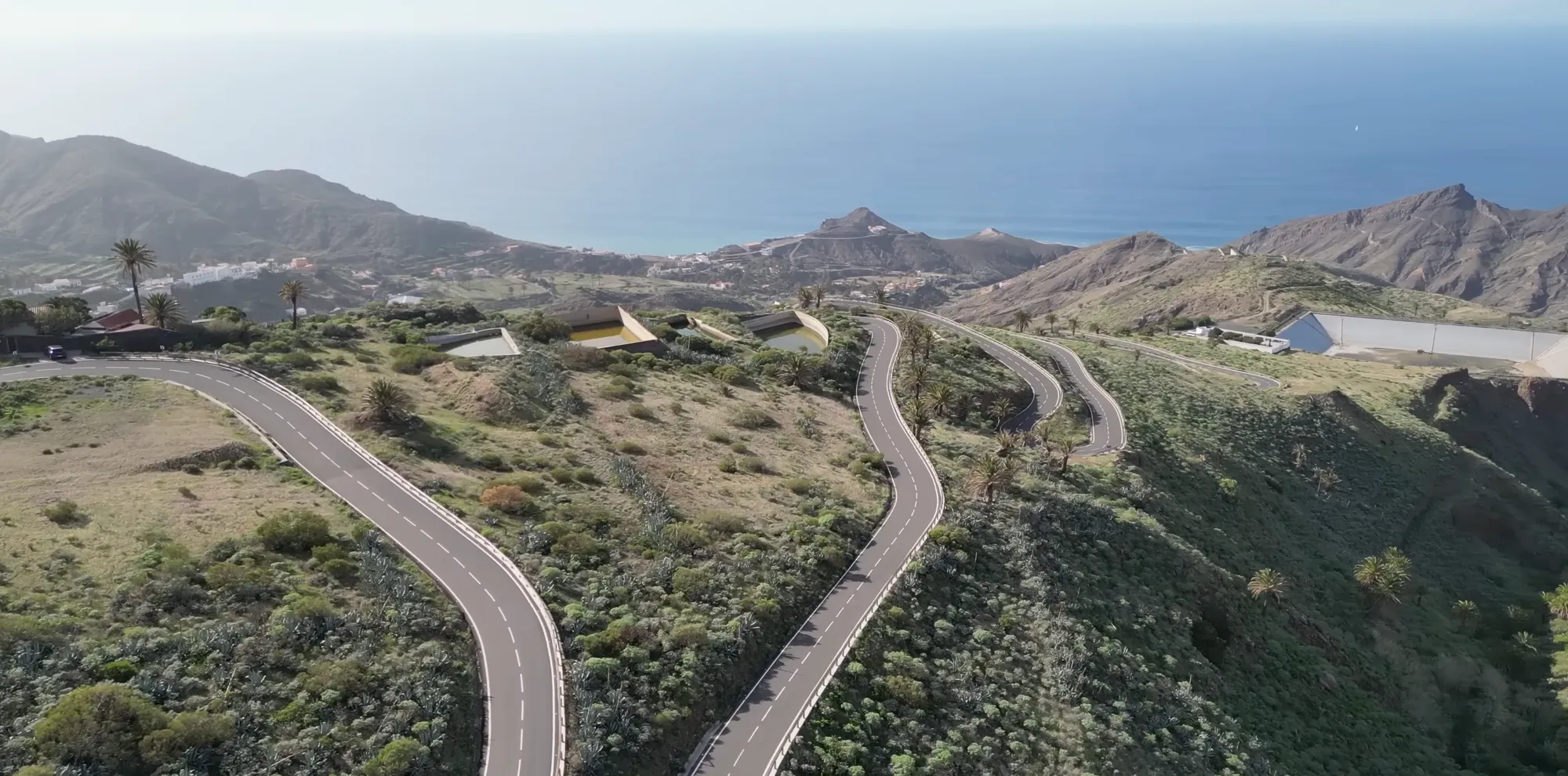
Aerial view of a winding asphalt road cutting through volcanic terrain on La Gomera, Canary Islands. The road curves through sparse green vegetation with rocky volcanic peaks visible in the background and a settled valley to the left. Clear lane markings, dry climate, partly cloudy sky.

Best motorcycle for Highway 1?

The adjustable seat, screen and suspension, shaft drive and 112 hp twin suit 200 to 400 mi days of curves and scenery. Plan on a taller aftermarket screen: the stock one is known for buffeting.

Made for Black Hills · Blue Ridge Parkway · Cherohala Skyway
Best touring motorcycle for long distance?

Long days, changing weather and big routes are what this bike is built around: shaft drive, a 6.1 gal tank and standout reliability. Luggage is an option, so add it to your budget.

Made for Beartooth Highway · Blue Ridge Parkway · Going-to-the-Sun Road

Best motorcycle for BDR routes?

The 6.1 gal tank and reliability suit multi-day BDR logistics. At 575 lb, with a fork known to flex and bottom out on rough ground, it fits the gentler sections better than the gnarly ones.

Made for Arizona Backcountry Discovery Route · Southern California Backcountry Discovery Route · Colorado Backcountry Discovery Route

Find it in these lists

Compare it with every bike that shares the same spec or equipment.