KTM 1190 Adventure (MY2013) — Adventure
NastyNils / KTM Press

2013–2016 · Adventure · Buyer's Guide

1190 Adventure (MY2013)

Brakes That Corner Hard

The Machine's Character

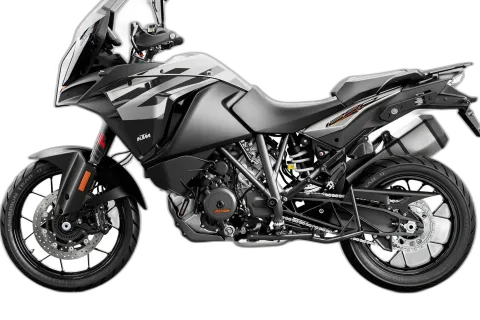
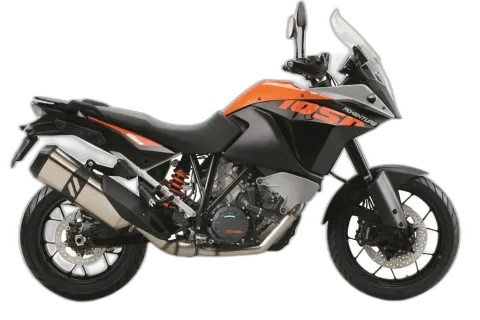
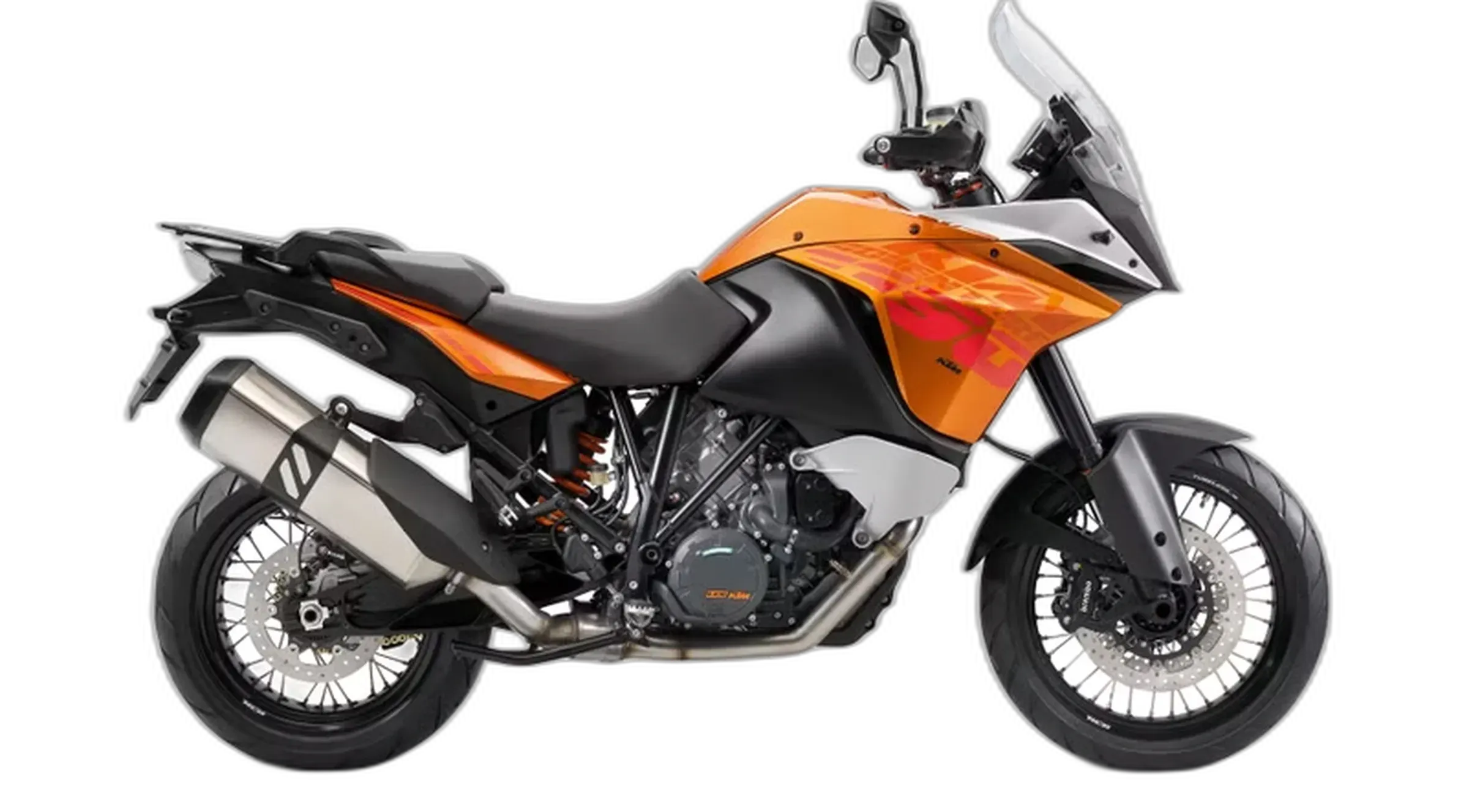
The 1190 Adventure runs KTM's LC8 V-twin, a 75-degree liquid-cooled 1195cc engine making 150 hp and 92 lb-ft, with the low-end pull to haul a loaded bike out of a slow corner and the top-end to reach 140 mph. What defines this generation is the electronics package. ABS, traction control through KTM's MTC system, and ride modes come standard, and at 507 lb on a 19-inch front, it sits at the sharp, road-strong end of the big adventure class. This is a KTM built to attack a road, not to soothe one.

Ridden hard, it rewards commitment. The chassis stays composed at pace, the brakes are strong, and the fully adjustable suspension lets you dial it in to your weight and load. It ages like a KTM, which means you stay on top of it. The water pump seals can wear near 55,000 miles and let oil and coolant mix, early pre-2015 bikes can pull water and dust into the airbox, and the hot starter can crank slowly. Keep it maintained and it is a genuine long-haul partner. It suits the rider who wants a sporting edge on their touring, not a soft all-rounder.

Hard Numbers

Spec sheets don't ride bikes, but they set the baseline.

Show full specs & equipment Hide specs & equipment
Key specifications
Power 150 hp (110 kW) @ 9,500 rpm
Torque 92 lb-ft (125 Nm) @ 7,500 rpm
Displacement 1195 cc
Engine 75° V-twin
Cooling Liquid-cooled
Gearbox 6-speed
Final drive Chain
Fork Upside-down (USD)
Front brake 320 mm
Front tire 120/70ZR19
Rear tire 170/60ZR17
Ground clearance 8.7 in (220 mm)
Front travel 7.5 in (190 mm)
Rear travel 7.5 in (190 mm)
Seat height 33.9 in (860 mm)
Wet weight 507 lb (230 kg)
Fuel capacity 6.1 gal (23 L)
Top speed 140 mph (225 km/h)
Fuel economy 37 mpg (US)

Equipment check

Chassis

  • Front Suspension Adjustable Standard
  • Rear Suspension Adjustable Standard

Safety

  • ABS Standard
  • Cornering ABS Standard
  • Traction Control KTM Motorcycle Traction Control (MTC) Lean sensitive tractionSelectable ride modes Standard
  • Ride Modes Standard

The Voice of Experience

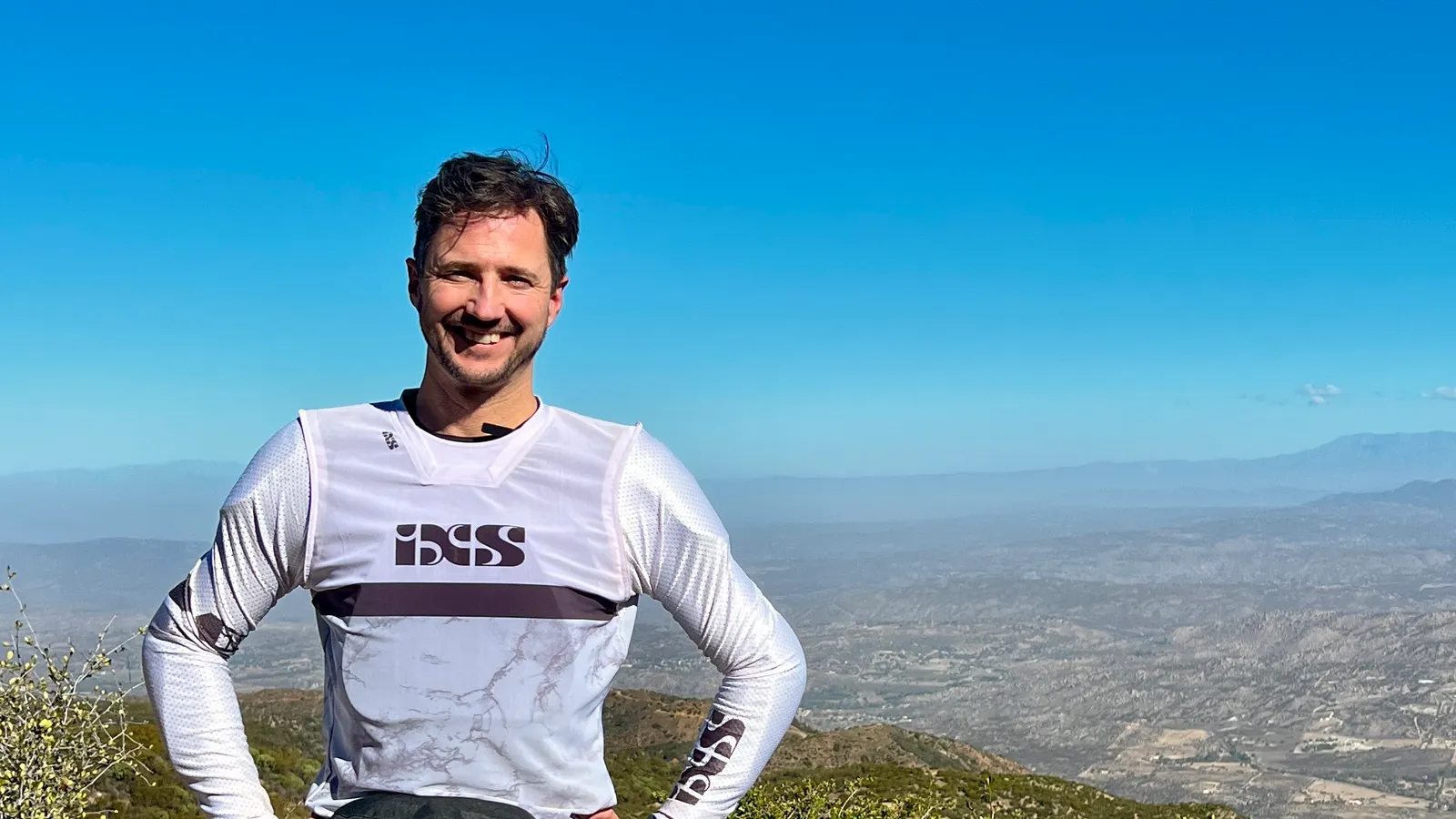
Portrait of NastyNils

The test ride

Swing a leg over and the 33.9-inch seat puts you high and commanding, in a roomy upright cockpit that keeps your body relaxed on a long day. Thumb the starter and the LC8 settles into that hard-edged V-twin beat you feel through the pegs and bars, more character than buzz. Roll onto a fast public road and ride it the way this bike wants: late on the brakes, committed to the lean, hard on the exits. The throttle answers cleanly right off idle, the lighting throws a wide honest beam after dark, and the whole machine feels tight around you, close to the action. Push as hard as you like and the electronics never announce themselves. You simply ride, and the bike stays quiet in the background.

Rated point by point — where it earns its keep

My own 0–100 score for this bike against the class, area by area — the marker on each bar is the class average.

What I keep coming back to is the circular test track, where I kept lifting my corner speed lap after lap. The harder I leaned on the front brake mid-bend, the more the bike just did as it was told, holding its arc instead of drifting off toward the outside of the turn. Older anti-lock setups I've ridden could never give me that at full lean, so the jump in what's actually possible felt genuinely large. It also does its work quietly, with almost nothing coming back through my hand to say it's involved. I'll be straight about the limits, though. The system only slows me as hard as I'm asking it to, so misjudge my speed into a corner and I'm still the one who pays for it. And its help stops at the rear axle. Ask more of the front tire than it has left to give, and there's nothing there to save the slide.

Everything the brakes taught me on the track carried straight onto a fast public road, which is where it really matters. I rode that section with real intent, leaning hard through the bends and driving hard off the exits, and the stability electronics never once nagged at me or softened what I was doing. That's my measure of a good system. When there's nothing for it to catch, it leaves me completely alone and lets me ride.

This is where the whole package stops being a track novelty and starts being something that keeps you upright on an ordinary ride. Out on the road, a car swung left straight across our lead rider's path while he was mid-corner and deep over. He grabbed a big handful of brake, the bike scrubbed off speed while still leaned, he steered around the car, and he simply rode on. On almost anything else, that's a crash, plain and simple. That is the kind of everyday usefulness I actually care about.

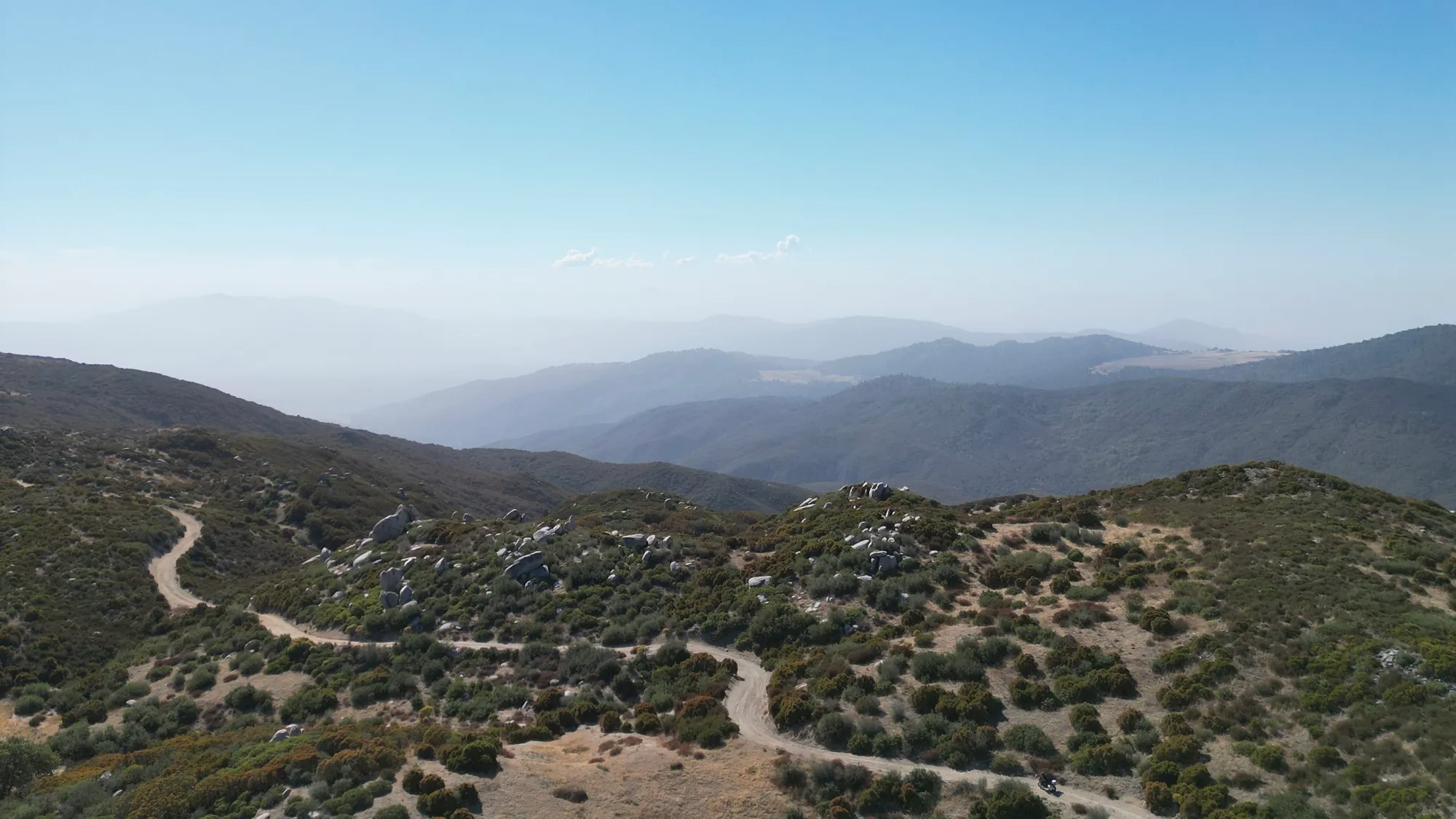
Aerial drone view of Palomar Divide Road winding through chaparral-covered mountain ridges in San Diego County. Multiple S-curve sections descend through sparse vegetation with distant valley views visible in the haze. Gravel and packed-earth surface.

The Truth on the Street

Over the years I've kept a running tally of what riders tell me about this bike. Long threads, paddock conversations, owner chats, and the messages that land in my inbox after a big trip all feed it. The pattern is consistent. Riders rate the engine and the composed chassis highly, and the same short list of livability complaints keeps coming back.

Comfort that cuts both ways

Riders coming off the 990 consistently point to real gains in long-distance comfort: a better seat, stronger wind protection, and a big tank that stretches range past 180 miles. The heat is the recurring counterpoint. In warm weather or slow traffic, owners report the exhaust throwing noticeable warmth onto their legs and even warming the fuel tank. Two-up, more than a few call the stock seat a bum killer for the passenger after only a few hours.

The small stuff owners flag

The reliability talk centers on small parts, not the drivetrain. Some owners report switchgear failing earlier than it should, with little goodwill from KTM once the warranty has lapsed. The other steady gripe is the speedometer, which tends to read high and can nag at you over a long day of watching your pace.

Known issues

  • Wiring harness fraying against ABS modulator (safety recall)

    brakescommonRecall

    Improper routing can cause the wiring harness to fray and contact the ABS modulator, creating an electrical connection that overheats the brake line, leading to brake failure. Affected models: 2013-2016 1190 Adventure and Adventure R.

  • Airbox design issues (early models)

    engineoccasional

    Early 1190 models (pre-2015) may allow water and dust ingress into the airbox, potentially damaging the air filter and engine. The design was revised in later models.

  • Water pump seal failure

    coolingoccasional

    The water pump seals can wear, allowing oil and coolant to mix. Symptoms include yellow condensation in the oil sight glass. Occurs typically around 55,000 miles (88,500 km) and may reoccur.

  • Slow starter motor cranking

    electricsoccasional

    The starter motor can turn over slowly, especially when the engine is hot. An ECU update may improve catch time, but some owners replace the starter with the 1290 unit.

  • Side stand too short / excessive lean angle

    chassiscommon

    The side stand can leave the bike at an extreme lean angle, risking tip-over on soft ground or slopes. A larger side stand foot is a common remedy.

  • Corrosion and electrical gremlins

    electricsoccasional

    Some owners report corrosion on exposed metal parts and occasional electrical hiccups, particularly after exposure to salt and moisture.

The Expert Benchmark

Where this KTM 1190 Adventure pulls ahead of — or falls behind — its rivals on the numbers, and the typical bike in its class on character.

What kind of bike this is — character vs. the class

This bike Class average

The shape of the KTM 1190 Adventure — numbers and character vs. the average Adventure

Head-to-head: KTM 1190 Adventure vs. its rivals

The Long-Haul Verdict

Forget spec-sheet bragging. Here's who the 1190 Adventure is actually built for.

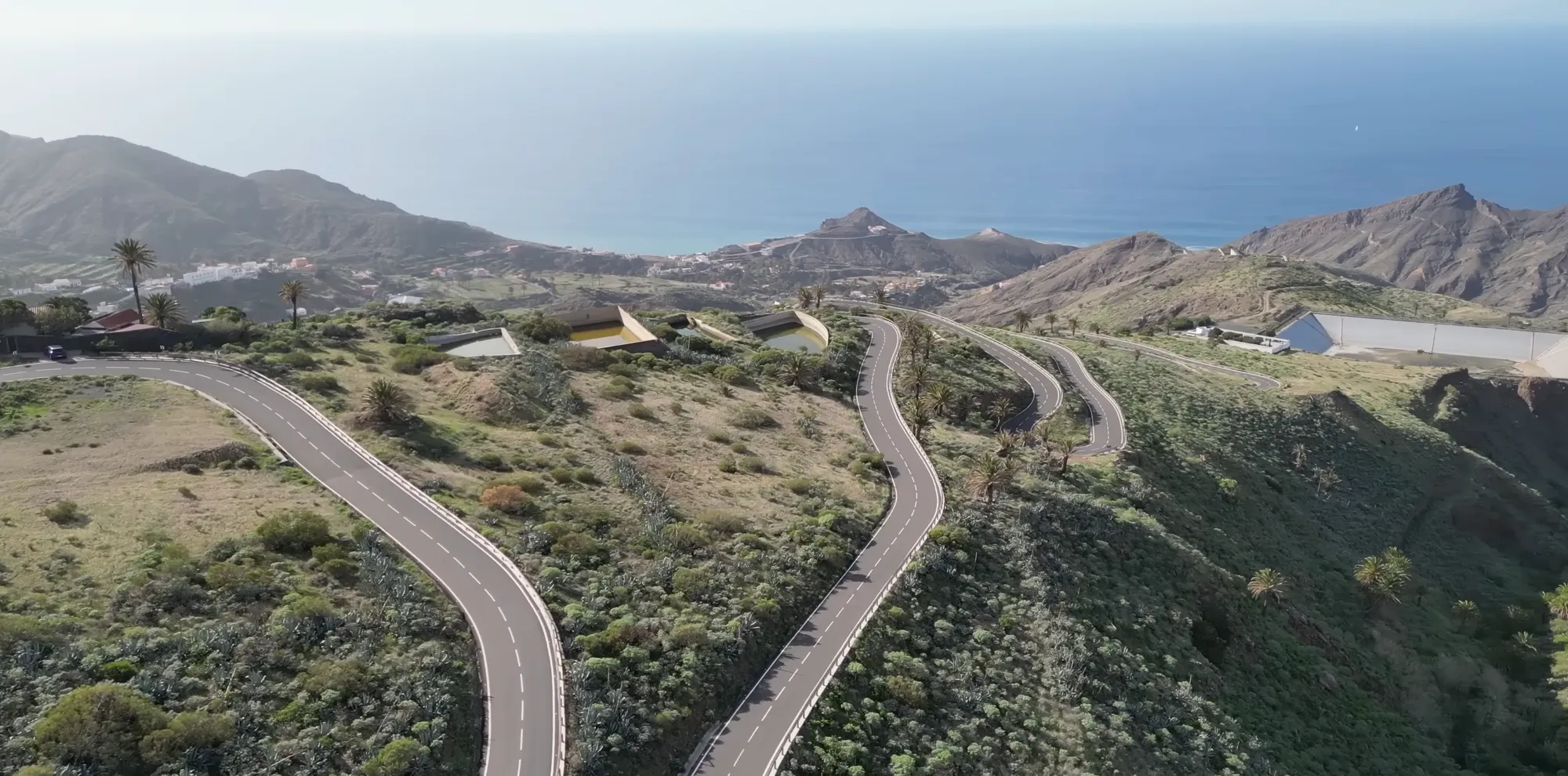
Aerial view of a winding asphalt road cutting through volcanic terrain on La Gomera, Canary Islands. The road curves through sparse green vegetation with rocky volcanic peaks visible in the background and a settled valley to the left. Clear lane markings, dry climate, partly cloudy sky.

Best motorcycle for Highway 1?

This is your bike. Strong brakes, generous lean clearance, and an eager V-twin make Highway 1 or the Blue Ridge a real pleasure, with the comfort to link long days in the saddle.

Made for Black Hills · Blue Ridge Parkway · Cherohala Skyway
Best touring motorcycle for long distance?

It will carry you across the country in comfort, with a 6.1-gallon tank and an upright cockpit. Loaded two-up it feels sporty rather than plush, and the tall 33.9-inch seat asks something of shorter riders.

Made for Beartooth Highway · Blue Ridge Parkway · Going-to-the-Sun Road

Alternatives to the KTM 1190 Adventure

If this one isn't quite the fit, these are the bikes worth riding back-to-back against it.

Any price note compares both bikes at the same age — the youngest age both have on the used market — against this KTM 1190 Adventure. “cheaper/pricier” is what that bike costs second-hand, not how worn it is.