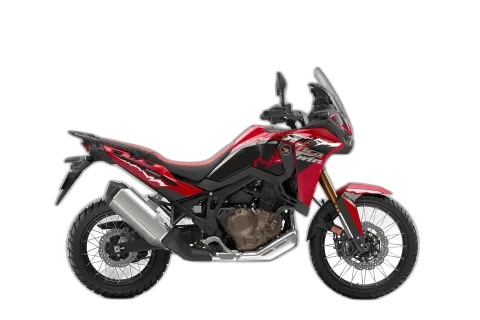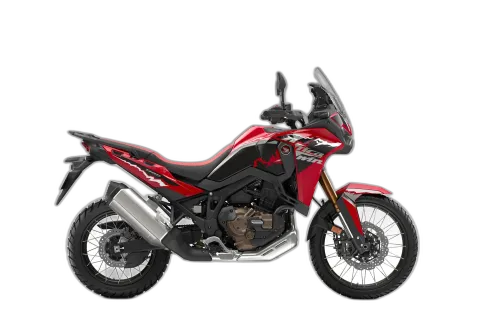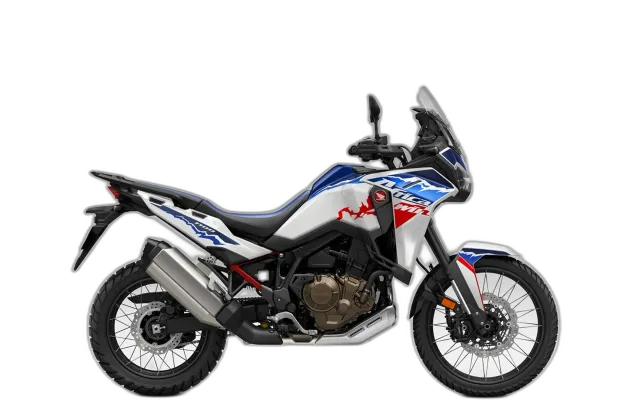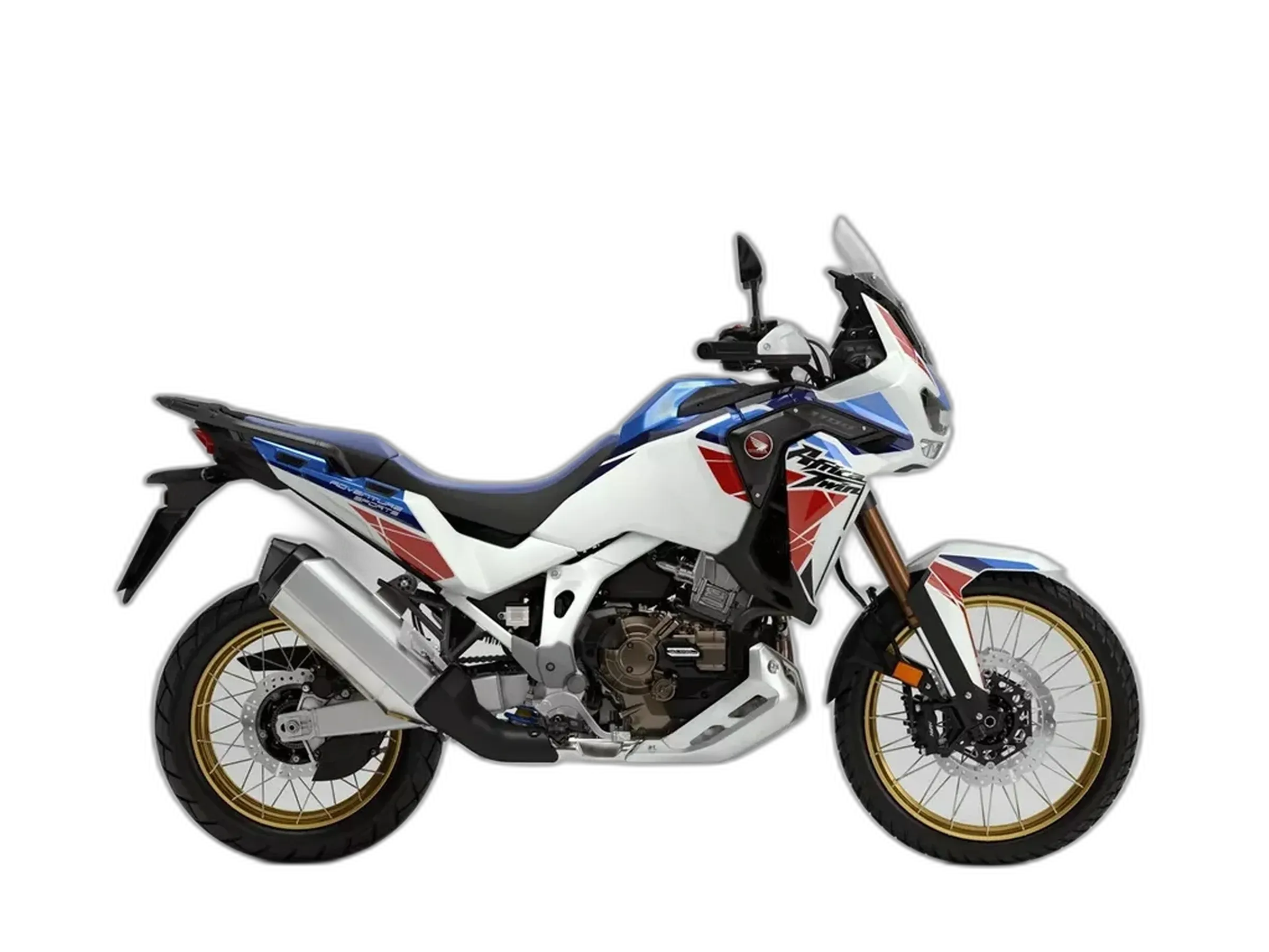
Honda CRF1100L Africa Twin (SD 08-AdventureSportsDCT) — Adventure
Honda press archive

2020–2023 · Adventure · A variant of the CRF1100L Africa Twin

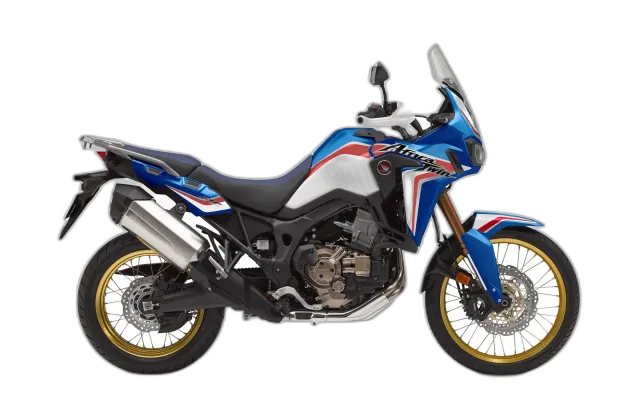
CRF1100L Africa Twin Adventure Sports DCT (SD 08-AdventureSportsDCT)

Differences between the standard CRF1100L Africa Twin and the Adventure Sports DCT

Heavy Tech That Actually Works

The Machine's Character

This is the fully equipped end of the CRF1100L line. The 1084 cc parallel twin makes 102 hp and 77 lb-ft, and the shape of that delivery matters more than the peak. It is tuned for distance. Honda's Dual Clutch Transmission is what defines this trim, with heated grips alongside it, and the rest of the package runs deep: a 6.6-gallon (25 L) tank and 51 mpg, cruise control, a 6.5-inch TFT with smartphone connectivity, cornering ABS, traction control, ride modes and wheelie control. The 21-inch front wheel and 9.1 inches (230 mm) of fork travel keep it a real adventure bike, not a tall tourer.

It is built for the rider who wants to cover states at a time and still take the unpaved shortcut, and it ages the way Hondas tend to: reliability is the strong suit here. The honest part is mass. At 547 lb (248 kg) wet with the seat at 33.5 in (850 mm), you want to be comfortable moving a big machine around a gas station. Electronic suspension is an option, not a given. On a used one, confirm the switch-corrosion recall (KS8) and the wheelie-control software update (KR1) are done, and check white frames for rust around the welds.

Hard Numbers

Spec sheets don't ride bikes, but they set the baseline.

Show full specs & equipment Hide specs & equipment
Key specifications
Power 102 hp (75 kW) @ 7,500 rpm
Torque 77 lb-ft (105 Nm) @ 6,250 rpm
Displacement 1084 cc
Engine Parallel twin
Cooling Liquid-cooled
Gearbox 6-speed
Final drive Chain
Fork Telescopic
Front tire 90/90-21
Rear tire 150/70-18
Wheelbase 62.0 in (1575 mm)
Ground clearance 9.8 in (250 mm)
Front travel 9.1 in (230 mm)
Rear travel 8.7 in (220 mm)
Seat height 33.5 in (850 mm)
Wet weight 547 lb (248 kg)
Fuel capacity 6.6 gal (25 L)
Fuel economy 51 mpg (US)

Equipment check

Chassis

  • Electronic Suspension Optional
  • Front Suspension Adjustable Standard
  • Rear Suspension Adjustable Standard
  • Cruise Control Standard

Comfort

  • Heated Grips Standard
  • Adjustable Seat Height Standard

Connectivity

  • TFT Display Standard
  • Smartphone Connectivity Standard
  • USB Charging Port Standard

Drivetrain

  • Automatic Shift (DCT / ASA / AMT) Honda DCT (3rd generation) Clutchless ridingAutomatic gear selection Standard

Lighting

  • LED Headlight Standard

Safety

  • ABS Standard
  • Cornering ABS Standard
  • Traction Control Standard
  • Ride Modes Standard

Signature Tech

The named systems that set this bike apart — and what each one does for you.

Connectivity

  • Apple CarPlay (Wireless) Optional
    • Integrated navigation
    • Handsfree phone integration

The Voice of Experience

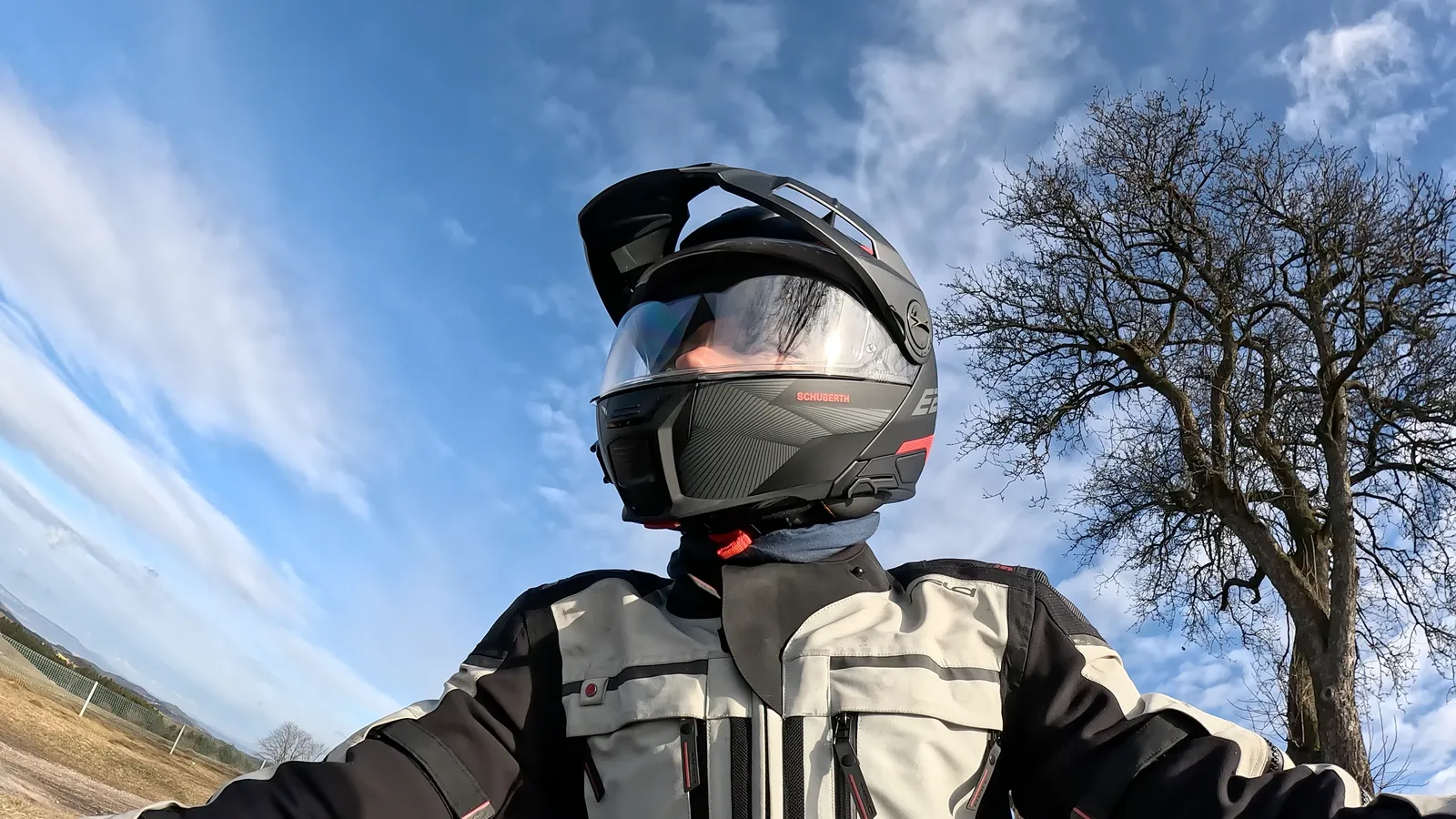
Portrait of NastyNils

The test ride

First thing you notice is the geometry of the thing. Seat at 33.5 inches, bars up where your hands want them, and a tank you reach around at a standstill. Swing a leg over and 547 pounds is a real number until you release the brake, and then it settles. Your left hand has nothing to do, which takes a few miles to stop feeling strange, and after that your thumb learns where the shift paddles live. The exhaust has actual presence to it, a low note with displacement behind it that never gets tiring. Vibration stays where a big twin's should, enough through the pegs to feel alive without buzzing your hands numb. At a steady cruise the airflow clears the top of your helmet, and the heated grips mean you keep going when the pass turns out colder than the forecast promised.

What the CRF1100L Africa Twin Adventure Sports DCT Adds — Differences vs the Standard CRF1100L Africa Twin

The CRF1100L Africa Twin Adventure Sports DCT (SD 08-AdventureSportsDCT) builds on the standard CRF1100L Africa Twin: the upgraded hardware, the key spec changes and where its character shifts. The full ride, specs, scoring and verdict are all right here on this page.

Equipment the Adventure Sports DCT adds vs the standard CRF1100L Africa Twin

Now standard
Automatic Shift (DCT / ASA / AMT)Heated Grips

Hard spec differences

SpecStandard CRF1100L Africa TwinAdventure Sports DCTΔ
Wet weight 498 lb 547 lb +49 lb
Fuel capacity 5.0 gal 6.6 gal +1.6 gal

How the Adventure Sports DCT shifts the character

Where the Adventure Sports DCT does more
  • More miles between fuel stops
Where it does less
  • Less room for luggage and gear

Rated point by point — where it earns its keep

My own 0–100 score for this bike against the class, area by area — the marker on each bar is the class average.

What I did not expect from this bike was the panic stop. I expect a fork on a machine this tall to plunge straight to the bottom of its stroke under full-force braking and then hand me a pitching chassis to manage while I finish the job. It doesn't happen. The front takes the load, holds its composure the whole way down to a standstill, and leaves me exactly one thing to think about, which is how hard I'm squeezing the lever. Nothing moves around underneath me, nothing needs a correction, and the whole event stays as dull as an emergency stop ought to be. That is the most valuable habit this chassis has, because the hard stop is the moment that decides how a ride ends, and this one does not ask you to be good at it.

Comfort on this bike is mostly subtraction. At highway pace the bodywork parks your head in still air, tall riders included, and nothing is tugging at your helmet or quietly working on your neck, so the hours stop accumulating the way they do on a machine that buffets. The rest is being able to re-tune the bike's manners on the move without losing rhythm. Working against it is the density of that left-hand cluster, which took me a while to read.

What the two dirt modes really change is who gets to ride this terrain. Traction control, ABS and the optional adaptive damping act like one system with a single idea rather than three helpers pulling in different directions, and that integration is the whole trick. Loose switchbacks and washboard stop being things you steel yourself for. Riders who would normally turn around at the start of a climb like that do not have to here.

The width of the character range is the part I'd point to. At one end the motor is calm enough to be genuinely undemanding, at the other it has enough presence that the bike feels like it wants to be moving, and both ends sit further out than the previous generation could reach. Engine braking is part of that. Dial it down and the calm setting goes calmer than the mode change alone suggests, which is a lever I ended up using more than I expected.

The display deserves more credit than a screen usually gets from me. It stays legible with the sun straight onto it and with a film of road dust over the glass, which is where most of them quietly stop telling you anything. It also strips down: a full instrument layout, or a clean speedo, or just a tach. Set it once in the garage and every mode comes up looking the way you chose.

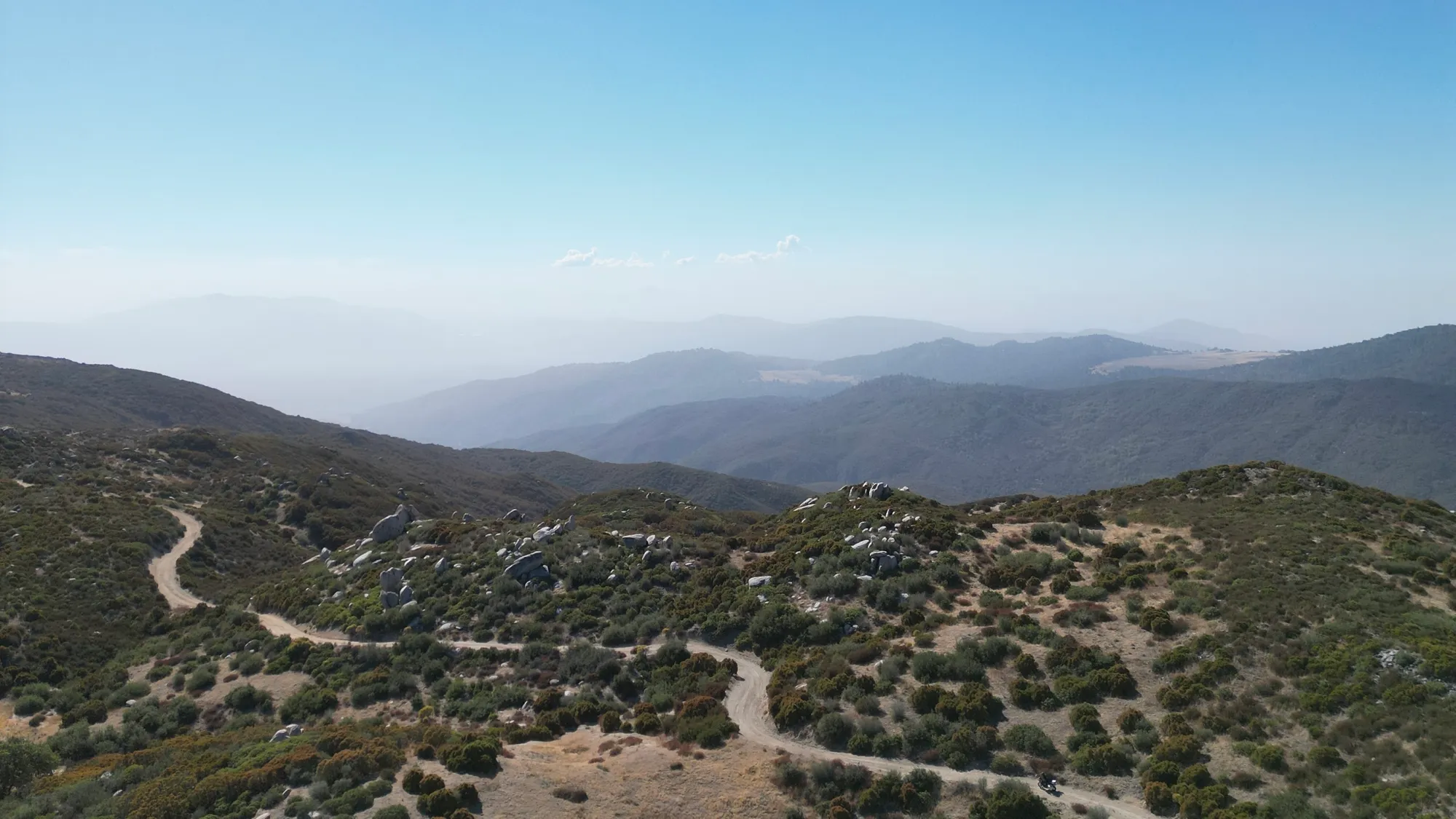
Aerial drone view of Palomar Divide Road winding through chaparral-covered mountain ridges in San Diego County. Multiple S-curve sections descend through sparse vegetation with distant valley views visible in the haze. Gravel and packed-earth surface.

The Truth on the Street

Known issues

  • Left handlebar switch corrosion (loss of horn/headlight)

    electrics occasional Recall

    Fretting corrosion at terminal joints can cause loss of horn and high/low beam control. Affects 2020-2022 models. Recall KS8 (2025) replaces the switch assembly.

  • Wheelie control recall (engine stall)

    electrics rare Recall

    Incorrect FI-ECU programming can cause loss of power or engine stall when wheelie control is enabled. Recall KR1 (2024) addresses this with a software update; earlier campaign KP7 was insufficient.

  • Cracking wheel rims under severe use

    chassis rare

    Hard off-road riding can lead to rim cracks, particularly on tubeless Adventure Sports wheels. Evidence suggests impacts exceed design limits.

  • Fuel filter clogging from rust in tank

    fuel system occasional Recall

    Zinc-oxide corrosion generated during tank manufacturing can contaminate fuel, clogging the filter and causing stalling or hesitation. Affected models: 2020 CRF1100L Adventure Sports.

  • TFT display fragility and glitches

    electrics occasional

    Some displays are prone to cracking even without impact, and electronic glitches cause freezing or rebooting. Honda extended warranty on TFT to 2033.

  • Rusting white frames

    chassis occasional

    White-painted frames, particularly on tricolor models, develop rust spots around welds and fasteners early in ownership.

  • High-speed headshake / weave when carrying top box and panniers

    chassis occasional

    At sustained highway speeds with a top box and side panniers fitted, the raised and rearward load can set off a slow weave or a shake through the handlebars, most noticeably when the top box is loaded heavily. The bike leaves the factory without a steering damper, so owners typically cut top box weight, shift heavy items low into the panniers, and fit an aftermarket damper to settle the front end.

  • 6.5″ TFT touchscreen becoming unresponsive or registering false touches

    electrics occasional

    The 6.5″ TFT touchscreen has been reported as becoming unresponsive to input, registering "phantom" touches by itself, or going to a temporary blackout. Cold weather makes symptoms worse. The issue has persisted after four years without any permanent fix. Replacement screens have exhibited the same behavior — pointing to a design rather than a manufacturing root cause.

  • Ride-by-wire throttle snatchiness in 1st–2nd gear at low speed

    engine occasional

    In the lower gears at low engine speeds, ride-by-wire throttle response can feel oscillating or snatchy, and it is most noticeable on the automatic dual-clutch version in stop-and-go city traffic, where engine braking on a closed throttle adds to the effect. Honda revised the lower gear ratios and the automatic shift program partway through the production run, which noticeably reduced the sensation.

The Expert Benchmark

Where this Honda CRF1100L Africa Twin pulls ahead of — or falls behind — its rivals on the numbers, and the typical bike in its class on character.

What kind of bike this is — character vs. the class

This bike Class average

The shape of the Honda CRF1100L Africa Twin — numbers and character vs. the average Adventure

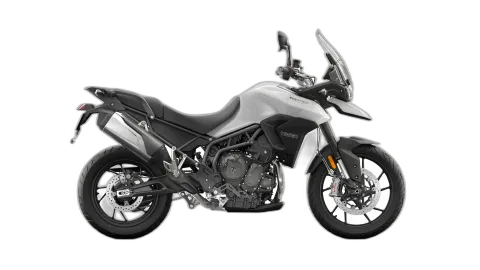
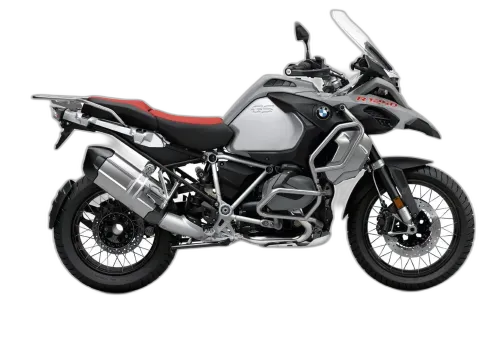
Head-to-head: Honda CRF1100L Africa Twin vs. its rivals

The Long-Haul Verdict

Forget spec-sheet bragging. Here's who the CRF1100L Africa Twin is actually built for.

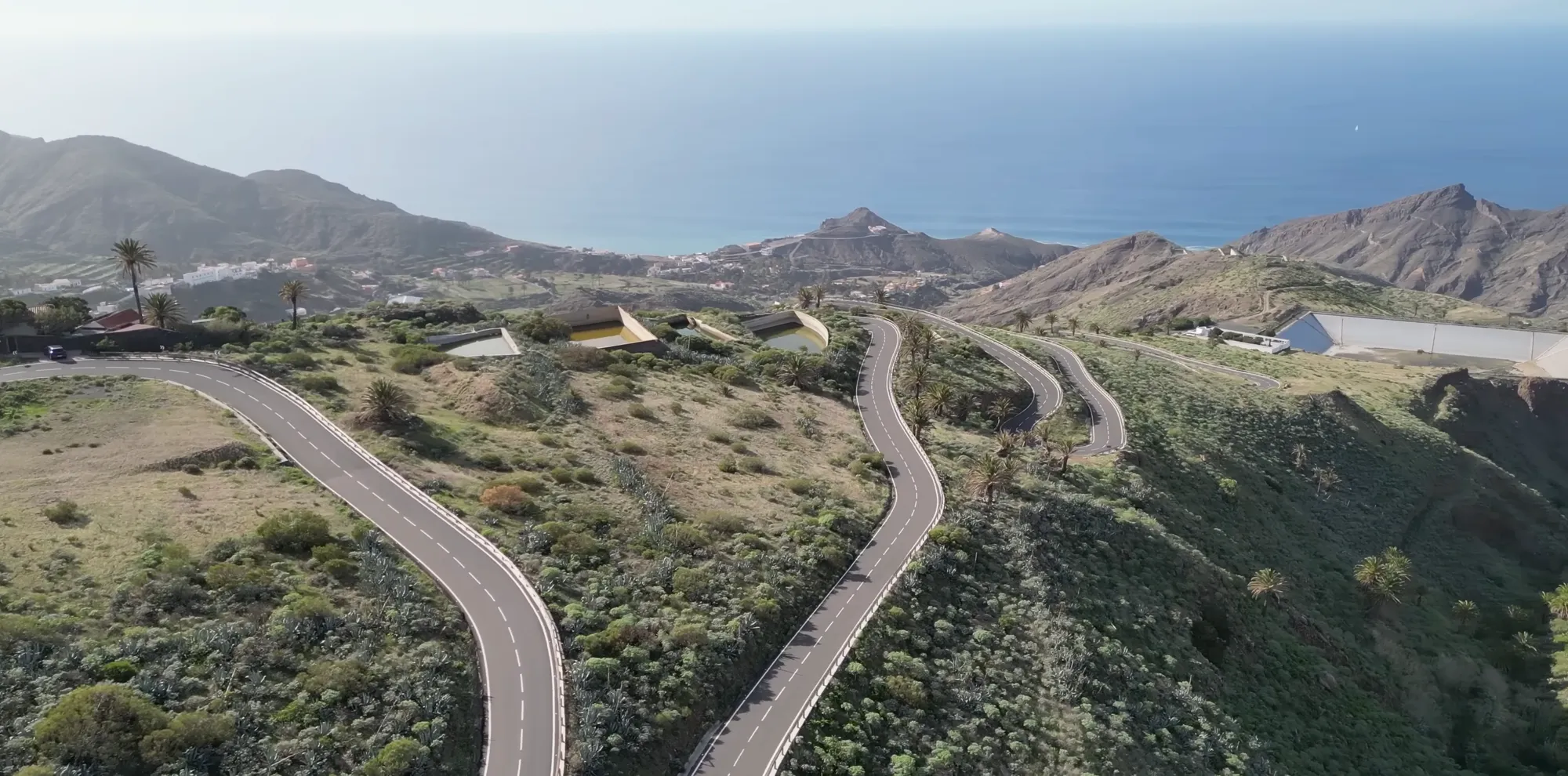
Aerial view of a winding asphalt road cutting through volcanic terrain on La Gomera, Canary Islands. The road curves through sparse green vegetation with rocky volcanic peaks visible in the background and a settled valley to the left. Clear lane markings, dry climate, partly cloudy sky.

Best motorcycle for Moab?

The 21-inch front and the off-road modes take it further into technical terrain than 547 lb has any right to go. On hard hits the rims have cracked. Know what you are asking of it.

Made for Bar M / Kane Creek · Imperial Sand Dunes · Johnson Valley OHV Area
Best touring motorcycle for long distance?

Big tank, a calm pocket behind the screen and a gearbox that shifts itself: this is built for your kind of day. Load a top box and panniers heavy, though, and watch for a slow weave at sustained highway speed.

Made for Beartooth Highway · Blue Ridge Parkway · Going-to-the-Sun Road

Best motorcycle for Highway 1?

Composed at speed, comfortable enough for 400-mile days and happy to be leaned on through a good road. The weight costs you some agility in tight stuff, and the range buys it back.

Made for Black Hills · Blue Ridge Parkway · Cherohala Skyway

What's new versus the previous generation

If you're cross-shopping the older generation, here's what changed.

Honda CRF1000L Africa Twin (SD 06)

Previous generation · 2018–2019

Honda CRF1000L Africa Twin (SD 06)

Reliable Enough to Trust Anywhere

Compare to the previous model →