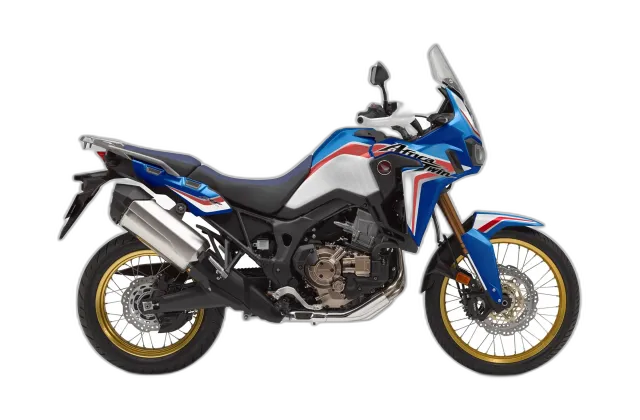
Honda CRF1000L Africa Twin (SD 06-AdventureSportsDCT) — Adventure
Honda press archive

2016–2019 · Adventure · A variant of the CRF1000L Africa Twin

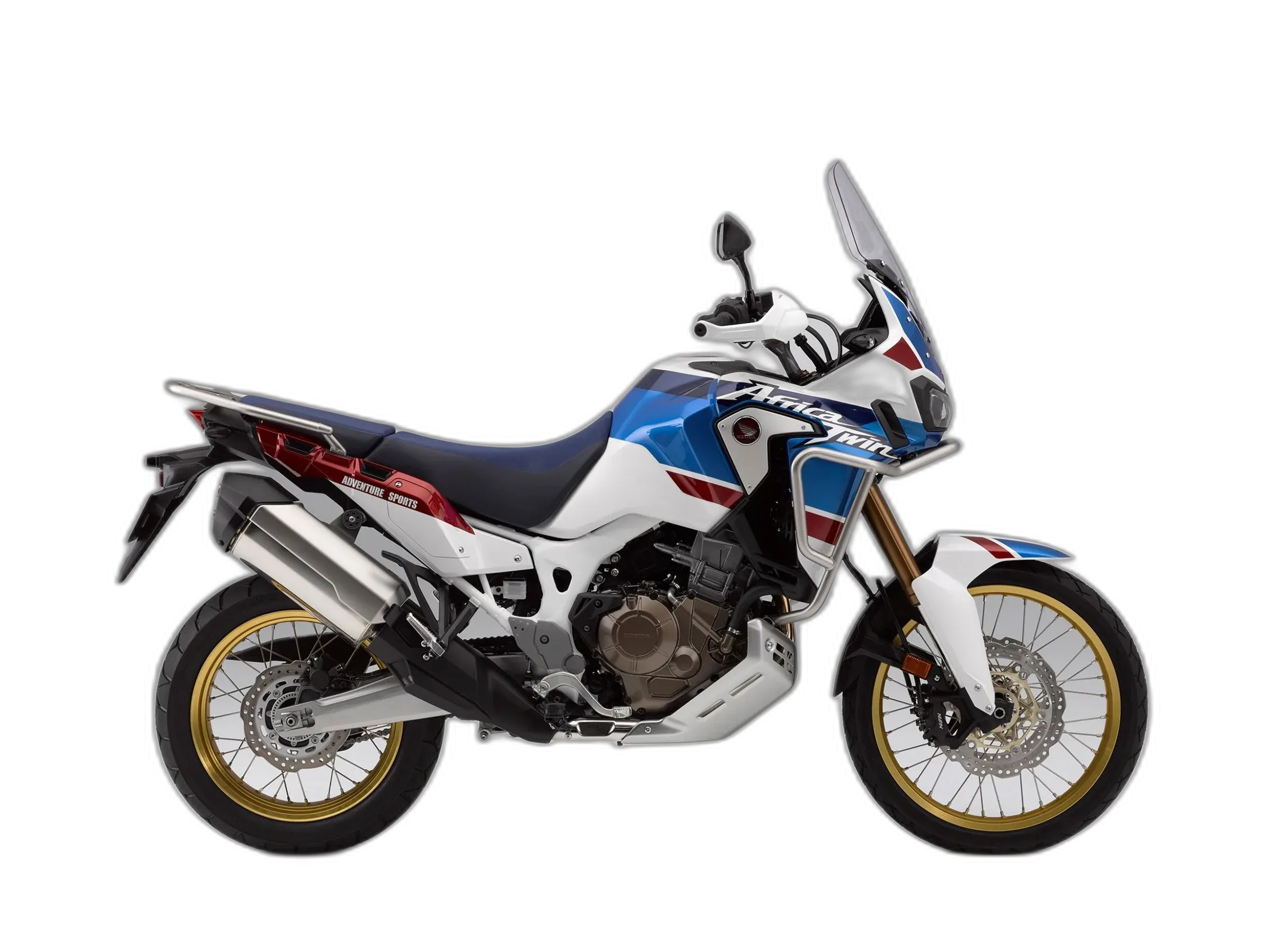
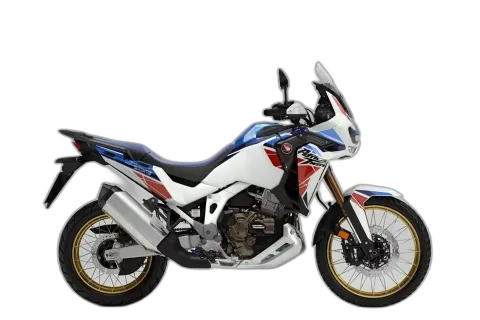
CRF1000L Africa Twin Adventure Sports DCT (SD 06-AdventureSportsDCT)

Differences between the standard CRF1000L Africa Twin and the Adventure Sports DCT

4 / 5 NastyNils Rating · against its class

Reliable Miles, Automatic Ease

The Machine's Character

The Adventure Sports version of the CRF1000L is Honda's long-range reading of the Africa Twin. Its 998 cc parallel twin makes 95 hp and 72 lb-ft, with the torque peak sitting at 6,000 rpm, which tells you most of what you need to know about how it is tuned. A 21-inch front wheel, 9.9 inches of fork travel and 10.6 inches of ground clearance keep the off-road claim honest, while a 6.4-gallon tank and taller bodywork aim it at whole countries rather than weekends. What this trim adds on top of that package is the second-generation DCT.

Ridden back to back with the calendar, this is a bike that gets easier the longer the day runs. ABS, traction control and ride modes come standard, the suspension adjusts at both ends, and the seat height can be set to suit you, which matters at 36.2 inches. It ages the way Hondas usually do: the engine and gearbox hold up, while the cosmetic stuff does not. Spokes and fasteners corrode quickly once dirt and salt get involved. The honest caveat is mass and equipment. At 558 lb wet there is no hiding it, and there is no cruise control, no factory luggage, no center stand.

Hard Numbers

Spec sheets don't ride bikes, but they set the baseline.

Show full specs & equipment Hide specs & equipment
Key specifications
Power 95 hp (70 kW) @ 7,500 rpm
Torque 72 lb-ft (98 Nm) @ 6,000 rpm
Displacement 998 cc
Engine Parallel twin
Cooling Liquid-cooled
Gearbox 6-speed
Final drive Chain
Fork Upside-down (USD)
Front brake 310 mm
Front tire 90/90-21
Rear tire 150/70-18
Wheelbase 62.0 in (1575 mm)
Ground clearance 10.6 in (270 mm)
Front travel 9.9 in (252 mm)
Rear travel 9.4 in (240 mm)
Seat height 36.2 in (920 mm)
Wet weight 558 lb (253 kg)
Fuel capacity 6.4 gal (24.2 L)
Top speed 109 mph (175 km/h)
Fuel economy 50 mpg (US)

Equipment check

Chassis

  • Front Suspension Adjustable Standard
  • Rear Suspension Adjustable Standard

Comfort

  • Heated Grips Standard
  • Adjustable Seat Height Standard

Drivetrain

  • Automatic Shift (DCT / ASA / AMT) Honda DCT (2nd generation) Clutchless ridingAutomatic gear selection Standard

Lighting

  • LED Headlight Standard

Safety

  • ABS Standard
  • Traction Control Standard
  • Ride Modes Standard

The Voice of Experience

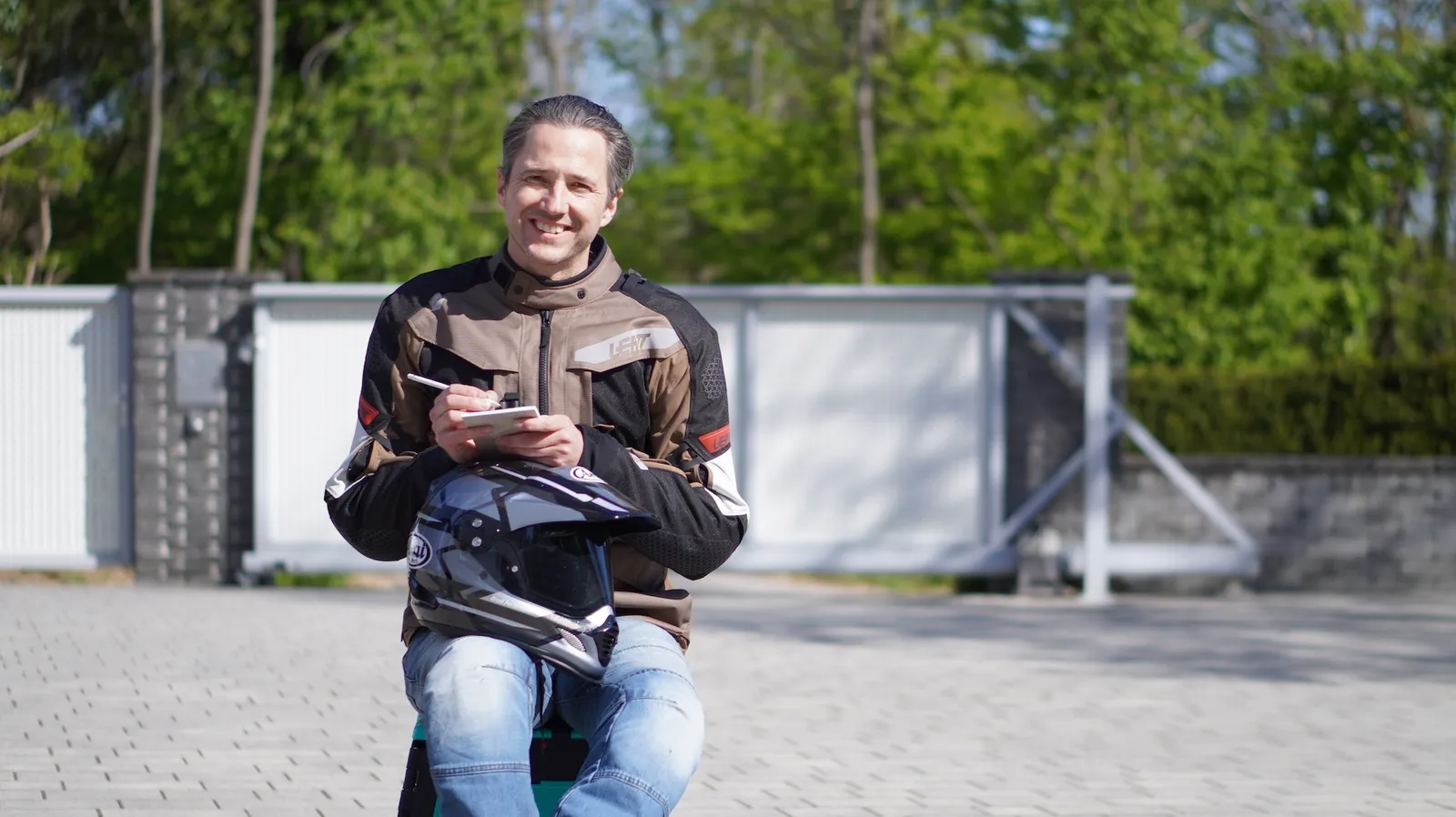
Portrait of NastyNils

The test ride

The first thing your left hand registers is that it has nothing to do. No lever, no reach, just a grip and the two buttons, and within ten minutes you stop thinking about it. The twin sends a low, uneven pulse through the pegs at town speeds that smooths out as the revs climb, and the noise is a muted thrum rather than anything theatrical. You sit high and forward on this bike, wide bars, knees open, plenty of room to stand up without folding yourself over the tank. The fixed screen throws air at helmet level and leaves your shoulders in clean air. At a gas station, paddling it backward on gravel, the weight is right there in your thighs. Roll away and most of it disappears. Heated grips are standard, which you appreciate the first cold morning.

What the CRF1000L Africa Twin Adventure Sports DCT Adds — Differences vs the Standard CRF1000L Africa Twin

The CRF1000L Africa Twin Adventure Sports DCT (SD 06-AdventureSportsDCT) builds on the standard CRF1000L Africa Twin: the upgraded hardware, the key spec changes and where its character shifts. The full ride, specs, scoring and verdict are all right here on this page.

Equipment the Adventure Sports DCT adds vs the standard CRF1000L Africa Twin

Now standard
Automatic Shift (DCT / ASA / AMT)

Hard spec differences

SpecStandard CRF1000L Africa TwinAdventure Sports DCTΔ
Wet weight 511 lb 558 lb +46 lb
Seat height 34.3 in 36.2 in +2.0 in
Fuel capacity 5.0 gal 6.4 gal +1.4 gal

How the Adventure Sports DCT shifts the character

Where it does less
  • Less suspension adjustment to play with
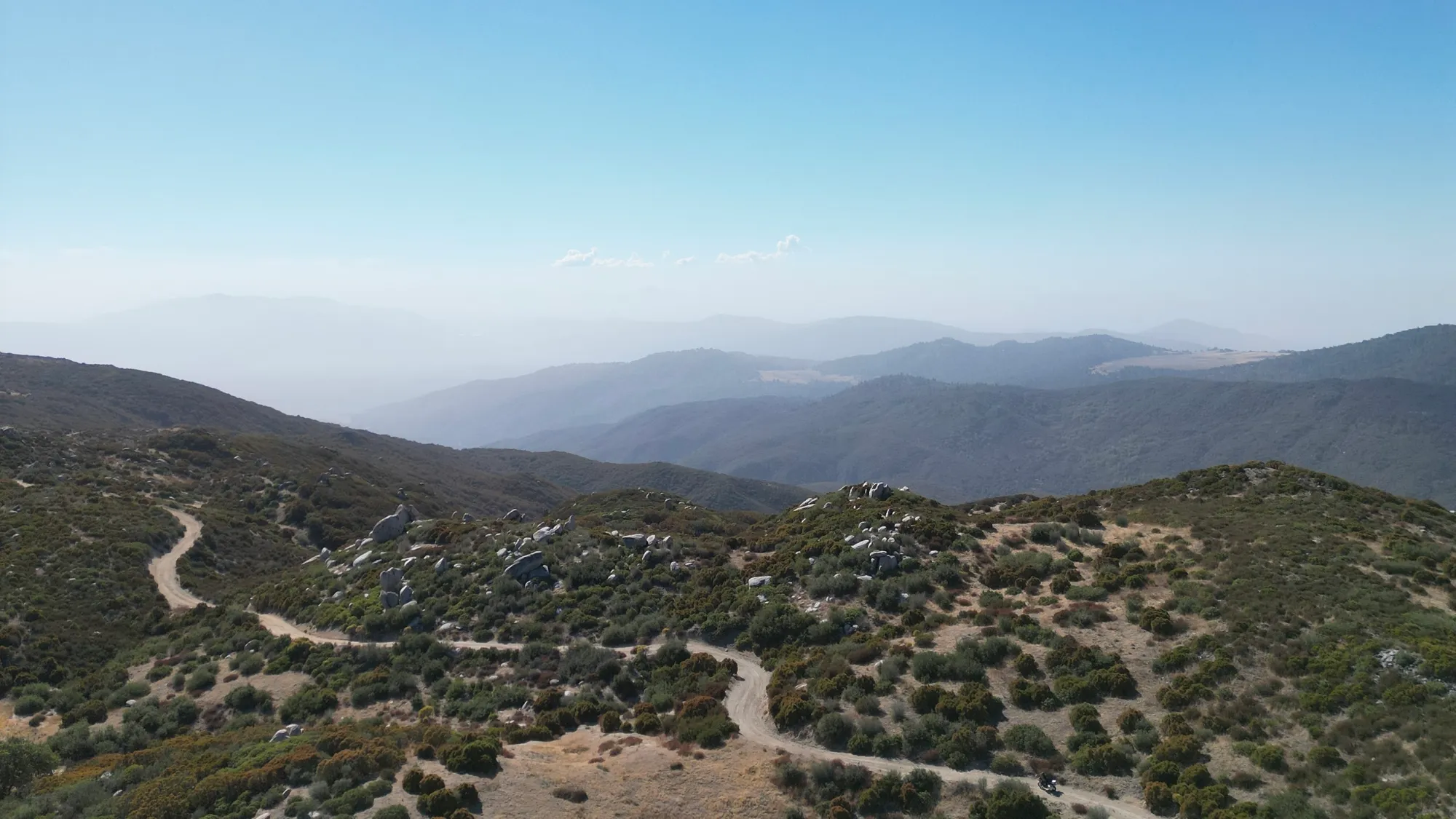
Aerial drone view of Palomar Divide Road winding through chaparral-covered mountain ridges in San Diego County. Multiple S-curve sections descend through sparse vegetation with distant valley views visible in the haze. Gravel and packed-earth surface.

The Truth on the Street

Twenty-odd years of paddock talk, owner conversations at gas stops, club-night chatter and the messages riders send me directly add up to a fairly settled picture of this bike. The praise lands in the same three places almost every time: the way it carries you all day, the character of the twin, and how honest it is once the pavement runs out. The complaints are just as consistent, and they are mostly about finish, wind, and what happens when you ask the engine to work hard.

Big miles without the ache

The first thing riders bring up is the riding position. Upright bars, room to move, a seat that doesn't punish you at hour six, and enough compliance in the suspension that broken surfaces stop registering. Riders over six foot mention this more than anyone, since they are used to folding themselves onto bikes that were never drawn for them. The engine gets the same steady approval. Owners describe the 270-degree twin as characterful rather than loud about it, with a growl to the exhaust note and a fat, usable midrange that keeps them interested without demanding anything. Those running the automatic gearbox talk about it in practical terms: no clutch hand, no fatigue in stop-start traffic, one less thing to manage when the trail turns technical. And the long-haul crowd keeps returning to what it costs them, which is not much. Serviceable, frugal at the pump, and robust in the places that would end a trip.

Honest in the dirt

Riders who actually use the off-road capability are the most emphatic group in the whole conversation. What comes up again and again is how small the bike feels once you are moving, narrow between the knees and easier to place than its size suggests. The 21-inch front and long-travel suspension get the credit for confidence on gravel and dirt, and the comparison riders reach for is that bikes of similar mass feel clumsy where this one does not. That impression holds across owners who ride green lanes occasionally and owners who plan whole trips around unpaved routes.

Where the shine comes off

The single most repeated complaint has nothing to do with how it rides. Spokes and fasteners corrode, and riders in wet climates or anyone regularly off-road see it early. Owners running the automatic report a second, separate frustration: at low speed it can hold a tall gear and lurch through tight corners until they take over manually. Power draws steady criticism too. Riders coming off bigger European machinery find it goes flat when it is fully loaded or carrying a passenger. Wind protection is the other recurring gripe, with turbulent air arriving at helmet height even with the screen up, and riders describing real fatigue after a long highway stint. Riders pushing hard on pavement add one more note about the fork and shock feeling soft and less composed than what the premium competition offers.

Known issues

  • Fuel filter clogging (recall)

    fuel system common Recall

    Zinc‑oxide corrosion inside the fuel tank can contaminate the fuel and clog the filter, leading to engine hesitation or stalling. Affects all 2018‑2019 Adventure Sports models.

  • Switch cluster failures

    electrics occasional

    Sticky or corroded switchgear causes intermittent faults including DCT error codes, headlight failure and starting problems. Cleaning or replacing the clusters is usually the cure.

  • Premature wheel bearing wear

    chassis occasional

    Rear wheel bearings can fail as early as 9,300 mi (15,000 km) when the bike is subjected to regular off‑road use, requiring replacement.

  • Spoke and fastener corrosion

    bodywork common

    Nickel‑plated spokes on early models rust quickly, especially after off‑road use; some frames also show surface rust. Often requires wheel rebuilds or replacement.

  • Front wheel lockup from mud accumulation

    chassis occasional

    In thick mud, the gap between the front tire and fender can pack solid, locking the wheel; a dangerous issue for off‑road riders.

  • Cold‑start stalling and rough idle

    engine occasional

    Engine occasionally stumbles or dies when first started, especially in cool weather; often traced to idle air control valve or fuel mapping.

  • Switchgear electrical bugs

    electrics occasional

    Sticking starter button and moisture ingress can cause headlight or DCT malfunctions; often cured by cleaning switch housing.

  • DCT hesitation in automatic modes

    drivetrain occasional

    Early DCT can be reluctant to downshift or holds a high gear, particularly without IMU integration; manual override helps.

  • Premature corrosion and finish flaws

    bodywork occasional

    Fasteners and wheel paint prone to rust and pitting even with normal use; some owners report bubbling paint on engine cases.

The Expert Benchmark

Where this Honda CRF1000L Africa Twin pulls ahead of — or falls behind — its rivals on the numbers, and the typical bike in its class on character.

What kind of bike this is — character vs. the class

This bike Class average

The shape of the Honda CRF1000L Africa Twin — numbers and character vs. the average Adventure

Head-to-head: Honda CRF1000L Africa Twin vs. its rivals

The Long-Haul Verdict

Forget spec-sheet bragging. Here's who the CRF1000L Africa Twin is actually built for.

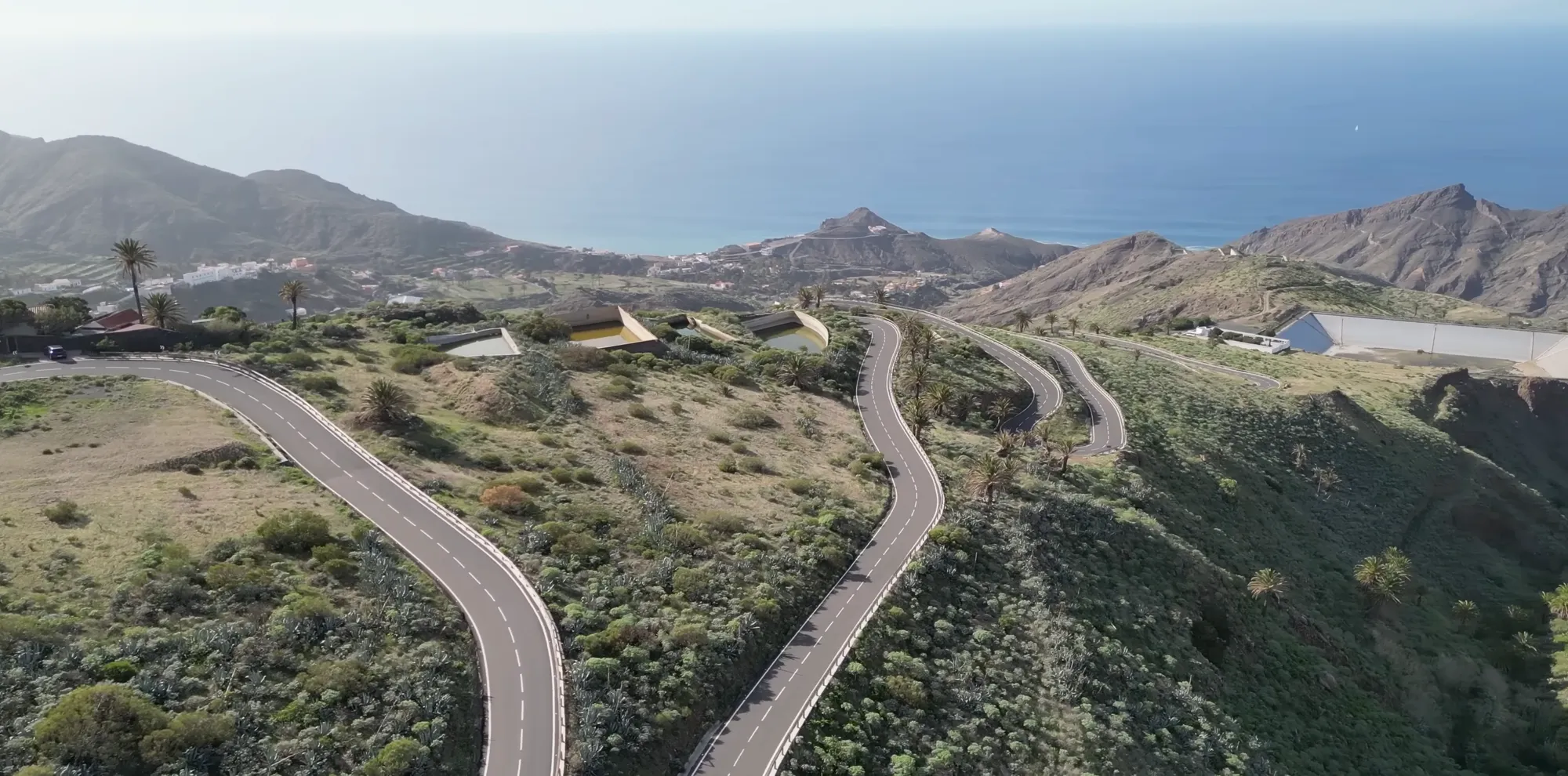
Aerial view of a winding asphalt road cutting through volcanic terrain on La Gomera, Canary Islands. The road curves through sparse green vegetation with rocky volcanic peaks visible in the background and a settled valley to the left. Clear lane markings, dry climate, partly cloudy sky.

Best touring motorcycle for long distance?

Long transits, altitude, changing weather: that is the job this one was built around, solo or loaded up. Cruise control and luggage are not part of the deal, so plan that side of the build yourself.

Made for Beartooth Highway · Blue Ridge Parkway · Going-to-the-Sun Road
Best motorcycle for Highway 1?

It will run 300-mile days on the Blue Ridge or Highway 1 without wearing you out, and lean angle is never the thing that stops you. Accept that it steers like a tall ADV bike and it fits.

Made for Black Hills · Blue Ridge Parkway · Cherohala Skyway

Alternatives to the Honda CRF1000L Africa Twin

If this one isn't quite the fit, these are the bikes worth riding back-to-back against it.

Any price note compares both bikes at the same age — the youngest age both have on the used market — against this Honda CRF1000L Africa Twin. “cheaper/pricier” is what that bike costs second-hand, not how worn it is.