Yamaha Tenere 700 (DM07) — Adventure
NastyNils / Yamaha Press

2019–2022 · Adventure · Buyer's Guide

Tenere 700 (DM07)

Stripped Down, Dirt Ready

The Machine's Character

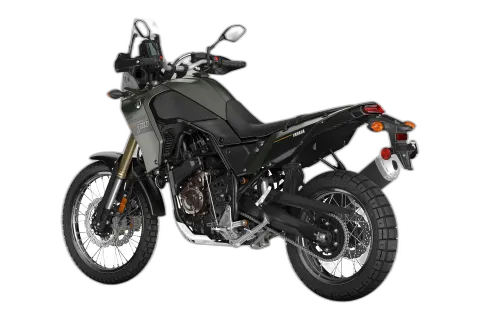
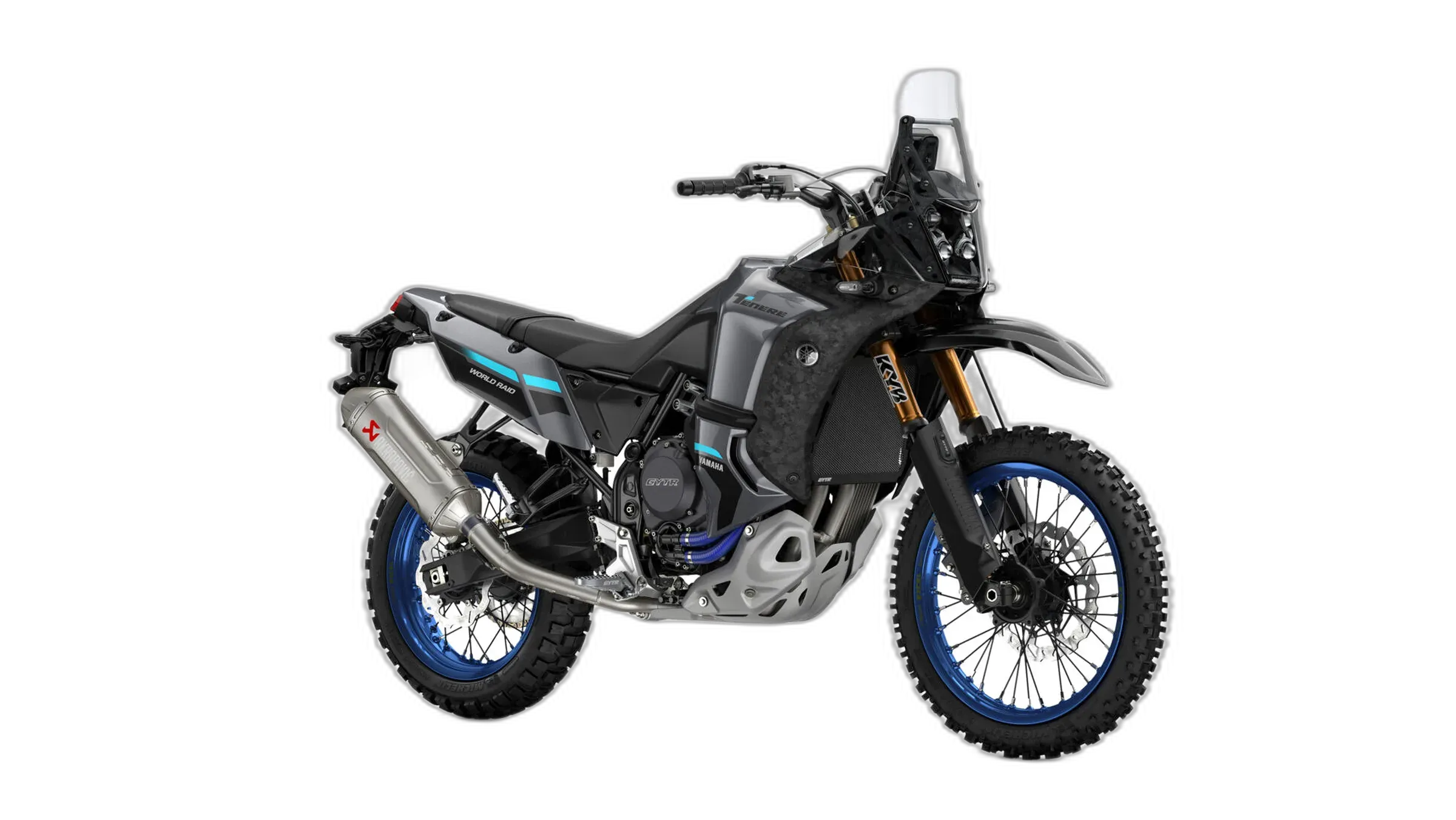
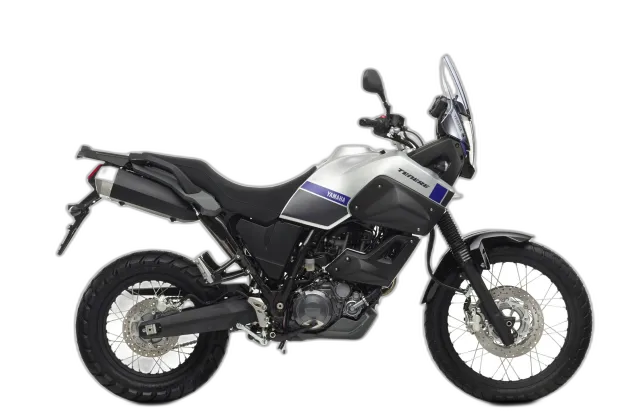
The Ténéré 700 takes the 689 cc CP2 parallel twin out of the MT-07 and drops it into a chassis built for dirt. You get 73 hp at 9,000 rpm and 50 lb-ft at 6,500, a cable throttle, six speeds, and ABS as the entire electronics package. No ride modes, no traction control, nothing between your right wrist and the rear tire. Around that engine sits a steel double-cradle frame, long-travel KYB suspension with 8.3 in front and 7.9 in rear, 9.4 in of ground clearance, and a 21/18-inch wheel pairing. At 452 lb wet, it is a genuine dirt bike that happens to hold a highway speed.

That simplicity is why it ages well. Fewer sensors, fewer modules, fewer things to fail 60 miles from pavement, and the CP2 has a long track record of taking abuse without complaint. It suits the rider who plans routes around dirt and treats tarmac as the connective tissue between them. The caveats are real. A 34.4 in seat asks something of shorter riders, 4.2 gal of fuel sets your day's rhythm, and heavy off-road mileage eventually shows up in weeping fork seals. Nobody bought this bike expecting comfort features it was never given.

Hard Numbers

Spec sheets don't ride bikes, but they set the baseline.

Show full specs & equipment Hide specs & equipment
Key specifications
Power 73 hp (54 kW) @ 9,000 rpm
Torque 50 lb-ft (68 Nm) @ 6,500 rpm
Displacement 689 cc
Engine Parallel twin
Cooling Liquid-cooled
Gearbox 6-speed
Final drive Chain
Fork Upside-down (USD)
Front brake 282 mm
Front tire 90/90-21
Rear tire 150/70-18
Wheelbase 62.8 in (1595 mm)
Ground clearance 9.4 in (240 mm)
Front travel 8.3 in (210 mm)
Rear travel 7.9 in (200 mm)
Seat height 34.4 in (875 mm)
Wet weight 452 lb (205 kg)
Fuel capacity 4.2 gal (16 L)
Fuel economy 55 mpg (US)

Equipment check

Chassis

  • Front Suspension Adjustable Standard
  • Rear Suspension Adjustable Standard

Lighting

  • LED Headlight Standard

Safety

  • ABS Standard

The Voice of Experience

Portrait of NastyNils

The test ride

First thing you notice is the height. You swing a leg over 34.4 in of seat, and once you're moving, that tall stance stops feeling like a chore and starts feeling like a view. The twin has a hard, offbeat bark under load that goes flat and civil at cruise, and it sends a light hum through the pegs at highway speed that never turns numb or nasty. Bars sit where you want them standing up. The tank is narrow enough that your knees actually grip something. Levers and switches are basic and easy to read blind, which matters when your hands are cold or gloved in thick gauntlets. At 70 mph the bike sits still and unbothered, and 55 mpg means the fuel light shows up later than you expect. Nothing about the machine begs for your attention. It just gets on with it.

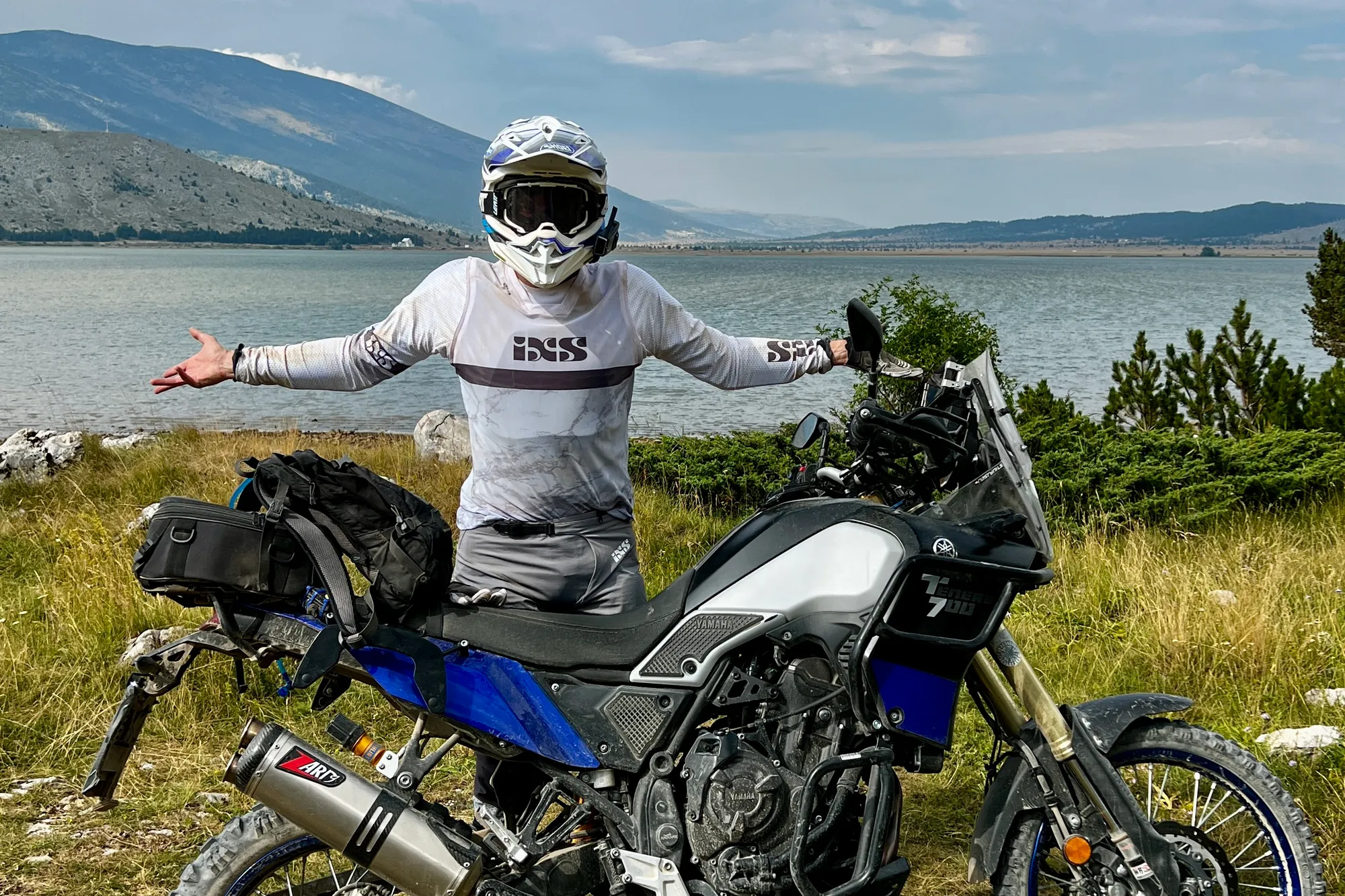
NastyNils riding a Yamaha Tenere 700 on a gravel rally route in Bosnia, leaning into a gentle turn through forested terrain. The cream-colored adventure bike is in motion on the dirt surface with dense pine forest visible in the background. Daylight conditions, NastyNils in full protective gear.
NastyNils / Nastynils.com
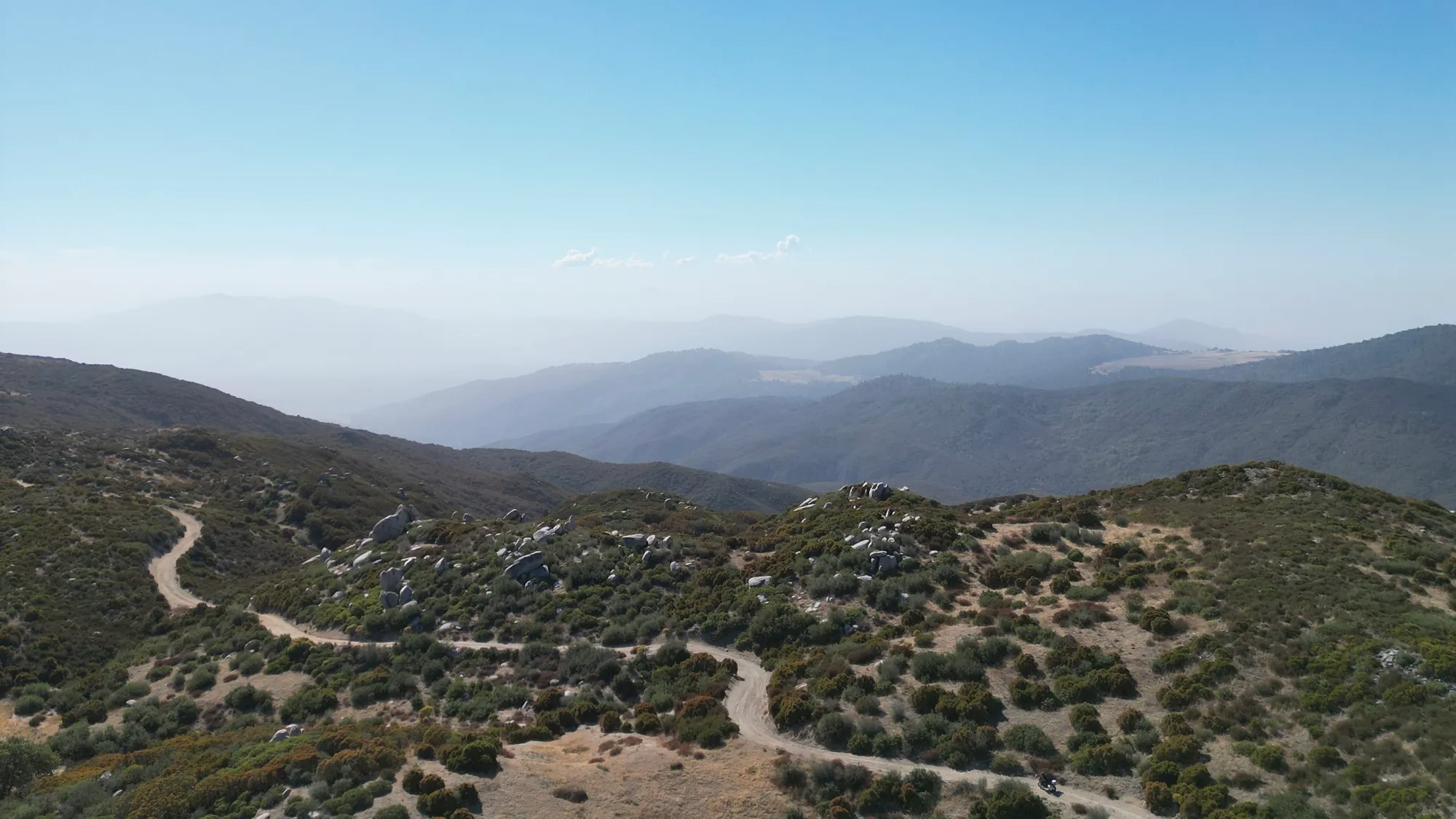
Aerial drone view of Palomar Divide Road winding through chaparral-covered mountain ridges in San Diego County. Multiple S-curve sections descend through sparse vegetation with distant valley views visible in the haze. Gravel and packed-earth surface.

The Truth on the Street

Very little of what follows is mine. It comes from riders: messages that land after a hard season of use, conversations at campsites and fuel stops, the long threads owners keep running among themselves. On the Ténéré 700 that chatter sorts itself quickly. Deep affection for what the bike does, paired with honest notes about where it asks for money or patience in return.

Where the T7 earns its following

The dirt talk dominates. Owners keep telling me the bike flatters them on loose surfaces and broken ground, going further than machines that cost considerably more. The twin gets praised in the same breath: torque low in the rev range, real personality, a throttle that answers back when riders lean on it. A sizable group treasures the absence of electronics and calls the whole thing honest riding, grip and skill instead of software. A steady chorus points at what the bike costs against what it hands back.

The gripes that keep coming back

Throttle snatch tops the complaint list. Riders describe an abrupt on/off feel at small openings that turns tight technical going and slow maneuvering awkward, and plenty pay to have the mapping cleaned up. The suspension draws similar comments once the terrain hardens, the pace climbs, or luggage goes on the back. It runs out of control and bottoms. Springs get swapped. Then the tubes: a flat in the middle of nowhere costs a wheel off the bike and a long stretch of daylight.

Known issues

  • Front brake caliper mounting bolt recall (select 2022 models)

    brakesoccasionalRecall

    Certain 2022 Ténéré 700s were assembled with incorrect front brake caliper bolts (thread length too short). Repeated removal could damage threads, risking caliper detachment and brake failure. Yamaha recall #990168 / NHTSA 23V-472 affects 211 US units built July–Aug 2022.

  • Gear position sensor failure (5th gear)

    engineoccasional

    The sensor may stop indicating 5th gear correctly when the engine is warm, a known issue on CP2 engines. Replacement under warranty has been reported.

  • Exhaust mounting bracket bending

    exhaustoccasional

    The bracket that holds the exhaust is weak and bends easily when the bike is dropped, especially off-road. Some owners relocate the exhaust to a higher position to avoid this.

  • Fork seal leaks at higher mileage

    suspensionrare

    Some owners report weeping fork seals after around 35,000 km. Not widespread but worth monitoring for heavy off-road use.

  • Headlight wiring harness failure

    electricsrare

    A few owners have experienced total headlight failure due to a faulty internal wiring harness within the sealed LED unit. Covered under warranty when reported early.

The Expert Benchmark

Where this Yamaha Tenere 700 pulls ahead of — or falls behind — its rivals on the numbers, and the typical bike in its class on character.

What kind of bike this is — character vs. the class

This bike Class average

The shape of the Yamaha Tenere 700 — numbers and character vs. the average Adventure

Head-to-head: Yamaha Tenere 700 vs. its rivals

The Long-Haul Verdict

Forget spec-sheet bragging. Here's who the Tenere 700 is actually built for.

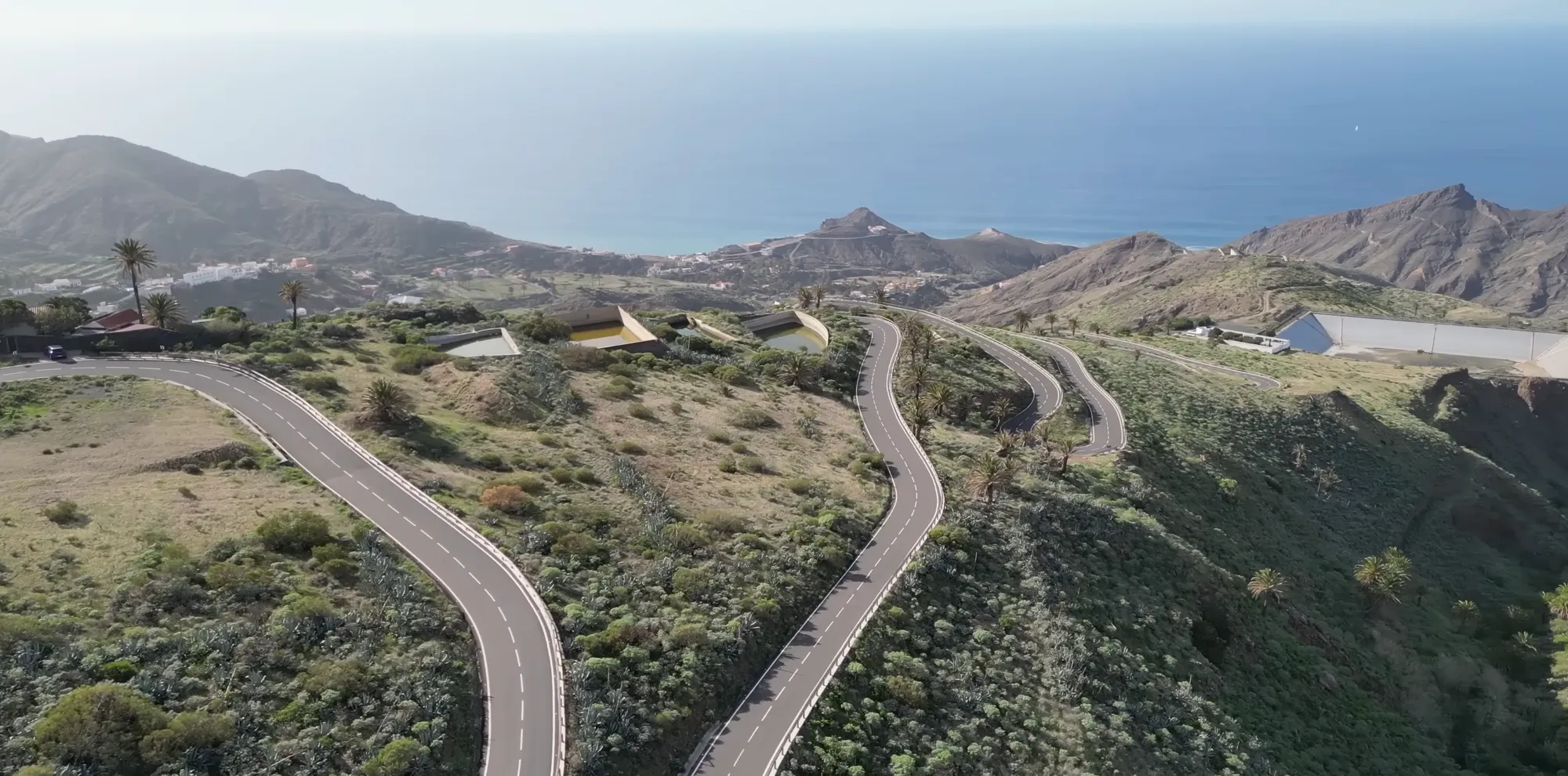
Aerial view of a winding asphalt road cutting through volcanic terrain on La Gomera, Canary Islands. The road curves through sparse green vegetation with rocky volcanic peaks visible in the background and a settled valley to the left. Clear lane markings, dry climate, partly cloudy sky.

Best motorcycle for Moab?

This is the bike you want under you on technical ground. The 21-inch front, 9.4 in of clearance, and 452 lb wet give you real dirt capability, and no electronics get in the way of what you already know how to do.

Made for Bar M / Kane Creek · Imperial Sand Dunes · Johnson Valley OHV Area
Best motorcycle for Highway 1?

It will carry you down Highway 1 or the Blue Ridge happily, stable and cheap to run. Just know you're accepting a tall seat and a 4.2 gal tank in exchange for dirt ability you may never use.

Made for Black Hills · Blue Ridge Parkway · Cherohala Skyway

Best motorcycle for BDR routes?

Built for exactly what you plan. Simple enough to fix on the road, capable enough for the hard sections, thrifty at 55 mpg. Your only real math is the tank, and that's a solvable problem.

Made for AZBDR — Arizona Backcountry Discovery Route · California BDR South · COBDR — Colorado Backcountry Discovery Route

Alternatives to the Yamaha Tenere 700

If this one isn't quite the fit, these are the bikes worth riding back-to-back against it.

Any price note compares both bikes at the same age — the youngest age both have on the used market — against this Yamaha Tenere 700. “cheaper/pricier” is what that bike costs second-hand, not how worn it is.