Yamaha Tenere 700 (DM07B) — Adventure
NastyNils / Yamaha Press

2023–2024 · Adventure · Buyer's Guide

Tenere 700 (DM07B)

Built For The Wrong Road

The Machine's Character

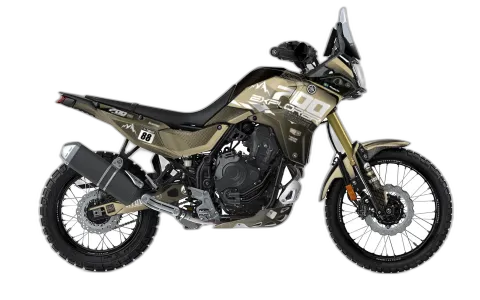
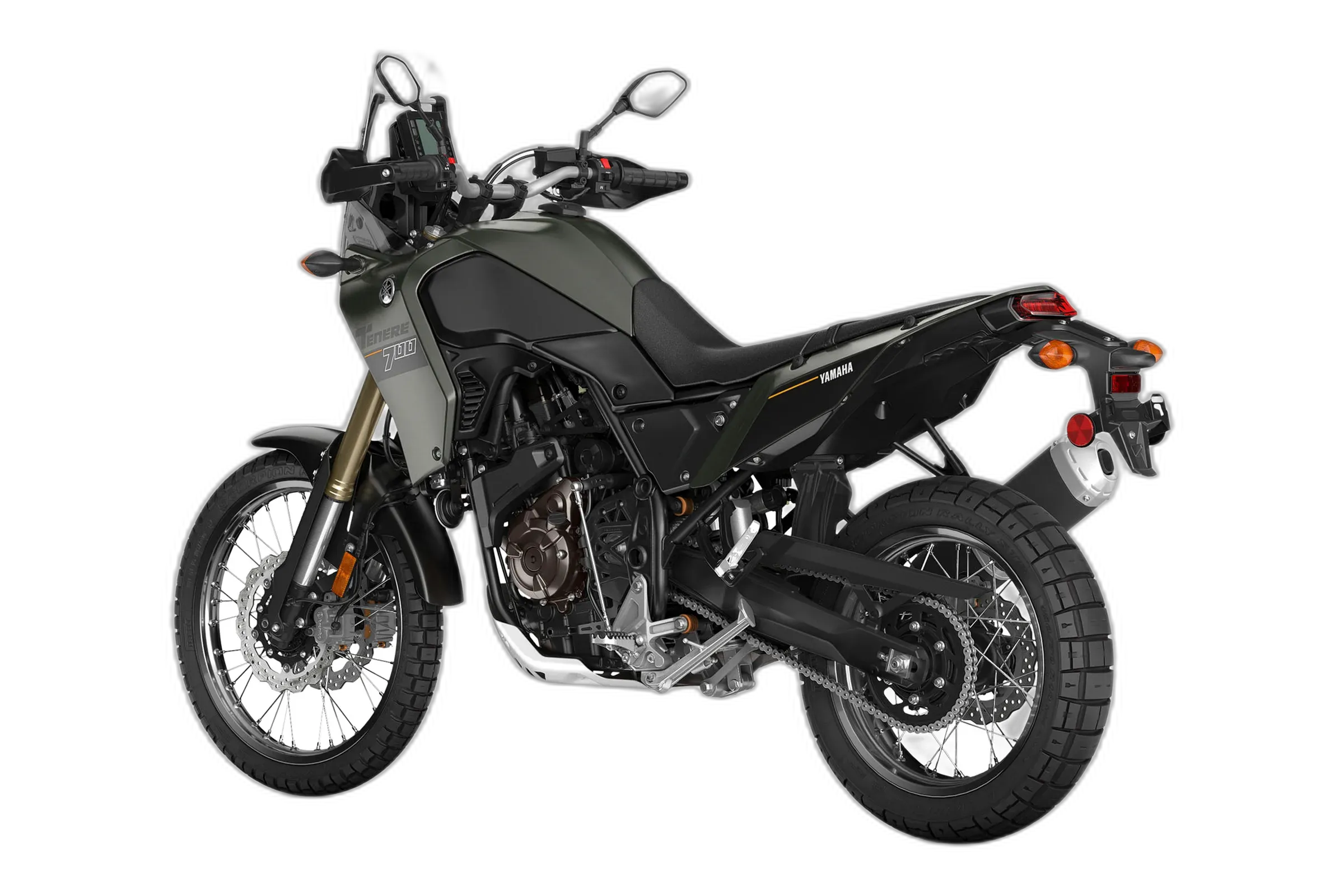
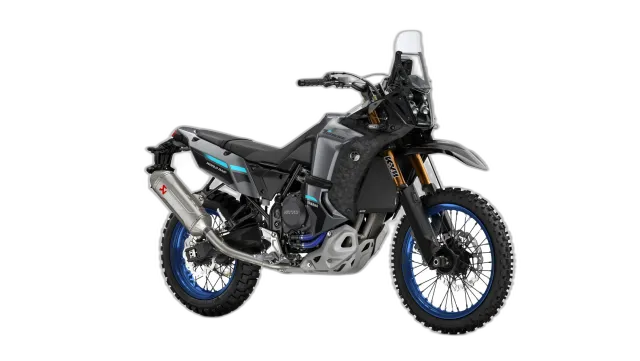
The Ténéré 700 is built around Yamaha's CP2 platform, a 689cc parallel twin making 73 hp and 50 lb-ft, hung in a steel tube frame with a 21-inch front wheel and long-travel suspension. This DM07B keeps the formula deliberately lean while running a TFT display, switchable ABS, and full LED lighting, without sanding off the no-frills, off-road focus. Nothing here chases the heavy touring crowd. The seat sits tall and the riding position feels commanding, the chassis behaves like a genuine big enduro rather than a loaded adventure barge, and the whole machine is shaped around going where the pavement stops.

On the road it's honest and unintimidating, and the reliability is the kind riders actually lean on for remote travel; the build quality holds up and the reputation reads as earned, not borrowed. This is a bike for the rider who points at dirt roads and backcountry routes on purpose, who values capability and trust over outright comfort. Be clear about the trade. Wind protection is thin at highway speed, the stock seat wears on you over long days, and the front brake doesn't match the rest of the machine. Accept those and you have one of the most capable middleweight tools for leaving the map behind.

Hard Numbers

Spec sheets don't ride bikes, but they set the baseline.

Show full specs & equipment Hide specs & equipment
Key specifications
Power 73 hp (54 kW) @ 9,000 rpm
Torque 50 lb-ft (68 Nm) @ 6,500 rpm
Displacement 689 cc
Engine Parallel twin
Bore × stroke 80 × 68.6 mm
Compression 11.5:1
Cooling Liquid-cooled
Fuel system Fuel injection
Gearbox 6-speed
Final drive Chain
Frame Steel tube
Fork Upside-down (USD)
Front brake 282 mm
Rear brake 245 mm
Front tire 90/90-21
Rear tire 150/70-18
Wheelbase 62.8 in (1595 mm)
Ground clearance 9.4 in (240 mm)
Front travel 8.3 in (210 mm)
Rear travel 7.9 in (200 mm)
Seat height 34.4 in (875 mm)
Wet weight 452 lb (205 kg)
Fuel capacity 4.2 gal (16 L)

Equipment check

Chassis

  • Front Suspension Adjustable Standard
  • Rear Suspension Adjustable Standard

Comfort

  • Heated Grips Optional

Connectivity

  • TFT Display Standard

Lighting

  • LED Headlight Standard

Safety

  • ABS Standard

The Voice of Experience

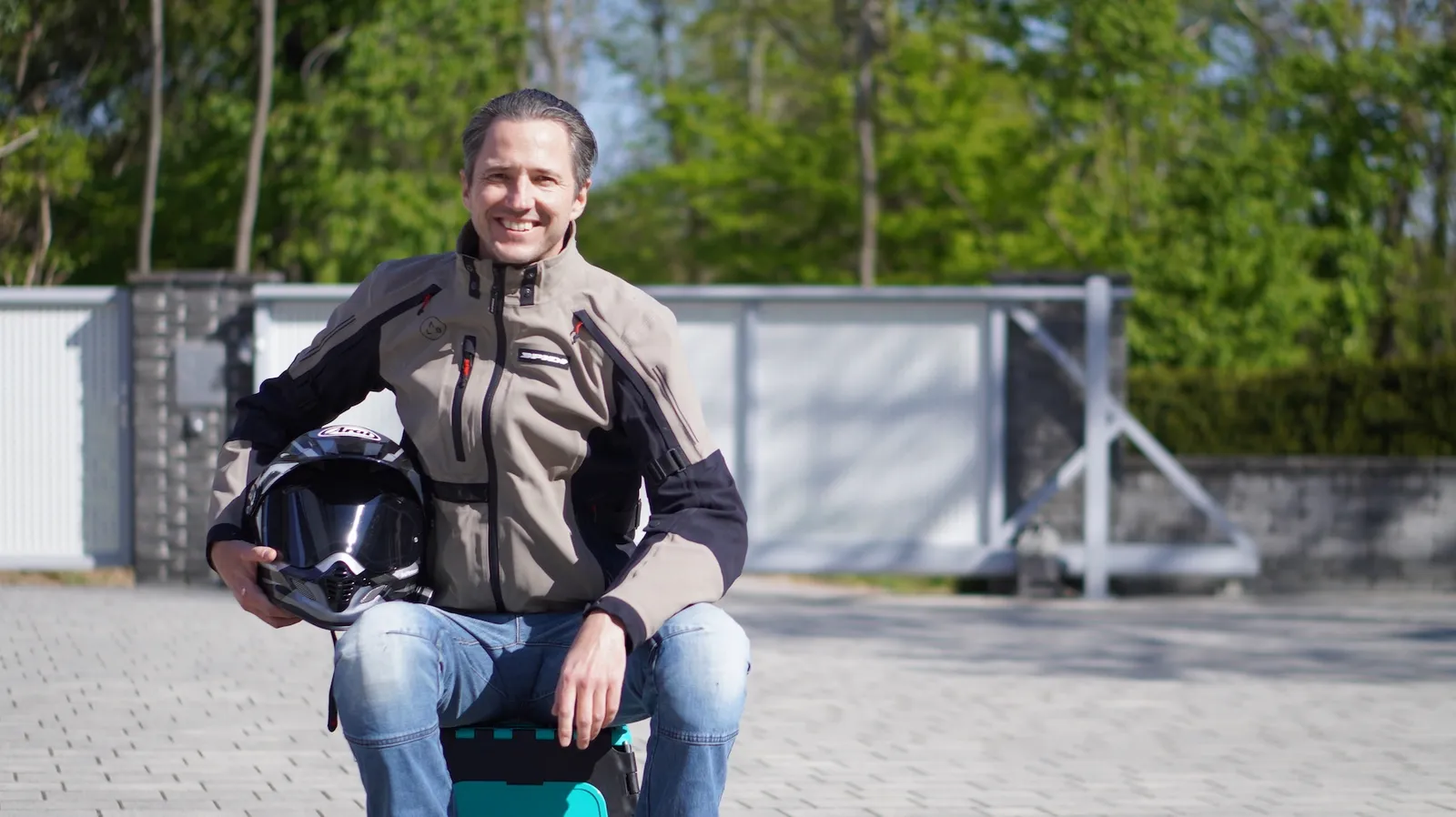
Portrait of NastyNils

The test ride

Swing a leg over and the tall seat and wide bars put you in a stance that begs to be ridden standing. At a steady cruise the parallel twin thrums with a low, even beat you feel through the pegs more than it tires you. The screen does little once speeds climb, so your shoulders and helmet sit straight in the blast, and the upright posture that feels so natural on a trail leaves you exposed on the slab. Thumb around the switchgear and the small rotary dial grates from the first menu; after dark, with no backlighting, you're working by memory. Then the asphalt turns to gravel and everything clicks. The bike loosens up, the front wheel skips lightly over the loose stuff, and you stop thinking about the controls and start grinning.

Rated point by point — where it earns its keep

My own 0–100 score for this bike against the class, area by area — the marker on each bar is the class average.

What sets this chassis apart from the rest of the field is how much adjustment you actually get. Both ends are fully adjustable and rated above the class, so if you're the kind of rider who dials in a setup rather than living with whatever rolled off the line, there's genuine range to work with. Stock, it already drops into a tight corner with an easy, settled confidence and no nervous edge. Spend an afternoon on the clickers and it pays back the effort.

This is the quality that keeps the rest of the bike's compromises in perspective. The build feels properly screwed together, and the Tenere carries the kind of reputation riders stake a remote trip on, not because a brochure told them to but because the machine keeps showing up. Nothing in my time on it gave me a reason to second-guess that. When you're a long way from help, that steadiness counts for more than any single number on a spec sheet.

On a short loop the Tenere never gave me trouble, but stretch the day out and the stock saddle starts asking questions you can't ignore. Speed makes the exposure worse. The little screen pushes almost nothing aside, so at highway pace the air piles into my shoulders and arms, and even my legs and feet sit out in the open with nothing to tuck behind. The cockpit doesn't lift the mood. That handlebar dial wore on me, the switch quality feels cut-rate next to the rest of the group, and the menu logic fights you even when the buttons cooperate, so prying anything useful out of the thin electronics takes more patience than it should. After sunset you're left feeling for the right button in the dark, since none of them light up. Comfort is plainly the last thing this bike spends its budget on.

Every test session had one stretch I kept chasing, and it was always the loose stuff. On gravel the Tenere turns into a different animal. Where the other bikes in the group felt like they were putting up with the surface, this one acted like it had finally been handed the job it was built for. There's a real, physical sense of being on exactly the right machine in exactly the right place, and it lands the moment the asphalt gives way under you.

This is the weak link, no way around it. Grab the front lever and the first part of the travel feels soft and uncommunicative, so you're never quite sure how much bite you've actually asked for. Outright stopping power sits at middling on top of that. Everywhere else the Tenere holds up its end of the bargain; here it plainly doesn't, and the shortfall is wide enough that I noticed it every time I reached for the brake.

The spec sheet undersells what's happening down low. There's honest pull off the bottom and a meaty middle that lets you hold a gear and keep flowing where a lazier motor would have you stabbing at the lever. My one real gripe sits at the very first crack of throttle, where a patch of slack and an abrupt handoff make slow, technical going clumsier than it ought to be. In tight off-road work, that's the wrong trait to live with.

The Tenere keeps its electronics deliberately thin, and that's a fair trade right up until the weather turns. There's no traction control and no slipper clutch on board. Ride dry dirt and I honestly didn't miss either of them. But run it through a wet, mixed-terrain day alongside machines that carry both, and the absent kit stops reading as a footnote. The gap is real, and it surfaces exactly when conditions get greasy and you'd most want the safety net.

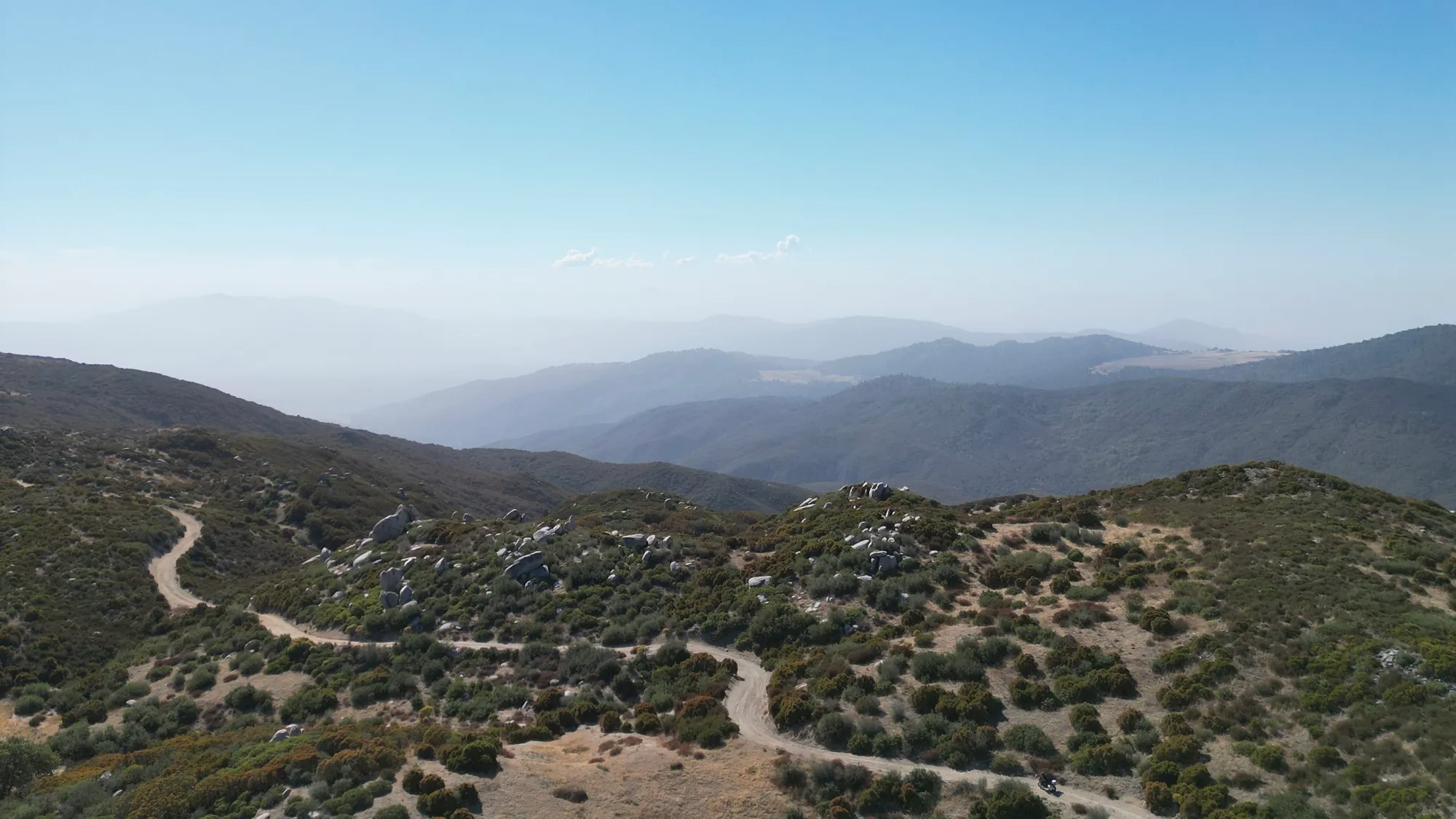
Aerial drone view of Palomar Divide Road winding through chaparral-covered mountain ridges in San Diego County. Multiple S-curve sections descend through sparse vegetation with distant valley views visible in the haze. Gravel and packed-earth surface.

The Truth on the Street

Known issues

  • Clutch dragging and sticking (recall)

    drivetraincommonRecall

    Yamaha issued a recall for 2023–2024 models to replace clutch steel and friction discs. Owners reported clutch drag, difficulty shifting to neutral when hot, and in severe cases, unintentional creeping with the clutch lever pulled in. A full clutch kit replacement with specific assembly procedures resolves the issue.

The Expert Benchmark

Where this Yamaha Tenere 700 pulls ahead of — or falls behind — its rivals on the numbers, and the typical bike in its class on character.

What kind of bike this is — character vs. the class

This bike Class average

The shape of the Yamaha Tenere 700 — numbers and character vs. the average Adventure

Head-to-head: Yamaha Tenere 700 vs. its rivals

The Long-Haul Verdict

Forget spec-sheet bragging. Here's who the Tenere 700 is actually built for.

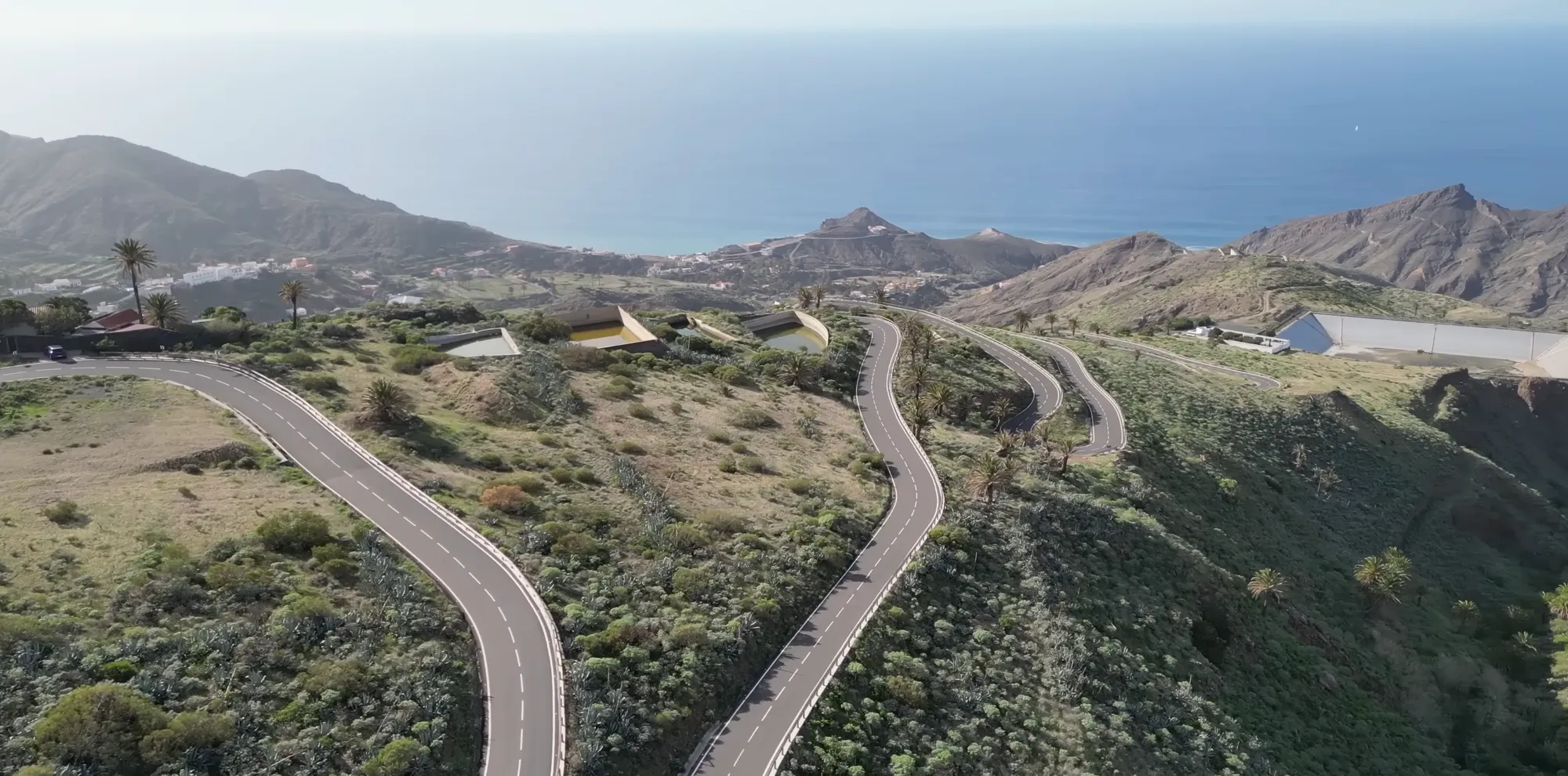
Aerial view of a winding asphalt road cutting through volcanic terrain on La Gomera, Canary Islands. The road curves through sparse green vegetation with rocky volcanic peaks visible in the background and a settled valley to the left. Clear lane markings, dry climate, partly cloudy sky.

Best motorcycle for Moab?

If Moab slickrock and sand day-trips are your thing, this is squarely your bike. It's light, composed, and the best off-road in its class, so technical sections reward your skill instead of fighting you.

Made for Bar M / Kane Creek · Imperial Sand Dunes · Johnson Valley OHV Area
Best motorcycle for BDR routes?

For real BDR routes and multi-day backcountry logistics, the Ténéré gives you the capability and trust you're planning around. Just budget for a better seat and accept the thin wind protection on highway transits.

Made for AZBDR — Arizona Backcountry Discovery Route · California BDR South · COBDR — Colorado Backcountry Discovery Route

Best motorcycle for Highway 1?

You want comfort and long twisty days, and here's the honest catch: the stock seat and minimal wind protection wear on you. It carves a backroad happily, but as a pure mile-eater it asks for compromises.

Made for Black Hills · Blue Ridge Parkway · Cherohala Skyway

What's new versus the previous generation

If you're cross-shopping the older generation, here's what changed.

Yamaha Tenere 700 (DM07)

Previous generation · 2019–2022

Yamaha Tenere 700 (DM07)

Stripped Down, Dirt Ready

Compare to the previous model →

Alternatives to the Yamaha Tenere 700

If this one isn't quite the fit, these are the bikes worth riding back-to-back against it.

Any price note compares both bikes at the same age — the youngest age both have on the used market — against this Yamaha Tenere 700. “cheaper/pricier” is what that bike costs second-hand, not how worn it is.