
Suzuki V-Strom 800 DE (MY2023) — Adventure
NastyNils / Suzuki press archive

2023 · Adventure · Buyer's Guide

V-Strom 800 DE (MY2023)

Steady Hands, All Day

The Machine's Character

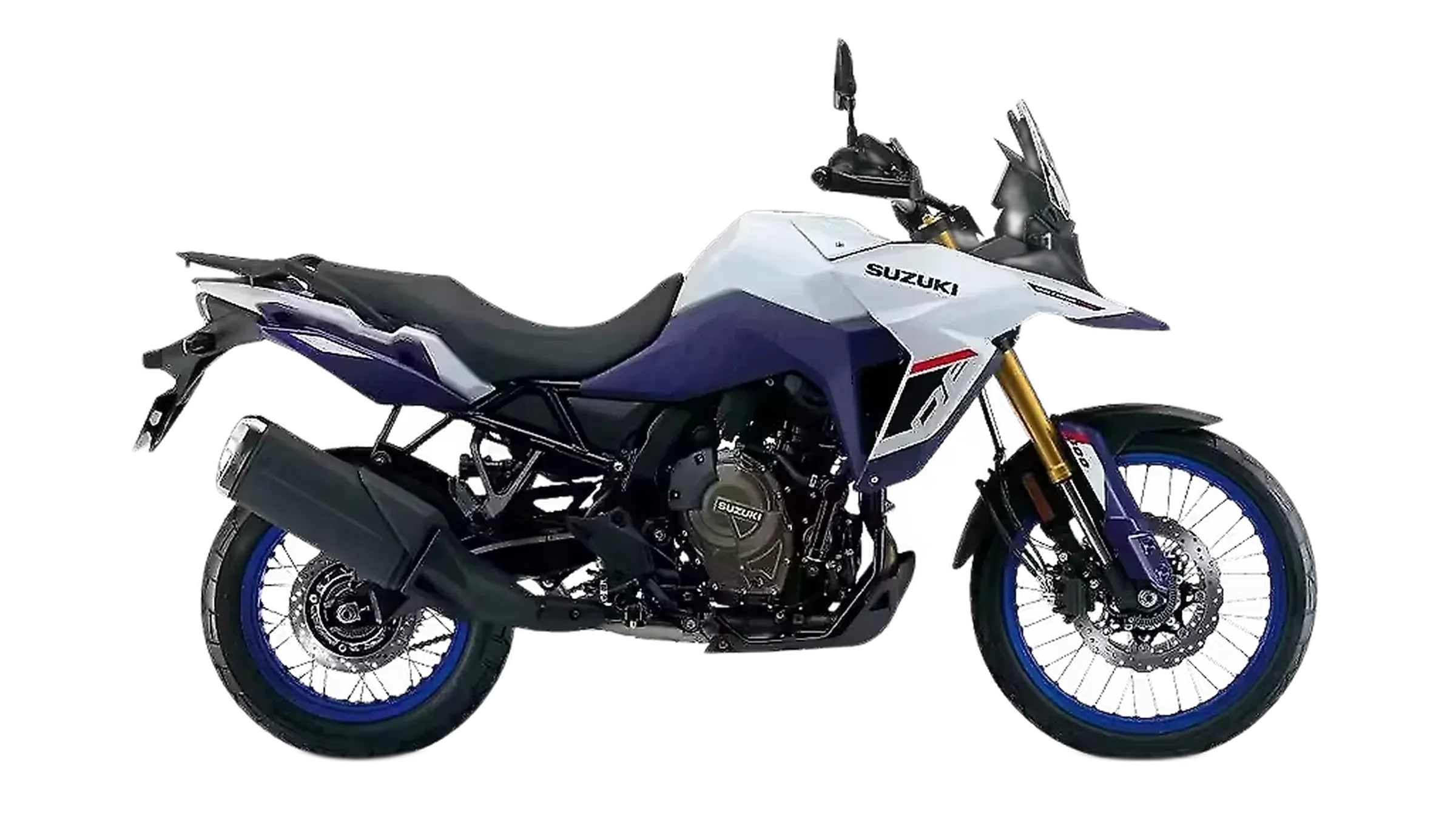
The V-Strom 800 DE runs an all-new 776 cc parallel twin built around a 270-degree crank and Suzuki's Cross Balancer, and the result is a pulse that reads far more like a V-twin than a typical parallel twin. It makes 84 hp and 58 lb-ft, both delivered with a friendly, forgiving spread that keeps real-world riding easy. A 21-inch front wheel, 8.7 inches of travel at both ends, and standard ABS, traction control, and ride modes put it squarely in genuine mid-weight adventure territory, not the road-biased soft-roader camp. Suzuki built this one to earn its keep through actual riding.

On the road it behaves the way a good Suzuki should: composed, planted, and unintimidating whether you're loaded for a long trip or working a set of curves. Reliability is its strongest suit and the running costs stay sensible, so this is a machine built to rack up years and miles without drama. It fits the rider who wants a dependable travel partner more than a spec-sheet trophy. The honest caveat is fuel range. Real-world consumption runs above the class average, so the 5.3-gallon tank empties sooner than that capacity promises.

Hard Numbers

Spec sheets don't ride bikes, but they set the baseline.

Show full specs & equipment Hide specs & equipment
Key specifications
Power 84 hp (62 kW) @ 8,500 rpm
Torque 58 lb-ft (78 Nm) @ 6,800 rpm
Displacement 776 cc
Engine Parallel twin
Cooling Liquid-cooled
Gearbox 6-speed
Final drive Chain
Fork Upside-down (USD)
Front brake 310 mm
Front tire Dunlop Trailmax Mixtour 90/90-21 M/C 54H
Rear tire Dunlop Trailmax Mixtour 150/70R17 M/C 69H
Wheelbase 61.8 in (1570 mm)
Ground clearance 8.7 in (220 mm)
Front travel 8.7 in (220 mm)
Rear travel 8.7 in (220 mm)
Seat height 33.7 in (855 mm)
Wet weight 507 lb (230 kg)
Fuel capacity 5.3 gal (20 L)
Fuel economy 53 mpg (US)

Equipment check

Chassis

  • Front Suspension Adjustable Standard
  • Rear Suspension Adjustable Standard

Comfort

  • Heated Grips Optional
  • Adjustable Windscreen Standard
  • Luggage System Optional

Connectivity

  • TFT Display Standard

Drivetrain

  • Quickshifter Suzuki Bi-directional Quick Shift System Clutchless ridingFull throttle upshift Standard
  • Slipper Clutch Standard

Lighting

  • LED Headlight Standard

Safety

  • ABS Standard
  • Traction Control Standard
  • Ride Modes Standard

The Voice of Experience

Portrait of NastyNils

The test ride

Swing a leg over and the ergonomics land right away. The seat is wide, well-shaped, and long enough to disappear under you for a full day, and taller riders in particular get a knee angle and reach that simply work. The switchgear feels solid and sits exactly where your thumbs expect it, though in low light you'll be hunting buttons by feel, because none of them are backlit. Hold a steady highway cruise and a buzz creeps into the pegs, bars, and mirrors around 5,000 to 5,500 rpm, the exact range you sit at on the interstate. The clutch asks for more hand force than you'd want on a long day of slow, technical work. Grab that wide enduro bar in tight switchbacks, though, and you get real leverage to muscle the bike around when the pace drops.

Rated point by point — where it earns its keep

My own 0–100 score for this bike against the class, area by area — the marker on each bar is the class average.

My one real knock lands at the pump. Measured across the test, consumption sat noticeably above the class average, and that number does more to shape ownership than anything else here. The tank holds plenty, yet because the engine asks for more fuel than its rivals, the real distance I get between fills comes up short of what that capacity promises. On a bike built to cover long ground year after year, it's the one habit worth budgeting your route around.

The front brake is all about control rather than shock. Squeeze it and the power comes up in a smooth, building arc instead of snatching at the top, so I always know what I'm getting from the lever. That predictability is what lets me carry speed later and move my braking point deeper into a turn without upsetting the chassis, and stay calm while I'm doing it.

The seat is the piece I keep coming back to. It's broad and shaped right, with enough length that I can move around over a long day without ever feeling parked in one spot, and the reach to the bars and pegs suits a taller frame cleanly. The switchgear backs that up, solid under the thumb and laid out so I never once fumbled for a control on the first ride. Where it asks patience is coverage above the chest: my legs and torso stay out of the blast, but the screen leaves a tall helmet sitting in clean air, and since adjusting it means digging out a tool, I set it once and left it. After dark the unlit switches have me working from memory. My other honest gripe is the clutch, which pulls harder than this class ought to, with no reach adjustment for smaller hands when the slow, technical work stacks up.

Stability is the headline. Aim it into a quick bend, sit it on a long straight, or haul it down hard from speed, and it stays composed through all of it, which is why it drew such strong marks when a group of us swapped between bikes back to back. The flip side is that something this settled won't fall into slow corners on its own, and I feel that when the road knots up. The broad enduro bar is the fix, handing me leverage for switchbacks and enough feedback to stay ahead of it through quick side-to-side transitions. The suspension helps the cause, soft and forgiving from the first mile, with adjusters that give clear feedback and cover a wide, usable range whether I'm packed for a trip or pressing on. My one reservation is the rider aids. With no lean-angle sensor, the traction control and ABS can't fully read what's happening mid-corner, so the fine, lean-specific calibration just isn't on the table.

What sells me on this twin is how early it starts working. Roll it open from almost nothing and there's usable drive on tap, no waiting for a powerband to show up, and that willingness holds steady wherever I sit in the revs. The ride modes earn their place too: the top setting answers sharp and direct, while the two calmer ones back the response off far enough that I trust them in rain or a stop-and-go crawl. That's a real, useful spread, not window dressing. Close the throttle and it stays composed, no jerk or snatch through the driveline, which is exactly what I want when the ground turns loose or the line gets slow and fiddly. The one honest ceiling is up high. Ask for everything near the top and the motor simply tapers off, with nothing extra waiting there, so I short-shift and live in the meat of it.

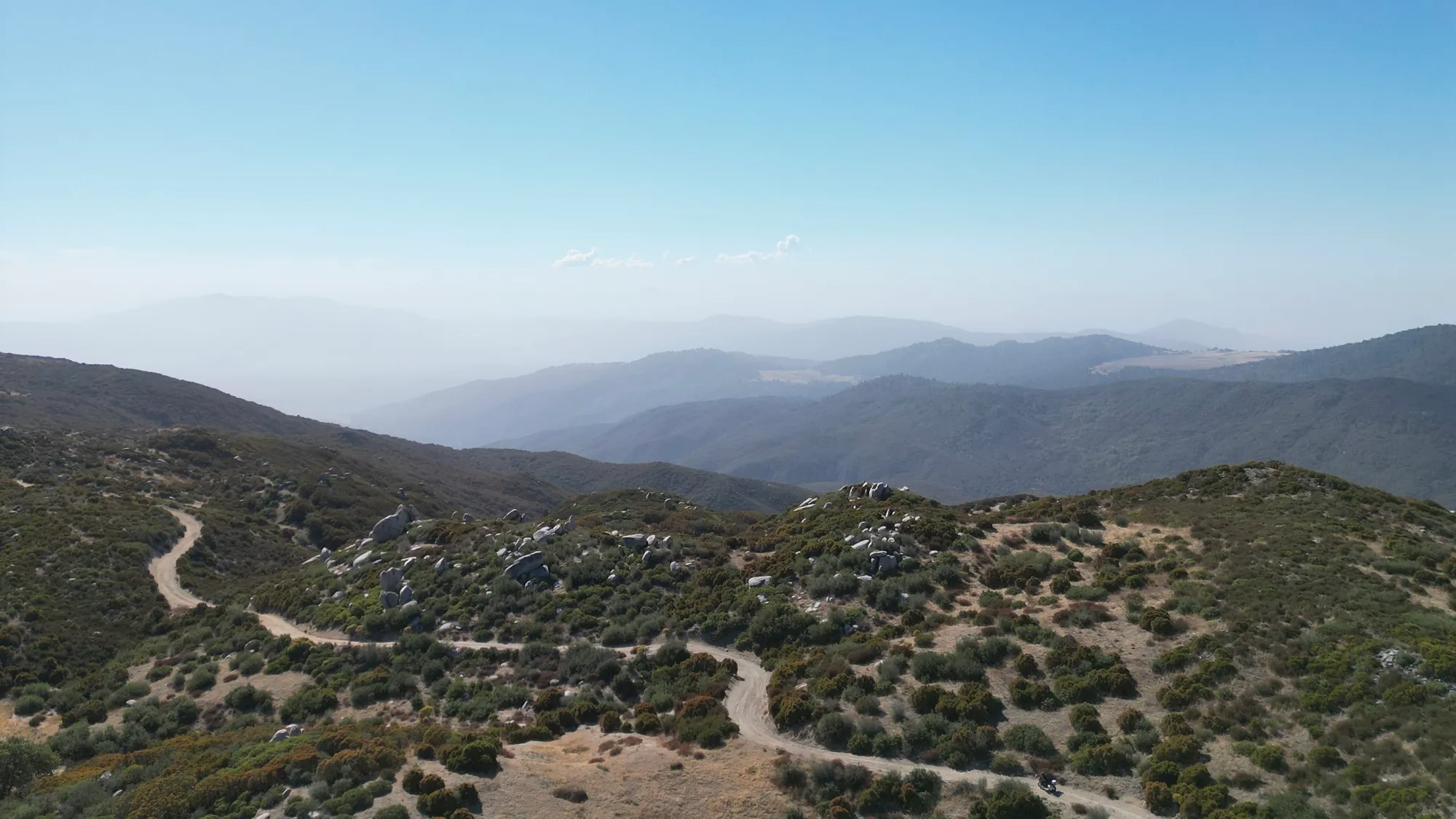
Aerial drone view of Palomar Divide Road winding through chaparral-covered mountain ridges in San Diego County. Multiple S-curve sections descend through sparse vegetation with distant valley views visible in the haze. Gravel and packed-earth surface.

The Truth on the Street

This isn't a page from my own riding notes. It's the read I've built up over years of listening to the people who actually own these bikes: what they trade back and forth in owner circles, what they tell me when we cross paths at a rally, and the reports and questions that keep filling my inbox. On the 800 DE that chorus is unusually consistent. The crowd sees a dependable, well-rounded machine, with a handful of pointed criticisms that never quite go away.

What Wins Owners Over

Ask owners what sells them and the engine comes up first, every time. They describe a torquey, V-twin-flavored delivery with a smooth midrange that never feels frantic, and it's the trait riders return to most. The chassis earns nearly as much respect. People talk about real mid-weight adventure geometry, a tall front wheel and honest suspension travel, that lets the bike work off pavement instead of just posing on it. Comfort is the third steady note: broad handlebars, a reachable perch, and a riding position that stays livable through a full day in the saddle. Underneath all of it sits the value argument. Riders keep pointing to how much capability the spec sheet packs for what they paid, from the electronics down to suspension they rate above the money, and a reputation for holding together that has them counting on years of untroubled travel.

The Gripes That Never Fade

The criticisms are just as consistent, and they're precise. Top of the list are the tube-type wheels at both ends, which turn a simple puncture into real work by the roadside, so many owners pay to run them tubeless. The headlight draws heavy fire too, described as a tight, low-throwing beam that leaves the shoulders of the road in shadow. On a tourer, the missing cruise control stings, and a thriving aftermarket in add-on kits tells you how much riders wish it were there. Fewer but still vocal are those who want the front brake to bite harder for how much bike it has to slow, along with owners who find the fitted rubber tuned more for tarmac than trail, capping the dirt traction the frame is otherwise happy to deliver.

Known issues

  • Rear tire tread cracking and separation — Dunlop Trailmax Mixtour

    chassisoccasional

    The Dunlop Trailmax Mixtour rear tire (150/70R17 M/C 69H, specification "B", manufactured by Sumitomo Rubber Industries) supplied as OEM equipment can develop tread cracking, deformation, and ultimately tread separation from the tire carcass. Risk: crash. Warning signs: increased rear-wheel vibration, visible tread cracking or deformation.

  • Stock LED headlight produces narrow beam pattern and is aimed too low

    electricsvery common

    The factory dual mono-focus LED projector produces an excessively narrow, highly focused beam with poor peripheral / roadside illumination. Two contributing factors documented: (a) the projector pattern itself is narrow by design, (b) factory aim is set low and benefits from a 10mm bolt adjustment behind the cowling. Owners report unsafe night-riding visibility at speed. Aftermarket auxiliary lights (Cyclops kits, Denali, etc.) are the de-facto fix.

  • Showa fork and shock tuned soft for road comfort — bottom on hard hits

    suspensionoccasional

    The fully-adjustable Showa fork (43 mm USD) and link-type shock are tuned plush for road comfort. Heavier riders (>~95 kg) and aggressive off-road riders report fork dive under hard braking, fork bottoming on big hits, and the rear shock bottoming out on jumps and G-outs at speed. Not a defect — a tuning choice. The fully adjustable hardware allows compensation; spring re-rating and damping changes are common owner modifications. Upshift Online: "*The rear shock will bottom out when the bike is jumped or run into a G-out at speed.*"

  • Hot air vented onto right leg when fan engages in slow / stationary traffic

    coolingoccasional

    When the radiator fan engages in slow or stationary hot traffic, hot air is vented from the right side of the fairing. Riders in hot climates report uncomfortable heat on the right leg and inner thigh. Cooling-system temperatures themselves remain within nominal range — this is a vent-routing ergonomic complaint, not a cooling fault.

  • Bidirectional quickshifter clunky / jerky at low RPM

    drivetraincommon

    The Suzuki BiQS bidirectional quickshifter operates smoothly above ~4,500 rpm but is harsh, jerky, and occasionally violent on 1→2 and 2→3 upshifts at low revs. Heavy throttle modulation dependency reported. The owner's manual explicitly states the QS is not designed to operate below approximately 2,000 rpm.

  • Persistent secondary vibration at ~5,000–5,500 rpm in footpegs, handlebars, mirrors

    enginecommon

    A distinct buzz at approximately 5,000–5,500 rpm — the rev range that corresponds to highway cruising in top gear (~70–78 mph / ~110–125 km/h indicated). Felt primarily through the footpegs, secondarily through the handlebars and mirrors. The same engine in the Suzuki GSX-8S is reportedly cleaner at these revs, suggesting the buzz is V-Strom-chassis-specific (mounting/frame harmonics) rather than engine-internal. Some owners report it diminishes after the first ~1,900 mi / ~3,000 km break-in.

  • Stock 3-step adjustable windscreen produces helmet buffeting

    bodyworkoccasional

    The stock manually-adjustable windscreen produces helmet buffeting for many rider heights. Both lower and taller aftermarket screens give mixed results — strongly rider-height-dependent.

The Expert Benchmark

Where this Suzuki V-Strom 800 DE pulls ahead of — or falls behind — its rivals on the numbers, and the typical bike in its class on character.

What kind of bike this is — character vs. the class

This bike Class average

The shape of the Suzuki V-Strom 800 DE — numbers and character vs. the average Adventure

Head-to-head: Suzuki V-Strom 800 DE vs. its rivals

The Long-Haul Verdict

Forget spec-sheet bragging. Here's who the V-Strom 800 DE is actually built for.

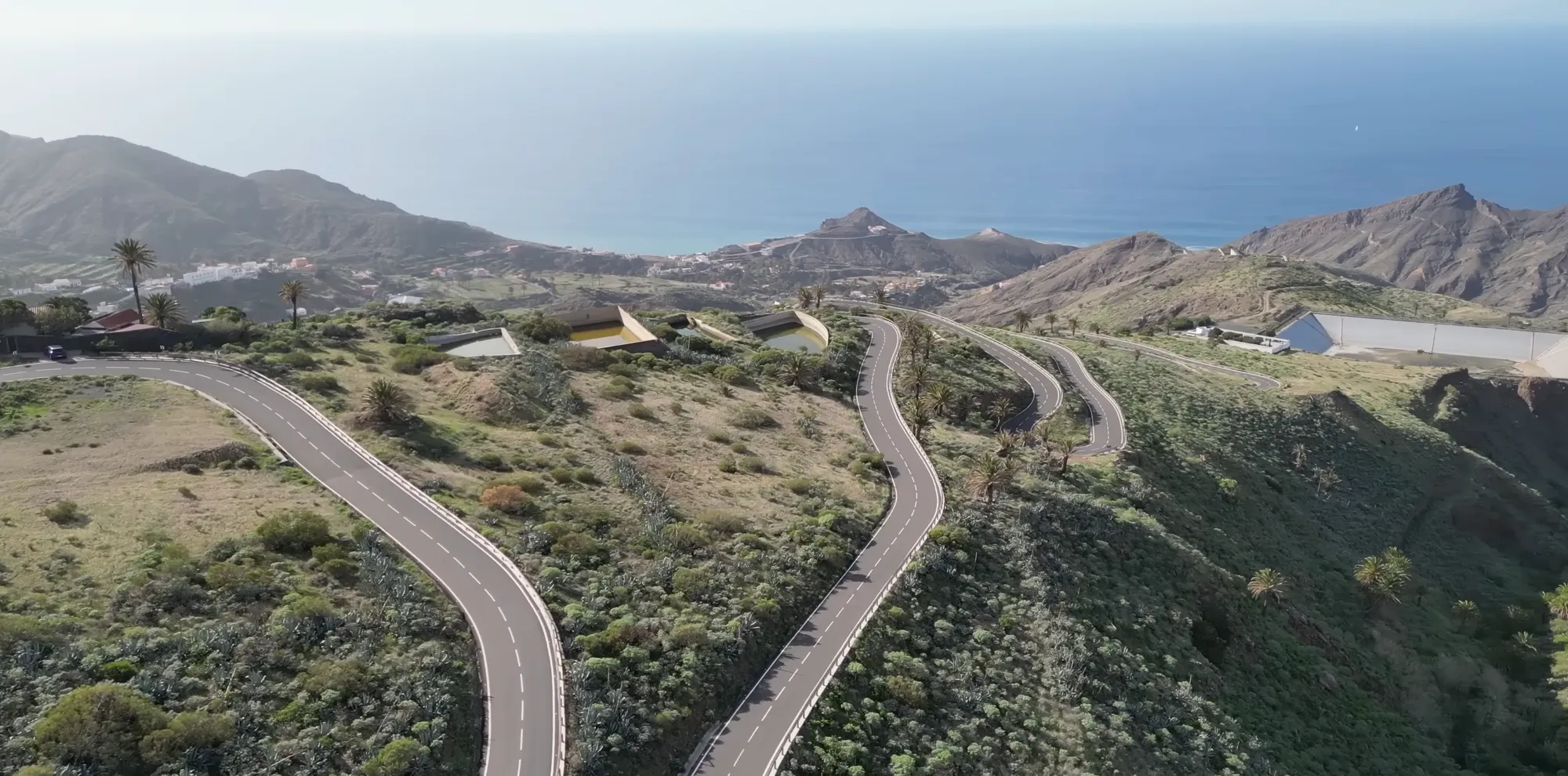
Aerial view of a winding asphalt road cutting through volcanic terrain on La Gomera, Canary Islands. The road curves through sparse green vegetation with rocky volcanic peaks visible in the background and a settled valley to the left. Clear lane markings, dry climate, partly cloudy sky.

Best motorcycle for Moab?

For slickrock and sand day-trips it has the 21-inch front and travel to play, plus the reliability to trust far from help. Push into truly hard technical lines and its weight and soft, road-tuned suspension start to show.

Made for Bar M / Kane Creek · Imperial Sand Dunes · Johnson Valley OHV Area
Best touring motorcycle for long distance?

This is where the V-Strom shines: a superb seat, rock-solid stability, and Suzuki reliability for coast-to-coast miles. Just plan your fuel stops a little closer, since real range trails what the tank implies.

Made for Beartooth Highway · Blue Ridge Parkway · Going-to-the-Sun Road

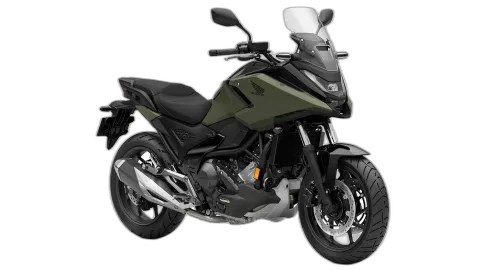
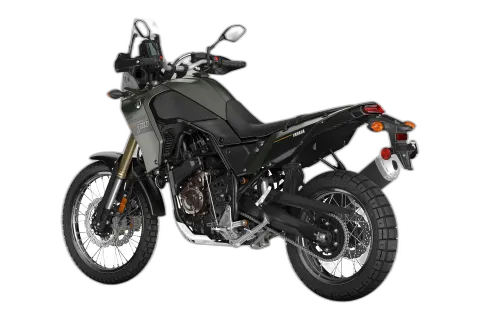
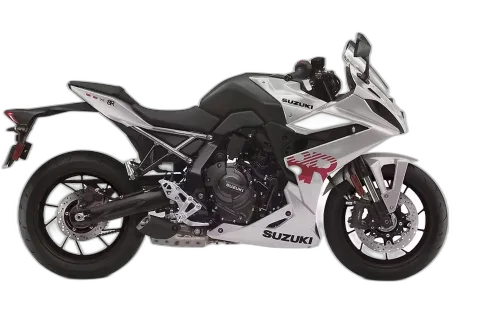
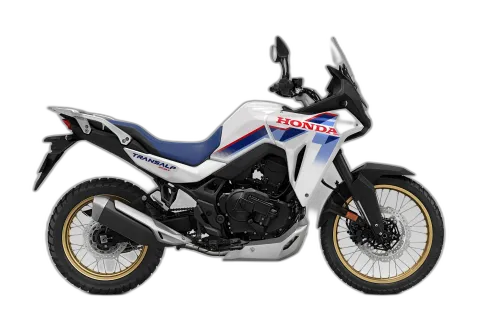
Alternatives to the Suzuki V-Strom 800 DE

If this one isn't quite the fit, these are the bikes worth riding back-to-back against it.

Any price note compares both bikes at the same age — the youngest age both have on the used market — against this Suzuki V-Strom 800 DE. “cheaper/pricier” is what that bike costs second-hand, not how worn it is.