
·

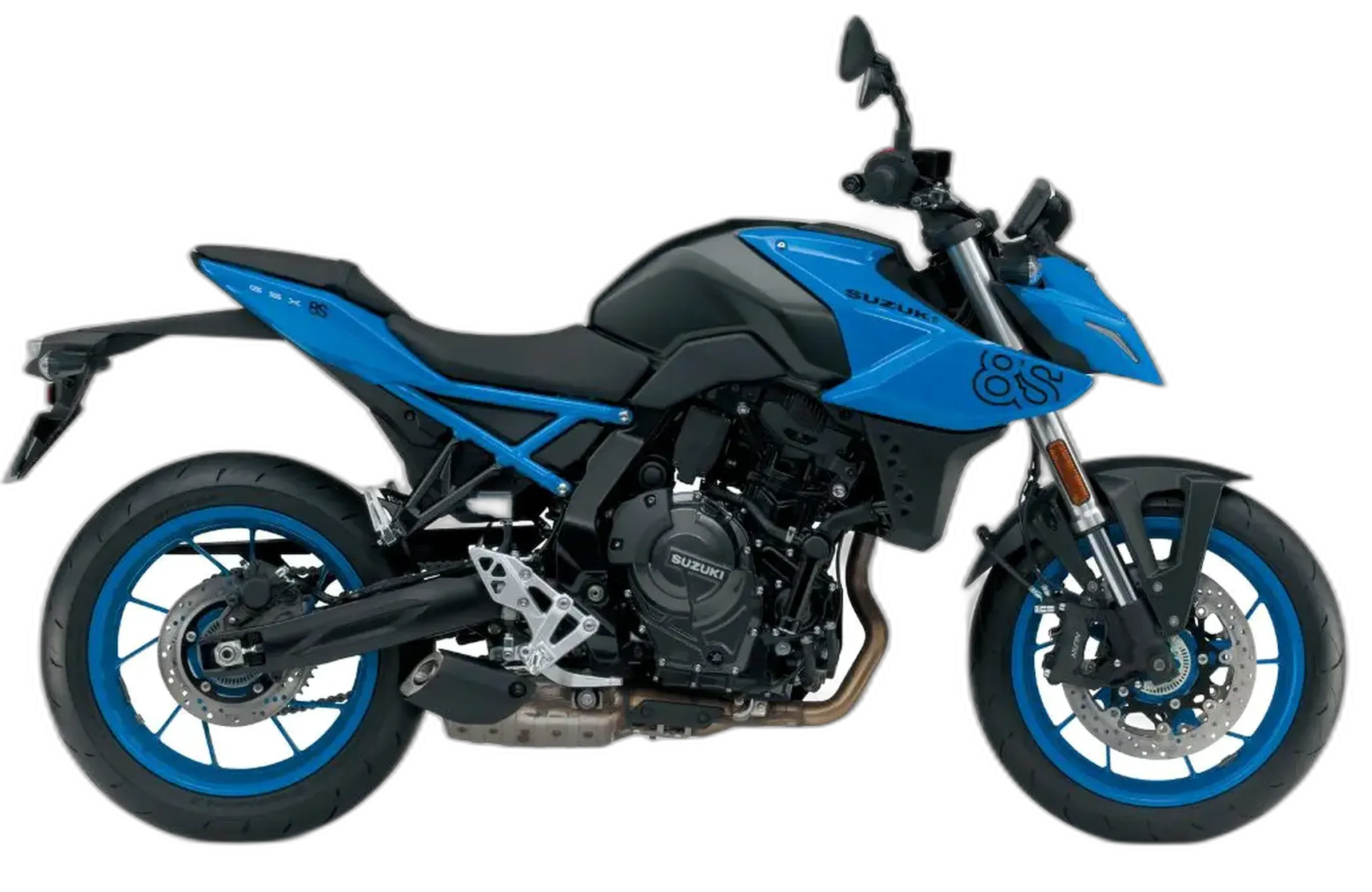
Suzuki GSX-8S (MY2023) — Naked Bike
NastyNils / Suzuki press archive

2023 · Naked Bike · Buyer's Guide

GSX-8S (MY2023)

Low-Rev Torque Done Right

The Machine's Character

The GSX-8S is built around a 776cc parallel twin that behaves nothing like its displacement suggests. It makes 83 hp and 58 lb-ft, but the figure that matters is how early the torque arrives: this motor pulls cleanly from low in the rev range and gives the bike the drive of something a size up. Suzuki's Cross Balancer keeps the whole thing mechanically composed, so it stays smooth and quiet where twins usually buzz. Add the Suzuki Drive Mode Selector (SDMS) and a bi-directional quickshifter, and you have a middleweight naked with genuine depth instead of showroom flash.

On the road it rides forgiving and stable, with a chassis that stays planted when you push and a reliability record among the best in the class. This is honest company for years, not just the first season. Who's it for? The rider who wants real-world substance over spectacle and doesn't need a screaming top end. The honest caveat is weight and a motor that doesn't reward winding it out. At 445 lb it sits heavier than most rivals in the segment, though that same mass buys real composure once the road opens up.

Hard Numbers

Spec sheets don't ride bikes, but they set the baseline.

Show full specs & equipment Hide specs & equipment
Key specifications
Power 83 hp (61 kW) @ 8,500 rpm
Torque 58 lb-ft (78 Nm) @ 6,800 rpm
Displacement 776 cc
Engine Parallel twin
Cooling Liquid-cooled
Gearbox 6-speed
Final drive Chain
Fork Upside-down (USD)
Front brake 310 mm
Front tire 120/70 ZR17 (M/C) tubeless
Rear tire 180/55 ZR17 (M/C) tubeless
Wheelbase 57.7 in (1465 mm)
Seat height 31.9 in (810 mm)
Wet weight 445 lb (202 kg)
Fuel capacity 3.7 gal (14 L)
Fuel economy 56 mpg (US)

Equipment check

Chassis

  • Rear Suspension Adjustable Standard

Connectivity

  • TFT Display Standard
  • USB Charging Port Optional

Drivetrain

  • Quickshifter Suzuki Bi-directional Quick Shift System Clutchless ridingFull throttle upshift Standard
  • Slipper Clutch Standard

Lighting

  • LED Headlight Standard

Safety

  • ABS Standard
  • Traction Control Standard
  • Ride Modes Suzuki Drive Mode Selector (SDMS) Standard

The Voice of Experience

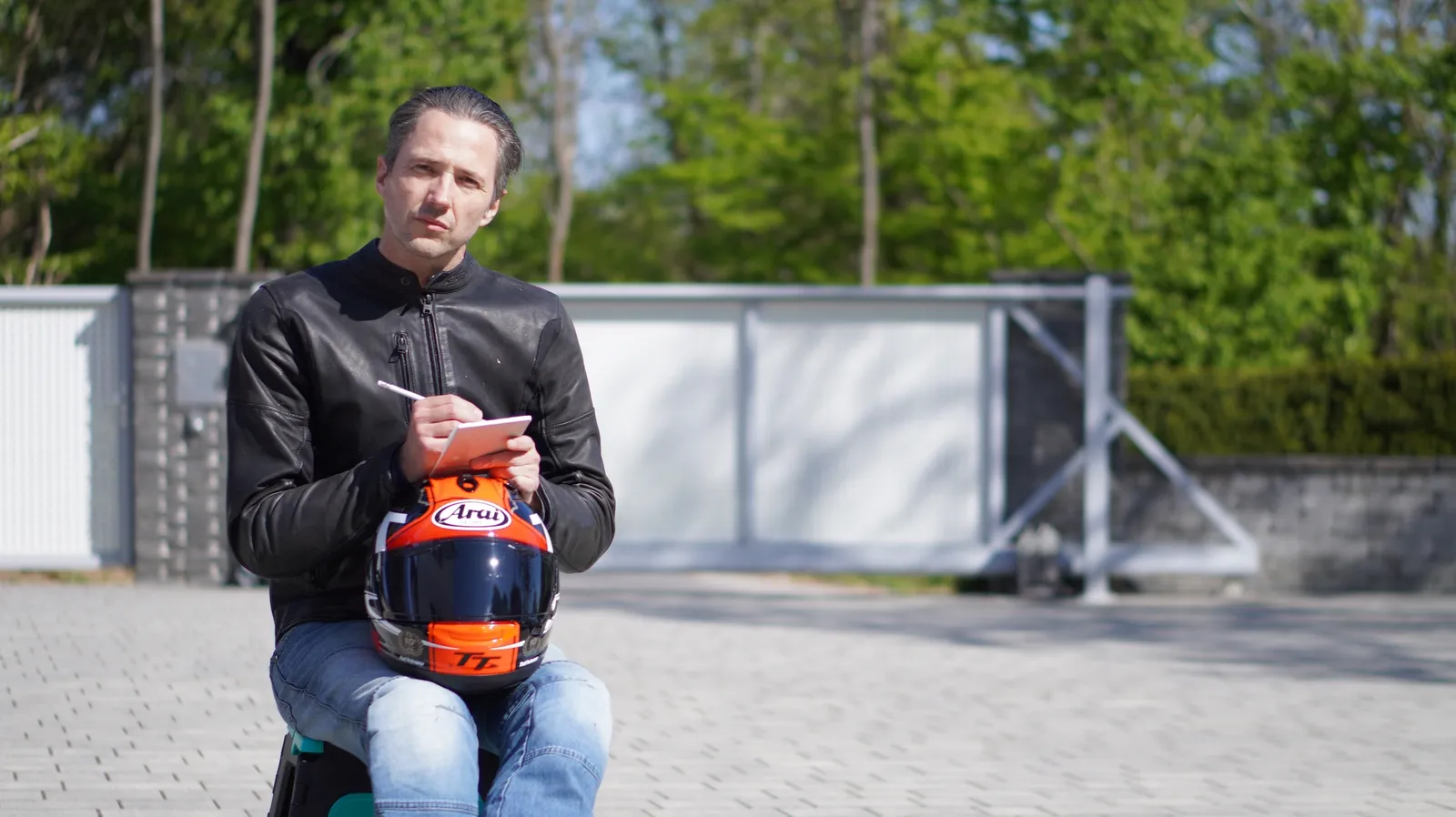
Portrait of NastyNils

The test ride

Swing a leg over and the cockpit feels sorted before you've turned a wheel. The switchgear is solid, the clutch pull is light with real feel through the stroke, and the TFT screen reads clean at a glance without making you hunt for information. The Cross Balancer earns its keep here: the mirrors stay clear and the bars stay calm where a lot of twins would leave your hands tingling. The seat is a proper one, better foam and shape than this segment usually bothers with, and it shows once you're an hour in. Roll up to a stoplight and you notice the 445 lb through the bars at crawling speed, so slow U-turns want a little planning. Get moving and that same weight settles into the road and quietly disappears.

Rated point by point — where it earns its keep

My own 0–100 score for this bike against the class, area by area — the marker on each bar is the class average.

What I kept noticing on the GSX-8S is how much information comes up through the front end. Load it into a corner and it stays talkative, so you always know the grip you're working on. Suzuki hands you rear preload and nothing else, yet I never wished for more range; the base tune reads a wide spread of roads and riding styles without ever feeling under-specified. There's a weight penalty to square away, and you feel it at low speed, but out on the open road that mass becomes the bike's biggest asset. It holds a steady, unflustered line at highway pace and lends real stability when you're hard on the brakes, the kind of composure lighter rivals give up as the pace climbs. That trade suited how I ride.

The front brake earns straightforward praise from me: strong, yet fitted with the kind of fine control that lets you dial in precisely the amount you're after, corner after corner, and it never goes wooden on you. The calibration I'd flag is the ABS. It's pitched cautiously and intervenes sooner than a hard-charging rider would choose. Newer hands get a genuine safety net from that; lean on it and you'll notice it stepping in before you actually want it.

Two things stand out once the miles pile up. The saddle is a cut above what this class usually settles for, shaped and padded well enough that a long day doesn't leave you shifting around looking for relief. And everything you touch sits exactly where your hands expect it, with switch quality that feels built to last. Nothing about operating the bike asks for a second thought, which frees you up to actually enjoy the ride.

The thing that defines this engine is where it makes its case. All the drive sits low and through the middle, which changes how you ride almost immediately: you short-shift, stay in the meaty part of the rev range, and let torque do the work instead of chasing the tach. It's also unusually refined for the price, turning over with a mechanical calm and quiet you rarely get at this displacement, and that polish is a big part of why the bike feels more substantial than its spec sheet. The catch is honest and easy to live with. There's nothing waiting at the top, so wringing it out just runs you into a wall of diminishing returns. Ride it the way it wants, low and rolling, and there's very little to fault.

Practicality comes down to one recurring quibble: the shift action. The quickshifter and an ordinary clutch-lever change both want more muscle than most bikes at this level ask for. You get used to it inside a ride and it never turns into a real obstacle. Still, on a machine this thoroughly sorted everywhere else, it's the one spot where the finish doesn't quite live up to the rest.

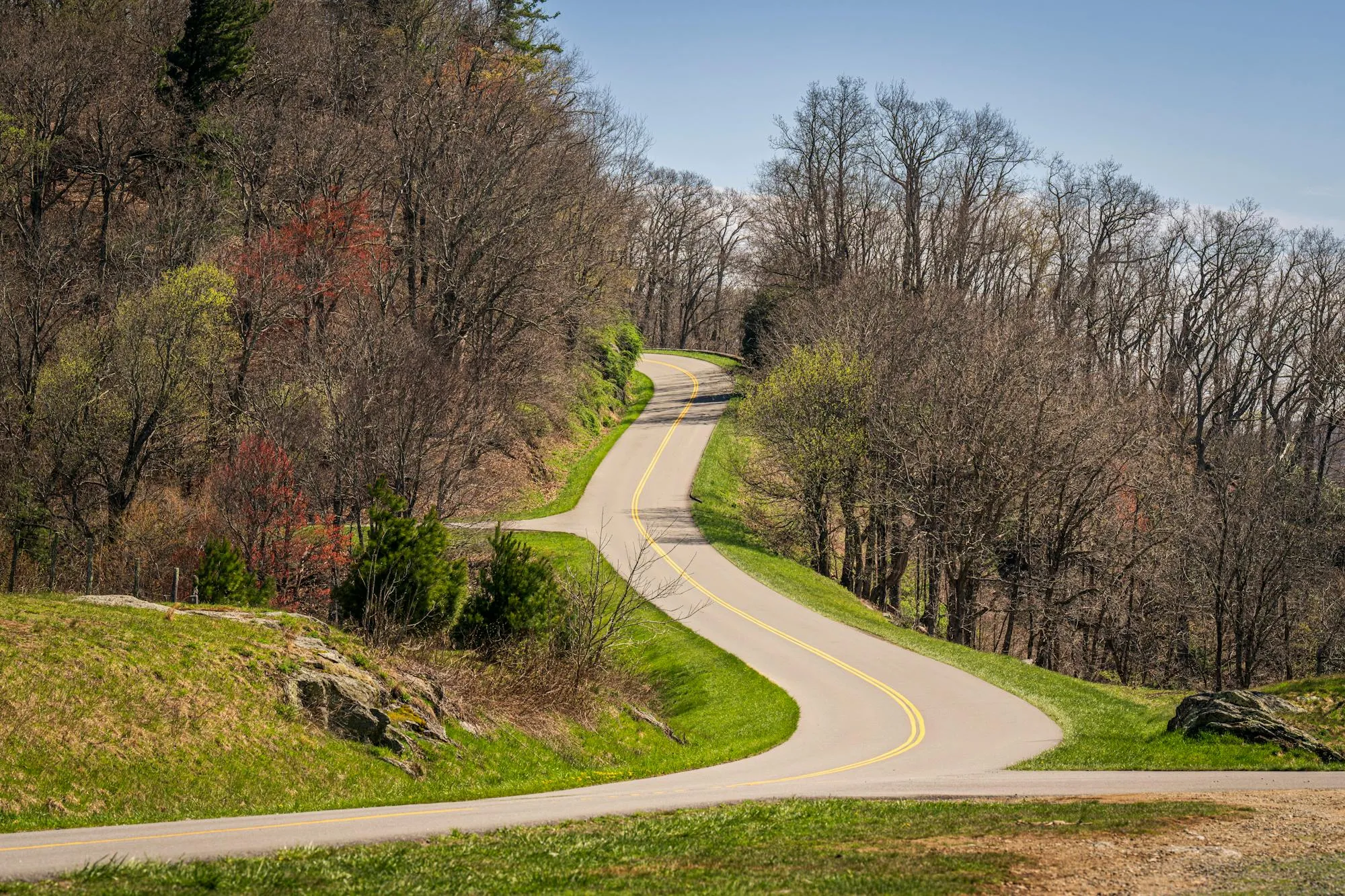
A winding asphalt road descending through the Appalachian Mountains, likely the famous Tail of the Dragon section in Tennessee and North Carolina. Multiple technical right-hand and left-hand curves are visible in this aerial perspective, surrounded by deciduous forest in spring foliage. Clear sunny conditions, well-maintained asphalt with yellow center lines marking the curves.
Mark Stebnicki / Pexels

The Truth on the Street

This part of the guide isn't my own test ride. It's the collective read from two decades of listening to riders: the long-running owner threads, the conversations that start up around a bike at events, and the messages and emails that reach me once someone has lived with one for a season. On the GSX-8S that feedback runs positive and consistent. Owners rate it for how it goes about its work, and the criticism collects around a few consumables and setup limits rather than anything fundamental.

What owners rate most

The engine leads nearly every conversation. Riders consistently describe strong, usable drive from low in the rev range, the sort of grunt that suits town work and everyday roads, and they credit the balancer with keeping things smooth where parallel twins usually buzz. The front brake earns steady approval close behind, with owners reporting no fade even after hard mountain use. The chassis draws the same warmth: forgiving and stable, reassuring for newer hands yet willing to be pushed. Durability comes up again and again. Owners run these into high mileage and report the bike simply holds together, real reassurance for a platform this new. The depth of standard electronics for the price and the bike's own visual signature fill out the goodwill.

Where the complaints collect

The suspension takes the most heat. On smooth tarmac riders have no quarrel, but the fork and shock get out of their depth once a backroad turns choppy. The adjustment range is the sticking point: rear preload is all you get, so lighter riders end up with a rear that feels too stiff and heavier ones with a fork that goes soft. Fitting a better fork is the fix owners reach for most. The stock tires are the next common note, reported to lose their rear profile sooner than riders bank on. A few also flag the absence of lean-sensitive rider aids as a limit on how far they can lean on the electronics. On longer rides the seat's thin padding starts to tell, and the passenger space gets described as tight.

Known issues

  • Bidirectional quickshifter clunky on downshifts and at low RPM

    drivetrainvery common

    The standard bidirectional quickshifter exhibits an awkward "clunk" on downshifts and lacks adequate auto-blip. Suzuki's manual states the quickshifter is not operable below 2,000 rpm; in practice, owners and dealers report consistent operation only above ≈3,000 rpm. At cruising RPM in higher gears, shifts can feel harsh. Manual clutch operation is markedly smoother for low-rev work.

  • "A" ride-mode throttle hyper-responsive at small throttle openings

    electricscommon

    In SDMS A (Active) mode, throttle response past approximately one-quarter turn is described as 1:1 / hyper-responsive, making low-speed and stop-and-go riding feel nervous. SDMS B mode is described as so progressive it feels "unenthusiastic." There is a perceived gap between A and B with no calibration in between; full-throttle behaviour is identical across modes, so the differentiation only matters at part-throttle.

  • Slight load-change jolt on throttle re-application after closed-throttle phase

    drivetrainoccasional

    A noticeable on/off transition jolt ("Lastwechselschlag") when re-applying throttle after a closed-throttle phase at low rpm. The issue appears early in the ownership cycle and persists with subsequent mileage. Related to ride-by-wire mapping plus deceleration fuel-cut behaviour.

  • TFT range predictor reads zero with measurable fuel still remaining

    electricsoccasional

    The TFT's distance-to-empty predictor drops to zero earlier than the tank actually empties; approximately 24 km / ≈14.93 mi of range remains when the readout displays zero. Not a defect — a calibration choice that errs conservative — but it makes long-distance range planning more pessimistic than the tank capacity warrants.

  • Black painted tank shows scratches and scuffs more readily than typical

    bodyworkcommon

    The black-tank colourway (and to a lesser extent the other finishes) is reported to scratch easily. Tank pads and protective films are commonly recommended.

The Expert Benchmark

Where this Suzuki GSX-8S pulls ahead of — or falls behind — its rivals on the numbers, and the typical bike in its class on character.

What kind of bike this is — character vs. the class

This bike Class average

The shape of the Suzuki GSX-8S — numbers and character vs. the average Naked Bike

Head-to-head: Suzuki GSX-8S vs. its rivals

The 'Should I Buy It?' Score

Forget spec-sheet bragging. Here's who the GSX-8S is actually built for.

A scenic view of Angeles Crest Highway winding through rugged Southern California canyon terrain. Rocky mountainsides with golden earth tones frame the asphalt road with tight sweeping curves. Double yellow center line visible, sparse vegetation along the shoulders, clear blue sky with white clouds. Daylight, dry conditions. Iconic location for canyon-road enthusiasts.
Josh Sorenson / Pexels

Best motorcycle for Bay Area?

Your commute-plus-Skyline weekend mix is exactly this bike's wheelhouse: light and easy in traffic, torquey and composed once the road turns. It looks the part at the meetup, too.

Made for Bay Area Ridge Roads · San Francisco / Bay Area · Skyline Boulevard / Alice's Restaurant
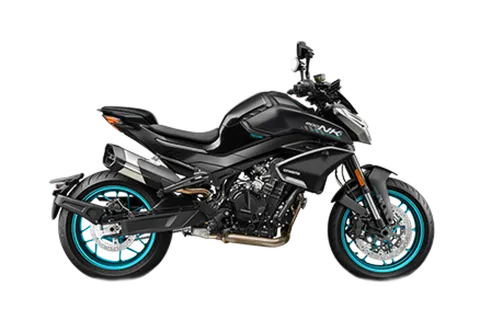
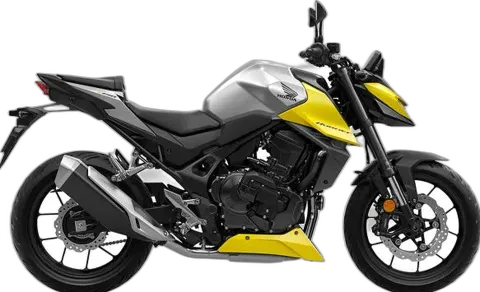
Best motorcycle for Tail of the Dragon?

Made for your Dragon and Blue Ridge runs. Accessible handling, a talkative front end, and lean clearance to spare let you work on your lines instead of fighting the bike, and its low-end drive suits skill over speed.

Made for Back of the Dragon · Blue Ridge Parkway · Cherohala Skyway

Best motorcycle for Angeles Crest?

It'll hang with you through Angeles Crest, planted and precise, with brakes you can trust. Just know the traction control can't read lean angle and the motor has no top-end rush, so your hardest exits find its edges.

Made for Angeles Crest Highway · Coronado Trail / US 191 · Highway 1 / Big Sur

Alternatives to the Suzuki GSX-8S

If this one isn't quite the fit, these are the bikes worth riding back-to-back against it.

Any price note compares both bikes at the same age — the youngest age both have on the used market — against this Suzuki GSX-8S. “cheaper/pricier” is what that bike costs second-hand, not how worn it is.