Honda XL750 Transalp (RD16) — Adventure
NastyNils / Honda Press

2022–2024 · Adventure · Buyer's Guide

XL750 Transalp (RD16)

The Middleweight That Disappears Under You

The Machine's Character

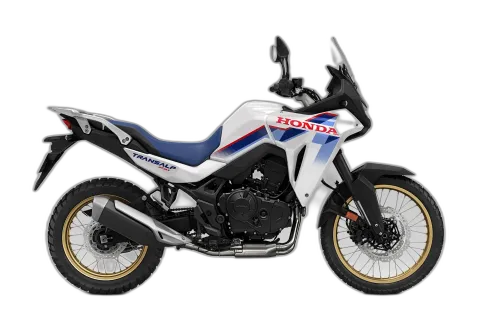
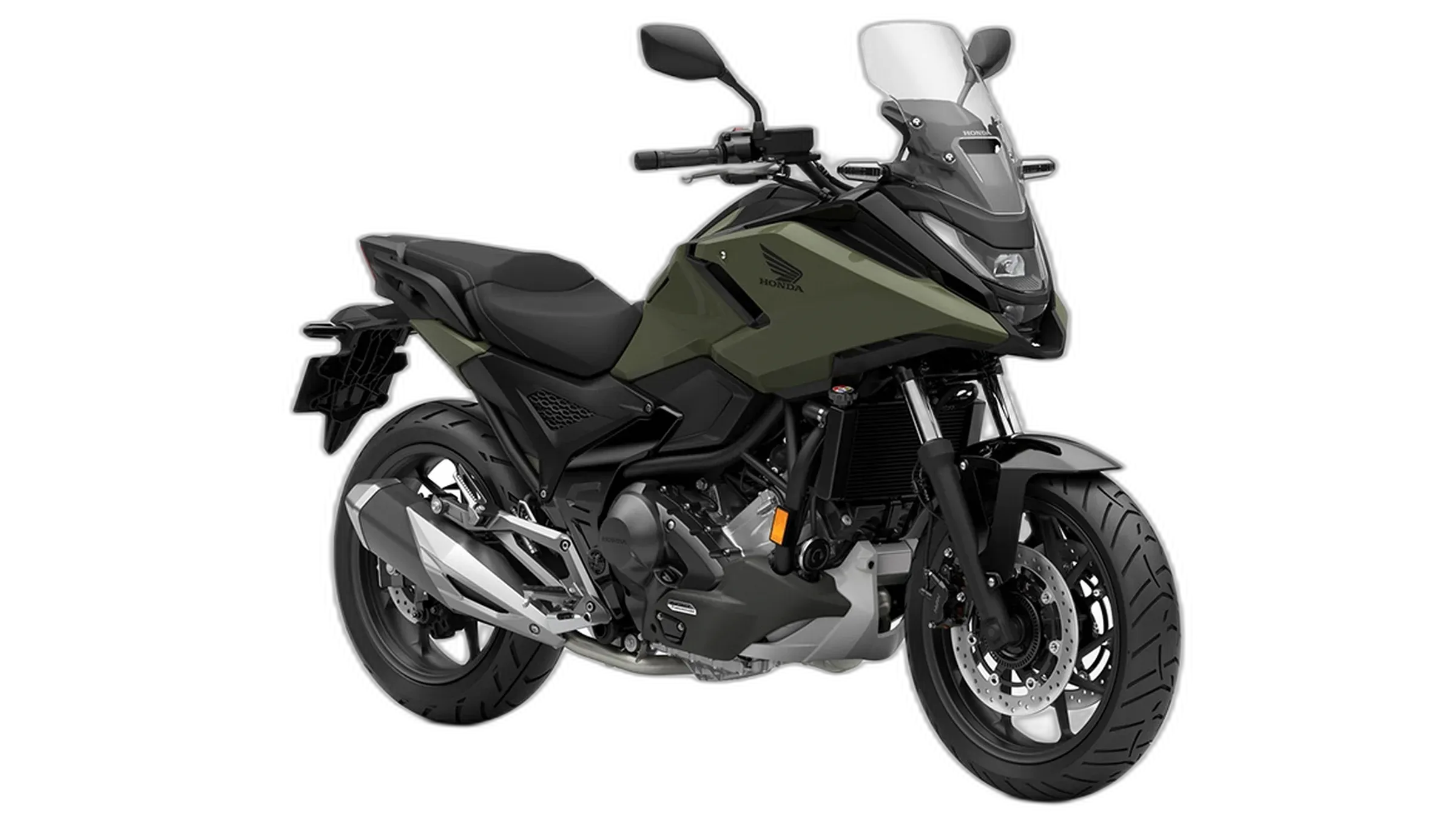
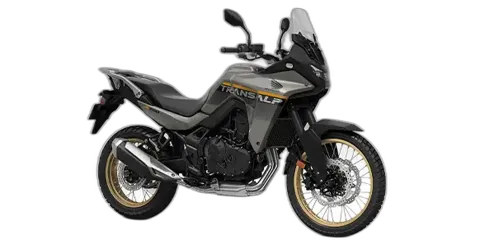
The XL750 Transalp revives a dormant Honda name around an all-new 755 cc parallel twin, a 270-degree unit that shares its core architecture with the CB750 Hornet. It makes 92 hp at 9,500 rpm and 55 lb-ft at 7,250 rpm, and the character is genuinely rev-happy: willing at the top, yet with enough midrange to crawl through a mountain village unfussed. A steel diamond frame and aluminum swingarm carry a real 21-inch front and 18-inch rear, with 7.9 in (200 mm) of front travel and 8.3 in (210 mm) of ground clearance. This is Honda chasing honest dirt ability without the bulk or cost of its bigger adventure machine.

It rides like a bike that never announces its weight. At 459 lb (208 kg) wet it feels a class smaller in tight going, and the soft, comfort-biased suspension builds trust by refusing to catch you out. That same softness sets the ceiling: push into genuinely rough terrain, or ride hard and repeatedly on the road, and the chassis runs short of reserves. It suits the rider who wants a dependable partner for long days, mixed pavement, and mild trails, someone who values easy competence over a hard edge. Ask it to be a serious off-roader and you'll meet the limit quickly.

Hard Numbers

Spec sheets don't ride bikes, but they set the baseline.

Show full specs & equipment Hide specs & equipment
Key specifications
Power 92 hp (68 kW) @ 9,500 rpm
Torque 55 lb-ft (75 Nm) @ 7,250 rpm
Displacement 755 cc
Engine Parallel twin
Cooling Liquid-cooled
Gearbox 6-speed
Final drive Chain
Fork Upside-down (USD)
Front brake 310 mm
Front tire 90/90-21
Rear tire 150/70-R18
Wheelbase 61.4 in (1560 mm)
Ground clearance 8.3 in (210 mm)
Front travel 7.9 in (200 mm)
Rear travel 7.5 in (190 mm)
Seat height 33.5 in (850 mm)
Wet weight 459 lb (208 kg)
Fuel capacity 4.5 gal (16.9 L)
Fuel economy 53 mpg (US)

Equipment check

Chassis

  • Front Suspension Adjustable Standard
  • Rear Suspension Adjustable Standard

Comfort

  • Heated Grips Optional
  • Luggage System Optional

Connectivity

  • TFT Display Standard
  • Smartphone Connectivity Standard
  • Navigation Standard
  • USB Charging Port Standard

Drivetrain

  • Quickshifter Optional
  • Slipper Clutch Standard

Lighting

  • LED Headlight Standard

Safety

  • ABS Standard
  • Traction Control Standard
  • Ride Modes Standard

The Voice of Experience

Portrait of NastyNils

The test ride

Swing a leg over and the 33.5 in (850 mm) seat reads friendlier than the number suggests, because the bodywork tucks in tight and keeps the bike narrow between your knees. The riding triangle keeps you active without asking you to brace, so a full day of turning around on steep uphills and threading narrow passes leaves your hands and shoulders fresh. The clutch pull is light with real feel, which counts when you're feathering through slow traffic. The screen holds the main blast off your chest at highway speed without hammering your helmet, and two-up with luggage the bike stays planted and settled. What wears on you is the seat. It's fine for a couple of hours, but by late afternoon you're shifting around hunting for a spot that doesn't ache, the honest cost of an otherwise low-fatigue machine.

Rated point by point — where it earns its keep

My own 0–100 score for this bike against the class, area by area — the marker on each bar is the class average.

The brakes outperform the touring brief. I ran the Nissin setup through a session of hard, repeated stops and got no fade at all, more stamina than a comfort-first machine has any need to show. The front is the strong point: pressure builds smoothly and it rewards a light hand, so a cautious rider settles in right away. My one complaint is the ABS. Brake late and hard into a corner and it can grab abruptly, unsettling the chassis instead of managing the stop, never dangerous but enough to break up what would otherwise be a neutral arc into the turn.

My read on dependability comes down to how predictable the fuel range is. I spent two hard days in the mountains, two-up and fully loaded, steep climbs stacked onto freeway sprints, and the tank never once became something I had to plan around. It sips remarkably little for how freely the engine spins up, which leaves the distance between fills as one less variable to track on a long run.

In tight, technical going this bike shrinks around you. Drop it into a run of switchbacks and it changes direction fast without ever getting nervous, with enough feedback through the front to trust exactly where the wheel is pointed. What earns my confidence isn't outright grip, it's honesty. The soft, comfort-biased setup is far softer than a hard charger would pick, yet it never catches you out, and the chassis tells you plainly where its limits sit. Push and you find two of them. The pegs ground first, before anything else touches, so the lean angle runs out sooner than the long-travel suspension implies. The trail rubber grips well early but bakes under sustained hard use, and by the sixth or seventh aggressive lap the rear was giving up drive off the corners. The traction control sets a third ceiling: it reads cautious, and with no middle setting to soften it, the electronics cap a hard rider well before the engine does.

What defines a long day on this bike is how little it takes out of you. The seat, bar, and peg relationship keeps you engaged without forcing you to brace against the machine, so I could hold a precise line through demanding pavement without clenching or fighting for control, and that saved effort is exactly what keeps you sharp when the road turns serious late in the day. Two of us rode it, both on the taller side, and neither had to fold up to fit. My passenger even called out the knee angle in back, a detail most middleweights treat as an afterthought. The screen strikes an unusually good balance, holding the worst of the highway blast off your chest while still letting enough air through to keep you alert instead of drowsy across a full day. The factory suspension leans soft, which pays off on broken, mixed surfaces because it soaks up the hits with no fiddling. The electronics ask nothing of you before you set off, so once your preferences are dialed in the menus stay out of the way. Where it slips is stamina and posture. The seat is fine for the first couple of hours, then starts going soft, and by late afternoon I was shifting around hunting for a spot that didn't ache. And the instant you stand up in rough terrain the fairly forward pegs put your body in the wrong place, because the triangle is built for sitting and touring, not active work in the dirt.

Point it at something genuinely demanding and the Transalp answers with more than the adventure-bike brief promises. The confidence it builds in the saddle lets you keep leaning on it, and the response is always there when you ask for it. Underneath that is real spirit in the motor, so a rider who came expecting pure utility finds honest attitude the moment they pick up the pace. It's a good deal more willing than the composed looks let on.

Live with this bike in tight, low-speed situations and it stops feeling like work. Turning it around on a steep uphill, squeezing into a narrow alley, threading a pass with traffic coming the other way, all the moves that grind you down on something heavier stay genuinely casual here, even at the end of a full day of exactly that. The clutch helps: a light pull with real feel, easy to feather, so your left hand isn't fried after an hour in city traffic. Two things count against everyday use. There's no cruise control, not even in the accessories catalog, and on the long straight highway stretches at either end of an adventure day you feel its absence. And the menus take patience. The interface isn't intuitive, and reaching the setting you want takes more button presses than it should.

For an adventure middleweight the motor carries more attitude than the sensible packaging lets on. It revs willingly and digs out of corners with genuine intent, so a rider expecting a placid commuter gets caught out the first time they push past a cautious pace. The delivery is smooth enough that you never overthink the throttle in traffic or on a tight mountain road; it just answers cleanly and keeps pulling toward the top of the range. The optional up-and-down quickshifter suits that character, landing every upshift clean and never missing, though anyone used to a more aggressive system will read it as competent rather than exciting. The one blemish shows right off a corner, where cracking the throttle brings a slight roughness that points to a lean fuel map. You can smooth it with a careful brake-to-throttle handoff and a steady roll-on, but that's a technique patch, not a cure.

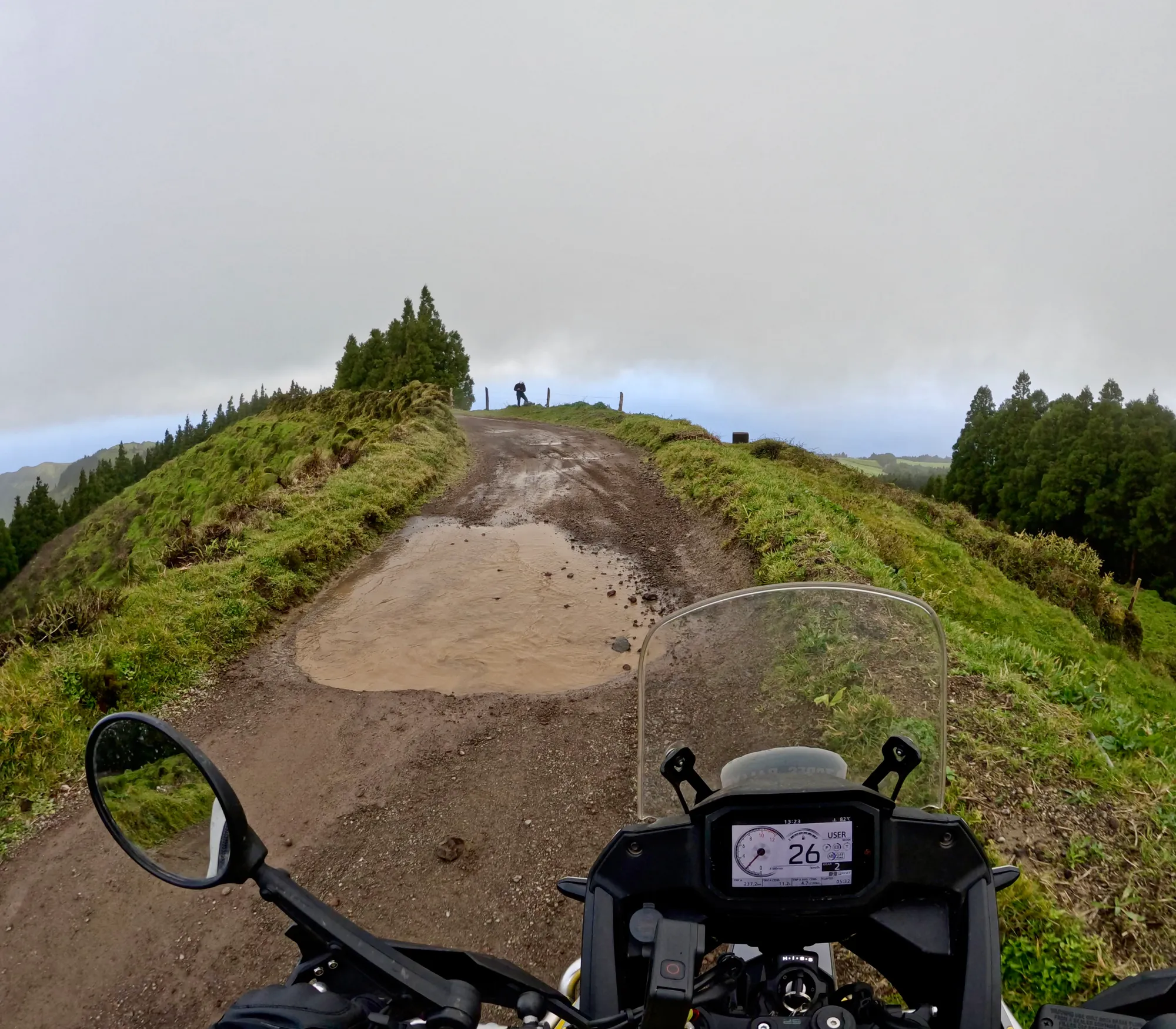
POV shot from NastyNils riding a Honda Transalp 700 up a steep dirt and gravel mountain trail. The adventure bike's digital dashboard and windscreen visible in the foreground. Alpine terrain with green hillsides, exposed soil track, dense forest on both sides, and a figure visible on the distant ridge line. Overcast mountain weather, steep climbing gradient, single-track off-road trail.
Nils Mueller
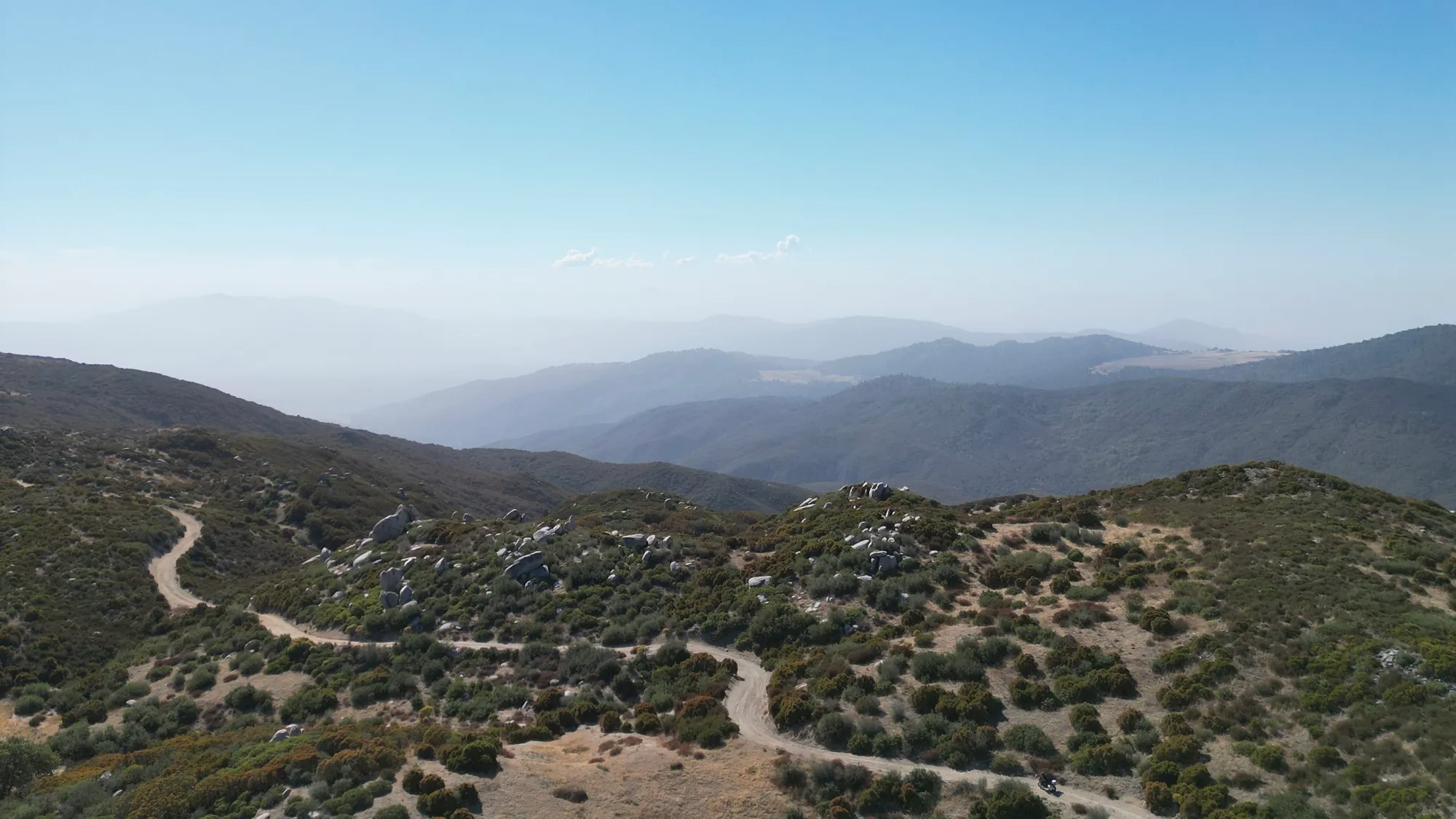
Aerial drone view of Palomar Divide Road winding through chaparral-covered mountain ridges in San Diego County. Multiple S-curve sections descend through sparse vegetation with distant valley views visible in the haze. Gravel and packed-earth surface.

The Truth on the Street

I've spent years collecting what Transalp owners actually tell me: notes that land in my inbox, conversations in the pits after a ride, and the running chatter between riders who log serious distance. For this RD16 the consensus sits in a steady place. Riders describe a light, easy-to-manage machine they trust once the surface turns loose, held back by a short list of missing kit and springs that give up early.

Light on its feet, honest in the dirt

The praise riders keep coming back to is how little it weighs for the class. They credit that for sure-footed handling on loose ground and less of a wrestle to lift it after a slow tip-over. The parallel twin gets consistent nods for how flexibly it delivers, digging in at freeway pace and crawling through technical sections without complaint. For the dirt-minded crowd the spoked front and rear wheelset is the real draw, giving it terrain reach that cast-wheel rivals simply don't have. Owners also flag the electronics count as a value standout, a set of standard features the competition often bills separately, and several add that the chassis stays calm and neutral on pavement despite the off-road stance.

The gaps riders keep flagging

Top of the complaint list is the soft stock suspension. Set up for comfort, riders say it gives up support once they add luggage and a passenger or lean on it hard off-road, a point long-haul owners raise often. Two conveniences they expect at this level don't come fitted: there's no cruise control, and heated grips are only an add-on. Taller riders describe wind buffeting off the fixed screen at steady highway speed, and it ranks among the parts they most often swap for the taller factory option. Some point out the electronics stop short of lean-aware control, leaving the ABS and traction control without cornering sensitivity. And the TFT screen draws a steady gripe for fading out under strong direct sunlight.

Known issues

  • Soft rear shock under load

    suspensioncommon

    The Showa rear shock with preload-only adjustment tends to wallow when ridden with full luggage plus pillion or pushed hard on rough terrain, prompting many owners to upgrade to aftermarket units.

  • Wind buffeting from stock screen

    bodyworkcommon

    Owners and reviewers consistently report turbulent airflow at the helmet at highway speeds with the standard screen; resolved by fitting Honda's optional taller touring screen or aftermarket alternatives.

The Expert Benchmark

Where this Honda XL750 Transalp pulls ahead of — or falls behind — its rivals on the numbers, and the typical bike in its class on character.

What kind of bike this is — character vs. the class

This bike Class average

The shape of the Honda XL750 Transalp — numbers and character vs. the average Adventure

Head-to-head: Honda XL750 Transalp vs. its rivals

The Long-Haul Verdict

Forget spec-sheet bragging. Here's who the XL750 Transalp is actually built for.

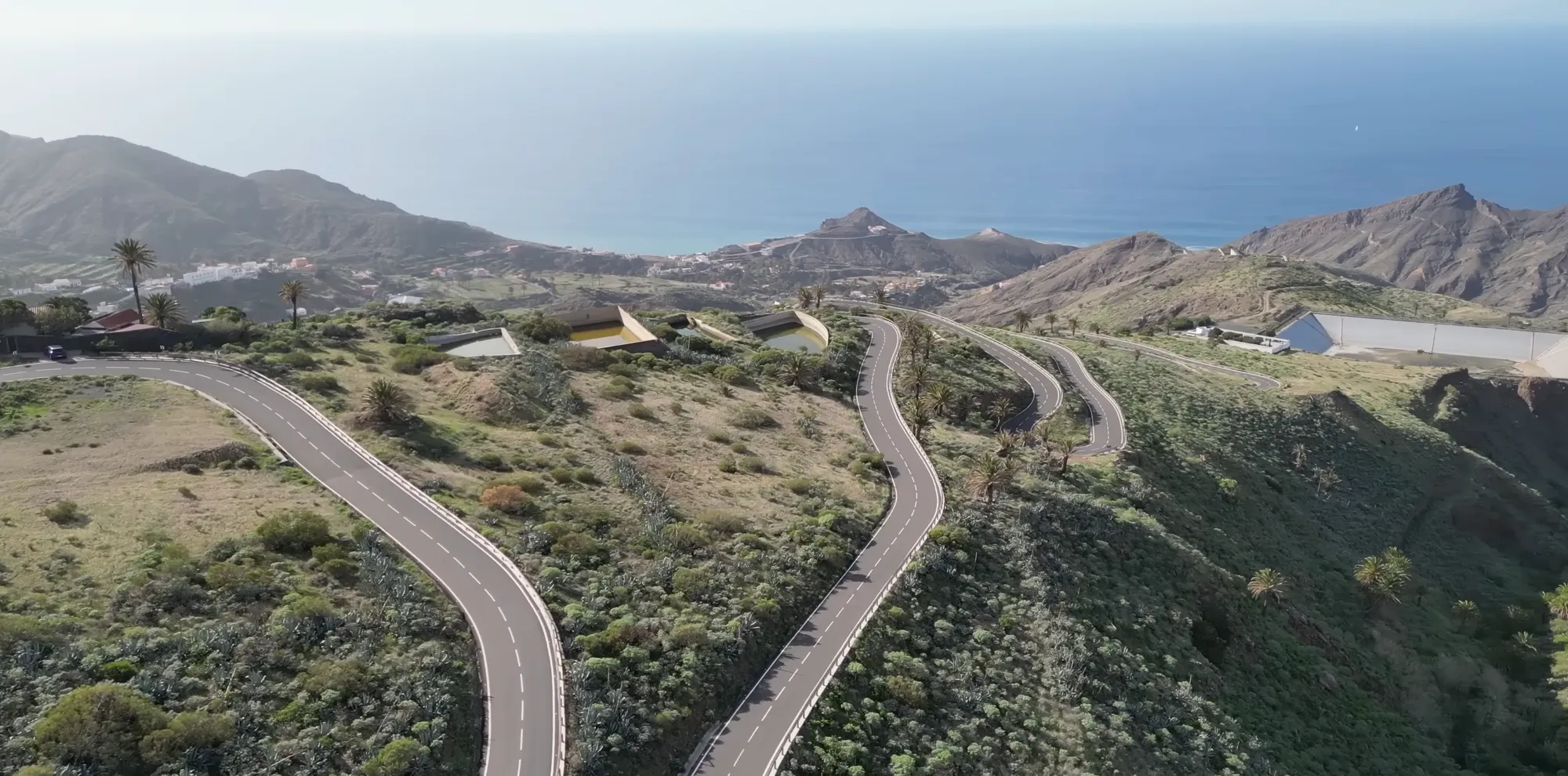
Aerial view of a winding asphalt road cutting through volcanic terrain on La Gomera, Canary Islands. The road curves through sparse green vegetation with rocky volcanic peaks visible in the background and a settled valley to the left. Clear lane markings, dry climate, partly cloudy sky.

Best motorcycle for Highway 1?

If your idea of a good day is stringing together canyons and comfortable day-stages, this fits. It's settled at speed, easy through the tight stuff, and frugal enough to keep the miles rolling without fuss.

Made for Black Hills · Blue Ridge Parkway · Cherohala Skyway
Best touring motorcycle for long distance?

For long distances two-up it stays planted and sips fuel, and the screen keeps the blast off your chest. Just know the seat softens by afternoon and there's no cruise control for those straight-line miles.

Made for Beartooth Highway · Blue Ridge Parkway · Going-to-the-Sun Road

Best motorcycle for BDR routes?

It handles mild dirt roads and long logistics-heavy days with easy confidence and strong range. Push into genuinely rough backcountry, though, and the soft suspension and passive standing ergonomics show their limits.

Made for AZBDR — Arizona Backcountry Discovery Route · California BDR South · COBDR — Colorado Backcountry Discovery Route

Alternatives to the Honda XL750 Transalp

If this one isn't quite the fit, these are the bikes worth riding back-to-back against it.

Any price note compares both bikes at the same age — the youngest age both have on the used market — against this Honda XL750 Transalp. “cheaper/pricier” is what that bike costs second-hand, not how worn it is.