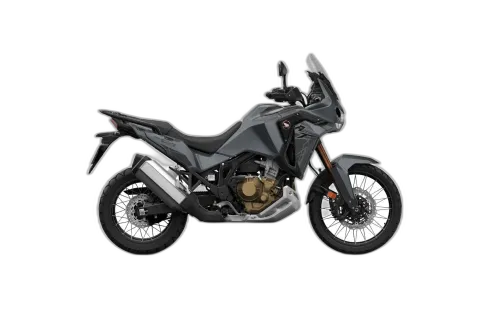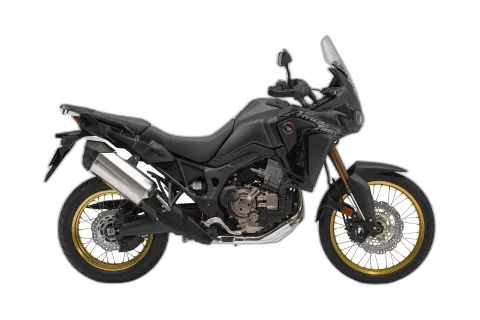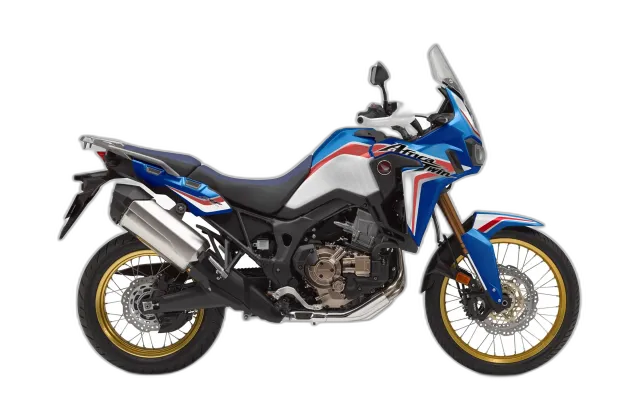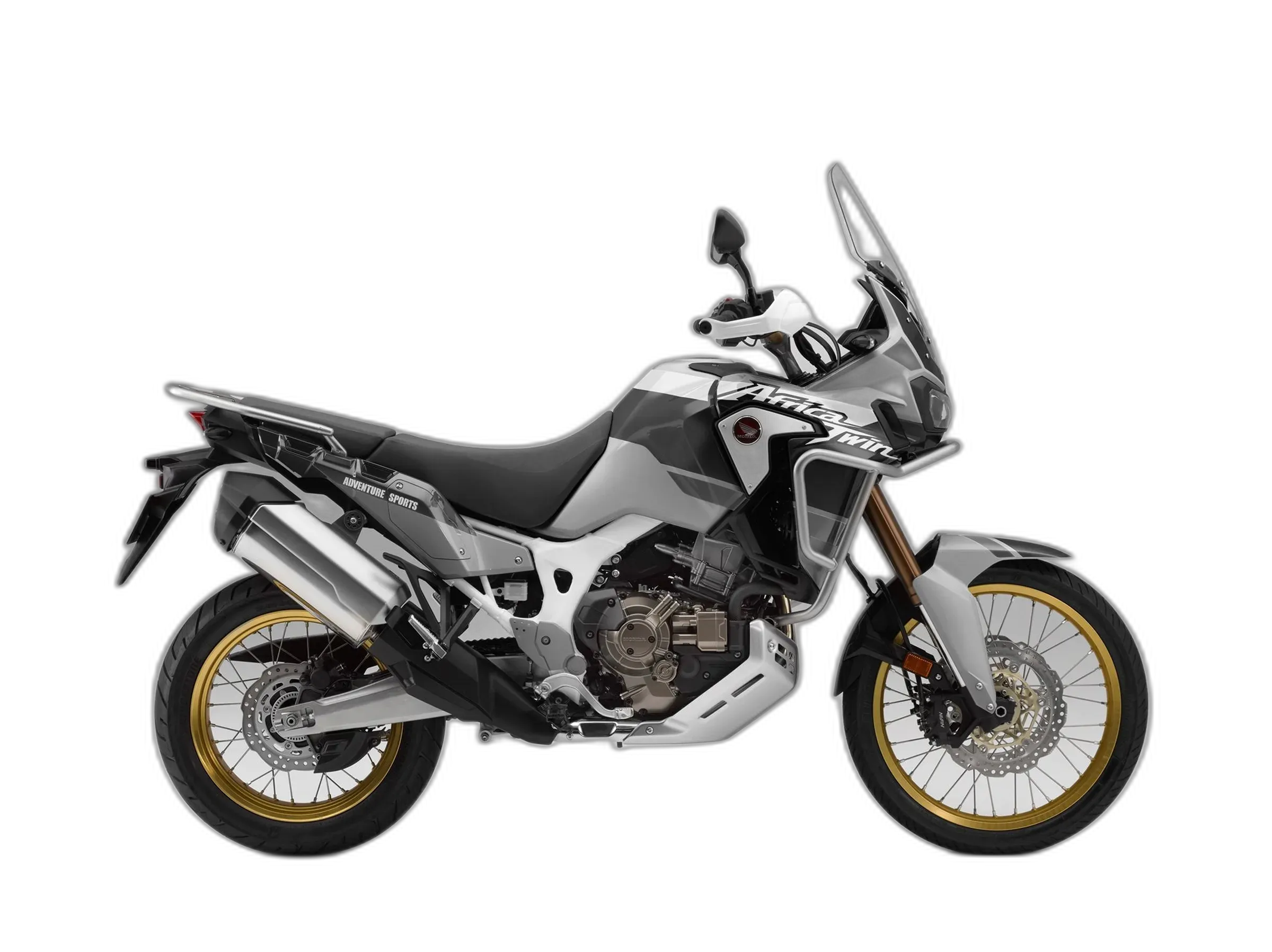

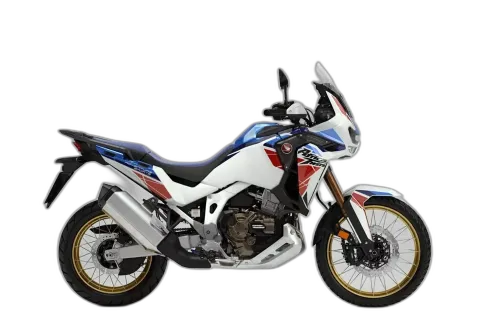
Honda CRF1000L Africa Twin (SD 06-AdventureSports) — Adventure
Honda press archive

2018–2019 · Adventure · A variant of the CRF1000L Africa Twin

CRF1000L Africa Twin Adventure Sports (SD 06-AdventureSports)

Differences between the standard CRF1000L Africa Twin and the Adventure Sports

4.5 / 5 NastyNils Rating · against its class

Built to Outlast the Road

The Machine's Character

The Adventure Sports is the Africa Twin built around distance. At its heart sits a 998 cc liquid-cooled parallel twin with a 270-degree firing interval, making 95 hp at 7,500 rpm and 72 lb-ft at 6,000 rpm. Those numbers were never meant to win a spec-sheet fight, and they don't have to. The chassis runs a proper 21-inch front and 18-inch rear, 9.9 in of travel up front, 9.4 in at the back and 10.6 in of ground clearance. That is real off-road geometry. Add a 6.4 gal tank and around 59 mpg, and it measures a day in states, not gas stops. ABS, traction control, ride modes and adjustable suspension at both ends all come standard.

On pavement it settles into an unhurried stride and stays planted at highway speed. The long travel gives it room for washboard and rutted forest roads. This is Honda doing what Honda does best: no drama, just a package that keeps working long after the novelty wears off. Reliability and engine longevity are among its strongest traits, and the aftermarket runs deep if you want to build it your way. It suits the rider who racks up big mileage and still turns off onto the gravel. The caveat is size. The seat height adjusts, but 35.4 in and 536 lb wet still ask for experience once the ground turns soft or steep.

Hard Numbers

Spec sheets don't ride bikes, but they set the baseline.

Show full specs & equipment Hide specs & equipment
Key specifications
Power 95 hp (70 kW) @ 7,500 rpm
Torque 72 lb-ft (98 Nm) @ 6,000 rpm
Displacement 998 cc
Engine Parallel twin
Cooling Liquid-cooled
Gearbox 6-speed
Final drive Chain
Fork Upside-down (USD)
Front brake 310 mm
Front tire 90/90-21
Rear tire 150/70-18
Wheelbase 62.0 in (1575 mm)
Ground clearance 10.6 in (270 mm)
Front travel 9.9 in (252 mm)
Rear travel 9.4 in (240 mm)
Seat height 35.4 in (900 mm)
Wet weight 536 lb (243 kg)
Fuel capacity 6.4 gal (24.2 L)
Top speed 127 mph (205 km/h)
Fuel economy 51 mpg (US)

Equipment check

Chassis

  • Front Suspension Adjustable Standard
  • Rear Suspension Adjustable Standard

Comfort

  • Heated Grips Standard
  • Adjustable Seat Height Standard

Drivetrain

  • Quickshifter Optional
  • Slipper Clutch Standard
  • Automatic Shift (DCT / ASA / AMT) Optional

Lighting

  • LED Headlight Standard

Safety

  • ABS Standard
  • Traction Control Standard
  • Ride Modes Standard

What the CRF1000L Africa Twin Adventure Sports Adds — Differences vs the Standard CRF1000L Africa Twin

The CRF1000L Africa Twin Adventure Sports (SD 06-AdventureSports) builds on the standard CRF1000L Africa Twin: the upgraded hardware, the key spec changes and where its character shifts. The full ride, specs, scoring and verdict are all right here on this page.

Hard spec differences

SpecStandard CRF1000L Africa TwinAdventure SportsΔ
Wet weight 511 lb 536 lb +24 lb
Seat height 34.3 in 35.4 in +1.2 in
Fuel capacity 5.0 gal 6.4 gal +1.4 gal

How the Adventure Sports shifts the character

Where the Adventure Sports does more
  • More miles between fuel stops
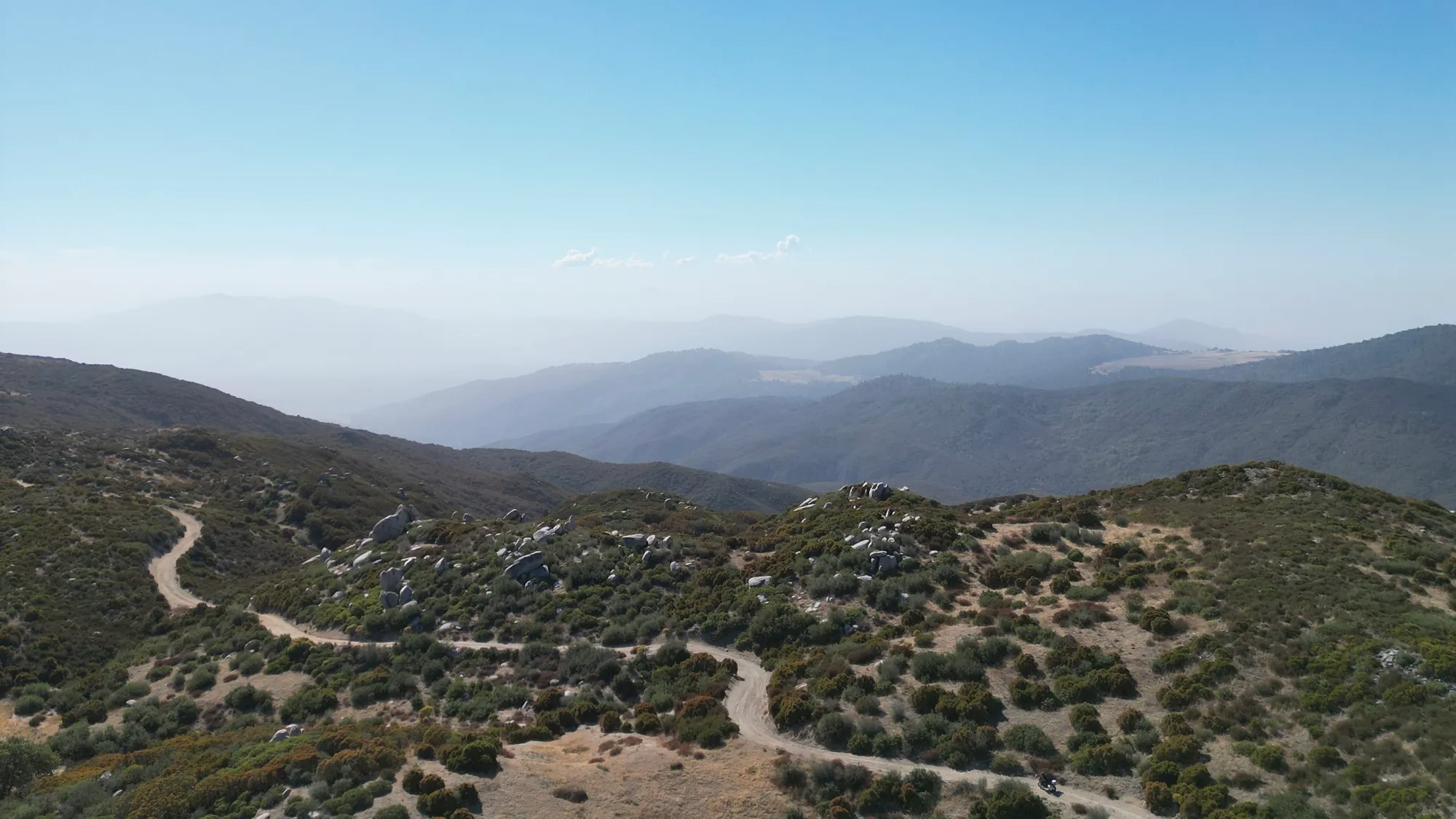
Aerial drone view of Palomar Divide Road winding through chaparral-covered mountain ridges in San Diego County. Multiple S-curve sections descend through sparse vegetation with distant valley views visible in the haze. Gravel and packed-earth surface.

The Truth on the Street

This part of the guide isn't my own riding impression. It's what owners have told me over the years: paddock talk, conversations at fuel stops and owner meetups, and the emails riders send once they've lived with the bike for a while. On this Africa Twin the message rarely changes. Owners rate it for loose ground and long days in the saddle, and their complaints gather around rough pavement, wind and outright pace.

Easy in the dirt, easy on the body

Two themes carry the praise. The first is what happens once the pavement ends. Owners describe a large adventure bike that feels agile and forgiving on gravel and trails, and that confidence reaches riders who are still new to riding off-road. The second is comfort. Riders talk about a roomy riding position, a well-padded seat and a tall screen, and taller owners in particular say they have legroom to spare for all-day stints. The engine earns steady credit as well, for smooth and approachable power and for a crank pulse and exhaust note that owners simply enjoy. Riders who cover remote routes also like stopping for gas less often, and a few single out the real-world economy.

Where owners want more

The criticism is consistent and narrow. On poorly kept roads, owners find the ride firmer than they'd like, and the fork gets singled out. Those who have ridden pricier bikes with electronic damping notice the difference. Wind is the other recurring point. At sustained highway speed, taller riders still get turbulence at helmet height, and the manually adjusted screen doesn't give them the calm air they're after. Power only draws comment under specific conditions: with a passenger or full luggage aboard, owners say the top end runs short compared with bigger-engined adventure bikes.

Known issues

  • Fuel filter clogging due to zinc-oxide corrosion

    fuel system occasional Recall

    Contaminants from the fuel tank welding process can clog the fuel filter, causing engine hesitation or stalling. A safety recall (KL4) was issued for 2018-2019 Adventure Sports models to clean the tank and replace the fuel filter.

  • Front brake disc warping

    brakes occasional

    Some owners report pulsing at the front lever indicating possible warped front discs, often after moderate mileage. May require replacement or resurfacing.

  • Front wheel lockup from mud accumulation

    chassis occasional

    In thick mud, the gap between the front tire and fender can pack solid, locking the wheel; a dangerous issue for off‑road riders.

  • Cold‑start stalling and rough idle

    engine occasional

    Engine occasionally stumbles or dies when first started, especially in cool weather; often traced to idle air control valve or fuel mapping.

  • Switchgear electrical bugs

    electrics occasional

    Sticking starter button and moisture ingress can cause headlight or DCT malfunctions; often cured by cleaning switch housing.

  • DCT hesitation in automatic modes

    drivetrain occasional

    Early DCT can be reluctant to downshift or holds a high gear, particularly without IMU integration; manual override helps.

  • Premature corrosion and finish flaws

    bodywork occasional

    Fasteners and wheel paint prone to rust and pitting even with normal use; some owners report bubbling paint on engine cases.

The Expert Benchmark

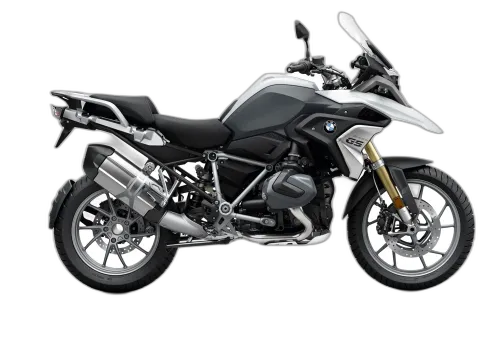
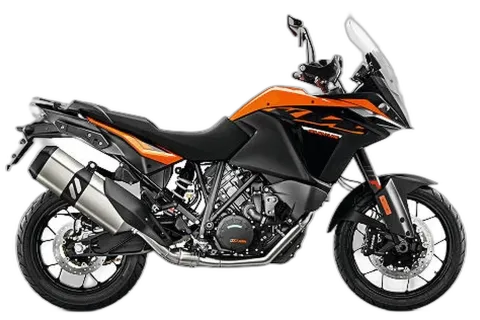
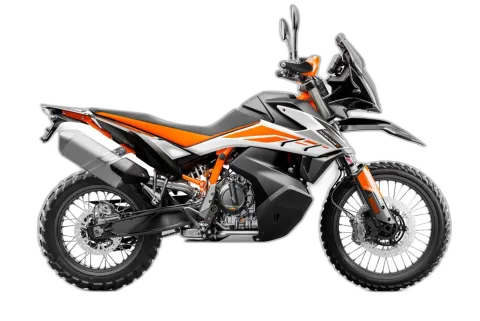
Where this Honda CRF1000L Africa Twin pulls ahead of — or falls behind — its rivals on the numbers, and the typical bike in its class on character.

What kind of bike this is — character vs. the class

This bike Class average

The shape of the Honda CRF1000L Africa Twin — numbers and character vs. the average Adventure

Head-to-head: Honda CRF1000L Africa Twin vs. its rivals

The Long-Haul Verdict

Forget spec-sheet bragging. Here's who the CRF1000L Africa Twin is actually built for.

Aerial view of a winding asphalt road cutting through volcanic terrain on La Gomera, Canary Islands. The road curves through sparse green vegetation with rocky volcanic peaks visible in the background and a settled valley to the left. Clear lane markings, dry climate, partly cloudy sky.

Best motorcycle for Moab?

The 21-inch front, long travel and clearance handle White Rim-style miles well. But at 536 lb it's a big partner on technical slickrock and deep sand, so it's best between the hard sections, not in them.

Made for Bar M / Kane Creek · Imperial Sand Dunes · Johnson Valley OHV Area
Best touring motorcycle for long distance?

The 6.4 gal tank, standard heated grips and deep reliability make it a natural for Beartooth-and-back trips. There's no cruise control, though, so the long interstate stretches are on your right wrist.

Made for Beartooth Highway · Blue Ridge Parkway · Going-to-the-Sun Road

Best motorcycle for Highway 1?

For 200 to 400 mi days on the Blue Ridge it works: calm, upright, with a long view ahead. The 21-inch front favors steady flow over sharp reflexes, so ride it relaxed and it rewards you.

Made for Black Hills · Blue Ridge Parkway · Cherohala Skyway