·

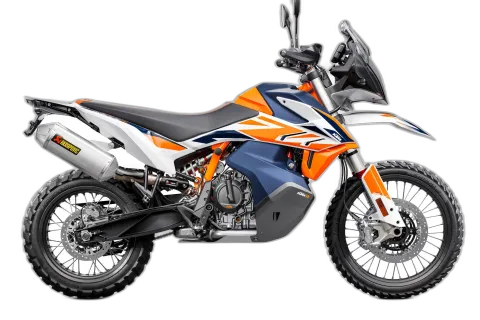
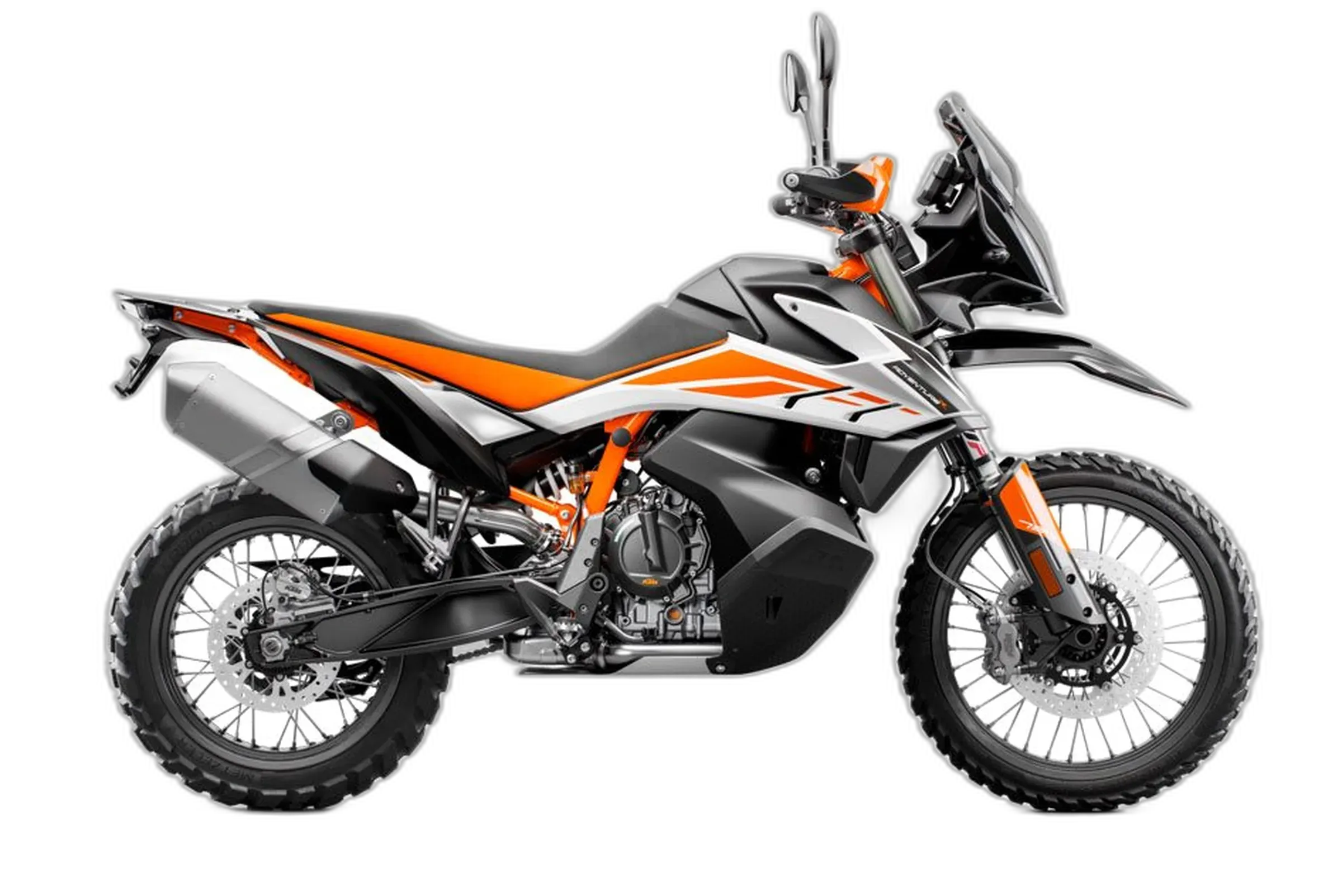
KTM 790 Adventure R (MY2019) — Adventure
NastyNils / KTM press archive

2019 · Adventure · Buyer's Guide

790 Adventure R (MY2019)

Rally DNA, Street Legal

The Machine's Character

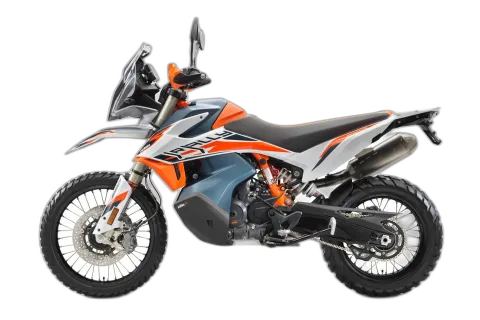
This was KTM's first real middleweight adventure bike, and it shows up with intent. The 799 cc parallel twin makes 95 hp and 65 lb-ft, tuned for deep low-rpm pull rather than top-end fireworks. What sets it apart is the tank: a low, frame-hugging 5.3-gallon (20 L) unit that drops the center of gravity well below the class norm. Add a 21-inch front wheel, 9.4 in (240 mm) of WP XPLOR travel at both ends, and a steel trellis frame that uses the engine as a stressed member, and you get a genuine off-road machine wearing a touring shell.

Ride it and the rally DNA is obvious. It stays light and willing where heavier rigs get bogged down, and the low mass placement keeps it planted at walking pace. This one is for riders who actually leave the pavement and want full off-road spec at a seat height they can manage. The honest caveat: the mass is still real when speed drops to a crawl, the wide-range suspension needs setup knowledge to get right, and first-year examples carry a handful of known teething issues worth checking before you commit.

Hard Numbers

Spec sheets don't ride bikes, but they set the baseline.

Show full specs & equipment Hide specs & equipment
Key specifications
Power 95 hp (70 kW) @ 8,000 rpm
Torque 65 lb-ft (88 Nm) @ 6,600 rpm
Displacement 799 cc
Engine Parallel twin
Cooling Liquid-cooled
Gearbox 6-speed
Final drive Chain
Fork Upside-down (USD)
Front brake 320 mm
Front tire 90/90-21
Rear tire 150/70-18
Wheelbase 60.2 in (1528 mm)
Ground clearance 10.4 in (263 mm)
Front travel 9.4 in (240 mm)
Rear travel 9.4 in (240 mm)
Seat height 34.6 in (880 mm)
Fuel capacity 5.3 gal (20 L)
Fuel economy 55 mpg (US)

Equipment check

Chassis

  • Front Suspension Adjustable WP XPLOR 48 Fork Damping tuning to styleTool free setup Standard
  • Rear Suspension Adjustable WP XPLOR PDS Shock Bottoming resistanceTool free setup Standard
  • Cruise Control Optional

Comfort

  • Heated Grips Optional

Connectivity

  • TFT Display Standard
  • Navigation Optional
  • Tire Pressure Monitoring (TPMS) Optional

Drivetrain

  • Quickshifter Optional
  • Slipper Clutch Standard

Lighting

  • LED Headlight Standard

Safety

  • ABS Standard
  • Cornering ABS Standard
  • Traction Control KTM Motorcycle Traction Control (MTC) Lean sensitive tractionSelectable ride modes Standard
  • Ride Modes KTM Ride-by-Wire (engine maps) Selectable ride modesRefined throttle response Standard

The Voice of Experience

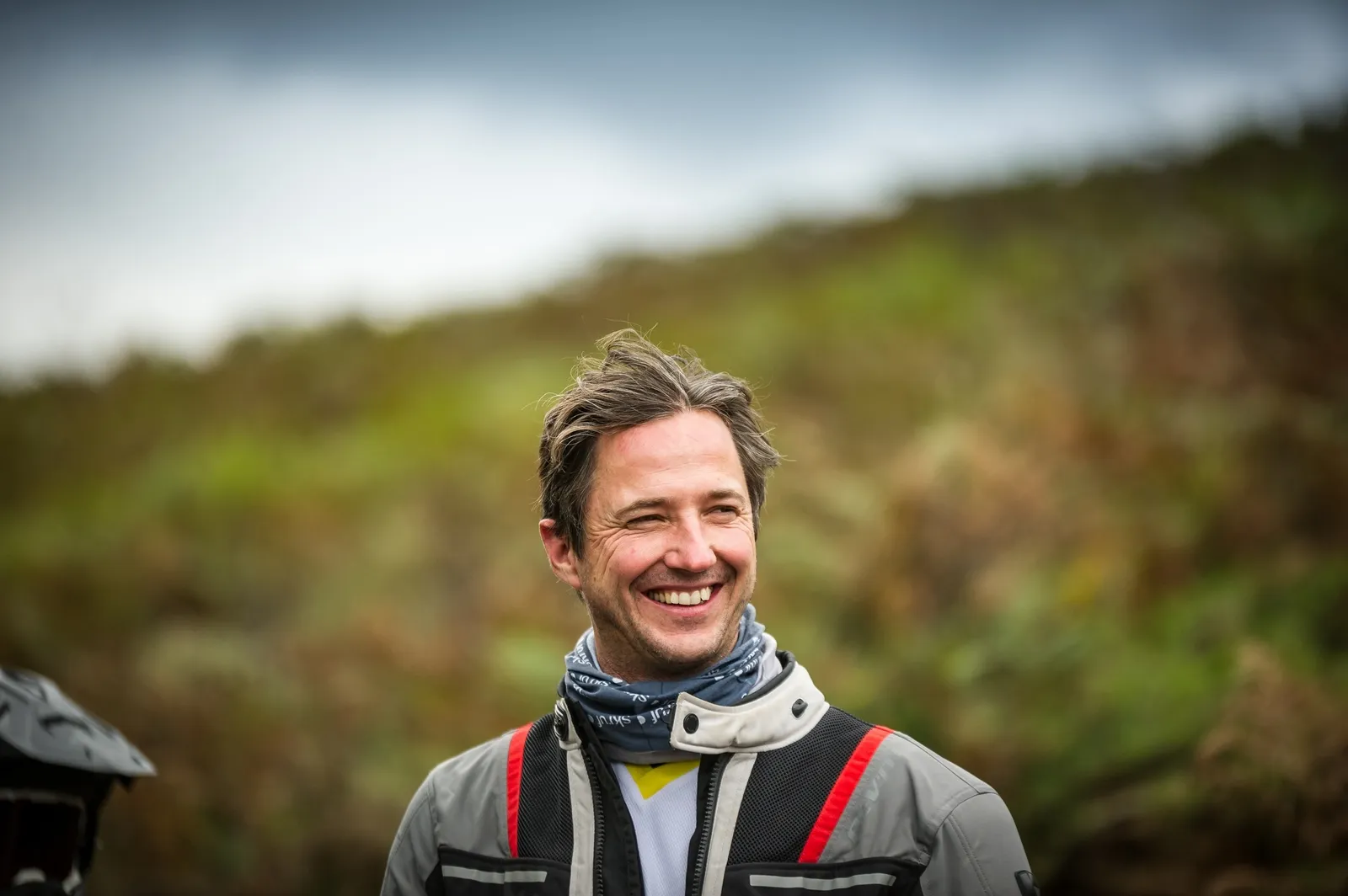
Portrait of NastyNils

The test ride

Throw a leg over and the riding position reads rally bike: tall, flat seat, a roomy stance, everything set up to stand and ride. Up to highway pace the raised windshield does honest work, pushing the blast clear of your head and torso while letting just enough breeze reach your shoulders to keep you connected to speed. The suspension is the standout sensation. Fork and shock read the surface and feed back real information without beating you up, and after a full day pounding Moroccan desert the damping reserves still hadn't faded. Drop into a buried edge at speed and it soaks up the hit cleanly. These bikes take abuse, too: one tester in our group looped it hard on gravel and walked away with nothing worse than a broken mirror and a torn tank protector. The weight, though, you feel the moment the pace falls to a crawl.

Rated point by point — where it earns its keep

My own 0–100 score for this bike against the class, area by area — the marker on each bar is the class average.

What defines the way it turns is where the weight rides. The low, forward tank keeps the heaviest part of the bike down near the road rather than perched up high, so it stays composed and predictable in slow, fiddly going that unsettles taller-feeling rivals. The flip side is the R's enormous adjustment range. My press bike arrived set firm for jumping sand, and you genuinely need to know which way to turn the adjusters before the suspension starts flattering you instead of punishing you.

Two days into a long ride is where comfort actually shows itself, and this bike splits cleanly down the middle for me. Sit up behind the raised screen on the highway and it earns its keep, holding the worst of the pressure off your upper body while leaving just enough air on the shoulders to feel the pace. The catch is moving that screen: there's no lever, so when conditions shift mid-afternoon you're pulling over and reaching for a tool before you can change anything, which wears on you over a full day. The low saddle is the quiet win, dropping a machine with this much real off-road spec to a height plenty of riders can plant both boots at, with a factory lowering kit if you still want more. Just respect the heft once the pace falls to a true crawl.

The reliability story I keep coming back to isn't drama, it's the absence of it. Service intervals are spaced far enough apart that a continent-sized ride doesn't turn into a string of dealer stops plotted across the map. Joe Pichler crossed Africa on one and came back to confirm exactly that. That kind of dependability is what matters when home is thousands of miles behind you, and it's where this bike quietly earns the trust a traveler has to place in it.

Capability on this bike isn't fixed, it's a setting. Left in its mild map the engine takes a full day of mixed surfaces with calm, unflustered manners and asks nothing of you. Select the aggressive rally calibration and the same powerplant wakes up hard, carrying the kind of raw edge a rider raised on the big old desert twins clocks straightaway as the genuine article. The two personalities really are that far apart, not a cosmetic trick of the map, and that breadth is what lets one machine do both jobs and mean it.

Practicality here comes down to range and what's in the box. The tank handles range cleanly: even working hard through the kind of soft, energy-sapping ground that drains fuel fastest, there was always enough in reserve to plan a route by the map instead of the next station. The gap is the quickshifter. It isn't part of the standard kit on either version, so an experienced street rider used to clutchless changes adds it as a paid extra, and feels its absence until they do.

For an adventure motor I want low-end usability over headline peak, and this twin makes the right trade. Cracking the throttle from closed at a steady gait gives clean, even drive in any gear, none of the snatch or stumble that ruins a relaxed mile. It sacrifices a little of the top-end ferocity its sport-bred relatives keep, and you feel that only if you chase the very top of the tach, where it strains for less than it returns. Normal riding never sends you there, so the bargain holds.

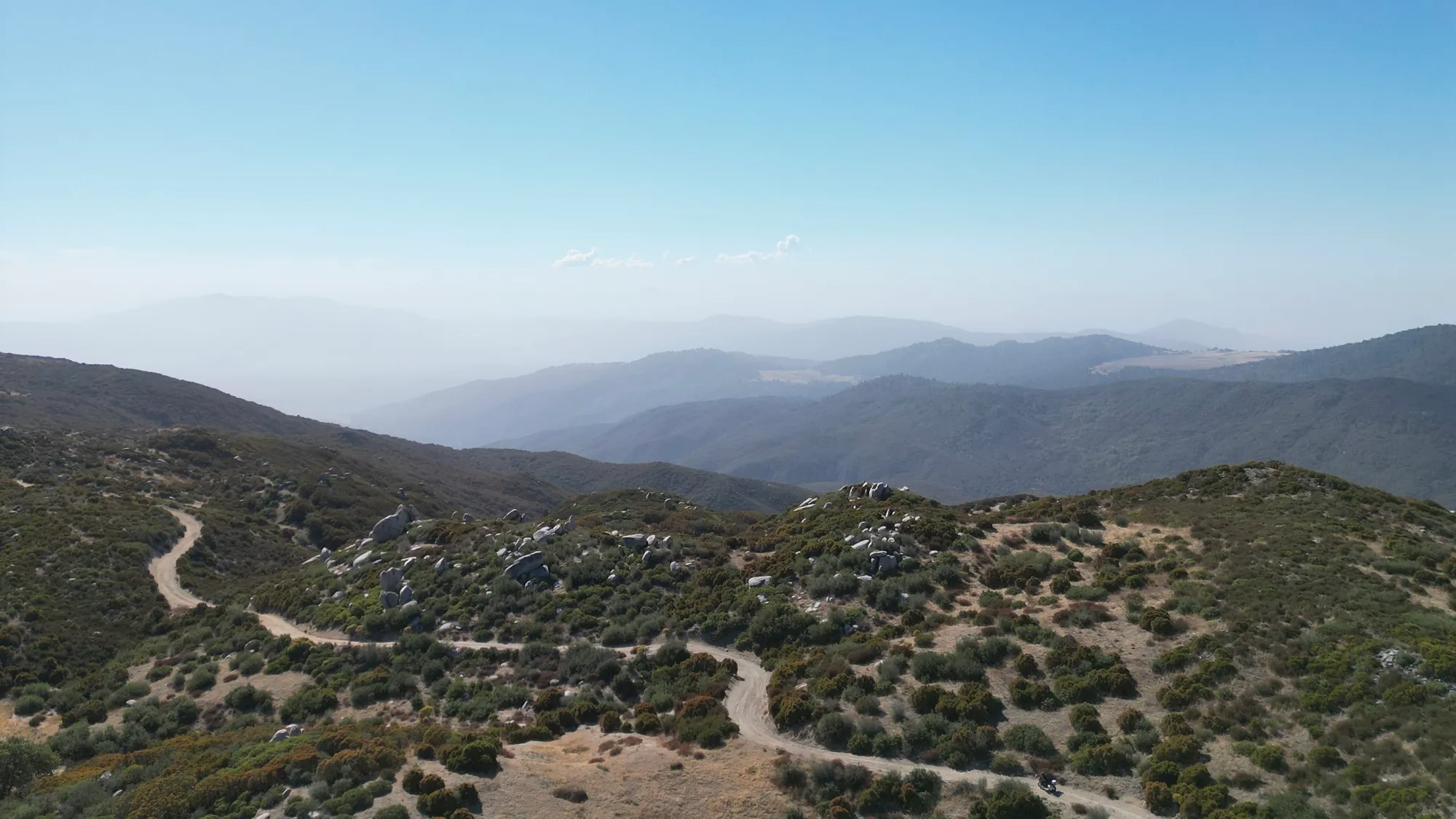
Aerial drone view of Palomar Divide Road winding through chaparral-covered mountain ridges in San Diego County. Multiple S-curve sections descend through sparse vegetation with distant valley views visible in the haze. Gravel and packed-earth surface.

The Truth on the Street

Over the years I've watched the comment threads fill up, followed the forum back-and-forth, traded notes with owners at rallies, and read the messages riders send straight to my inbox about this one. The pattern holds steady: deep trust once the pavement ends, and growing friction once the day gets long.

Trust once the pavement ends

What comes back most is how far this middleweight goes when the trail turns rough, picking through technical ground that bogs down heavier machines. Riders tie that to the fuel weight carried low, which keeps it settled at a walking pace and makes it feel lighter than the scales say. They single out the parallel twin, too. The offbeat firing gives it a V-twin character and a voice owners praise for how cleanly it meters drive in the dirt.

Where the long days wear

The gripes gather around fit and the open road. Shorter riders consistently flag the tall 34.6-inch (880 mm) saddle and the wide tank junction, which leave them reaching for the ground at stops on uneven footing. Others note the slim rally fairing gives up wind cover, leaving them exposed once highway speeds hold.

Known issues

  • Side stand switch failure

    electricsoccasional

    The side stand cutout switch is prone to dirt ingress and corrosion, leading to intermittent failure to start or sudden engine cutoff while riding.

  • Fuel pump failure

    fuel systemcommonRecall

    First-generation 790 Adventure models suffered from fuel pump failures, with the pump assembly losing pressure and causing stalling or no-start conditions. KTM issued a service campaign to replace the pump assembly.

  • Camchain tensioner noise and wear

    engineoccasional

    Owners report rattling noise from the cam chain area, in some cases requiring tensioner replacement under warranty. The issue is most commonly noted on cold starts.

  • Premature rear shock seal wear

    suspensionoccasional

    The WP Xplor PDS shock develops seal weeping after extended off-road use, requiring service or replacement earlier than expected for an OEM unit.

  • TFT display readability in direct sunlight

    electricscommon

    The 5-inch TFT dashboard suffers from poor contrast in direct sunlight, making information difficult to read during midday riding.

The Expert Benchmark

Where this KTM 790 Adventure R pulls ahead of — or falls behind — its rivals on the numbers, and the typical bike in its class on character.

What kind of bike this is — character vs. the class

This bike Class average

The shape of the KTM 790 Adventure R — numbers and character vs. the average Adventure

Head-to-head: KTM 790 Adventure R vs. its rivals

The Long-Haul Verdict

Forget spec-sheet bragging. Here's who the 790 Adventure R is actually built for.

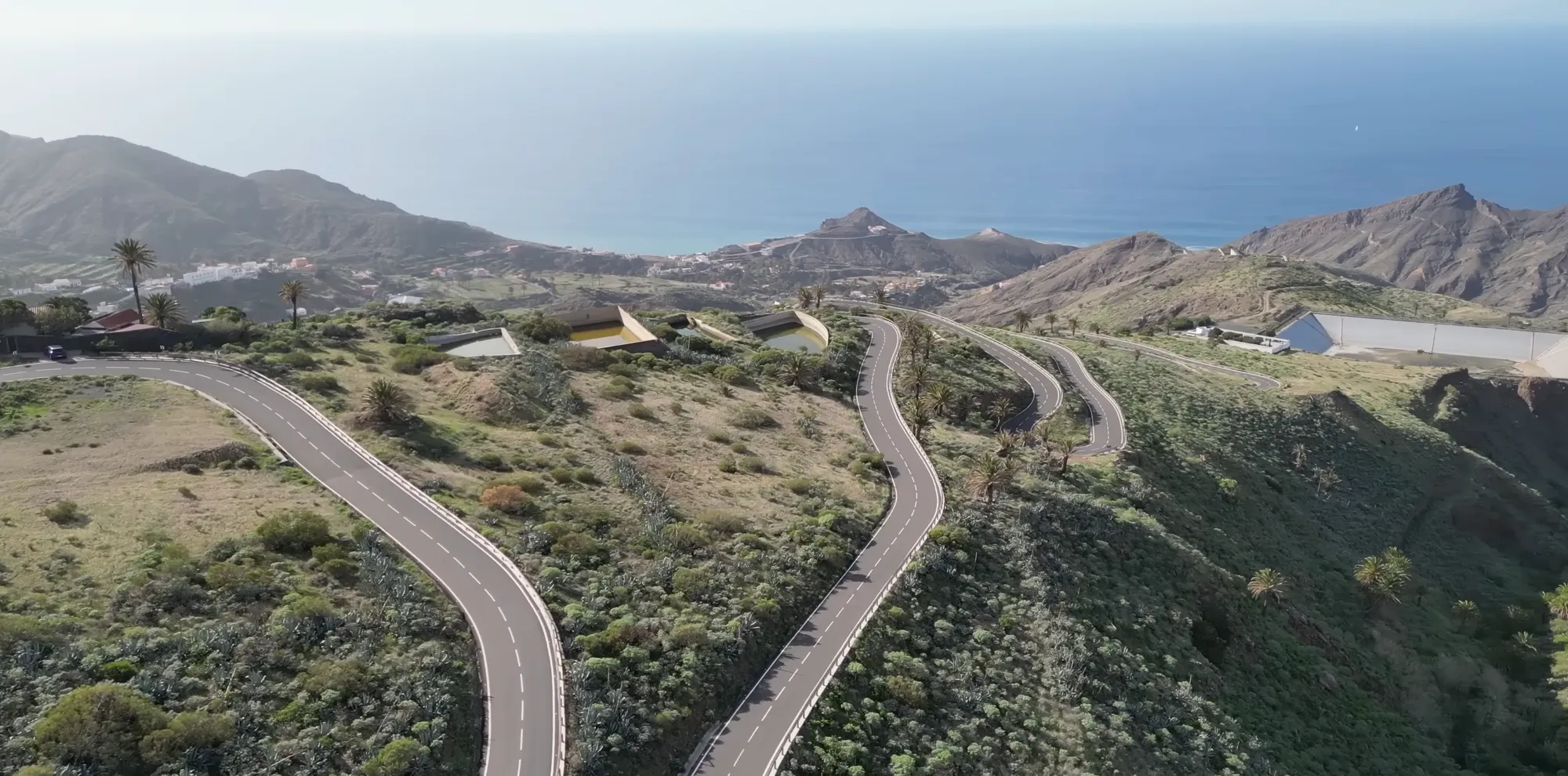
Aerial view of a winding asphalt road cutting through volcanic terrain on La Gomera, Canary Islands. The road curves through sparse green vegetation with rocky volcanic peaks visible in the background and a settled valley to the left. Clear lane markings, dry climate, partly cloudy sky.

Best motorcycle for Moab?

Moab and Johnson Valley weekends? This is a rare adventure bike that plays in your world. Low mass and full WP travel open technical lines heavier rigs can't, though a lightweight single is still easier when it gets really tight.

Made for Bar M / Kane Creek · Imperial Sand Dunes · Johnson Valley OHV Area
Best motorcycle for Highway 1?

You can link a fine day of curves on it, and the windshield and big tank back long stages. Just know this is a rally-leaning tool, taller and more off-road focused than a dedicated sport-tourer, with weight you feel at a crawl.

Made for Black Hills · Blue Ridge Parkway · Cherohala Skyway

Best motorcycle for BDR routes?

For backcountry logistics it delivers: long service intervals, real range, genuine dirt capability. Plan around the missing knock sensor if you'll meet bad fuel, and vet the first-year known issues before a long trip.

Made for AZBDR — Arizona Backcountry Discovery Route · California BDR South · COBDR — Colorado Backcountry Discovery Route

Alternatives to the KTM 790 Adventure R

If this one isn't quite the fit, these are the bikes worth riding back-to-back against it.

Any price note compares both bikes at the same age — the youngest age both have on the used market — against this KTM 790 Adventure R. “cheaper/pricier” is what that bike costs second-hand, not how worn it is.