By NastyNils·
Motorcycle comparison · Supersport
Kawasaki Ninja e-1 (MY2024) vs Ninja 500 (MY2024)
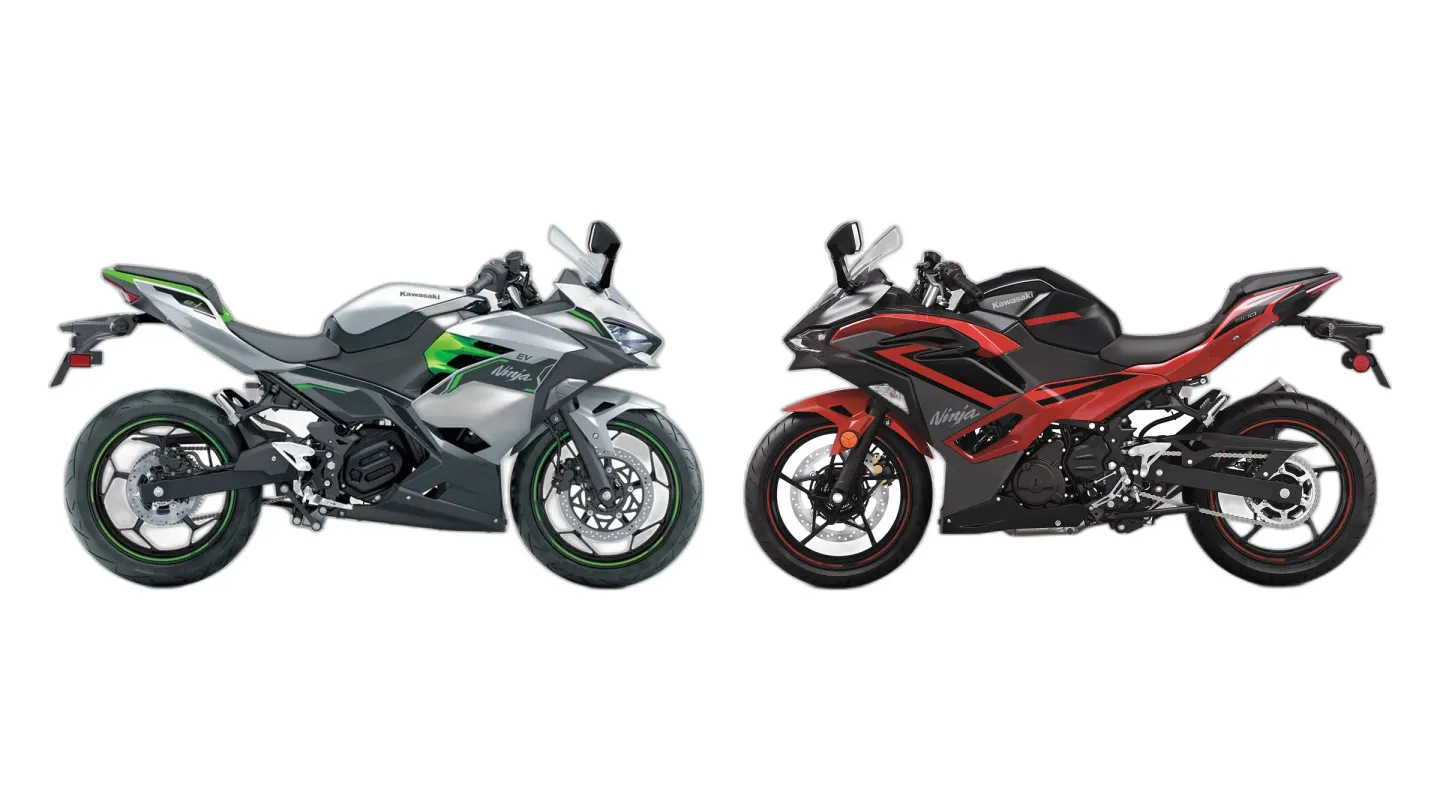
Kawasaki Ninja e-1 vs Ninja 500: which one to buy for the riding you do.
You'll feel the Kawasaki Ninja e-1 tip into a bend the moment you ask, with no clutch or downshift to juggle on the way in. On the Kawasaki Ninja 500, it's the front brake that runs the entry. It bites hard, then firms up with a progressive squeeze.
So which one do you buy?
The Ninja 500 has the edge if…
Racetrack use
Small edge: Ninja 500
On a closed course, the Ninja 500 edges ahead. Most of that is stronger brakes. Not by enough to settle it.
Sporty riding on twisty roads
By a nose: Ninja 500
The Ninja 500 nudges ahead once the pavement starts to wiggle. Don't expect a night-and-day difference.
Which one's the smarter buy
No clear advantage
The Ninja e-1 costs less, but the better buy depends on what you want it for.
What makes each one tick
Ninja e-1
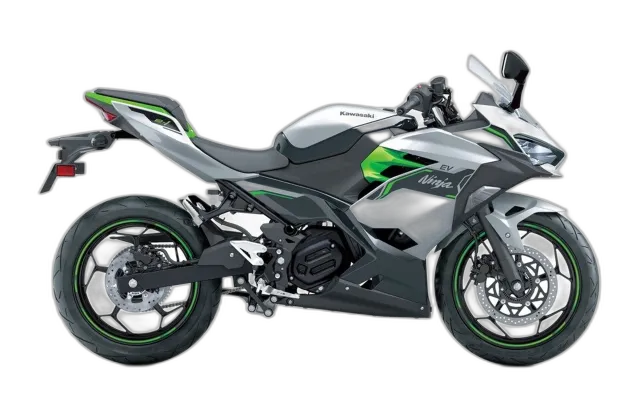
The Ninja e-1 flicks between lanes on its steel trellis frame, and there's little of its 309 lb (140 kg) to feel at the bar. Urban passes need planning and e-Boost. The throttle doesn't wait on a gear: the motor's shove builds in one clean line. The motor hooks up the instant a light turns green.
Ninja 500
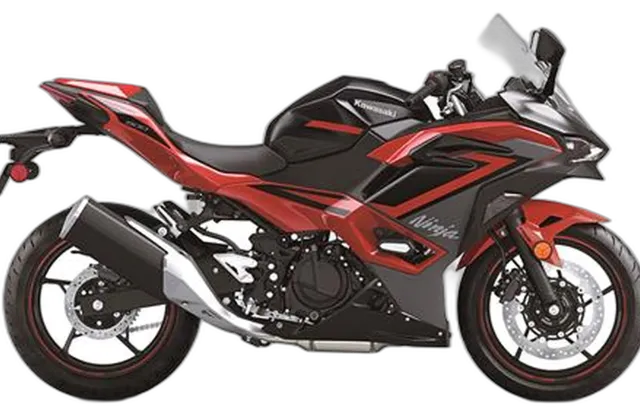
Low in the revs, the Ninja 500's parallel twin already pulls smoothly, and it doesn't need the top of the tach to get moving. Through the corners of the Angeles Crest Highway, the chassis stays settled from one apex to the next. The Nissin lever reports every bit of what the caliper's doing. The single disc stops it short.
The Voice of Experience

What actually separates them
- The Ninja e-1 has the lower wet weight: 309 lb (140 kg) vs 379 lb (172 kg).
- The Ninja 500 makes more peak power: 52 hp (38 kW) vs 12 hp (8.8 kW).
- The Ninja 500 makes more peak torque: 32 lb-ft (43 Nm) vs 30 lb-ft (40 Nm).
Which one for the way you ride
Call it even on a first bike, running costs, and commuting. Choose on fit, price and the one that makes you grin.
Who each one is built for
What's good, and what you'll live with
Ninja e-1
What owners say
Strengths
- Instant and smooth electric power delivery
- Lightweight and agile handling
- Convenient removable battery packs
Trade-offs
- Very limited range
- Insufficient top speed for highways
- Limited peak power
- Long recharge times
Ninja 500
What owners say
Strengths
- Powerful, communicative brakes
Known problems to check before you buy
Ninja e-1
- Drive battery terminal failure causing sudden power loss Recall 25V118000 Improper manufacturing of the drive battery connector can cause the terminal to cave in, leading to intermittent connection and potential motor stall. This was subject to NHTSA recall 25V-118, requiring inspection and possible replacement of battery packs.
Ninja 500
- Clutch release shaft weld failure (Safety Recall) Recall 25V146000 On units built between January 22 and February 6, 2024, an improperly welded clutch release shaft may cause the lever to separate, making clutch disengagement impossible. This recall (NHTSA 25V146 / Kawasaki MC25-04) affected 3,742 motorcycles and requires shaft replacement.
What they cost used
These prices compare a 2-year-old Ninja e-1 with a 2-year-old Ninja 500.
- Ninja e-1
- $4,400
- Ninja 500
- $5,000
At two years old, the Ninja e-1 sits around $4,400 while the Ninja 500 runs about $5,000. That's a $600 gap in the e-1's favor. They're recorded from the used market, not live prices.
What they share
- Seat height
- 30.9 in (785 mm)
- Fork
- Telescopic
Where the spec sheets split
| Ninja e-1 | Ninja 500 | |
|---|---|---|
| Wet weight | 309 lb (140 kg) | 379 lb (172 kg) |
| Ninja e-1 | Ninja 500 | |
|---|---|---|
| Engine | Electric | Parallel twin |
| Cooling | Air-cooled | Liquid-cooled |
| Power | 12 hp (8.8 kW) | 52 hp (38 kW) |
| Torque | 30 lb-ft (40 Nm) | 32 lb-ft (43 Nm) |
| Ninja e-1 | Ninja 500 | |
|---|---|---|
| Gearbox | 1-speed | 6-speed |
| Front tire | 100/80-17 | 110/70-17 |
| Rear tire | 130/70-17 | 150/60-17 |
What comes fitted, what costs extra
| Ninja e-1 | Ninja 500 | |
|---|---|---|
| Ride Modes | Standard | Not offered |
| Slipper Clutch | Not offered | Standard |
| TFT Display | Standard | Option |
Head to head, area by area
Both bikes on the same scale, one area at a time.