Kawasaki Ninja 500 SE ABS (MY2024) — Supersport
Kawasaki press archive

2024 · Supersport · Buyer's Guide

Ninja 500 SE ABS (MY2024)

3.5 / 5 NastyNils Rating · against its class

City-Sharp, Flickable, Honest Fun

The Machine's Character

The Ninja 500 SE is built around a 451 cc liquid-cooled parallel twin making 52 hp at 10,000 rpm and 32 lb-ft at 7,500 rpm, and how that output is arranged matters more than the headline. The useful drive sits low and mid, so the bike pulls cleanly from part throttle instead of asking you to live near the redline. Chase the last thousand revs and it tapers instead of surging. Around the engine sits a full fairing, a 379 lb wet chassis and a steep 24.5-degree rake that gives it a tight turning circle for a sportbike. ABS is the rider-aid package. TFT display, smartphone connectivity and keyless ignition come with the SE trim.

This is a bike you ride well on day one and keep getting more out of for years. It rewards accuracy rather than bravery, which makes it a genuine skill machine on tight roads, and the running costs stay low enough that you actually put the miles in. Buy it if you want a lightweight sportbike that flatters your technique and doubles as honest city transport. The caveats are plain: the electronics stop at ABS, the front fork offers no adjustment at all (only the rear shock takes preload), and the engine does not enjoy being thrashed. None of that is hidden. All of it is priced in.

Hard Numbers

Spec sheets don't ride bikes, but they set the baseline.

Show full specs & equipment Hide specs & equipment
Key specifications
Power 52 hp (38 kW) @ 10,000 rpm
Torque 32 lb-ft (43 Nm) @ 7,500 rpm
Displacement 451 cc500cc Motorcycles →
Engine Parallel twin
Cooling Liquid-cooled
Gearbox 6-speed
Final drive Chain
Front brake 310 mm
Front tire 110/70-17
Rear tire 150/60-17
Seat height 30.9 in (785 mm)
Wet weight 379 lb (172 kg)Sportbikes Under 400 Pounds Wet →
Fuel capacity 3.7 gal (14 L)
Fuel economy 59 mpg (US)

Equipment check

Chassis

  • Manually Adjustable Rear Suspension Standard

Connectivity

  • TFT Display Standard
  • Smartphone Connectivity Standard

Lighting

  • LED Headlight Standard

Safety

  • ABS Standard
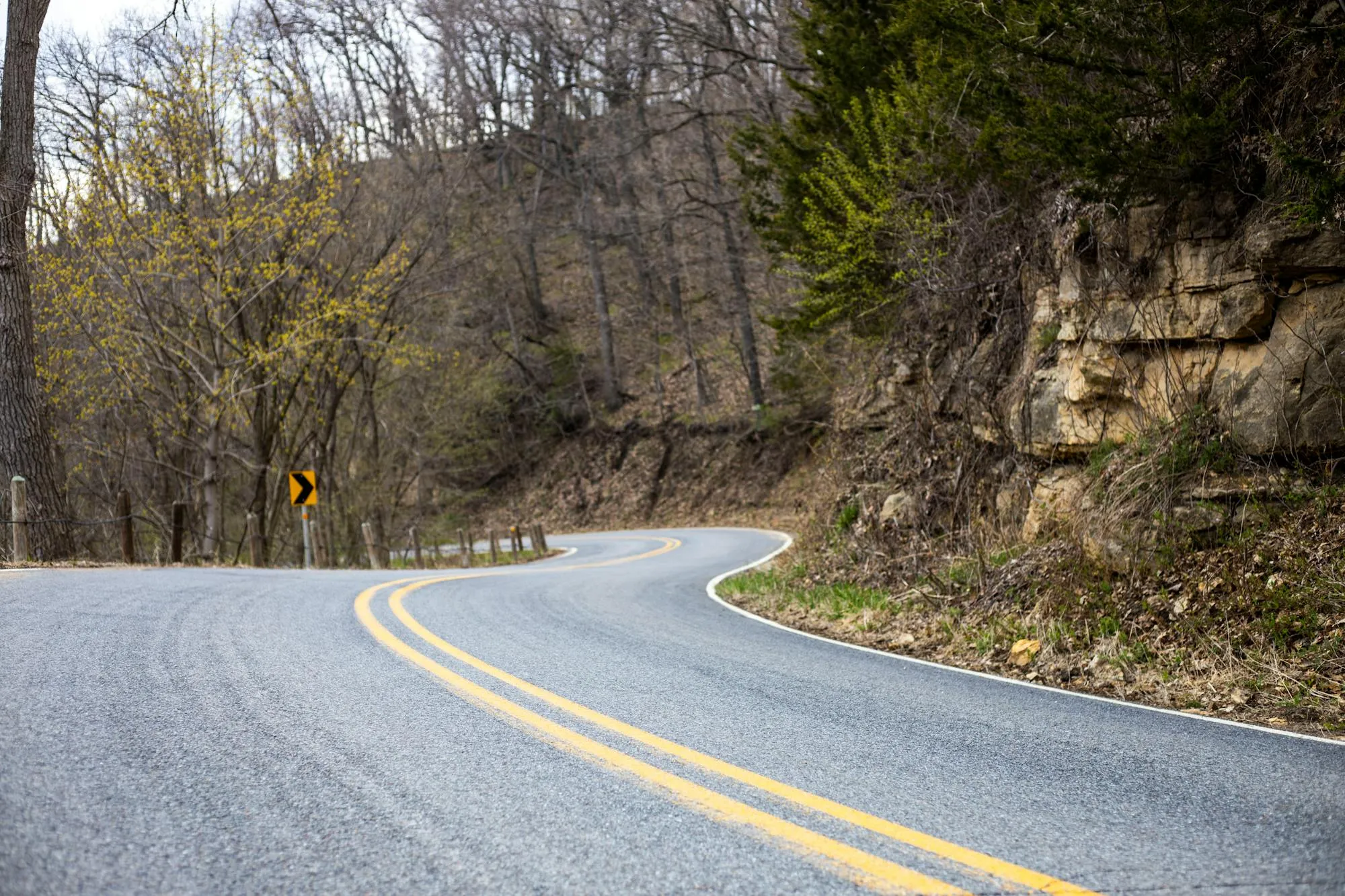
A winding two-lane asphalt road in the Appalachian mountains, photographed in dry daylight. Yellow double-center line markings guide through a series of tight left-hand curves. Dense deciduous and evergreen forest flanks both sides; a rock cut is visible on the right. The road surface and geometry suggest a technical, high-traffic riding corridor popular with motorcyclists.
Chris Flaten / Pexels

The Truth on the Street

This section is not my own riding impression. It collects what I've heard over the years in paddock conversations, owner chats and club-night talk, and in the messages riders send me directly. On the Ninja 500 SE the pattern is consistent. Owners trust how easily it rides, and their complaints are mostly about refinement. They often compare it with the Ninja 400.

A brake and chassis riders trust

The front brake gets the most praise. Riders consistently call the Nissin setup the best in its price class, with strong stopping power and clear feedback at the lever. The chassis earns similar respect. Owners describe the handling as predictable and confidence-inspiring, and many say it feels properly sorted for what the bike costs. New and returning riders often call the engine friendly, with broader low and midrange pull than the Ninja 400. Owners also mention that the clutch pull is lighter than on the 400. The ergonomics get good marks from riders of different sizes. A 6-foot rider swings a leg over without fuss, and shorter riders point to Kawasaki's Ergo-Fit accessories as the way to get comfortable.

Measured against the old 400

The Ninja 400 comes up in the complaints too. Owners feel the real-world performance gain is slight, especially since the SE weighs more at the curb, so the net improvement on the road seems small to them. Vibration is another point of comparison. Reviewers and owners alike describe the buzz at higher revs as a step backwards from the 400. The mirrors draw the most frequent complaint of all, and owners have already built a large aftermarket for replacements. Some owners mention the exhaust heat shield, which they say gets in the way of the right heel during normal riding. They say this flaw carried over from the 400. Riders who push harder note that the fork has no adjustment, which limits how much they can tune it for spirited riding or track days.

Known issues

  • Improperly welded clutch release shaft (recalled)

    drivetrain occasional Recall

    A sub-batch of MY2024 bikes built between 22 January 2024 and 6 February 2024 received clutch release shafts welded with welding-machine "trial parts." The weld can fail in service, breaking the clutch lever and preventing clutch disengagement. The bike can lurch forward at a stop or remain immobilised. Kawasaki dealers replace the shaft free of charge. Affected: Ninja 500 ABS, KRT Edition, KRT Edition SE ABS, SE ABS, SE 40th Anniversary Edition ABS, Z500 ABS, Z500 SE ABS — total 3,742 units in the US.

  • Buzzy fairing-mount mirrors blur at higher RPM

    bodywork common

    The fairing-mounted stock mirrors are small and prone to vibration-induced blur at sustained higher engine speeds. Aftermarket bar-end mirrors and replacement-mirror solutions are widely available and explicitly marketed for this generation.

  • Increased NVH versus Ninja 400, particularly above 6,000 rpm

    engine occasional

    Owners and reviewers across multiple regions report the new EX500 platform vibrates more noticeably than the Ninja 400 it replaces, particularly at sustained highway RPM. Distinct from the mirror-blur complaint: vibration is felt through the pegs, bars, and seat directly. Above cruising speed, the handlebar develops a noticeable buzz.

The Expert Benchmark

Where this Kawasaki Ninja 500 SE ABS pulls ahead of — or falls behind — its rivals on the numbers, and the typical bike in its class on character.

What kind of bike this is — character vs. the class

This bike Class average

The shape of the Kawasaki Ninja 500 SE ABS — numbers and character vs. the average Supersport

Head-to-head: Kawasaki Ninja 500 SE ABS vs. its rivals

The Handshake Score

Forget spec-sheet bragging. Here's who the Ninja 500 SE ABS is actually built for.

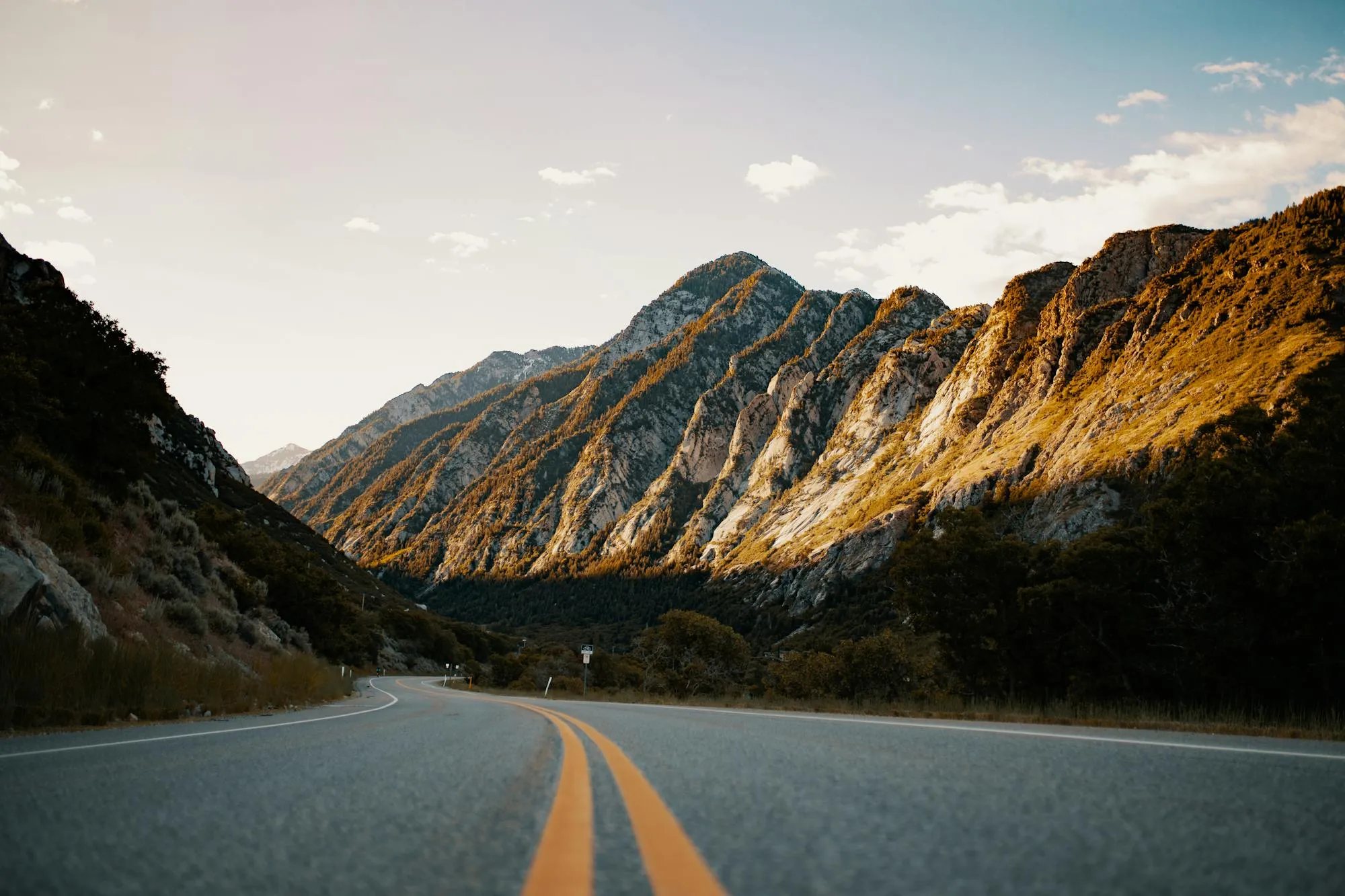
A scenic view of Angeles Crest Highway winding through rugged Southern California canyon terrain. Rocky mountainsides with golden earth tones frame the asphalt road with tight sweeping curves. Double yellow center line visible, sparse vegetation along the shoulders, clear blue sky with white clouds. Daylight, dry conditions. Iconic location for canyon-road enthusiasts.
Josh Sorenson / Pexels

Best motorcycle for Tail of the Dragon?

If your weekends are Cherohala and the Dragon, this fits. Low weight and lean angle to spare let you work on line accuracy and corner speed instead of managing horsepower you never get to use.

Made for Tail of the Dragon · Back of the Dragon · Blue Ridge Parkway

Best motorcycle for Angeles Crest?

For precision on Angeles Crest this is a sharp tool, and it will keep up with faster bikes in the tight stuff. If you want big drive out of the long canyon straights, look higher up the range.

Made for Angeles Crest Highway · Coronado Trail Scenic Byway · Big Sur Coast Highway

Best motorcycle for Texas Hill Country?

Cheap to run and easy to ride all day, so the Twisted Sisters loop stays fun and inexpensive. The trade is highway buzz above 6,000 rpm on the long transit stretches to get there.

Made for Texas Hill Country · Texas Hill Country BDR-X · Twisted Sisters

Find it in these lists

Compare it with every bike that shares the same spec or equipment.