
Kawasaki Ninja e-1 (MY2024) — Supersport
Kawasaki press archive

2024 · Supersport · Buyer's Guide

Ninja e-1 (MY2024)

4 / 5 NastyNils Rating · against its class

City Electric, Ninja Soul

The Machine's Character

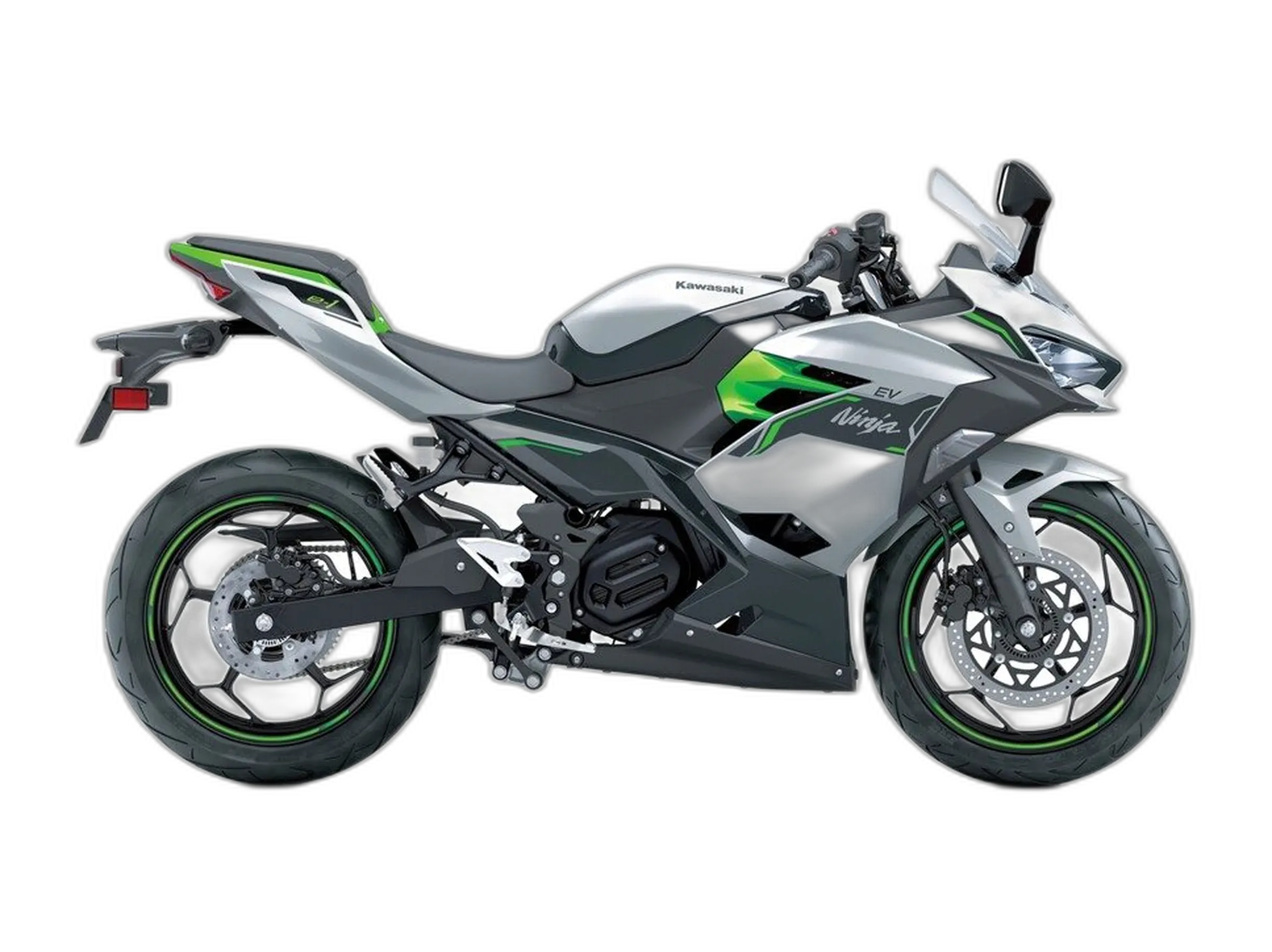
The Ninja e-1 is Kawasaki's first electric sportbike. It has the Ninja family's fairing and stance, but it doesn't pretend to be a fast machine. An air-cooled electric motor makes 12 hp and 30 lb-ft. Two removable 30 Ah battery packs feed it, and it drives through a single-speed gearbox. Underneath are a steel trellis frame, a 1.6 in (41 mm) telescopic fork and 17-inch wheels, plus a single disc at each end with ABS. Ride modes, a TFT dash with smartphone connectivity and an LED headlight complete the package. This is a city sportbike in the plainest sense: it looks like a Ninja, but it's sized and tuned for streets with stoplights.

Light, easy handling defines this bike. It turns with almost no input, feels settled at the speeds it can reach and never asks too much of a new rider. Running costs stay low, and the package feels solid in the honest, no-drama way Kawasaki does best. It suits urban commuters and beginners who want a real motorcycle without a clutch to manage. The caveat is a big one. Top speed is 65 mph (105 km/h), and only with the temporary e-Boost. Range is roughly 41 mi (66 km) in Road mode. That rules out highways and road trips. By supersport standards it's slow, and it has no traction control or cornering ABS. As a city tool, it makes complete sense.

Hard Numbers

Spec sheets don't ride bikes, but they set the baseline.

Show full specs & equipment Hide specs & equipment
Key specifications
Power 12 hp (9 kW)
Torque 30 lb-ft (40 Nm)
Engine Electric
Cooling Air-cooled
Gearbox 1-speed
Fork Telescopic
Front brake 290 mm
Front tire 100/80-17
Rear tire 130/70-17
Wheelbase 53.9 in (1369 mm)
Seat height 30.9 in (785 mm)
Wet weight 309 lb (140 kg)
Top speed 65 mph (105 km/h)

Equipment check

Chassis

  • Rear Suspension Adjustable Standard

Connectivity

  • TFT Display Standard
  • Smartphone Connectivity Standard

Lighting

  • LED Headlight Standard

Safety

  • ABS Standard
  • Ride Modes Standard
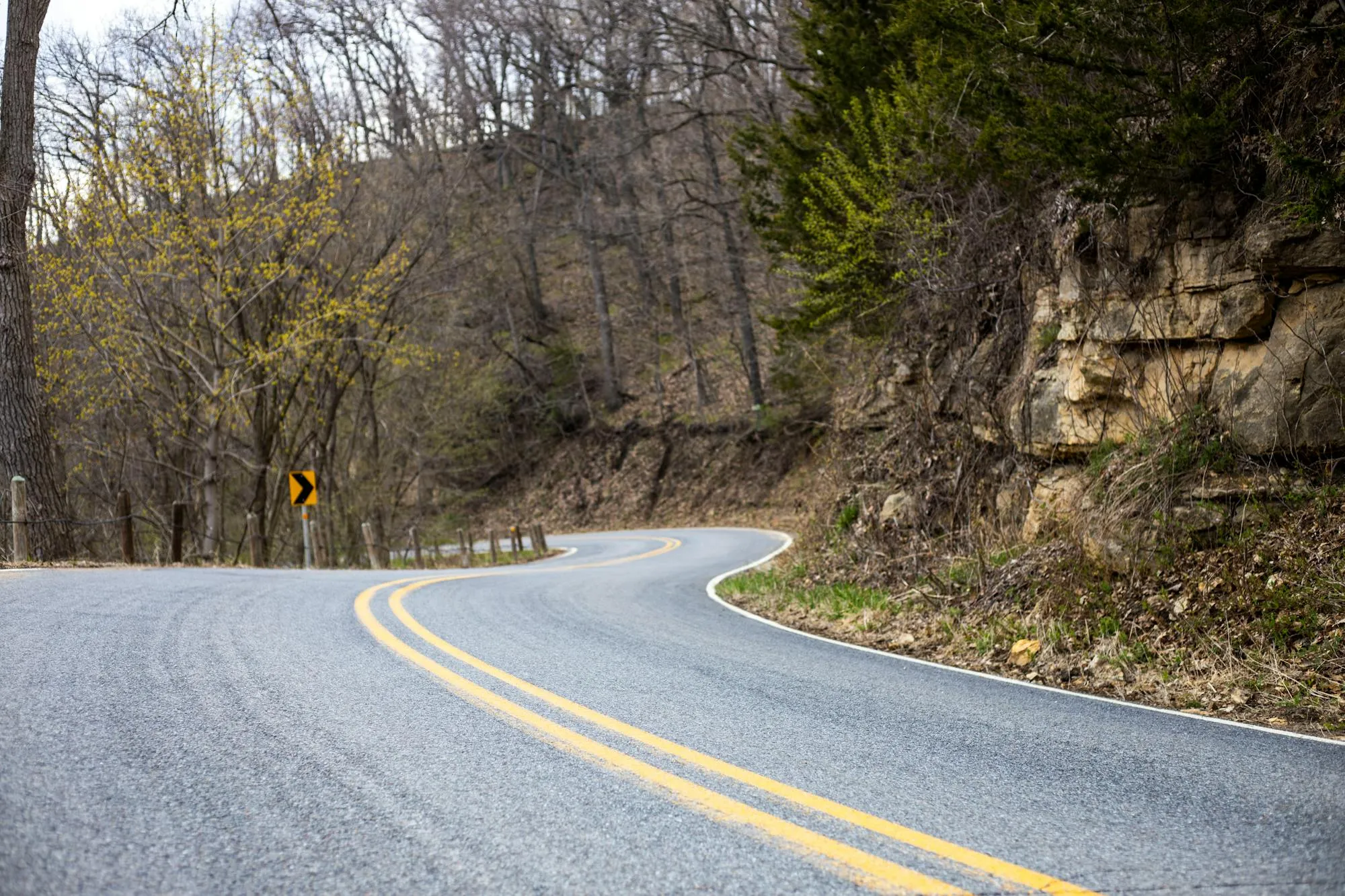
A winding two-lane asphalt road in the Appalachian mountains, photographed in dry daylight. Yellow double-center line markings guide through a series of tight left-hand curves. Dense deciduous and evergreen forest flanks both sides; a rock cut is visible on the right. The road surface and geometry suggest a technical, high-traffic riding corridor popular with motorcyclists.
Chris Flaten / Pexels

The Truth on the Street

This picture comes from years of listening to riders: paddock conversations, chats with owners, club-night talk and the messages people send me directly about the bikes they live with. On the Ninja e-1 the pattern is consistent. Owners like how calm and easy it is around town. Range, top speed and charging time mark out where it stops working for them.

Smooth, light and easy in town

The power delivery gets the most praise. Riders describe it as instant, smooth and linear, which makes stop-and-go traffic feel effortless. Many also call it light and nimble, and say it corners with confidence. Owners without a garage or dedicated parking value that the two battery packs come off and charge indoors. The near-silent motor comes up too, especially from riders in residential neighborhoods, who say it makes the whole ride more relaxed.

Range, speed and the wait to recharge

Range is the most common complaint. Owners say it limits the bike to short urban trips, and that it drops further with spirited riding or in cold weather. Top speed comes next. Even with e-Boost, riders find it too slow to feel safe on the interstate, so they keep to slower roads. Some mention that passing at city speeds takes planning and a press of e-Boost. Charging also draws gripes: each pack needs about 3.7 hours, so recharging both takes roughly 7.4 hours, which riders find awkward for longer outings.

Known issues

  • Drive battery terminal failure causing sudden power loss

    electrics rare Recall

    Improper manufacturing of the drive battery connector can cause the terminal to cave in, leading to intermittent connection and potential motor stall. This was subject to NHTSA recall 25V-118, requiring inspection and possible replacement of battery packs.

The Expert Benchmark

Where this Kawasaki Ninja e-1 pulls ahead of — or falls behind — its rivals on the numbers, and the typical bike in its class on character.

What kind of bike this is — character vs. the class

This bike Class average

The shape of the Kawasaki Ninja e-1 — numbers and character vs. the average Supersport

The Handshake Score

Forget spec-sheet bragging. Here's who the Ninja e-1 is actually built for.

A scenic view of Angeles Crest Highway winding through rugged Southern California canyon terrain. Rocky mountainsides with golden earth tones frame the asphalt road with tight sweeping curves. Double yellow center line visible, sparse vegetation along the shoulders, clear blue sky with white clouds. Daylight, dry conditions. Iconic location for canyon-road enthusiasts.
Josh Sorenson / Pexels

Best motorcycle for Tail of the Dragon?

It carves tight corners with almost no effort. But a 65 mph top speed and about 41 mi of range mean it can't make the highway run to the Dragon. Keep it for town.

Made for Back of the Dragon · Blue Ridge Parkway · Cherohala Skyway
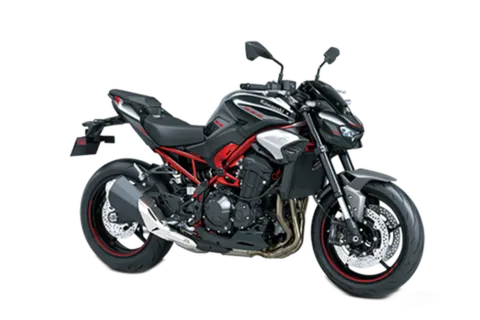
Best motorcycle for Angeles Crest?

It's light and eager in the bends, but 12 hp and a 65 mph ceiling won't keep pace on Angeles Crest, and LA freeways are out. It's a city bike in canyon clothes.

Made for Angeles Crest Highway · Coronado Trail / US 191 · Highway 1 / Big Sur

Best motorcycle for Texas Hill Country?

Hill Country weekends mean distance, and roughly 41 mi of range ends the road trip before the BBQ. It's fun for short hops around Austin. For the Twisted Sisters, look elsewhere.

Made for Austin / Texas Hill Country · Twisted Sisters · Austin / Handbuilt Motorcycle Show

Alternatives to the Kawasaki Ninja e-1

If this one isn't quite the fit, these are the bikes worth riding back-to-back against it.

Any price note compares both bikes at the same age — the youngest age both have on the used market — against this Kawasaki Ninja e-1. “cheaper/pricier” is what that bike costs second-hand, not how worn it is.