By NastyNils·
Motorcycle comparison · Naked Bike
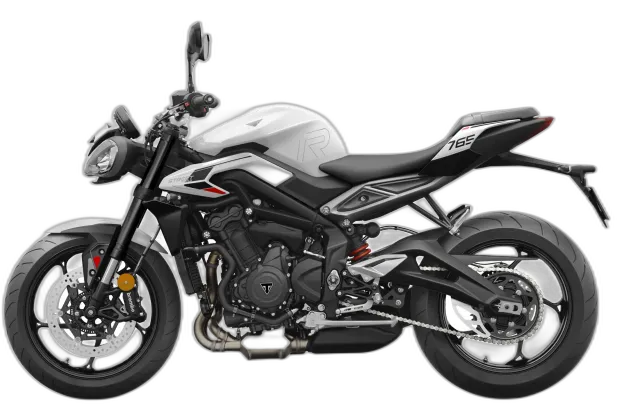
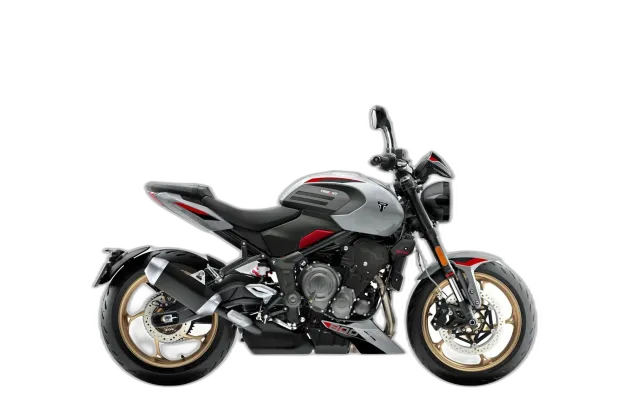
Triumph Trident 800 (MY2026) vs Trident 660 (MY2025)
Triumph Trident 800 vs Trident 660: no fairing, no excuses. Here's how to pick.
You'll feel the Triumph Trident 800's front end settle at turn-in and talk back as it takes its line. On the Triumph Trident 660, the bar doesn't need more than a nudge to tip in. Its nose snaps onto the inside line right away.
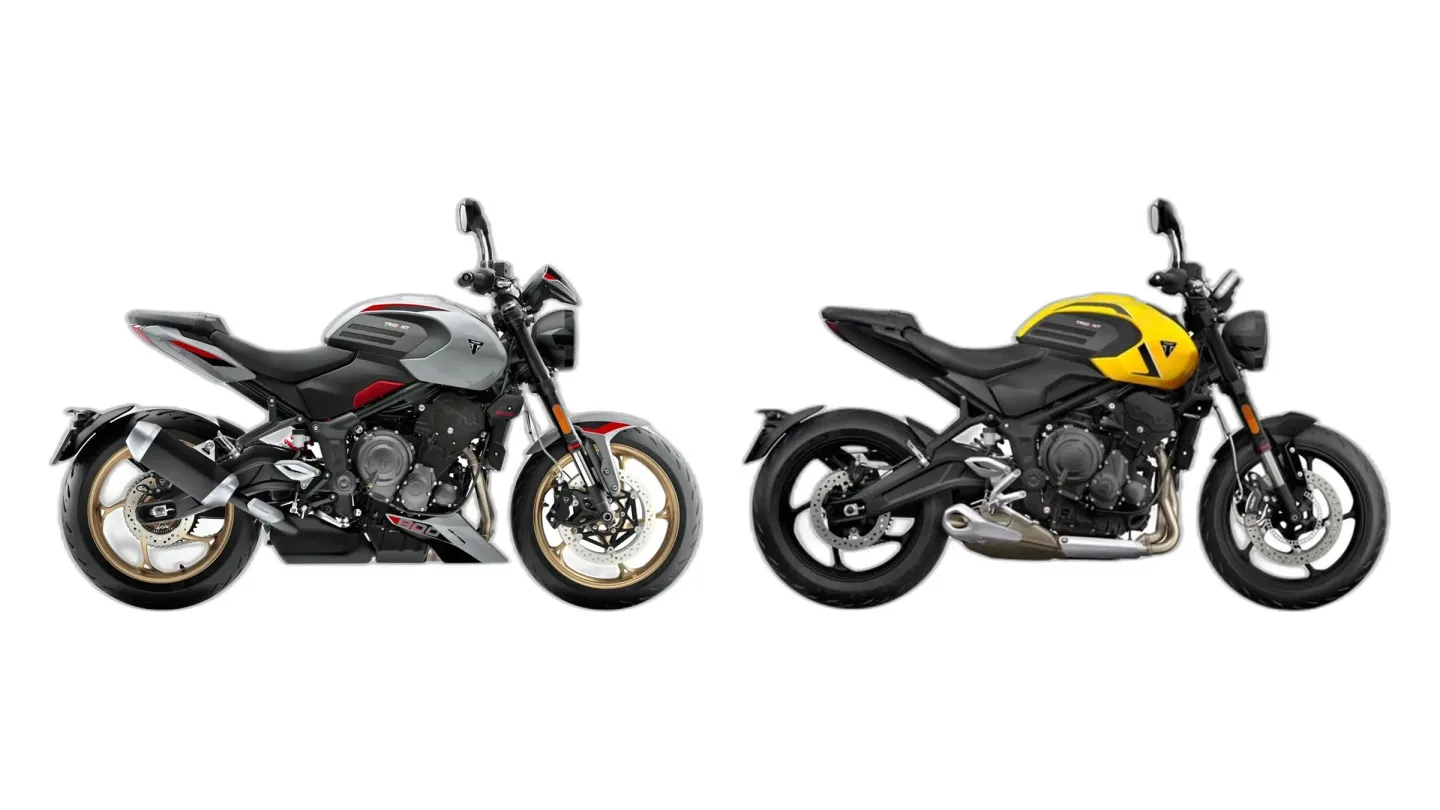
What makes each one tick
Trident 800
Up on the Trident 800's tall, roomy seat, you're sitting upright while the triple pulls evenly from low revs and then rushes hard near the top. A broken patch of pavement doesn't upset it: the suspension soaks up the hit and the chassis stays put. The brakes bite progressively. Its exhaust sings with an unmistakable three-cylinder voice.
Trident 660
At 419 lb (190 kg) with a low seat, the Trident 660 slips through San Francisco traffic and changes direction in an instant. There's no snatch from the throttle, just a pull that swells steadily as revs climb. Sloppy throttle work goes unpunished. The tach needle's happiest sweeping toward redline.
The Voice of Experience

What actually separates them
- The Trident 660 has the lower wet weight: 419 lb (190 kg) vs 437 lb (198 kg).
- The Trident 800 makes more peak power: 113 hp (85 kW) vs 80 hp (60 kW).
- The Trident 800 makes more peak torque: 62 lb-ft (84 Nm) vs 47 lb-ft (64 Nm).
Which one for the way you ride
Comfortable long-distance riding
Not built for this
Neither one is built for long-haul comfort. For big miles, look at a proper tourer or sport tourer.
A confidence-building first motorcycle
Not its job: Trident 800
Leave the Trident 800 for your second or third bike. It's too much to learn on.
Don't look for a gap on commuting, twisty roads, and running costs: there isn't one. Go by how each one fits you.
Who each one is built for
What's good, and what you'll live with
Trident 800
What owners say
Strengths
- Relaxed, all-day-comfort ergonomics
- Smooth, powerful, and characterful inline-triple engine
Trident 660
What owners say
Strengths
- Lightweight and nimble handling
- Smooth and forgiving power delivery
What they share
- Engine
- Inline-three
- Cooling
- Liquid-cooled
- Gearbox
- 6-speed
- Final drive
- Chain
- Fork
- Upside-down (USD)
- Front brake
- 310 mm
- Front tire
- 120/70-17
- Rear tire
- 180/55-17
Where the spec sheets split
| Trident 800 | Trident 660 | |
|---|---|---|
| Seat height | 31.9 in (810 mm) | 31.7 in (805 mm) |
| Wet weight | 437 lb (198 kg) | 419 lb (190 kg) |
| Trident 800 | Trident 660 | |
|---|---|---|
| Displacement | 798 cc | 660 cc |
| Power | 113 hp (85 kW) | 80 hp (60 kW) |
| Peak power at | 10,750 rpm | 10,250 rpm |
| Torque | 62 lb-ft (84 Nm) | 47 lb-ft (64 Nm) |
| Peak torque at | 8,500 rpm | 6,250 rpm |
| Trident 800 | Trident 660 | |
|---|---|---|
| Fuel capacity | 3.8 US gal (14.3 L) | 3.7 US gal (14 L) |
What comes fitted, what costs extra
| Trident 800 | Trident 660 | |
|---|---|---|
| Manually Adjustable Front Suspension | Standard | Not offered |
Head to head, area by area
Both bikes on the same scale, one area at a time.