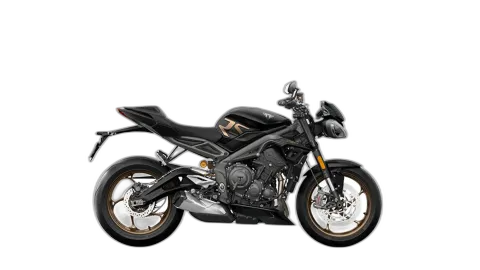

Triumph Street Triple 765 R (H801) — Naked Bike
NastyNils / Triumph press archive

2024 · Naked Bike · Buyer's Guide

Street Triple 765 R (H801)

Moto2 Soul, Street Triple Weight

The Machine's Character

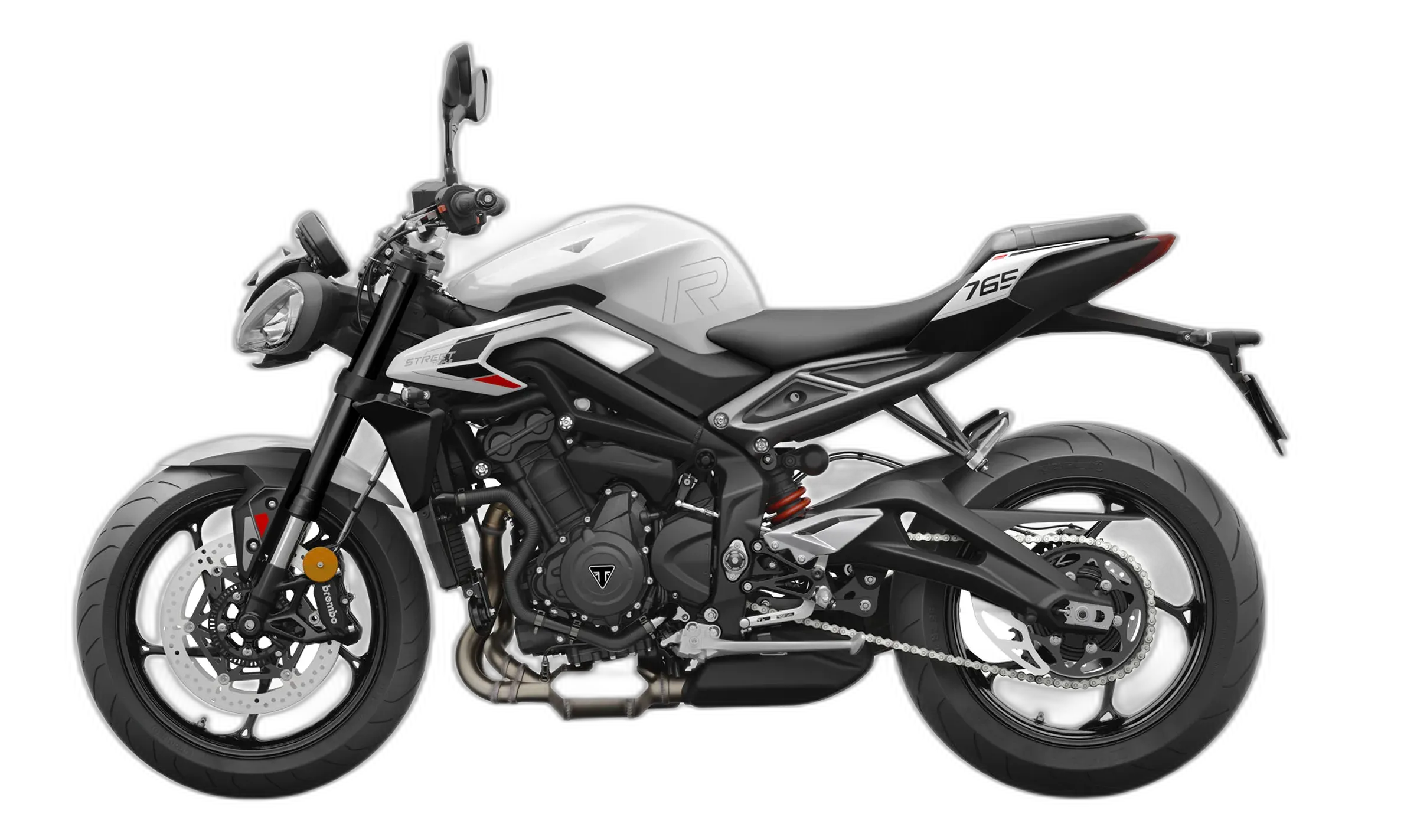
The Street Triple R runs a 765cc inline-three with Moto2-derived internals — machined combustion chambers and pistons, revised cam profiles, higher compression — the kind of attention normally reserved for homologation specials. It makes 118 hp at 11,500 rpm and 59 lb-ft at 9,500, and the figure matters less than how it's used: this is power sized for real roads, not padded for a brochure. Short overall gearing keeps it eager out of every corner. Wrap that in a light aluminum twin-spar chassis with lean-sensitive electronics, and you have a middleweight naked that earns its place near the top of the class.

On the road it stays light, flickable, and composed even as the pace climbs and the tarmac turns ragged. The 32.5 in (826 mm) seat works for a wide range of riders, and dealers can fit a lower accessory seat for anyone who'd otherwise be stretching. This is a bike for riders who live for twisty roads and want feedback over brute force — canyon regulars, technical-corner specialists, weekend backroad hunters. The honest caveat: the 4.0 gal (15 L) tank empties fast when you ride it the way it asks to be ridden, and small-handed riders will want an aftermarket clutch lever from day one.

Hard Numbers

Spec sheets don't ride bikes, but they set the baseline.

Show full specs & equipment Hide specs & equipment
Key specifications
Power 118 hp (88 kW) @ 11,500 rpm
Torque 59 lb-ft (80 Nm) @ 9,500 rpm
Displacement 765 cc
Engine Inline-three
Bore × stroke 78 × 53.4 mm
Compression 13.2:1
Cooling Liquid-cooled
Fuel system Fuel injection
Gearbox 6-speed
Final drive Chain
Frame Aluminum twin-spar
Fork Upside-down (USD)
Front brake 310 mm
Rear brake 220 mm
Front tire 120/70 ZR17
Rear tire 180/55 ZR17
Wheelbase 55.2 in (1402 mm)
Seat height 32.5 in (826 mm)
Wet weight 417 lb (189 kg)
Fuel capacity 4.0 gal (15 L)
Fuel economy 45 mpg (US)

Equipment check

Chassis

  • Front Suspension Adjustable Standard
  • Rear Suspension Adjustable Standard

Connectivity

  • Smartphone Connectivity Optional

Drivetrain

  • Slipper Clutch Standard

Lighting

  • LED Headlight Standard

Safety

  • ABS Standard
  • Traction Control Standard
  • Ride Modes Triumph Ride-by-Wire Throttle Maps Selectable ride modesRefined throttle response Standard

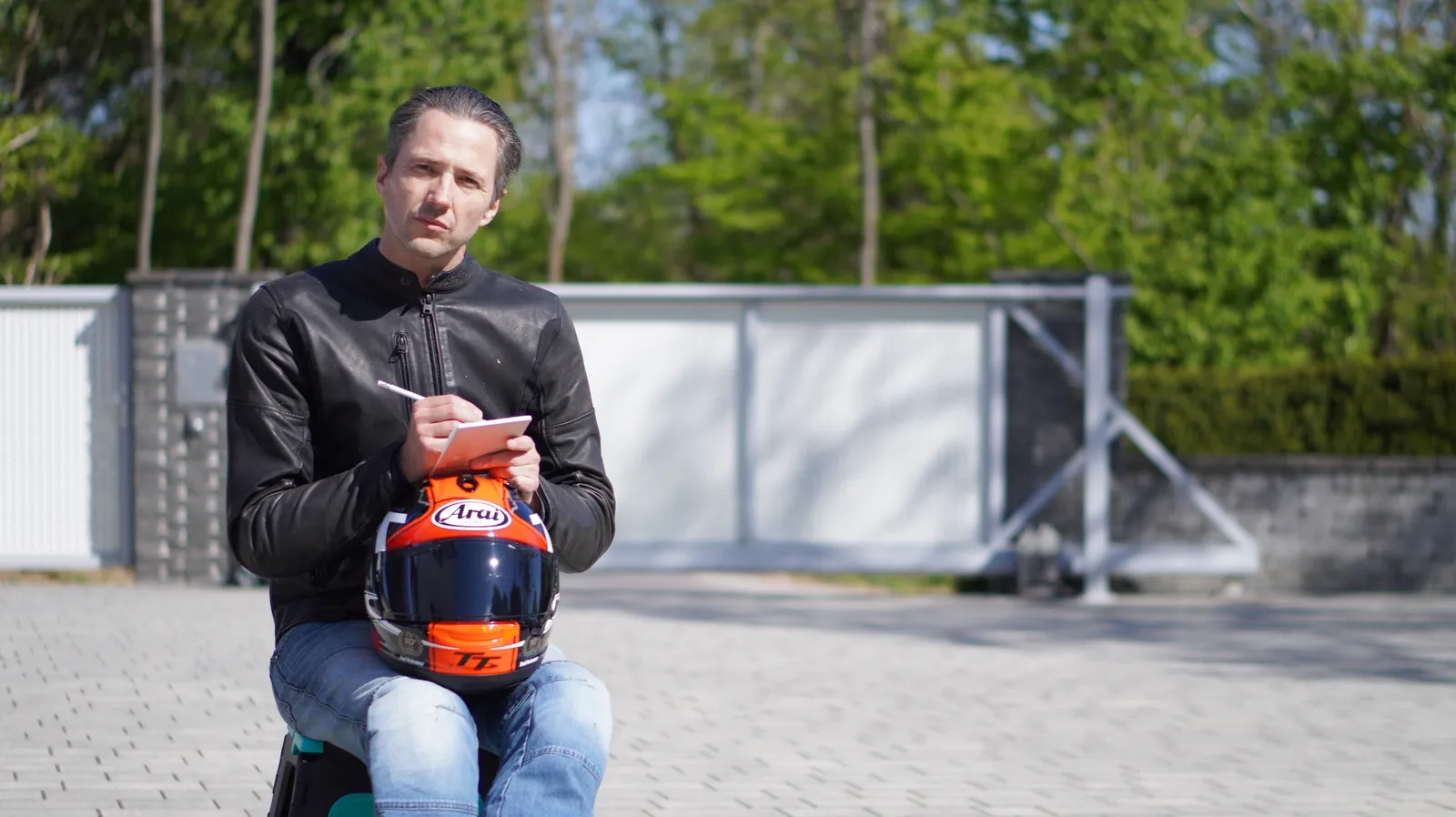
The Voice of Experience

Portrait of NastyNils

The test ride

Thumb the starter and the airbox does the talking — a proper intake growl that's mechanical and real, with the exhaust kept restrained behind it. The triple stays smooth where it counts, so long days don't leave you buzzed out. What surprised me most was how planted it stays when you push hard on broken pavement: no chatter, no nervous wobble, just a chassis that holds its line while feeling light enough to redirect on a thought. Under hard drive the front stays settled and the traction control reads as grip rather than interruption — you never feel it step in, you just feel the bike hook up. The riding position is welcoming and the seat sits within easy reach. The one sour note is the clutch lever: reach reads long for smaller hands, and you'll notice it in traffic.

Rated point by point — where it earns its keep

My own 0–100 score for this bike against the class, area by area — the marker on each bar is the class average.

This is where the bike won me over. It sits noticeably lighter than comparable high-output nakeds, and that gap shows up in every direction change and every late tip-in. What surprised me was the composure: I pushed hard on broken, ragged tarmac — fast, not careful — and the chassis stayed planted, no chatter, no nervous wobble. Under hard drive the front holds and the traction control reads as grip rather than intervention. You never feel it step in; you just feel it hook up.

Wind it out of a corner and the bike simply lunges forward. Triumph ran shorter overall gearing right when the rest of the industry was stretching ratios longer, and you feel that decision every single time you crack the throttle. Every corner exit turns into a small launch. It's a deliberate choice that makes the bike feel alive and urgent on the kind of twisty road it's built for, and it's one of my favorite things about how it drives.

What I keep coming back to is how much real engineering went inside this triple. Triumph machined the combustion chambers and pistons and reworked the cams and compression — homologation-grade attention — and you feel it as eagerness right through the rev range, not just a top-end rush. The output is sized for actual roads, so I'm using the whole engine on a country run instead of the bottom third. And the intake howl is genuine, mechanical, part of the experience rather than dialed in afterward.

Brake hard into a turn and the IMU feeds in a measured amount of rear pressure to keep the bike level through the zone. The effect is subtle but real: it tracks toward the apex without fighting itself. I can brake deep, point it in, and it just follows — no fuss, no instability deep into the corner where a lot of bikes start to feel busy. The system works with you instead of announcing itself.

Here's the honest catch. Ride this bike the way it begs to be ridden and fuel consumption climbs fast. Paired with a modest tank, throttle-happy riders will be planning fuel stops much sooner than they'd expect — comfortable range disappears quickly once you're really on it. It's not a fault so much as the cost of the way this engine wants to be used. Ride it gently and it's fine; ride it hard, which is the whole point, and you'll watch the range drop.

The stock seat works for a wide range of riders, and for anyone who'd otherwise be stretching, dealers can fit a lower accessory seat that drops it into easy reach. So far, so welcoming — which makes the one sour note stand out. The clutch lever reach is a real problem for smaller hands. An aftermarket adjustable lever stops being an upgrade and becomes a necessity. Everything else about this bike invites you in; this single control doesn't match the rest.

The R skips the color TFT screen, and on paper that reads like a downgrade. In practice it surprised me. The simpler display actually navigates faster — fewer button presses to reach the menu I want than on the TFT-equipped version. Some riders will still miss the screen, and I understand that. But day to day, the compromise mattered far less than I expected, and the quicker menus are a genuine, if small, point in its favor.

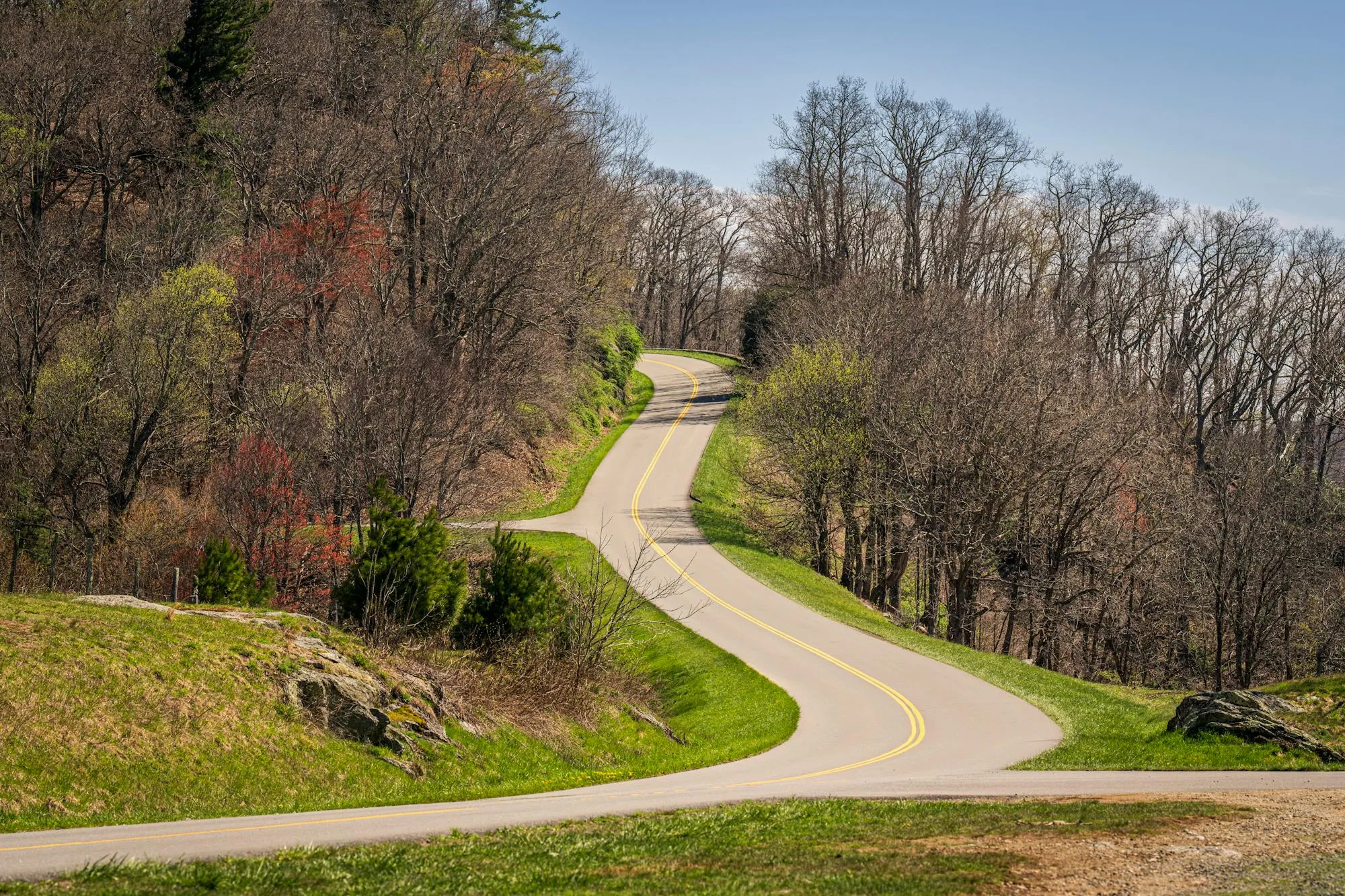
A winding asphalt road descending through the Appalachian Mountains, likely the famous Tail of the Dragon section in Tennessee and North Carolina. Multiple technical right-hand and left-hand curves are visible in this aerial perspective, surrounded by deciduous forest in spring foliage. Clear sunny conditions, well-maintained asphalt with yellow center lines marking the curves. No motorcycle or rider visible in the frame.
Mark Stebnicki / Pexels

The Truth on the Street

I've spent years reading the comments under my videos, following the forum threads, talking to owners in the paddock, and reading the emails and messages riders send me directly. On the Street Triple 765 R, the chatter lines up tighter than usual. The praise centers on the triple and the chassis, and the gripes are few and specific.

The triple, the chassis, the kit

Riders come back to the engine first, every time: a broad, muscular mid-range, a top-end rush, and that addictive howl they rank as the best in the class. Close behind is the handling. They describe it as light, flickable, and precise everywhere, agile no matter where the road points. Owners consistently flag the electronics too, surprised to find lean-sensitive traction control, a quickshifter, and multiple ride modes standard on a middleweight. Many also single out the finish and build quality, saying it looks and feels expensive, and more than a few call out the value for what you get.

Where riders push back

The complaints are narrow. Some owners find the suspension firm on bumpy roads in its factory settings, enough to wear on them over long distances. A few also mention the fuel range, noting the smaller tank means stopping sooner, around 174 miles (280 km), and planning fuel into a longer ride.

Known issues

  • Quickshifter downshift hiccup at high rpm

    drivetrainrare

    Some riders report the quickshifter occasionally refusing to downshift at high engine speeds, likely due to over-rev protection logic, though it’s not widespread.

  • Potential engine/clutch cover gasket leak

    enginerare

    A few owners on forums have noted minor oil weeping from the engine or clutch cover gasket on early bikes, which may require resealing under warranty.

The Expert Benchmark

Where this Triumph Street Triple 765 R pulls ahead of — or falls behind — its rivals on the numbers, and the typical bike in its class on character.

What kind of bike this is — character vs. the class

This bike Class average

The shape of the Triumph Street Triple 765 R — numbers and character vs. the average Naked Bike

Head-to-head: Triumph Street Triple 765 R vs. its rivals

The 'Should I Buy It?' Score

Forget spec-sheet bragging. Here's who the Street Triple 765 R is actually built for.

A scenic view of Angeles Crest Highway winding through rugged Southern California canyon terrain. Rocky mountainsides with golden earth tones frame the asphalt road with tight sweeping curves. Double yellow center line visible, sparse vegetation along the shoulders, clear blue sky with white clouds. Daylight, dry conditions. No motorcycle or rider visible. Iconic location for canyon-road enthusiasts.
Josh Sorenson / Pexels

Best motorcycle for Angeles Crest?

If your weekends mean Angeles Crest and the canyons above LA, this is squarely your bike — light, precise, and feelsome, with power sized to use hard on real roads rather than just chase a top number.

Made for Angeles Crest Highway · Coronado Trail / US 191 · Highway 1 / Big Sur
Best motorcycle for Tail of the Dragon?

For Dragon-and-Cherohala riders chasing skill over speed, the Street Triple R rewards precision — light handling, real feedback, and a chassis that stays composed when the corners get tight and the surface rough.

Made for Back of the Dragon · Blue Ridge Parkway · Cherohala Skyway

Best motorcycle for Bay Area?

Commuting the city and meeting up on Skyline, you get a bike that's easy to live with daily yet sharp on the ridge roads — light, good-looking, and characterful enough to stand out at Alice's.

Made for Bay Area Ridge Roads · San Francisco / Bay Area · Skyline Boulevard / Alice's Restaurant