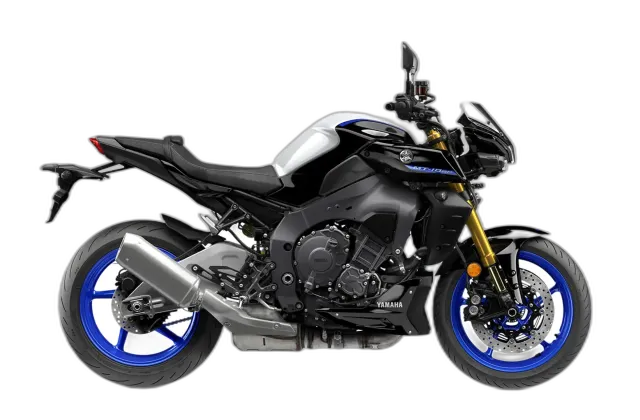
By NastyNils·
Motorcycle comparison · Hyper Naked
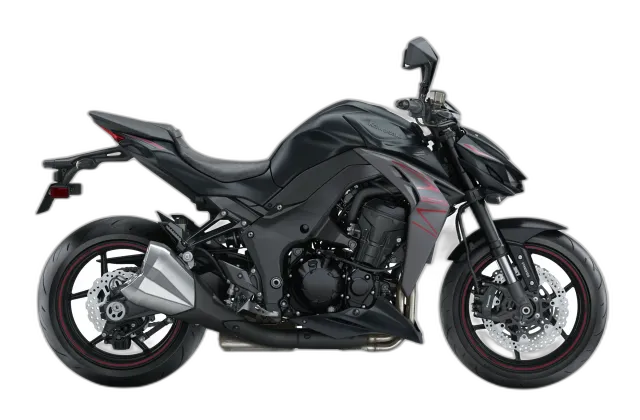
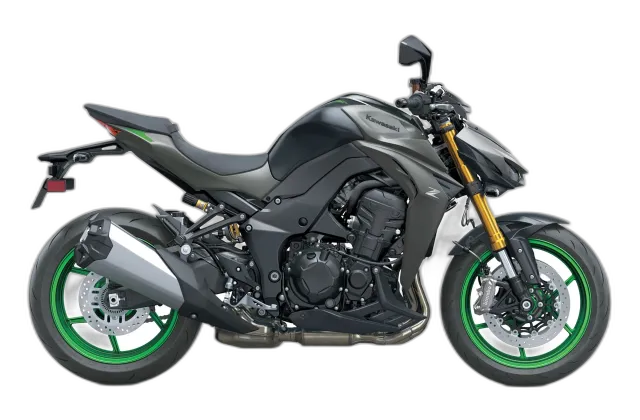
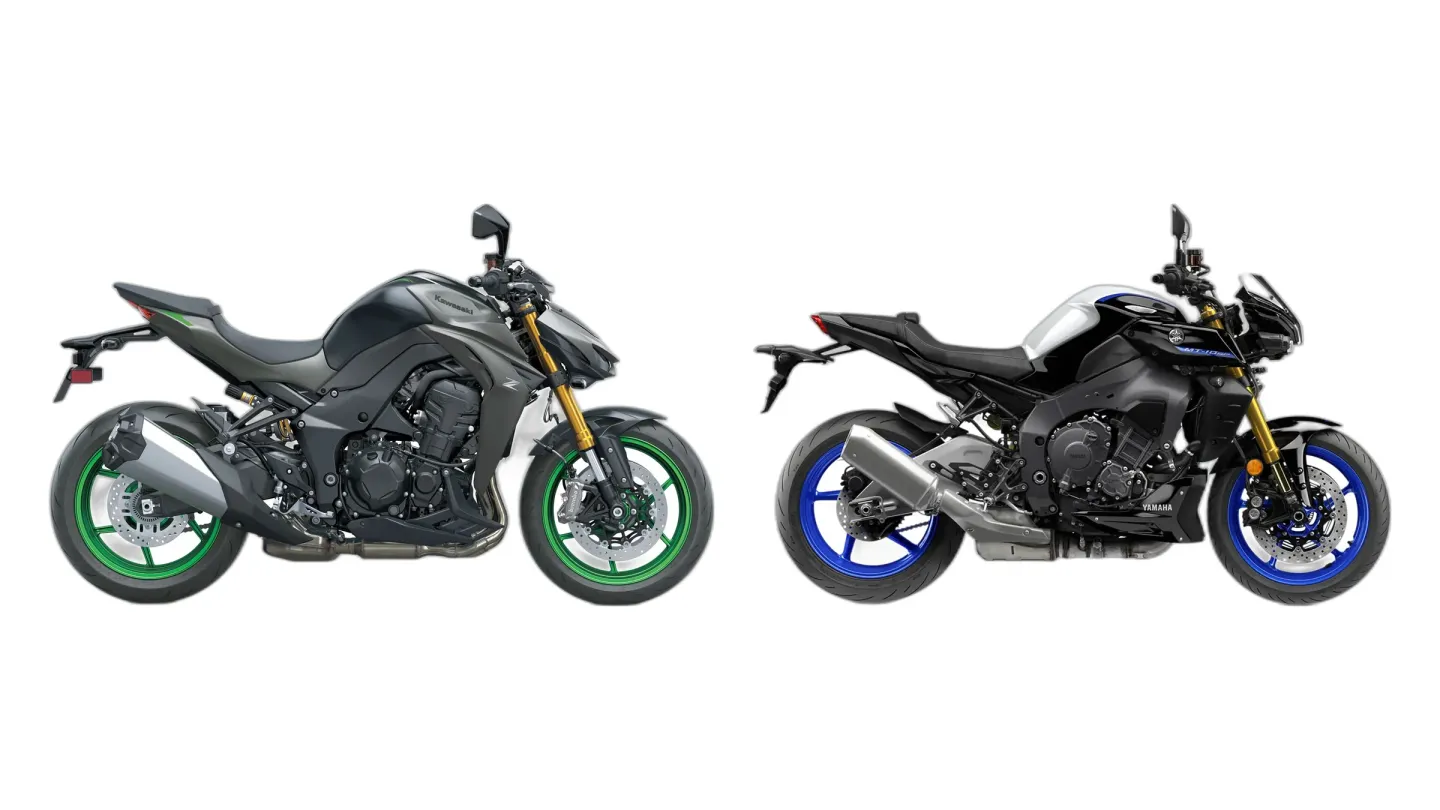
Kawasaki Z1100 (MY2026-SE) vs Yamaha MT-10 (RN78-SP)
Kawasaki Z1100 vs Yamaha MT-10: which one to buy, and what actually separates them.
Roll the Kawasaki Z1100's throttle open from low revs and it's already pulling hard through the middle of the tach. The Yamaha MT-10 picks up off a shut throttle instantly.
So which one do you buy?
The MT-10 has the edge if…
Character, looks and sound
Slight edge: MT-10
The MT-10 carries slightly more attitude. Most of that is more distinctive styling and a better engine note. A close call, and a personal one.
Racetrack use
Inches ahead: MT-10
Track days lean slightly toward the MT-10. It's down to more suspension adjustment. Count it as a small bonus.
Sporty riding on twisty roads
By a nose: MT-10
Once the road starts to bend, the MT-10 noses ahead. Thank better suspension for that. Your own skill counts for more than a gap this size.
What makes each one tick
Z1100
Creamy grunt spills out of the Z1100's inline-four from low rpm, and speed stacks up without fuss. On the Angeles Crest Highway, it's that thick shove that turns a pass on a slower car into a short job. Corner entry doesn't need to be rushed when there's grunt waiting at the exit. Parked, its sharp lines still crouch.
MT-10
Hard on the brakes into a bend, the MT-10 stays composed while each downshift gets a properly matched blip. There's no clunk from the gearbox. A bump mid-corner doesn't push the chassis wide, and the semi-active Öhlins answers each mode change in a way you'll feel. The front stays right where you've put it.
Nils rode the MT-10 in Slovakia in 2023 (NastyNils Testride).
The Voice of Experience

What actually separates them
- The Z1100 has the lower seat: 32.1 in (815 mm) vs 32.9 in (835 mm).
- The MT-10 has the lower wet weight: 472 lb (214 kg) vs 487 lb (221 kg).
- The MT-10 makes more peak power: 166 hp (122 kW) vs 136 hp (100 kW).
Which one for the way you ride
Comfortable long-distance riding
Neither is a natural fit
Hours in the saddle won't flatter either of these. They're happier on shorter runs.
Look at commuting and you'll find two bikes doing the same job equally well. Fit is what breaks the tie.
Who each one is built for
What's good, and what you'll live with
Z1100
What owners say
Strengths
- Smooth, flexible engine with strong midrange
MT-10
Strengths
- Öhlins Range You Can Feel
- Holds Your Line Exactly
- Quickshifter Nails Every Downshift
- Öhlins ERS transforms chassis composure
- Sharper, more legible TFT dashboard
Trade-offs
- Soft Front Brake Lever
- Fades Against The Wildest
- No USB, No Phone Link
- Limited wind protection at sustained high speeds
- High price premium over base RN78
What they share
- Engine
- Inline-four
- Cooling
- Liquid-cooled
- Fuel capacity
- 4.5 US gal (17 L)
- Gearbox
- 6-speed
- Final drive
- Chain
- Fork
- Upside-down (USD)
- Front tire
- 120/70-17
Where the spec sheets split
| Z1100 | MT-10 | |
|---|---|---|
| Seat height | 32.1 in (815 mm) | 32.9 in (835 mm) |
| Wet weight | 487 lb (221 kg) | 472 lb (214 kg) |
| Z1100 | MT-10 | |
|---|---|---|
| Displacement | 1099 cc | 998 cc |
| Power | 136 hp (100 kW) | 166 hp (122 kW) |
| Peak power at | 9,000 rpm | 11,500 rpm |
| Torque | 83 lb-ft (113 Nm) | 83 lb-ft (112 Nm) |
| Peak torque at | 7,600 rpm | 9,000 rpm |
| Z1100 | MT-10 | |
|---|---|---|
| Fuel economy | 42 mpg (US) / 5.6 L/100 km | 34 mpg (US) / 7 L/100 km |
| Z1100 | MT-10 | |
|---|---|---|
| Front brake | 310 mm | 320 mm |
| Rear tire | 190/50-17 | 190/55-17 |
| Wheelbase | 56.7 in (1440 mm) | 55.3 in (1405 mm) |
What comes fitted, what costs extra
| Z1100 | MT-10 | |
|---|---|---|
| Electronic Suspension | Not offered | Standard |
| Steering Damper | Not offered | Standard |
| Smartphone Connectivity | Standard | Not offered |
| USB Charging Port | Standard | Not offered |
Head to head, area by area
Both bikes on the same scale, one area at a time.