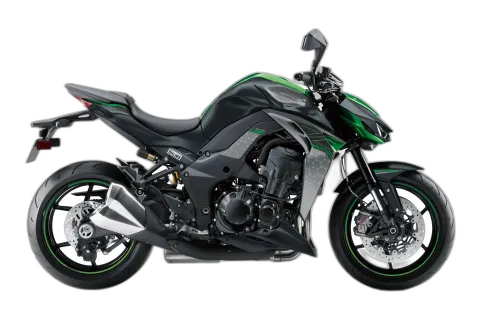
Kawasaki Z1000 (ZZRT00F) — Hyper Naked
Kawasaki press archive

2014–2020 · Hyper Naked · Buyer's Guide

Z1000 (ZZRT00F)

4 / 5 NastyNils Rating · against its class

Raw Pull, Zero Safety Net

The Machine's Character

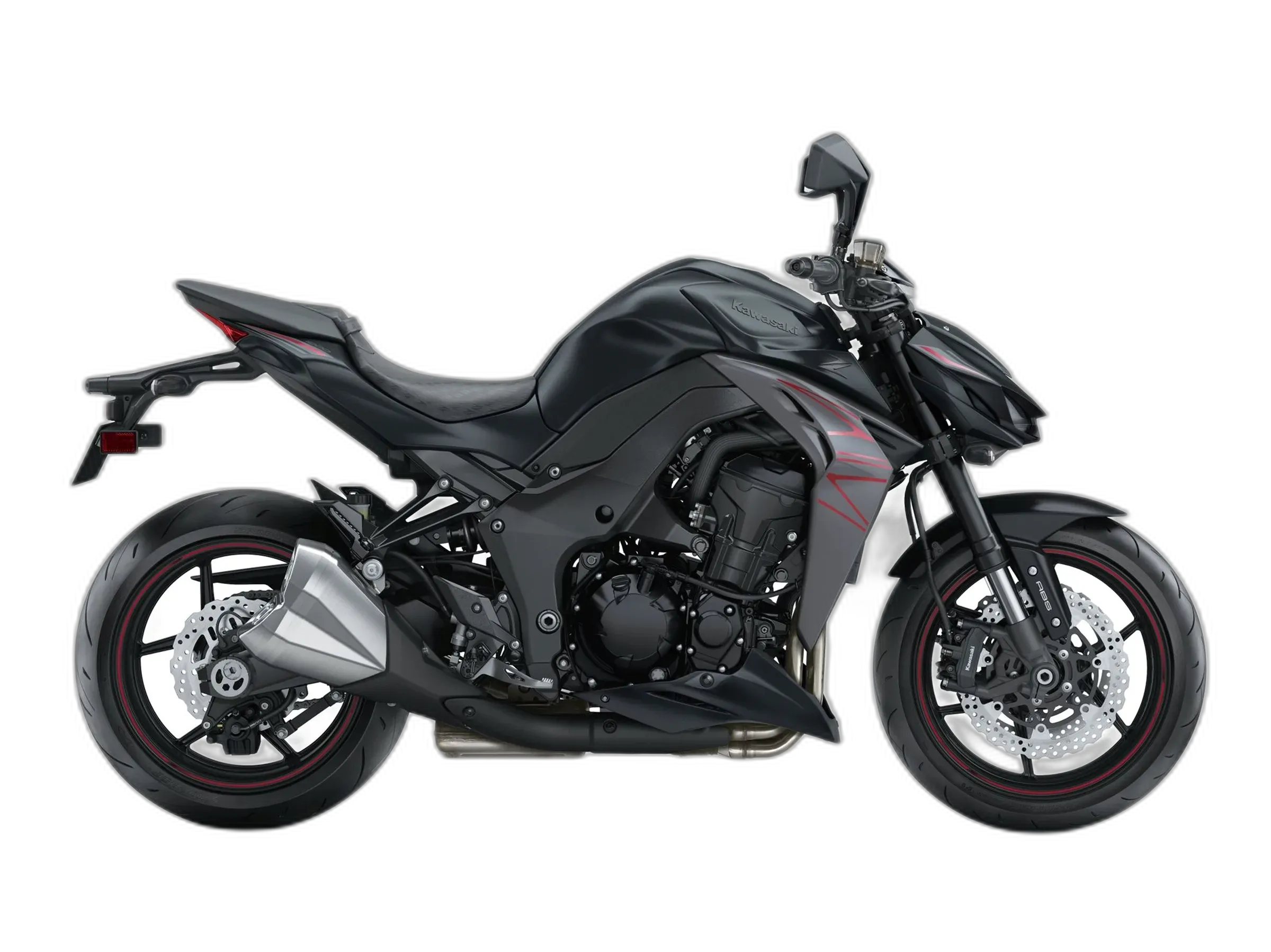
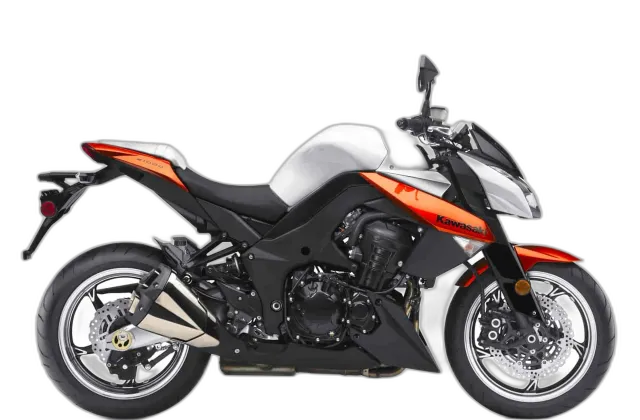
The Z1000 runs a 1043 cc inline-four making 142 hp and 82 lb-ft, and Kawasaki loaded the crank with more flywheel mass than the format usually carries. That one decision defines the bike. It builds speed with weight and authority instead of frantic spinning, and it does it through a stiff aluminum frame, an upside-down fork and a horizontally mounted rear shock, both ends adjustable. The electronics stop at ABS, with a slipper clutch handling the downshifts. No traction control, no ride modes, no quickshifter. In a class that keeps adding software, this one sits firmly on the mechanical side of the line.

On the road it rewards a rider who wants to feel the machine working. Low-end pull is the strongest number on its scorecard, lean clearance is generous, and the angular Sugomi bodywork has aged into a real identity rather than a passing look. It ages well mechanically too: the motor takes serious mileage, oil consumption stays low, and used prices hold better than most. The caveats are honest ones. There is no windscreen, the riding position was drawn for attitude rather than your lower back, and with no traction control the skill gap shows if you ride past yours.

Hard Numbers

Spec sheets don't ride bikes, but they set the baseline.

Show full specs & equipment Hide specs & equipment
Key specifications
Power 142 hp (104 kW) @ 10,000 rpm
Torque 82 lb-ft (111 Nm) @ 7,300 rpm
Displacement 1043 cc
Engine Inline-four
Cooling Liquid-cooled
Gearbox 6-speed
Final drive Chain
Fork Upside-down (USD)
Front brake 310 mm
Front tire 120/70-17
Rear tire 190/55-17
Wheelbase 56.5 in (1435 mm)
Seat height 32.1 in (815 mm)
Wet weight 487 lb (221 kg)
Fuel capacity 4.5 gal (17 L)
Top speed 147 mph (237 km/h)

Equipment check

Chassis

  • Front Suspension Adjustable Standard
  • Rear Suspension Adjustable Standard

Drivetrain

  • Slipper Clutch Standard

Lighting

  • LED Headlight Standard

Safety

  • ABS Standard

The Voice of Experience

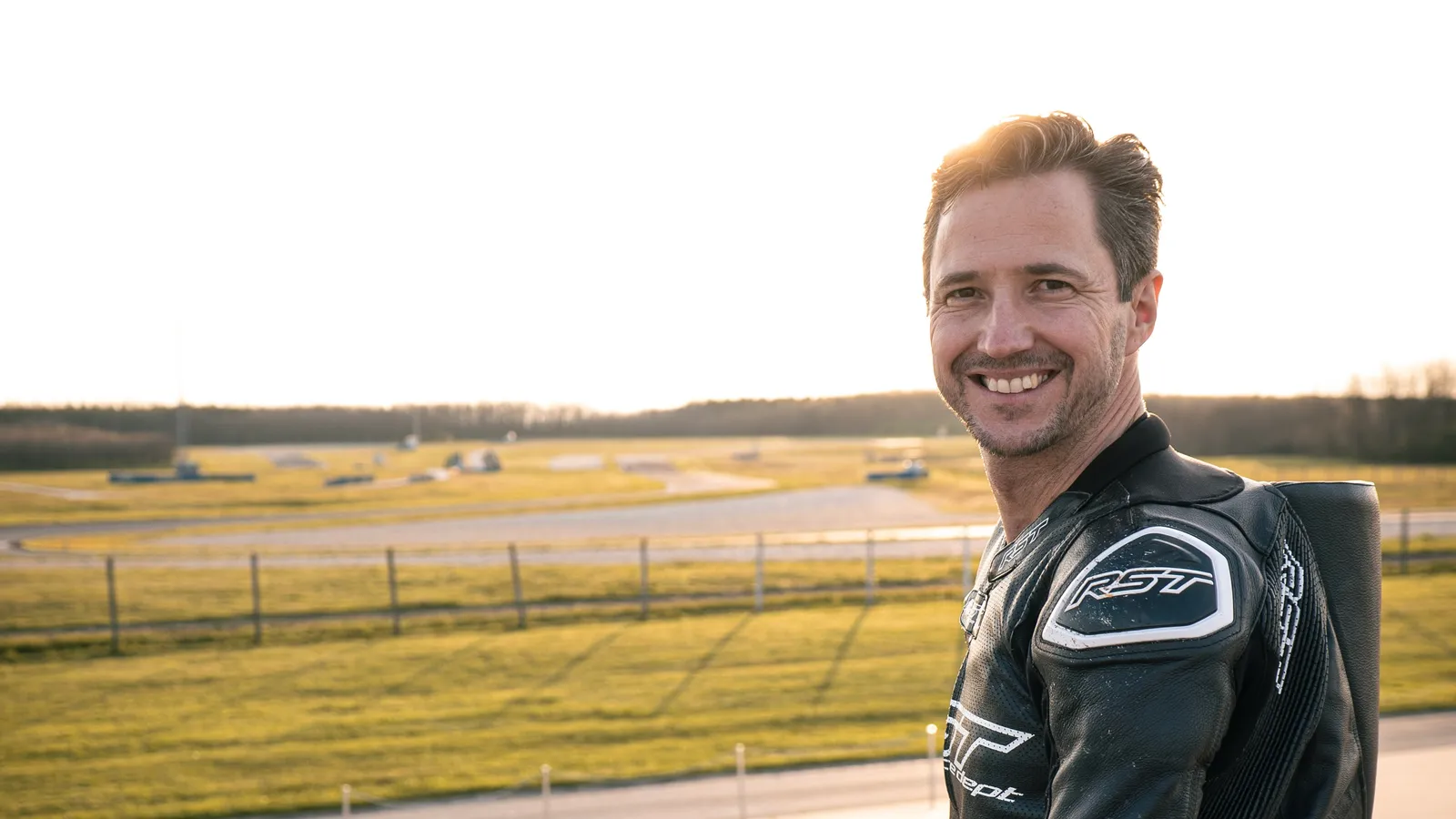
Portrait of NastyNils

The test ride

Half an hour in, the instruments stopped registering. No tach, no speedo, just asphalt and throttle. What stays with you is how physical the thing feels through your hands and boots. Blip it, drop a gear, and you sense mass moving inside the cases; the motor announces itself as machinery rather than an appliance. At real road pace it never feels hectic or worked up for effect, which is why an hour of back roads leaves you calmer than you arrived. Freeway is the other story: with nothing in front of you, your arms load up and your head tucks in, and you spend the miles bracing. Park it and people walk over. The orange mask catches direct sunlight, sure, but the presence is not paint deep.

Rated point by point — where it earns its keep

My own 0–100 score for this bike against the class, area by area — the marker on each bar is the class average.

What I keep coming back to on this bike isn't a lap time, it's a garage decision. Faster machines were standing right next to it, and they stayed on the stand. I didn't weigh options or run numbers; the choice had already been made before any comparison started. Gut-level pull like that isn't something a spec sheet can manufacture, and after enough seat time I've learned to read it as one of the clearest signals a motorcycle can send about its own character. The way it carries itself follows the same rule. It makes no effort to project attitude, it simply has some, and that difference is the genuinely hard thing to build into a machine. Nothing about it is staged for an audience. You ride this one because you want to be on it, not because it won an argument on paper.

Turn-in is the part I trust most here. There's no reluctance on entry, no mass arguing with you as the bike changes direction, and it keeps that composure where a track tightens down into hairpins. I never had to muscle it anywhere. The damping is the caveat. It leaves the factory on the firm side, which reads as control on smooth pavement and as accumulated fatigue after a full day on broken surfaces. That's the single most common reason these bikes don't stay stock.

I came to this motor expecting the usual inline-four experience: clinical, efficient, slightly remote. It isn't that. What convinced me is how little pretense sits in the delivery. There is no script running underneath, no drama dialed in to persuade you that something special is happening. You ask for drive and you get exactly that, the same way every time, with nothing quietly reinterpreting your input on the way to the rear wheel. I ran a full track session on it and never once found myself wanting a more synthetic kind of urgency, which is the honest test: either a plain, direct engine carries a session or it doesn't, and this one carried it without strain. I stepped off with my expectations for the format rearranged. This is now the engine I measure other naked bikes against.

This motor was built to last rather than to impress, and high mileage bears that out. Oil consumption stays low, electrical faults are rare enough that I treat them as exceptions rather than a pattern, and the owners I talk to are still genuinely enthusiastic long after most bikes have gone quiet in the garage. The market has clearly worked this out too. Used examples hold their money stubbornly, which stings while you're shopping and pays you back on the day you sell.

Nothing about this seating position was drawn with your spine in mind, and I would rather Kawasaki be straight about that than fake a touring posture the rest of the bike could never back up. The stance suits the machine. For a morning on good roads it costs you nothing at all. Ride past the first hour and it starts collecting, and by the end of a long day you will know precisely which parts of you paid for the attitude.

There's no screen on this motorcycle and it never pretends otherwise. Around town and on back roads that costs you nothing. Sit at sustained freeway speed and the air becomes the job: you stop riding and start holding a position, spending the miles working against the wind rather than enjoying them. A short blast is entirely tolerable. A long day of straight-line distance is where this bike asks more of you than it gives back.

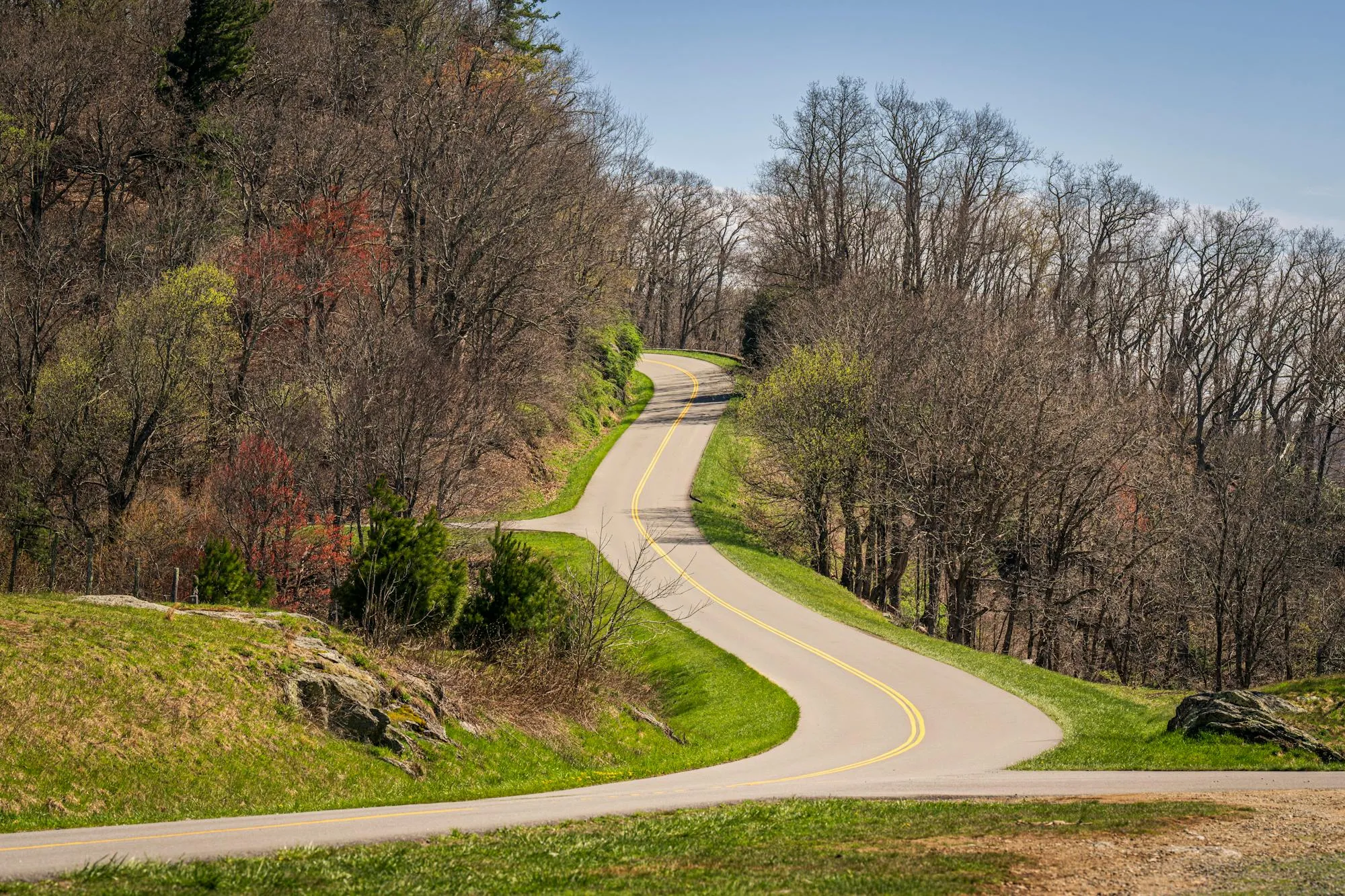
A winding asphalt road descending through the Appalachian Mountains, likely the famous Tail of the Dragon section in Tennessee and North Carolina. Multiple technical right-hand and left-hand curves are visible in this aerial perspective, surrounded by deciduous forest in spring foliage. Clear sunny conditions, well-maintained asphalt with yellow center lines marking the curves.
Mark Stebnicki / Pexels

The Truth on the Street

Twenty-odd years of talking to riders adds up. Paddock conversations, owner chats over a coffee at club night, the messages and emails that land in my inbox from people who actually put miles on these things. On the Z1000, the chatter is unusually consistent: the motor and the way the bike carries itself through corners are what people volunteer first, and the complaints that come back are about living with it over distance rather than anything mechanical going wrong.

What Owners Bring Up First

The engine dominates the conversation. Riders describe the 1,043cc four as smooth and linear with no flat spots in the delivery, strong through the midrange and worth chasing to the top of the tach, and a lot of them mention the induction noise unprompted. Handling is the next thing out of their mouths. The chassis gets described as precise and planted, the kind of setup that makes a rider feel better on a twisty road than they might actually be. Braking draws steady praise too: forceful, easy to modulate, one finger is enough. Underneath all of it sits a quieter theme that owners keep returning to. These bikes rack up serious mileage without drama, and the people running high odometers tend to be the ones talking them up hardest. A smaller but vocal group points to what the bike leaves out. No rider aids means nothing sitting between the throttle and the rear tire, and for those riders that is the appeal, not an omission.

Where The Complaints Cluster

The recurring gripe is the suspension. Owners find the fork set up firm, jarring over broken pavement, and some say the feedback isn't consistent. Right behind it comes the riding position. Taller riders in particular report the forward lean and the hard seat catching up with them on longer stints. Wind blast on the highway comes up as well, though less often. A few owners mention the weight when parking or turning around at low speed. And the Sugomi styling still splits the room: some riders love the drama, others have never warmed to it.

Known issues

  • Fork seal leakage

    chassis occasional

    Some owners report fork oil weeping past a fork seal on higher-mileage examples, leaving an oily film on the inner fork tube and, if ignored, contaminating the front brake area and gradually reducing damping performance.

  • Water pump mechanical seal leak

    cooling rare

    A small number of owners have noted coolant weeping from the water pump mechanical seal. The seal can be replaced if the leak becomes significant.

  • Minor electrical gremlins

    electrics rare

    Infrequent reports of unreliable electronics, such as intermittent dash illumination or starting glitches. Often traced to a weak battery or corroded connections.

The Expert Benchmark

Where this Kawasaki Z1000 pulls ahead of — or falls behind — its rivals on the numbers, and the typical bike in its class on character.

What kind of bike this is — character vs. the class

This bike Class average

The shape of the Kawasaki Z1000 — numbers and character vs. the average Hyper Naked

Head-to-head: Kawasaki Z1000 vs. its rivals

The Handshake Score

Forget spec-sheet bragging. Here's who the Z1000 is actually built for.

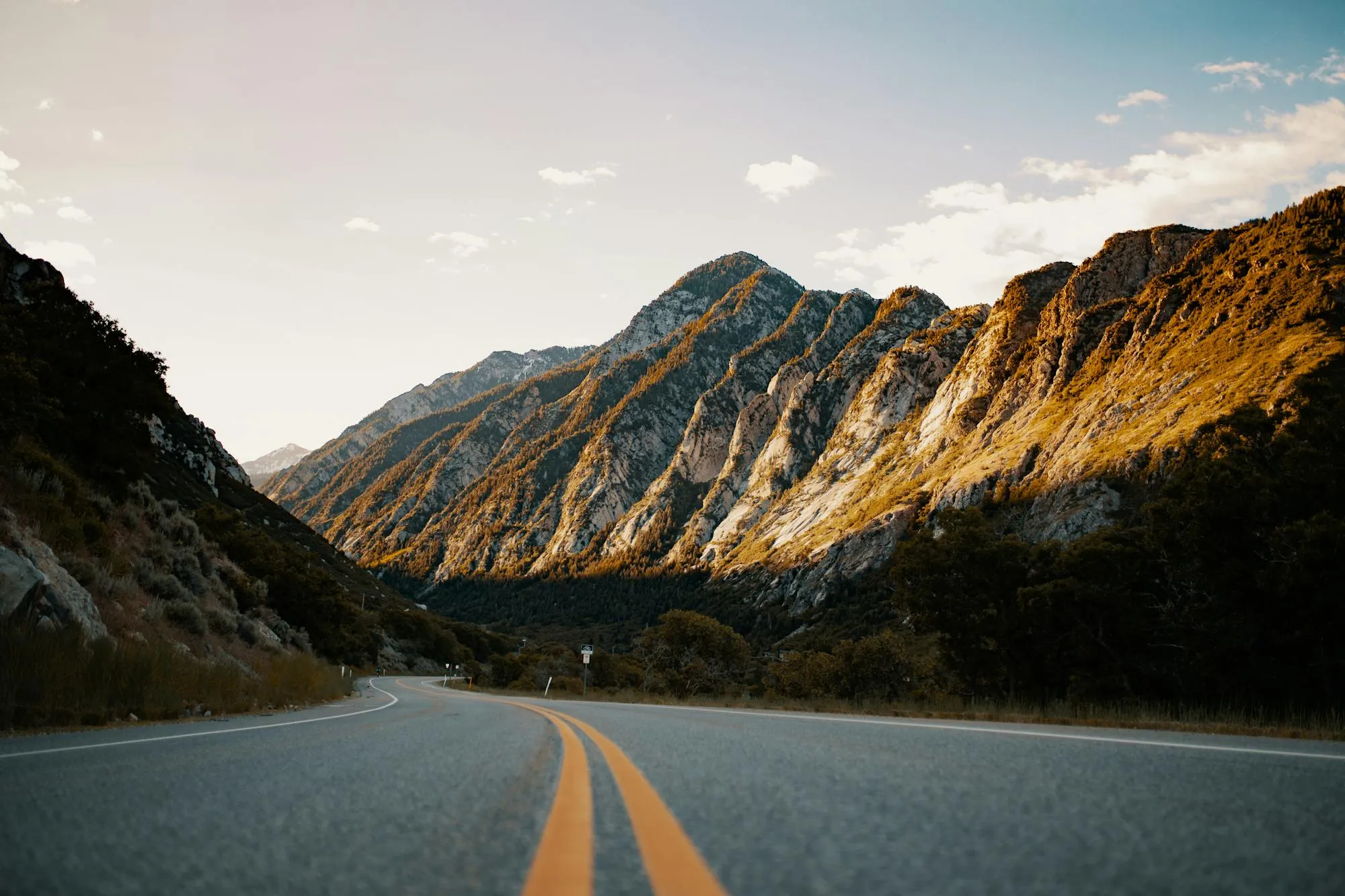
A scenic view of Angeles Crest Highway winding through rugged Southern California canyon terrain. Rocky mountainsides with golden earth tones frame the asphalt road with tight sweeping curves. Double yellow center line visible, sparse vegetation along the shoulders, clear blue sky with white clouds. Daylight, dry conditions. Iconic location for canyon-road enthusiasts.
Josh Sorenson / Pexels

Best motorcycle for Angeles Crest?

Angeles Crest suits it. Strong low-end pull and generous lean clearance mean you are not chasing revs between corners, but ride the canyon knowing there is no traction control behind your right wrist.

Made for Angeles Crest Highway · Coronado Trail / US 191 · Highway 1 / Big Sur
Best motorcycle for Tail of the Dragon?

At Dragon and Cherohala pace it stays composed and unfussy in tight corners, and the low-end torque saves you gear changes. The stock suspension is firm, so budget for a setup change on rough pavement.

Made for Back of the Dragon · Blue Ridge Parkway · Cherohala Skyway

Best motorcycle for Laguna Seca?

It will run a full session without complaint, with lean clearance and honest delivery to spare. Come with your own skills though: no traction control, no quickshifter, and stiff suspension straight out of the crate.

Made for Barber Motorsports Park · WeatherTech Raceway Laguna Seca · Circuit of the Americas

What's new versus the previous generation

If you're cross-shopping the older generation, here's what changed.

Kawasaki Z1000 (ZRT00D)

Previous generation · 2010–2013

Kawasaki Z1000 (ZRT00D)

Instant Punch, Sovereign Character

Compare to the previous model →

Variants, Models & Special Editions

The Kawasaki Z1000 also comes in these variants, models and special editions. Each has its own page covering only what differs from the standard Z1000 — equipment, electronics, specs and used price.