
·

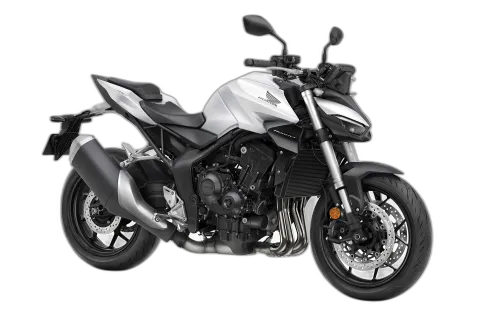
Honda CB1000R (SC80) — Naked Bike
Honda press archive

2018–2025 · Naked Bike · Buyer's Guide

CB1000R (SC80)

4 / 5 NastyNils Rating · against its class

The Quiet Overachiever

The Machine's Character

Honda built the SC80 around a detuned version of the Fireblade's inline-four, and the result is the calmest machine in the litre-class naked field. You get 145 hp and 77 lb-ft, but the delivery is civil and progressive, pulling cleanly from around 6,000 rpm and building to the redline rather than slamming you in the midrange. Short gearing keeps it lively in the lower gears. The steel backbone frame and a well-judged chassis give it light, accurate steering, and the electronics read clearly and stay out of your way. This is a premium-built roadster first, a brawler second.

On the road it's beautifully sorted, and it ages well. The build quality is genuinely premium, the reliability is among the best you'll find anywhere in the class, and the switchgear and finishes carry real weight under your hands. It suits the rider who wants a fast, refined naked for canyon runs and long weekend miles without theatrics. The honest caveat is the suspension. It's calibrated precisely for road pace, and that's exactly where it shines. Push deep into a trackday and the reserve runs thin before you're done. Buy it for what it is, a polished real-world roadster, and it rarely lets you down.

Hard Numbers

Spec sheets don't ride bikes, but they set the baseline.

Show full specs & equipment Hide specs & equipment
Key specifications
Power 145 hp (107 kW) @ 10,500 rpm
Torque 77 lb-ft (104 Nm) @ 8,250 rpm
Displacement 998 cc1000cc Motorcycles →
Engine Inline-fourMotorcycles With Inline-Four Engines →
Cooling Liquid-cooled
Gearbox 6-speed
Final drive Chain
Fork Upside-down (USD)
Front tire 120/70-17
Rear tire 190/55-17
Wheelbase 57.3 in (1455 mm)
Seat height 32.7 in (830 mm)
Wet weight 467 lb (212 kg)
Fuel capacity 4.3 gal (16.2 L)
Fuel economy 40 mpg (US)

Equipment check

Chassis

  • Manually Adjustable Front Suspension Standard
  • Manually Adjustable Rear Suspension Standard

Connectivity

  • TFT Display Standard
  • Smartphone Connectivity Standard
  • USB Charging Port Standard

Drivetrain

Lighting

  • LED Headlight Standard

Safety

  • ABS Standard
  • Traction Control Standard
  • Ride Modes Standard

The Voice of Experience

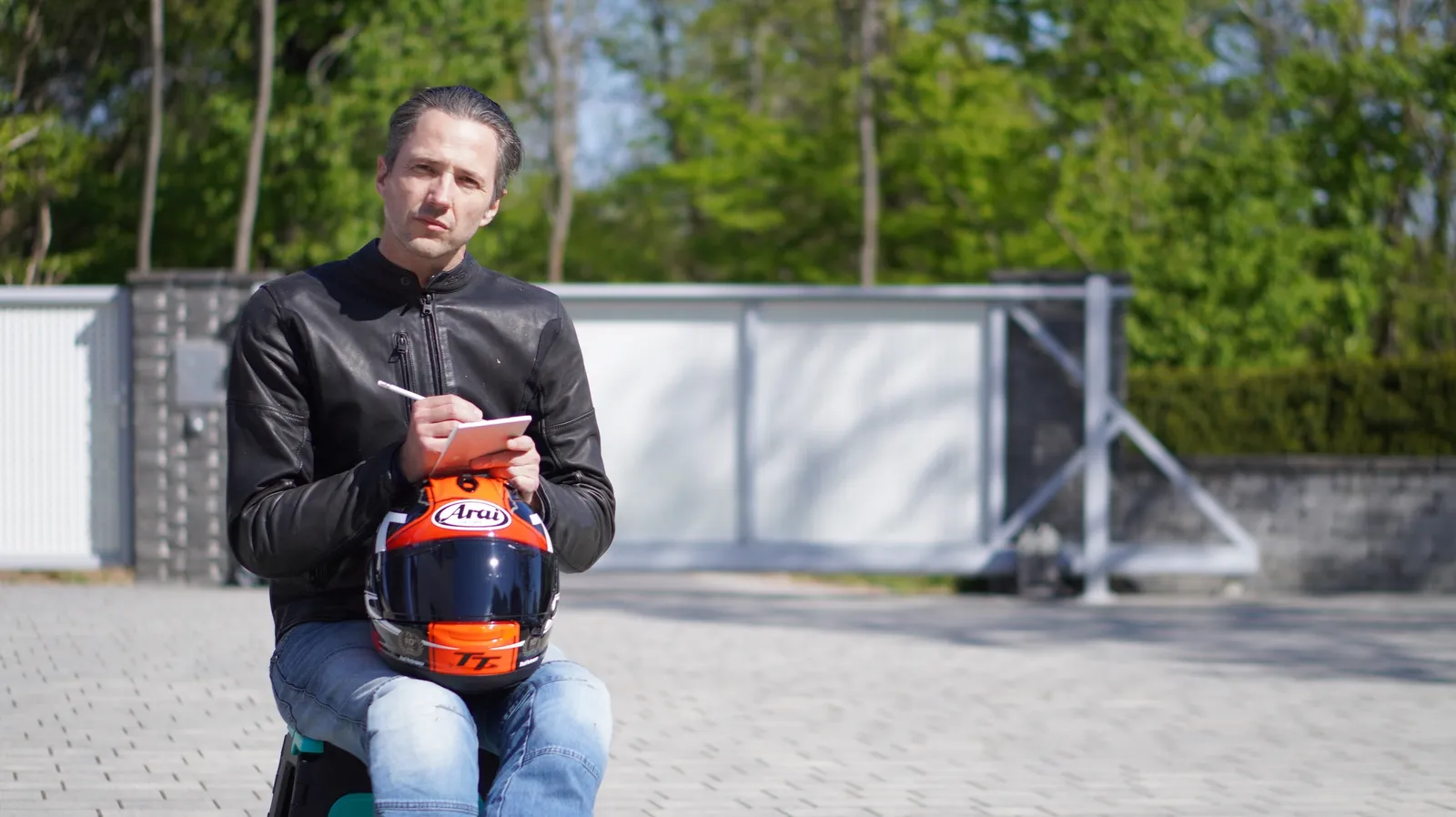
Portrait of NastyNils

The test ride

Swing a leg over and the first thing that lands is the finish. Brushed metal, integrated logos, switchgear that clicks with intent, and full LED lighting that holds up close inspection. The riding position is natural and upright, the controls fall right to hand, and the display stays easy to read on the move. Wind it up and a fine buzz creeps into the bars and pegs from around 4,500 rpm, growing more noticeable on a sustained highway cruise. Where it really talks to you is in the corners. It flicks from side to side in tight switchbacks willingly and precisely, never feeling like it wants to step out, and at genuinely high speed it just sits flat and runs straight. One small thing your eye keeps catching: the heated grip wiring runs along the outside of the bar, oddly visible on a bike this clean everywhere else.

Rated point by point — where it earns its keep

My own 0–100 score for this bike against the class, area by area — the marker on each bar is the class average.

What stays with me about this chassis is how little it asks of me on the way into a bend. The slipper clutch, the adjustable engine braking, and the optional up/down quickshifter settle the rear before I've finished braking, so my focus is already on the apex rather than the back wheel. Through quick left-right transitions it swaps direction the instant I commit, precise and calm, with no sense the tail wants to overtake the front. Wind it toward the sort of velocity you only meet on an empty road and it stays planted and untroubled beneath me. The standard suspension is judged so well for real-world pace that I never felt the urge to add anything to it. Its one honest limit surfaces on a committed trackday, where the damping starts giving up its margin before I've finished the laps.

My confidence here rests on how the thing is screwed together. The brushed surfaces, the logos worked into the panels, switchgear that moves with real intent, and full LED lighting add up to a level of care I'd normally reserve for a pricier European name. One element breaks the spell: the wiring for the optional heated grips runs along the outside of the handlebar rather than through it. Neat enough on its own, but against bodywork this meticulous everywhere else, it's the one spot my attention keeps snagging.

The look of this bike undersells it badly. The bodywork is composed and refined, nothing aggressive in the lines, so you climb aboard expecting something gentle. Then you open it up. Short gearing and a genuinely capable chassis work together to send it down the road a good deal harder than the styling lets on. It's the kind of machine that quietly outruns the expectations its own appearance sets, and that surprise is what stuck with me most.

Honda softened the opening part of the throttle's travel on purpose, and I rely on that constantly. It lets me get on the gas early through a corner and ration the torque to the rear tire in small, deliberate steps while the bike holds its line. Go hunting for the top of the rev range and it delivers: in the lower gears with Sport engaged the nose comes up clean as I drive out, and a gear higher a quick stab of clutch lifts it on command. Mild or savage, it gives whatever I ask.

Comfort on this bike, for me, comes down to how painlessly it lets me work its electronics. The screen stays easy to read whatever the light is doing, and the mode structure makes sense on first contact, no manual needed. I tend to live in the User setting, traction pulled back, engine braking eased, the throttle map calmed, and set up that way it links one corner to the next without drama. Even the factory presets ask nothing of me before I roll off, so I'm never buried in a menu when I'd rather be riding.

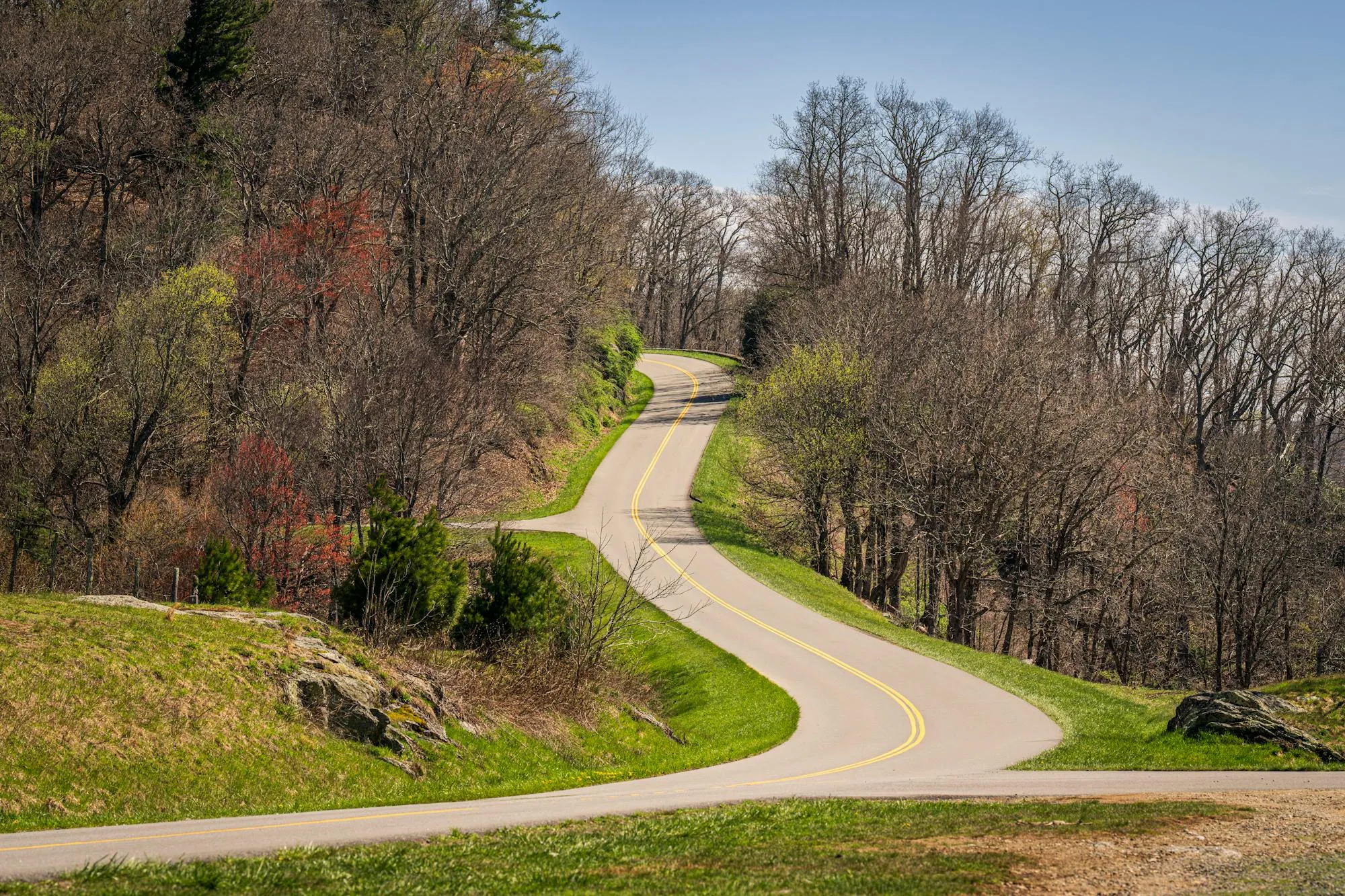
A winding asphalt road descending through the Appalachian Mountains, likely the famous Tail of the Dragon section in Tennessee and North Carolina. Multiple technical right-hand and left-hand curves are visible in this aerial perspective, surrounded by deciduous forest in spring foliage. Clear sunny conditions, well-maintained asphalt with yellow center lines marking the curves.
Mark Stebnicki / Pexels

The Truth on the Street

Over the years I've collected what CB1000R owners tell me in the paddock, at club nights, over coffee after a ride, and in the messages riders send me directly. The pattern is consistent. Owners love how it sounds, looks and steers, and most are happy with how it holds up. The complaints gather around the rear shock, the low-speed throttle on early bikes, and a handful of long-ride and finish niggles.

The sound and the shape that sell it

The praise owners repeat most starts with noise. Past 6,000 rpm the four-cylinder note turns into what riders call magnificent, with a gnarly rasp when they really open it up. Owners rate the engine itself as highly as anything on the bike. They describe strong, civil drive through the middle revs and a clean, linear run to the top. The styling gets near-universal approval. The round LED headlight, the single-sided swingarm with the plate holder mounted on it, and the brushed-aluminum detailing come up again and again. Riders also bring up price: set against the European premium nakeds, they feel they're getting a lot of bike for noticeably less money. Long-term owners report passing 62,000 miles (100,000 km) without major mechanical trouble.

Trusted up front, soft out back

Owners draw a sharp line through the middle of this chassis. The Showa fork earns steady credit for its damping and the feel it sends back. Riders describe the bike as light and accurate but still easy to ride, changing direction without effort and staying composed mid-corner. Most owners rate the radial Tokico brakes as good. Nobody calls them the strongest in the class, but riders find them well matched to the job. The rear is another story. Riders complain about the shock more than any other part of the chassis, reporting that it bottoms over big hits, and they note that Honda left it unchanged when it updated the bike. The throttle is the other frequent complaint. On early bikes, riders describe an abrupt pickup pulling away in the lowest gears in Sport mode. Owners say the 2021 remap softened it but didn't remove it.

Where daily ownership chafes

The everyday gripes are smaller but come up often. Range leads the list. From the 4.3-gallon (16.2 L) tank, owners see roughly 140 to 170 miles (225–275 km) before it runs dry, and the reserve light comes on around 110 to 130 miles (180–210 km). Cruise control isn't fitted, and riders call that a gap at this price. The seat is described as more roadster than retro and a bit thin, and most owners feel it after about two hours, though a few manage longer stints. Several riders say the pegs sit higher than they expected and the tank cutouts limit how much they can move their legs. Finish durability gets its own list of complaints: powder coat flaking off the engine sump, tank clear coat that scratches easily, and rust at the tank weld seams under the seat. Owners of pre-2021 bikes report two more issues. The LCD dash is hard to read in bright sun, which the 2021 TFT screen fixed. The LED low beam is too dim and aimed too high, and owners of later bikes say it's clearly better.

Known issues

  • OEM LED low beam too dim and aimed too high

    electrics common

    OEM LED low beam reported as too dim and aimed too high. Reflector design limits upgrade options, and replacement optics are expensive. Owners of the later (2021–2025) bikes report improved low-beam illumination (potential unit revision); verify per individual bike.

  • HSTC intervention abrupt; takes approximately 2 seconds to restore drive

    electrics occasional

    Traction control and wheelie control cut power abruptly when triggered; takes approximately 2 seconds for drive restoration. Reported as "viciously" interrupting acceleration mid-corner in spirited riding. The system has 3 levels + off; level 1 still reported as abrupt.

  • Abrupt on/off throttle response in Sport mode at low RPM

    engine very common

    Pronounced on/off feel in Sport ride mode at lower RPM in 1st and 2nd gear; abruptness when reopening throttle after deceleration fuel cut; pronounced in tight cornering on bumpy roads. It traces to the drive-by-wire calibration on the early (2018–2020) bikes. Honda re-mapped the PGM-FI for Euro 5 in 2021 with optimized fueling for smoother delivery. Residual abruptness in Sport mode is still noted on the later (2021–2025) bikes but is agreed to be significantly improved.

  • OEM rear shock under-damped, lacks compression adjustment

    suspension very common

    The Showa monoshock is too softly damped: pogos on rough roads, bottoms over big bumps, "still goes 'boing' if you're going with gusto." Adjustment range is preload + rebound only — no compression-damping adjustment, which is criticized as mismatched to the fully-adjustable Showa SFF-BP fork up front. Many owners replace it with aftermarket units (Öhlins, K-Tech, Wilbers). Unchanged across both phases.

  • Hesitation and hot stalling at low throttle openings

    fuel system occasional

    Hesitation and stalling once warm at low throttle (under approximately 10% opening), pronounced after long deceleration phases. Owners describe no fueling until around 10% opening, then bucking. Mainly the early (2018–2020) bikes; reduced after the 2021 PGM-FI update but residual reports continue.

  • False neutrals between 4-5 and 5-6 with factory quickshifter

    drivetrain occasional

    False neutrals reported between 4-5 and 5-6 gears using the OEM quickshifter that became standard in 2021. Some owners report being told by dealers that this is a known software issue without a published fix.

  • Thin paint and powder-coat finishes; tank weld-seam rust

    bodywork common

    Engine-sump powder-coat flakes off rapidly (reports as early as approximately 200 miles); soft tank clear coat scratches very easily; rust appearing at tank weld seams under the seat; brackets and clamps going rusty quickly. Owners attribute it to water-based eco-paint regulations. Mainly the early (2018–2020) bikes, with some continuation reported on the later (2021–2025) ones.

The Expert Benchmark

Where this Honda CB1000R pulls ahead of — or falls behind — its rivals on the numbers, and the typical bike in its class on character.

What kind of bike this is — character vs. the class

This bike Class average

The shape of the Honda CB1000R — numbers and character vs. the average Naked Bike

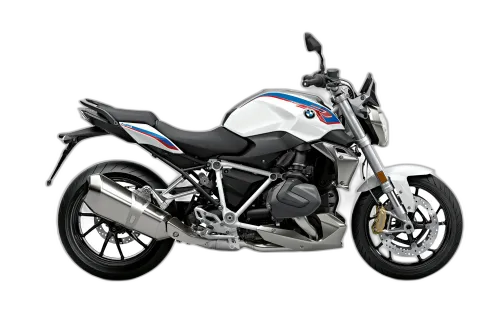
Head-to-head: Honda CB1000R vs. its rivals

The 'Should I Buy It?' Score

Forget spec-sheet bragging. Here's who the CB1000R is actually built for.

A scenic view of Angeles Crest Highway winding through rugged Southern California canyon terrain. Rocky mountainsides with golden earth tones frame the asphalt road with tight sweeping curves. Double yellow center line visible, sparse vegetation along the shoulders, clear blue sky with white clouds. Daylight, dry conditions. Iconic location for canyon-road enthusiasts.
Josh Sorenson / Pexels

Best motorcycle for Angeles Crest?

For your Angeles Crest weekends this fits well: light, accurate steering, planted at speed, and gearing that keeps it lively. Just know the suspension is tuned for the road, not full track pace.

Made for Angeles Crest Highway · Coronado Trail Scenic Byway · Big Sur Coast Highway

Best motorcycle for Tail of the Dragon?

On tight, technical twisties like the Dragon it flicks side to side precisely and stays composed on corner entry. The refined, progressive power lets you focus on line and skill instead of chasing speed.

Made for Tail of the Dragon · Back of the Dragon · Blue Ridge Parkway

Best motorcycle for Bay Area?

Premium-finished, photogenic, and easy in city traffic, it's a natural for Skyline runs and the Alice's crowd. Civil power and clear electronics keep the commute as painless as the weekend.

Made for San Francisco Bay Area · Skyline Boulevard · Big Sur Coast Highway

What's new versus the previous generation

If you're cross-shopping the older generation, here's what changed.

Honda CB1000R (SC 60)

Previous generation · 2008–2017

Honda CB1000R (SC 60)

Civilized Firepower, Bone-Stock Reliable

Compare to the previous model →

Find it in these lists

Compare it with every bike that shares the same spec or equipment.