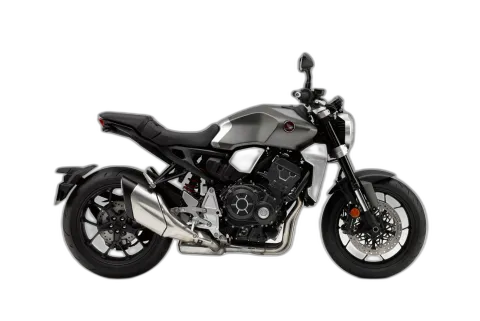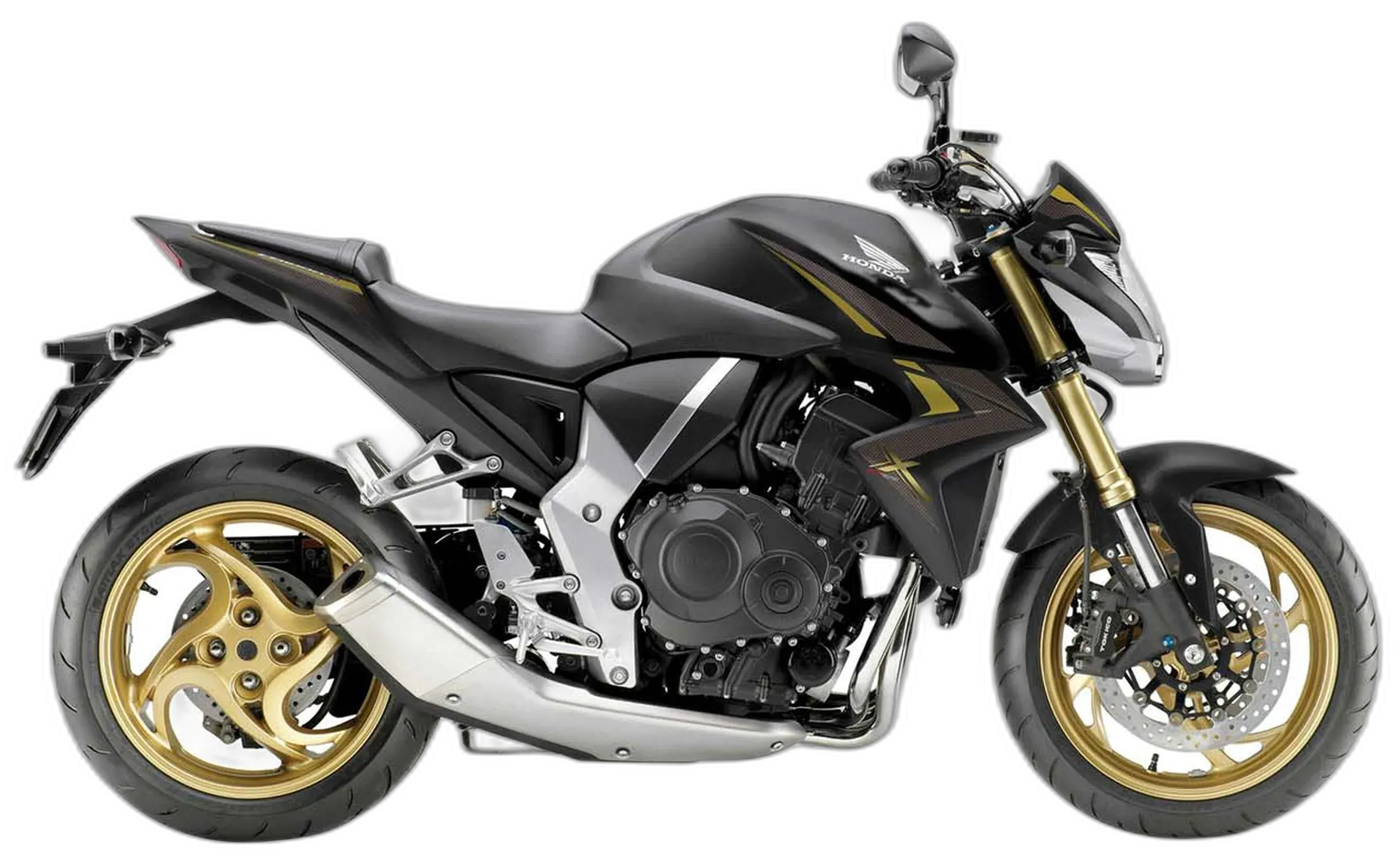

Honda CB1000R (SC 60) — Naked Bike
NastyNils / Honda press archive

2008–2017 · Naked Bike · Buyer's Guide

CB1000R (SC 60)

Civilized Firepower, Bone-Stock Reliable

The Machine's Character

Honda took the inline-four out of its superbike and rebuilt it for the street. Displacement stays at 998 cc, but the tune trades chasing peak numbers for 125 hp and 74 lb-ft of usable midrange, the kind of pull you actually reach for on a back road. A steel backbone frame and single-sided Pro-Arm swingarm carry it, and the whole package lands where few liter nakeds bother to aim: refined, composed, and built to be lived with rather than survived.

On the road it rides like a bike that trusts you. Liter-class riders who normally tense up in front of a thousand find themselves relaxed inside a mile, and reliability that scores near the top of the class says it stays that way. It's for the rider who wants real thousand-cc muscle without the drama tax. The honest caveat: the stock setup has a ceiling, and you will find it before the engine finds its own.

Hard Numbers

Spec sheets don't ride bikes, but they set the baseline.

Show full specs & equipment Hide specs & equipment
Key specifications
Power 125 hp (92 kW)
Torque 74 lb-ft (100 Nm)
Displacement 998 cc
Engine Inline-four
Cooling Liquid-cooled
Gearbox 6-speed
Final drive Chain
Fork Upside-down (USD)
Front brake 310 mm
Front tire 120/70-17
Rear tire 180/55-17
Seat height 32.5 in (825 mm)
Wet weight 478 lb (217 kg)
Fuel capacity 4.5 gal (17 L)
Top speed 150 mph (241 km/h)
Fuel economy 32 mpg (US)

Equipment check

Chassis

  • Front Suspension Adjustable Standard
  • Rear Suspension Adjustable Standard

Safety

  • ABS Optional

The Voice of Experience

Portrait of NastyNils

The test ride

Swing a leg over and the 32.5-inch seat looks tall on paper but manages fine once you're moving, the upright reach keeping your wrists light through a long day. Fire it up and the inline-four spins smooth and civil, more hum than snarl, with none of the buzz through the bars that wears you down. Push into a fast series of bends and you feel the weight of that four-cylinder crank: quick left-to-right flicks want a firm, deliberate shove rather than a wrist-flick. Lean it far enough and the pegs start kissing pavement, a quiet reminder of where the stock ceiling sits. At real road speeds it stays calm and tracks true, the sort of composure that lets you cover ground and step off loose instead of wrung out.

Rated point by point — where it earns its keep

My own 0–100 score for this bike against the class, area by area — the marker on each bar is the class average.

What stays with me about this bike is how honest the front end is at real speed. I've run it hard with nothing bolted on to keep the steering in line, and it never went light, never went vague, never started to wag its head at me. It just tracks. Lift the front on a strong drive and it sets back down without a squirm, dead straight and ready for the next input. The catch shows up once the road starts snapping left and right in quick succession. All that spinning mass in the four-cylinder crank asks for a deliberate, muscled shove to change direction, and you have to mean it. The other limit lives in the suspension. It's genuinely good for a fast weekend loop, but ask it to do a proper track day and it runs short of talent well before you do.

This is the trait I didn't expect from a full liter naked. Big-bore bikes often make you serve a probation period, feeling you out, quietly waiting for a clumsy input to punish. This one does none of that. Riders who'd normally stiffen up at the sight of a thousand settle in almost at once and ride it like something a class smaller, with no sense the bike is holding a grudge in reserve for your first mistake.

The motor makes its case where you actually ride, not on a dyno printout. Honda tuned it to hand you drive through the meat of the rev range instead of chasing a headline number up top, and it feels purposeful for it. Even leaned on hard it never fluffs or snatches on the gas. My one gripe lives at the ceiling: the rev limiter closes the door sooner than the engine seems to want to, a conservative call you notice every time you reach for the last of it.

The ergonomics get you down the road fine, but two stock choices hold the bike back, and both are easy money. The factory handlebar runs narrow, and it dulls the steering feel below what the chassis can genuinely give you. Fit a wider bar and the precision shows up right away, which is exactly why experienced hands reach for that swap first on Japanese nakeds of this era. Ground clearance is the other ceiling for anyone who leans on it hard through corners.

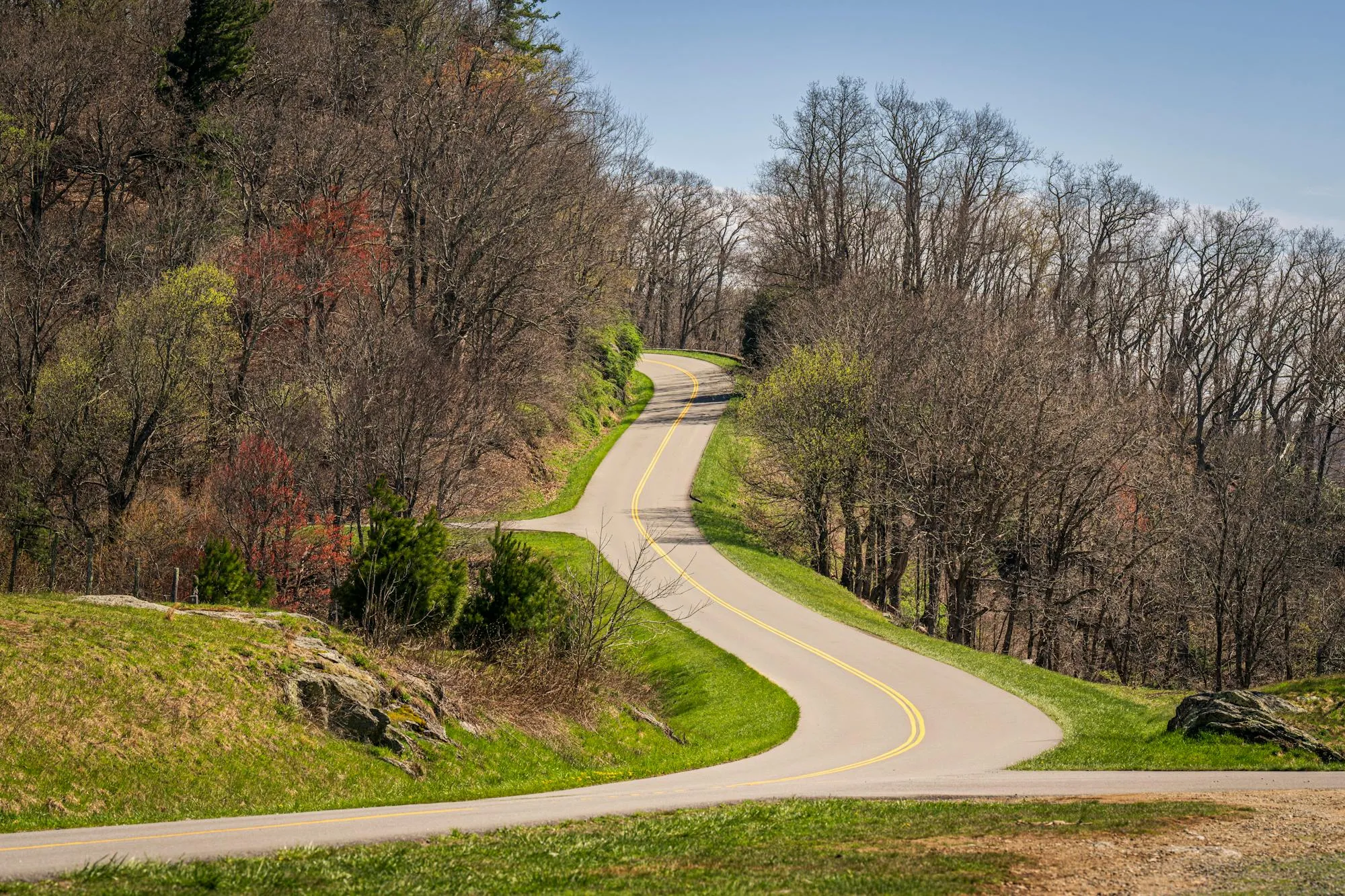
A winding asphalt road descending through the Appalachian Mountains, likely the famous Tail of the Dragon section in Tennessee and North Carolina. Multiple technical right-hand and left-hand curves are visible in this aerial perspective, surrounded by deciduous forest in spring foliage. Clear sunny conditions, well-maintained asphalt with yellow center lines marking the curves.
Mark Stebnicki / Pexels

The Truth on the Street

For close to two decades I've kept a running tab on what CB1000R owners actually tell me: the messages that land in my inbox, the paddock talk, the long conversations riders start once they've lived with a bike a while. The pattern holds steady. This is a machine people trust and hold onto, praised far more for how it carries them day to day than for any single fireworks moment.

The bike owners hold onto

The steadiest praise centers on comfort and dependability. Owners point to upright ergonomics and a genuinely plush seat that soak up rough pavement, and many describe it as an easy long-haul companion rather than a short-fuse toy. Riding alongside that reputation is one for clean build quality and mechanical soundness that keeps showing up even at high miles.

Where owners wanted more

The most common gripe cuts against the aggressive looks. Riders who chase the top of the rev range come away wanting more, describing an engine that goes soft up high and never hands you the raw voice or bite some rivals do. A handful simply call it dull. The other recurring complaint is wind: the small nose piece and low screen deflect almost nothing, so long stretches at high speed wear you down. On the earliest bikes, some also miss having a gear position display.

Known issues

  • Rear brake caliper insecure (recall)

    brakesrareRecall

    Early production bikes were recalled because the rear brake caliper bolts were not torqued to specification, risking caliper detachment.

  • Faulty tail light (recall)

    electricsrareRecall

    A recall affected early models for a defective tail light that could fail or become inoperative.

  • Rough running when warm

    enginerare

    Some owners experienced misfiring or uneven idling once the engine reached operating temperature, possibly related to fuelling or sensor issues.

  • Generator/coil failure on early bikes

    electricsrare

    A small number of early production models suffered from shorting generator coils, leading to charging system failure; typically repaired under warranty.

  • Difficult gear change when new

    drivetrainoccasional

    Some bikes exhibited stiff or notchy gear changes during run-in, which often improved with mileage; a few required gear shift claw replacement.

  • Engine paint flaking

    engineoccasional

    Some owners reported peeling or bubbling of the engine case paint, particularly on magnesium covers.

  • Fuel tank rust spots

    bodyworkrare

    Corrosion spots have been reported on the inside or outside of the fuel tank, possibly due to poor paint preparation.

  • Seat cover tearing

    bodyworkrare

    The seat material has been known to tear or rip prematurely, sometimes within days of ownership.

  • Heel plate paint wear

    bodyworkoccasional

    The painted heel plates on the swingarm can quickly show wear or rub through from boot contact, especially with certain footwear.

The Expert Benchmark

Where this Honda CB1000R pulls ahead of — or falls behind — its rivals on the numbers, and the typical bike in its class on character.

What kind of bike this is — character vs. the class

This bike Class average

The shape of the Honda CB1000R — numbers and character vs. the average Naked Bike

Head-to-head: Honda CB1000R vs. its rivals

The 'Should I Buy It?' Score

Forget spec-sheet bragging. Here's who the CB1000R is actually built for.

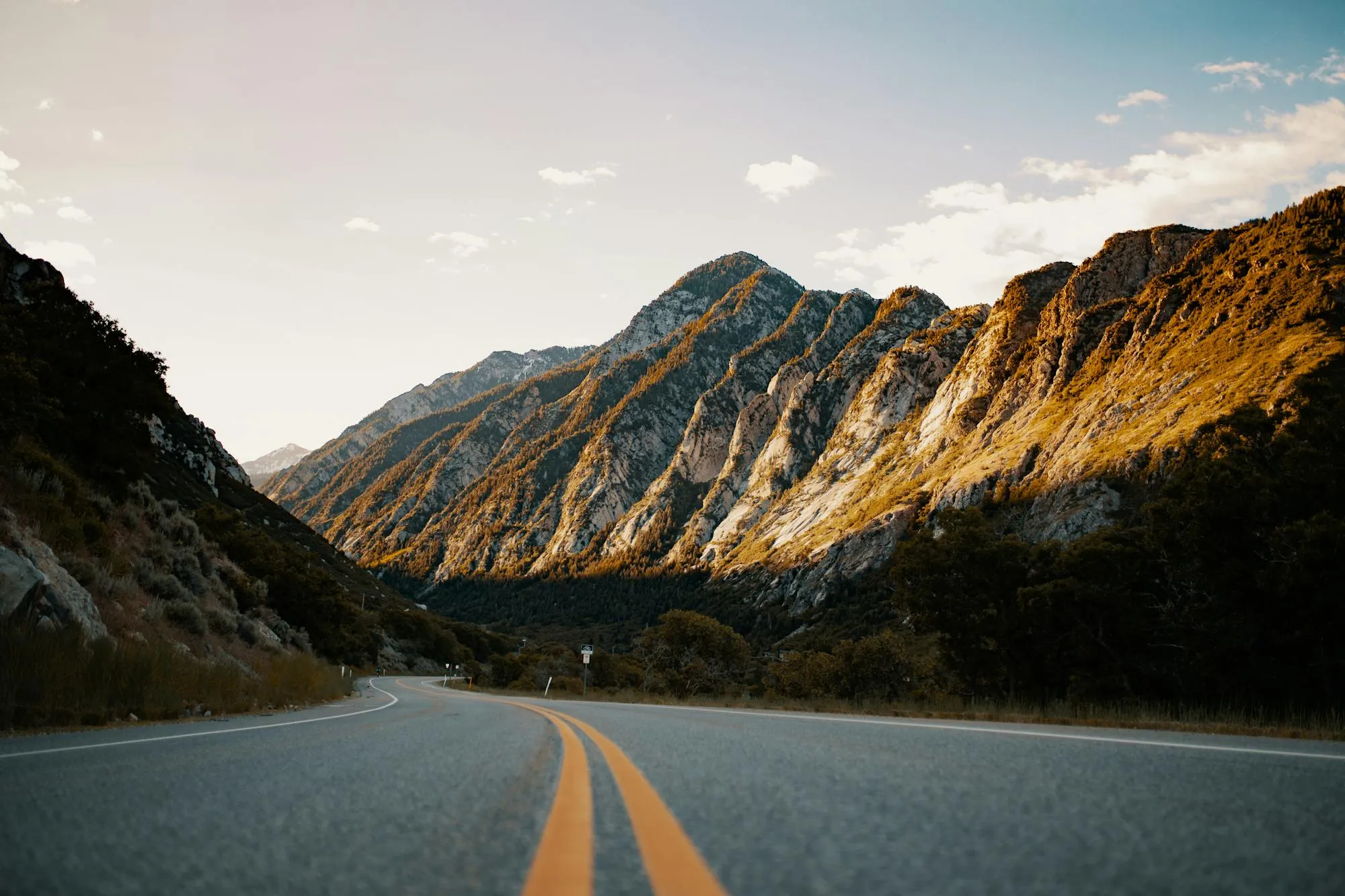
A scenic view of Angeles Crest Highway winding through rugged Southern California canyon terrain. Rocky mountainsides with golden earth tones frame the asphalt road with tight sweeping curves. Double yellow center line visible, sparse vegetation along the shoulders, clear blue sky with white clouds. Daylight, dry conditions. Iconic location for canyon-road enthusiasts.
Josh Sorenson / Pexels

Best motorcycle for Angeles Crest?

On your Angeles Crest weekends it's planted and confidence-inspiring at pace, but the stock suspension and low pegs cap how hard you can lean on it before you start reaching for upgrades.

Made for Angeles Crest Highway · Coronado Trail / US 191 · Highway 1 / Big Sur
Best motorcycle for Tail of the Dragon?

It rewards clean, deliberate lines on the Dragon and Cherohala, though the heavy crank makes rapid switchbacks ask for real muscle. Skill-first riders will click with it.

Made for Back of the Dragon · Blue Ridge Parkway · Cherohala Skyway

Best motorcycle for Bay Area?

For Skyline runs and city hops it nails the daily-usable, photogenic, refined brief, easy in traffic and unflappable on the twisties, with reliability that won't strand you before the meet.

Made for Bay Area Ridge Roads · San Francisco / Bay Area · Skyline Boulevard / Alice's Restaurant

What's new versus the previous generation

If you're cross-shopping the older generation, here's what changed.

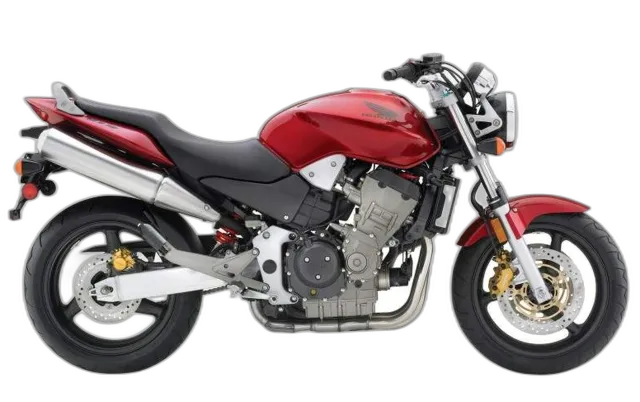
Honda CB 900 F Hornet (CB900F 2nd Gen)

Previous generation · 2002–2007

Honda CB 900 F Hornet (CB900F 2nd Gen)

FireBlade Soul, Street Manners

Compare to the previous model →

Alternatives to the Honda CB1000R

If this one isn't quite the fit, these are the bikes worth riding back-to-back against it.

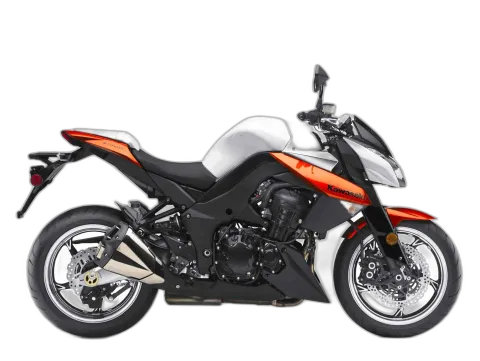
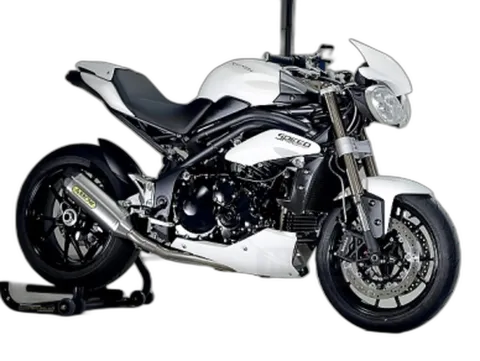
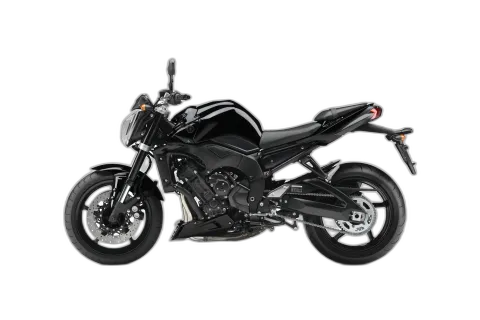
Any price note compares both bikes at the same age — the youngest age both have on the used market — against this Honda CB1000R. “cheaper/pricier” is what that bike costs second-hand, not how worn it is.