

·

Triumph Speed Triple 1050 (515NJ) — Naked Bike
NastyNils / Triumph Press

2005–2010 · Naked Bike · Buyer's Guide

Speed Triple 1050 (515NJ)

Triple Punch, No Drama

The Machine's Character

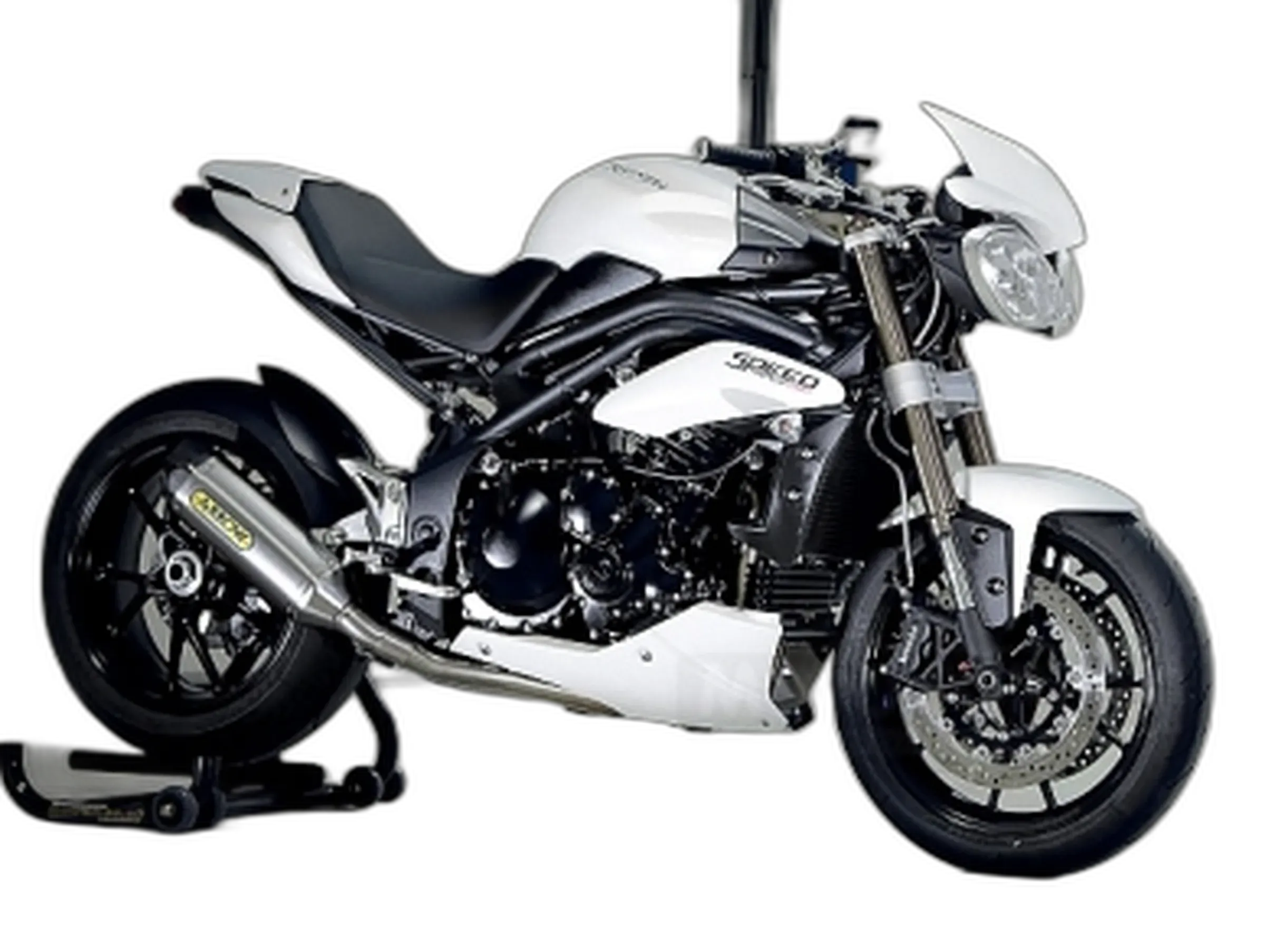
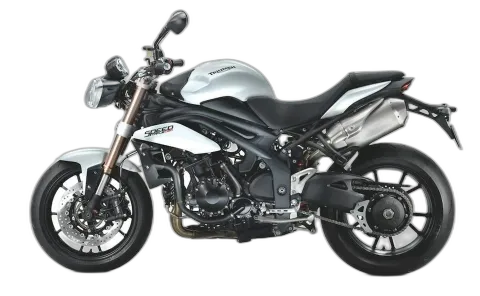
The Speed Triple 1050 is Triumph's factory streetfighter done straight: superbike muscle with none of the bodywork hiding it. The 1050cc inline-three makes 128 hp and 77 lb-ft, and it's tuned to shove hard from low rpm rather than chase a peak. That gives you a torque curve pulling in one clean line and a triple soundtrack with real snarl in it. Scoring a 9.5 for character, this is one of the most distinctive naked bikes of its era, a machine that looks and sounds like it means business before you've turned a wheel.

On the road it rides friendlier than its looks suggest. Fueling is precise, the chassis stays composed when you open the throttle, and the rider triangle is sensible enough that a competent rider steps up to it without drama. What you give up is the savage top-end bite of a true hyper naked; this triple stays smooth where some riders want menace. Larger, heavier riders will find the cockpit tight. And it carries the era's ownership quirks, from a sprag clutch that can grind on start-up to a gearbox that shifts cleanly but never feels class-best. Buy it for character and usable pace, not for outright terror.

Hard Numbers

Spec sheets don't ride bikes, but they set the baseline.

Show full specs & equipment Hide specs & equipment
Key specifications
Power 128 hp (96 kW)
Torque 77 lb-ft (105 Nm)
Displacement 1050 cc
Engine Inline-three
Cooling Liquid-cooled
Gearbox 6-speed
Final drive Chain
Fork Upside-down (USD)
Front brake 320 mm
Front tire 120/70-17
Rear tire 180/55-17
Wheelbase 56.1 in (1425 mm)
Seat height 32.1 in (815 mm)
Wet weight 472 lb (214 kg)
Fuel capacity 4.8 gal (18 L)
Top speed 150 mph (241 km/h)
Fuel economy 33 mpg (US)

Equipment check

Chassis

  • Front Suspension Adjustable Standard
  • Rear Suspension Adjustable Standard

The Voice of Experience

Portrait of NastyNils

The test ride

Swing a leg over and it feels compact up front: the reach to the bars is short and the pegs sit high enough to mean business without punishing your knees on a longer ride. Get moving and the triple fills the space with a hard, mechanical howl that builds with the revs, the kind of sound that makes 40 mph feel like an event. There's real wind pressure on your chest at speed, which keeps your right hand honest and turns ordinary roads into something worth savoring. The instrument stack gives you a lap timer and a shift light, useful kit for how this bike wants to be ridden, though you'll hunt in vain for a gear position readout. At 472 lb it never feels dainty, yet it tips into a corner with less effort than the weight suggests.

Rated point by point — where it earns its keep

My own 0–100 score for this bike against the class, area by area — the marker on each bar is the class average.

Steering is where this bike surprised me most. Ask it to change direction and it responds to the lightest pressure at the grip, tipping from upright to leaned with a fluency the heft doesn't predict; the chassis balance and the rubber under it clearly agree with each other. Get it into a big, flowing bend and the composure holds even as you wind on the power, the front settled and the rear tracking the exact arc you set. The caveat lives in the tight, technical stuff. Here it rewards patience and clean, rolling inputs and grumbles at anything abrupt, and a bike built around steeper steering will beat it through a switchback. The transmission gets close without nailing it, snicking through clutchless upshifts far better than I remembered yet leaving a whisper of imprecision at the moment each ratio bites.

What earns my respect here is reach. A liter-class naked usually comes with a warning label, yet this one behaves so honestly that I'd be comfortable putting a rider who's still building confidence on it. The power arrives the way you expect, the chassis tells you plainly what it's doing, and the seat-to-peg-to-bar layout keeps everything within reason, so it never springs a surprise on you as the pace climbs. It answers your inputs straight and keeps its word when you lean on it.

The brakes ask nothing of you and give plenty back. I ran them hard at genuine track pace and the stopping power was right there when I called for it, the lever weighted so I could place that power exactly, and the front staying composed under heavy braking rather than collapsing into its travel. I looked for a weakness worth naming and walked away without one.

The throttle connection is what I'd sell someone on. However far into the revs I reached, the response came back instantly and clean, torque laid down in one even pull with no flat patch or jolt to catch me out, which is why I trusted it feeding power out of a corner. What it won't do is frighten you. There's none of the brutal top-end swell that gives a hyper naked its edge, so the last run to the limiter stays polite when a wilder part of you wants teeth.

Comfort here is really a story about the riding position doing double duty. Bringing the grips in closer to the seat than the previous bike gives you a snug, ready posture that feeds straight into how willing the thing feels, and the footrests sit high enough to matter without wrecking your legs on a longer run. The limit is space. If you carry a bigger or heavier build, you'll use up every inch of that compact cockpit and start wishing for more.

For a bike whose instrument pack leans so plainly toward track work, the omission that nags me is a simple one: no readout for the gear you've selected. Everything else you'd reach for on a hard ride already sits in front of you, which is what makes the absence feel odd rather than forgivable. It's a small thing, and it's the small thing I clocked every time out.

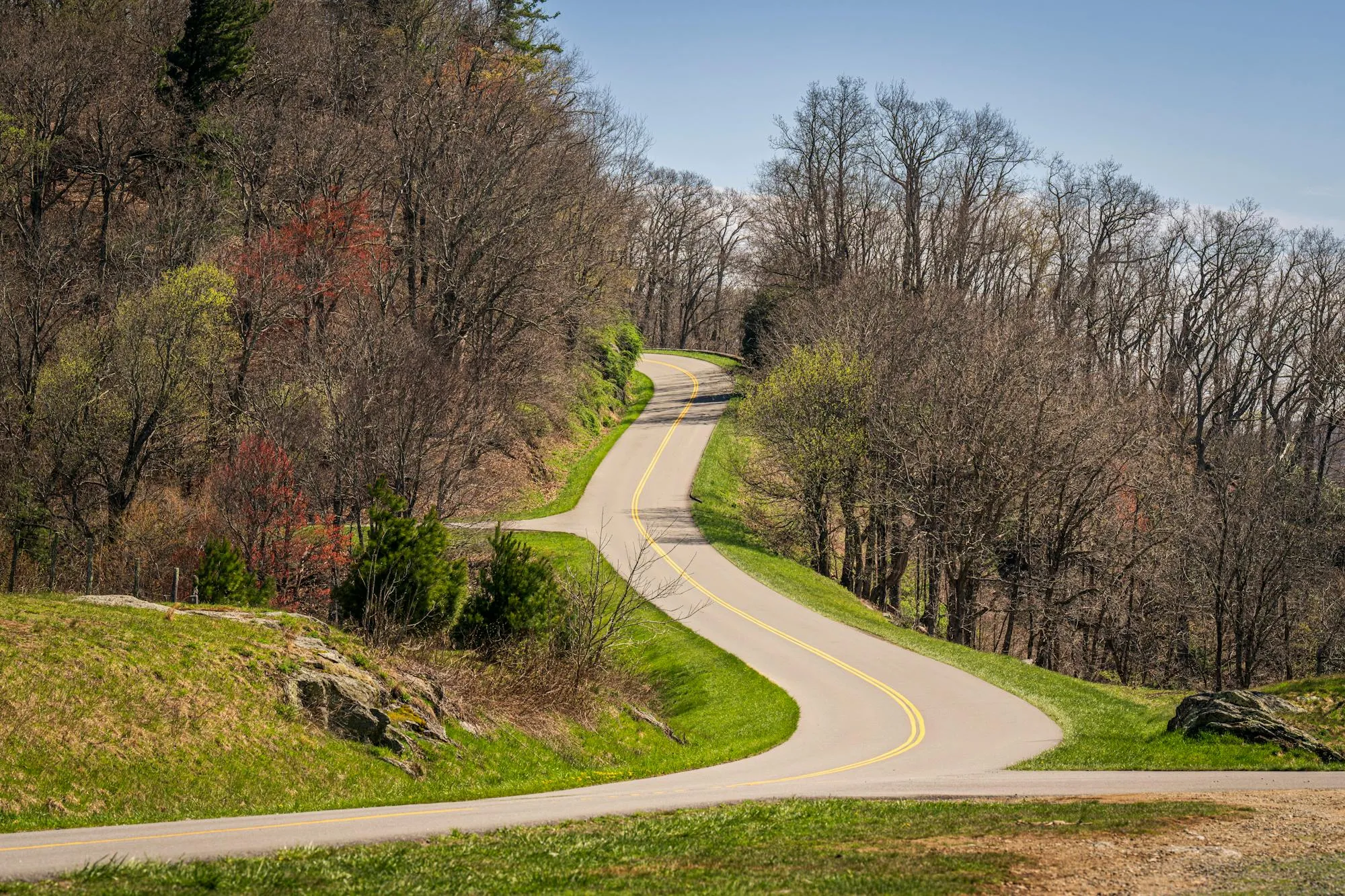
A winding asphalt road descending through the Appalachian Mountains, likely the famous Tail of the Dragon section in Tennessee and North Carolina. Multiple technical right-hand and left-hand curves are visible in this aerial perspective, surrounded by deciduous forest in spring foliage. Clear sunny conditions, well-maintained asphalt with yellow center lines marking the curves.
Mark Stebnicki / Pexels

The Truth on the Street

I've spent years gathering what owners actually say about this bike, in the emails and messages riders send me, in conversations that start long after an event winds down, and in talking with people who've lived with one. For the 1050 Speed Triple the sentiment settles consistently: real affection for how it runs and looks, beside a short list of faults owners accept.

What Owners Keep Coming Back To

The inline-triple leads almost every conversation. Riders describe a heavy surge of midrange torque, a top-end pull, and an engine note they can't get enough of. The chassis earns the same trust: heavy on paper yet accurate through a bend and faithful to its line, with fully adjustable suspension owners set up for quick road work. The styling lands too, the paired round headlights and tucked-away exhausts reading as a streetfighter from any angle.

The Faults They Live With

The loudest gripe is the front brake on the earliest bikes, short on bite and steady feel, enough that many owners fitted their own replacements. The rest come one at a time: a gearbox that turns stiff when cold, light corrosion on the fork legs and exhaust headers, a rear seat too cramped to welcome a passenger, and thirst when pushed, with fuel stops about every 120 to 130 miles.

Known issues

  • Bottom‑end bearing oil starvation concerns

    enginerare

    Some owners have raised questions about premature bottom‑end wear from oiling at high mileages (around 30,000 miles), but no definitive pattern or service action has been confirmed for the Speed Triple.

  • Coolant hose recall (safety recall 33)

    coolingcommonRecall

    Triumph issued a safety recall for the coolant hose on certain 2005 models. The hose could fail and leak coolant, potentially leading to engine overheating and loss of control. Dealers replaced the hose free of charge.

  • Sprag clutch/starter gear failure

    enginerare

    Several owners report a loud grinding noise on start‑up around 6,000‑10,000 miles, requiring replacement of the sprag clutch and starter idler gear.

  • Inconsistent front brake feel (2005‑2007 models)

    brakesoccasional

    The original Nissin calipers can deliver a wooden, vague initial bite. Various Triumph‑sanctioned fixes were attempted but never fully resolved the issue; many owners retrofitted Brembo calipers from later models.

  • Notchy, clunky gearbox

    drivetraincommon

    The transmission can be reluctant to engage first gear from neutral and protest during quick shifts, particularly when cold. Regular oil changes and careful clutch adjustment can mitigate but not eliminate the issue.

The Expert Benchmark

Where this Triumph Speed Triple 1050 pulls ahead of — or falls behind — its rivals on the numbers, and the typical bike in its class on character.

What kind of bike this is — character vs. the class

This bike Class average

The shape of the Triumph Speed Triple 1050 — numbers and character vs. the average Naked Bike

Head-to-head: Triumph Speed Triple 1050 vs. its rivals

The 'Should I Buy It?' Score

Forget spec-sheet bragging. Here's who the Speed Triple 1050 is actually built for.

A scenic view of Angeles Crest Highway winding through rugged Southern California canyon terrain. Rocky mountainsides with golden earth tones frame the asphalt road with tight sweeping curves. Double yellow center line visible, sparse vegetation along the shoulders, clear blue sky with white clouds. Daylight, dry conditions. Iconic location for canyon-road enthusiasts.
Josh Sorenson / Pexels

Best motorcycle for Angeles Crest?

The clean fueling and sharp turn-in make it a natural on tight canyon roads, as long as you ride it smooth. Push for outright top-end drama and you'll want more; feed it round inputs and it flows.

Made for Angeles Crest Highway · Coronado Trail / US 191 · Highway 1 / Big Sur
Best motorcycle for Tail of the Dragon?

Skill-first riding suits it: the precise fueling and stability reward smoothness on the Dragon's tight stuff. Just know it prefers rounded inputs over hard flicks in the truly close-radius corners.

Made for Back of the Dragon · Blue Ridge Parkway · Cherohala Skyway

Best motorcycle for Texas Hill Country?

For weekend runs through the Hill Country it delivers character and sound in spades, with usable midrange for the sweepers. Plan your fuel stops; range is modest and it's happiest as a spirited day ride.

Made for Austin / Texas Hill Country · Twisted Sisters · Austin / Handbuilt Motorcycle Show

Alternatives to the Triumph Speed Triple 1050

If this one isn't quite the fit, these are the bikes worth riding back-to-back against it.

Any price note compares both bikes at the same age — the youngest age both have on the used market — against this Triumph Speed Triple 1050. “cheaper/pricier” is what that bike costs second-hand, not how worn it is.