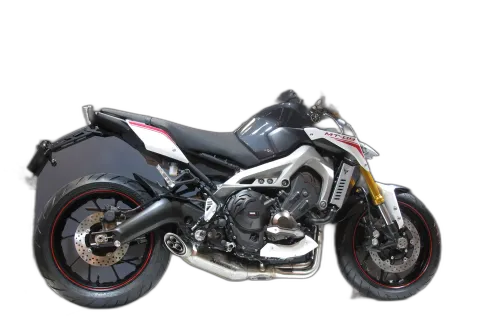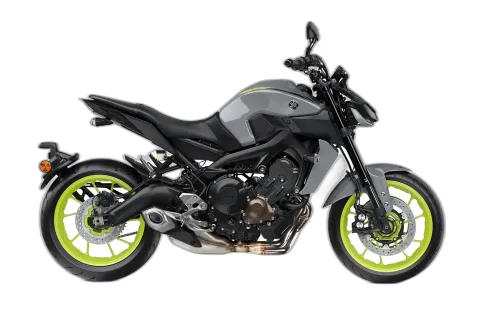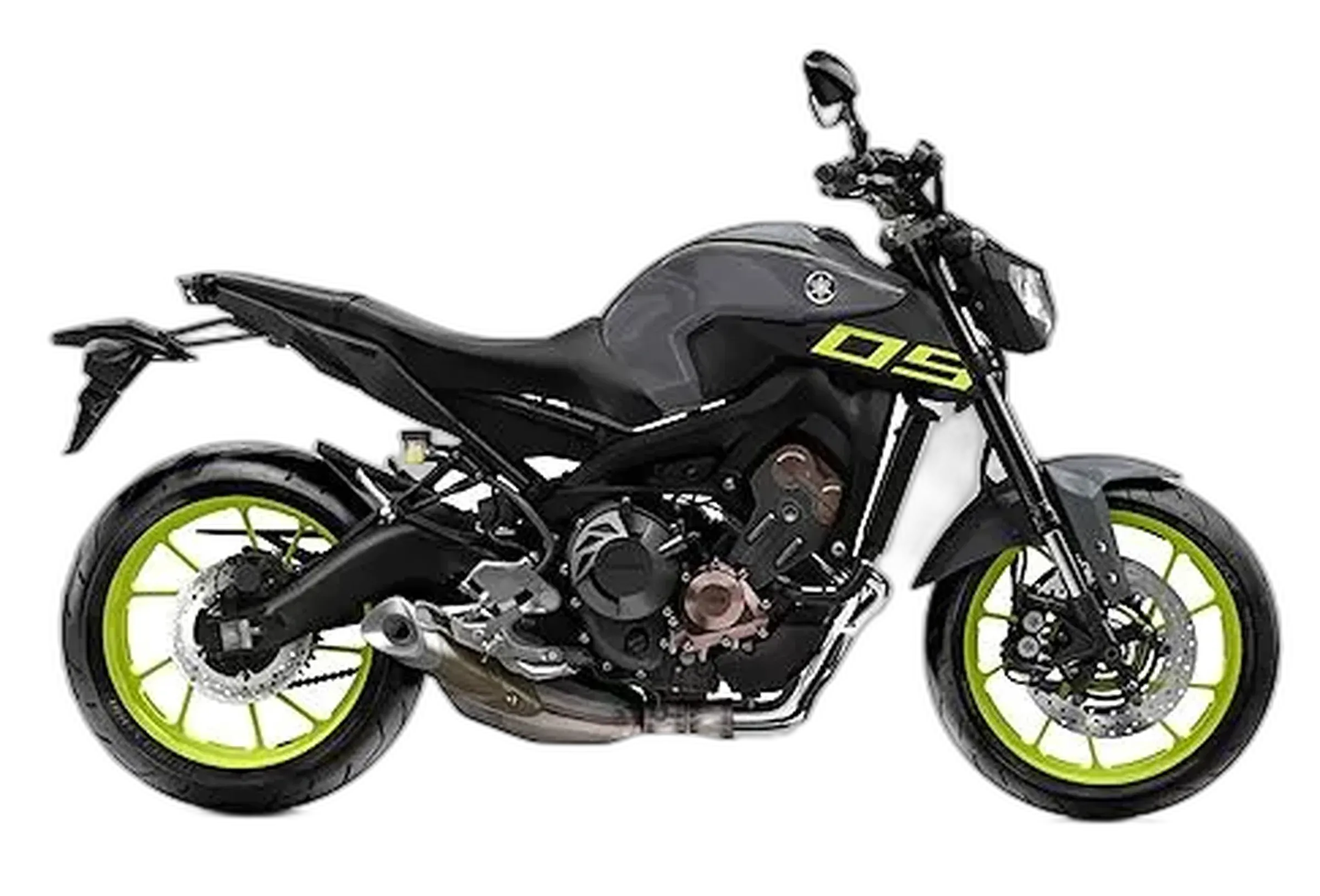

Yamaha MT-09 (RN29) — Naked Bike
NastyNils / Yamaha press archive

2014–2016 · Naked Bike · Buyer's Guide

MT-09 (RN29)

Hooligan Engine, Japanese Precision

The Machine's Character

The MT-09 is built around Yamaha's 847 cc inline-three, and that engine sets the whole tone. It makes 115 hp and 65 lb-ft, and it hangs all of that on a light 414 lb chassis that changes direction like a supermoto. Low-end pull is genuinely strong, the top end keeps building, and the short wheelbase lets it flick through tight streets with almost no effort. ABS, traction control, and ride modes come standard, so the aggression sits inside a safety net. In its class, this is one of the lighter, more feral naked bikes you can throw a leg over.

On the ownership side, this generation ages well. Build quality is a real strength, nothing rattles or buzzes at a set rpm, and reliability is one of its highest marks. It fits a rider who wants an urban and back-road weapon that turns any on-ramp into an event, not someone chasing all-day calm. Be honest with yourself about that. If you are stepping off a full-fairing sportbike hoping for more comfort, this is the wrong machine. The seating pitches you forward, the seat is compact, and long highway days will feel long.

Hard Numbers

Spec sheets don't ride bikes, but they set the baseline.

Show full specs & equipment Hide specs & equipment
Key specifications
Power 115 hp (85 kW) @ 10,000 rpm
Torque 65 lb-ft (88 Nm) @ 8,500 rpm
Displacement 847 cc
Engine Inline-three
Cooling Liquid-cooled
Gearbox 6-speed
Final drive Chain
Fork Upside-down (USD)
Front brake 298 mm
Front tire 120/70 ZR17 M/C (58W) tubeless
Rear tire 180/55 ZR17 M/C (73W) tubeless
Wheelbase 56.7 in (1440 mm)
Seat height 32.1 in (815 mm)
Wet weight 414 lb (188 kg)
Fuel capacity 3.7 gal (14 L)
Top speed 130 mph (210 km/h)
Fuel economy 48 mpg (US)

Equipment check

Chassis

  • Front Suspension Adjustable Standard
  • Rear Suspension Adjustable Standard

Safety

  • ABS Standard
  • Traction Control Standard
  • Ride Modes Standard

The Voice of Experience

Portrait of NastyNils

The test ride

Roll away and the first thing you notice is how little comes through the bars and pegs. The triple spins up cleanly, with far less coarse vibration than a big twin puts into your hands, and it carries a hard, eager voice as the revs climb. You sit forward over the front wheel, knees tucked into a compact tank, and the dash gives you the basics and little else. At real road pace the bike feels smaller and lighter than the numbers suggest. Then you hit an open stretch and expect the short chassis to get busy at speed. It doesn't. Wound right out it stays steady, no headshake, planted where a bike this compact has no business being planted. A few hours in and your body starts reminding you this was assembled to attack, not to cruise.

Rated point by point — where it earns its keep

My own 0–100 score for this bike against the class, area by area — the marker on each bar is the class average.

This is the trick Yamaha pulled that most of its rivals can't. The bike is put together with a clinical, almost sterile precision, free of the little personality flaws you'd forgive on something rawer, and yet the second you roll off the curb it turns feral. In traffic it reads as a harmless, compact supermoto. Then you point it at an on-ramp, pin the throttle, and the speedo is showing license-ending numbers before anything inside your helmet has caught up. There's no warning phase and no gradual build. It simply goes. What surprised me is how fast it gets under your skin: a few days in and I was revving it past any sensible point, hunting for on-ramps, leaning on corners harder than I'd planned. The urge never fades with familiarity, and that contrast between the showroom finish and the ferocity on the road is the entire point of the machine.

The chassis has a split personality, and I mean that as a compliment most of the time. In town and on tight, broken back roads it behaves like a supermoto that shed a decade off my riding age: quick, light, happy to dart from one line to the next with almost nothing asked of me. Where it gets honest about its limits is in wide, fast sweepers. Sitting so far forward over the front tire, I found myself feeding in short, corrective inputs at the bars instead of settling into one clean radius, and the front hunts a little until you commit to babysitting it. This is a bike that wants you working, not coasting. It rewards an active rider on the kind of roads it was built for and quietly punishes a lazy line through a long curve.

What I keep coming back to on this generation is the throttle. The original MT-09 left the crate too sharp off the bottom, and unless you happened to enjoy the on-off snap of a flat-slide carb, it was genuinely hard to meter in traffic. Yamaha's 2016 remap fixed exactly that. All the intensity is still there, but now it arrives through a clean, predictable pickup, and that single change rewrites the personality of the whole bike. The triple pulls hard down low and keeps piling it on as the needle climbs, so you get torque and top-end in the same breath. Ask it to and it turns into a willing wheelie machine. This is an engine with teeth at both ends, and the later mapping is what finally lets an ordinary rider use all of them without fighting the bike.

Build quality is where this Yamaha quietly shows its pedigree. Everywhere I looked and everything I put a hand on lined up the way it should, panel gaps included, and nothing developed a harmonic buzz at a particular rpm or worked loose rattling over broken pavement. This is Japanese manufacturing running at full capacity, and after real miles it still felt as tight as the day it left the floor.

Comfort is the price of admission here. The riding position tips you forward onto your wrists, the seat is small, and there's no touring softness built into any of it. I found short, aggressive blasts perfectly fine, but string together a couple of hours at highway pace and my body started filing complaints. The ergonomics are set up to attack, not to log distance, and they never let you forget it.

Be clear-eyed about what this is before you buy. Riders who step off a full-fairing sportbike chasing more livability and a calmer pace are shopping in the wrong aisle. The MT-09 is a hooligan wearing polished manners, not a relaxed do-everything machine. It'll cover your daily errands well enough, but its whole character pulls toward mischief, so treat it as a toy with plates rather than a sensible comfort upgrade.

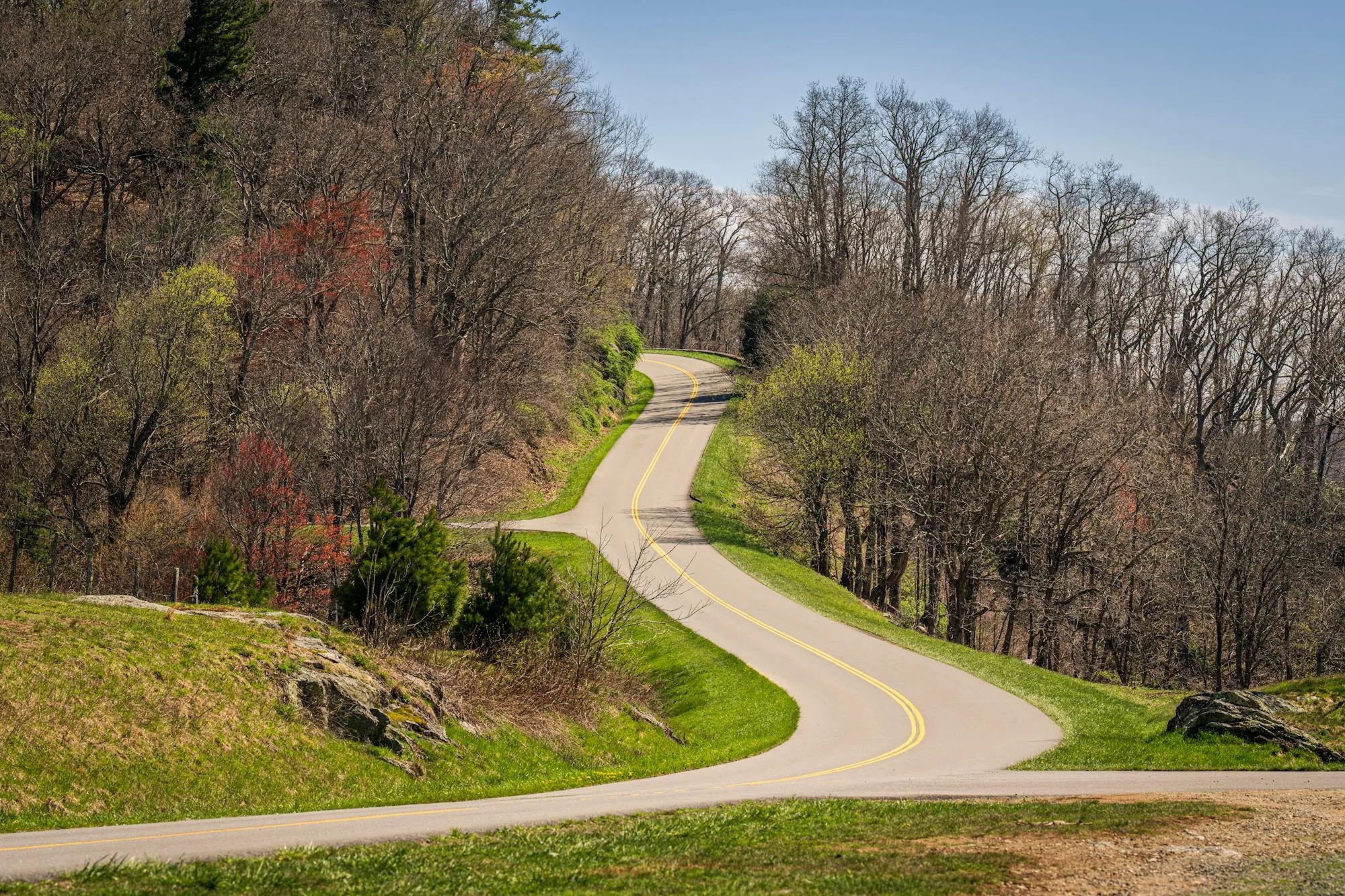
A winding asphalt road descending through the Appalachian Mountains, likely the famous Tail of the Dragon section in Tennessee and North Carolina. Multiple technical right-hand and left-hand curves are visible in this aerial perspective, surrounded by deciduous forest in spring foliage. Clear sunny conditions, well-maintained asphalt with yellow center lines marking the curves.
Mark Stebnicki / Pexels

The Truth on the Street

I've spent years reading what MT-09 owners tell each other and what they tell me directly, in long message threads, in paddock conversations, and in the emails that land in my inbox once someone finally has a season on one. Pull all of it together and the same shape shows up every time. Riders fall hard for the engine and the price, then spend the next few thousand miles working around a handful of rough edges.

The value nobody argues with

The loudest, most repeated praise has nothing to do with lap times. Riders keep coming back to how much motorcycle the MT-09 hands you for the money, and most rate it the strongest performance-per-dollar buy in the middleweight naked class of its day. The 847cc triple carries a lot of that story. The pull arrives low and stays useful without anyone needing to wring it out, and owners routinely tell me it feels quicker than 115 hp has any right to on a chassis this light. The economy catches new owners off guard too. For that kind of output, roughly 48 mpg (4.9 L/100km) beats what most of them expected. The three D-MODE throttle maps earn regular mentions as well, with the softest setting singled out as the easy pick for town.

Where the money didn't go

For every rider who loves the engine, there's one flagging how it behaves at small throttle openings. The abrupt on-off pickup down low is the single most common gripe I hear, jerky in traffic and quick to snap when you crack it open, then handing off sharply into engine braking as you roll back out. The suspension draws nearly as much heat. Owners describe a front end that feels tall and vague and a rear that gets flustered as the pace climbs, both ends short on control. The brakes sit a step behind that. There's plenty of stopping power on tap, but a wooden lever and a soft initial bite leave riders guessing at what the front tire is actually doing.

The day-to-day tally

The rest of the recurring complaints are the ordinary business of living with the bike. The stock seat gets old fast, with numbness setting in for a lot of riders after about an hour aboard. With no wind protection at all, sustained highway work north of 75 mph (120 km/h) wears people down and caps how far anyone wants to tour on it. The small 3.7-gallon (14 L) tank feeds that same limit, leaving a practical range around 120 to 160 miles (190–260 km) and an early fuel light that keeps you honest about stops. A handful of riders also note the missing slipper clutch, since a hard downshift can chirp or lock the rear wheel.

Known issues

  • Excessively aggressive throttle response causing jerky on/off transitions

    fuel systemoccasional

    The ECU's fuel mapping creates abrupt power delivery during throttle transitions. In A and Standard modes, small throttle movements cause disproportionate power changes. Fuel cut functionality above ~4,500 rpm shuts off injectors during deceleration, then reapplies fuel abruptly when RPM drops — creating a pronounced jerk. Most problematic at low speeds in urban riding. Yamaha partially addressed this with a revised ECU map for 2015, and offered free reflash to 2014 owners. Some 2014 units shipped with improved mapping. Aftermarket ECU flashing (2 Wheel DynoWorks, vcyclenut, Ivan's Performance) available for ~$350 USD.

  • Intermittent engine cutout at idle and during low-speed deceleration

    fuel systemoccasional

    Engine cuts out at traffic lights, during slow maneuvering, or when decelerating to a stop. The ECU reduces fuel supply too aggressively near idle. Related to throttle body synchronization issues in some cases. Problem can worsen in hot weather.

  • Throttle position sensor malfunction causing hesitation, surging, or stalling

    electricsoccasional

    TPS wiring or connectors may become damaged, loose, or corroded, sending faulty or no signals to the ECU. Symptoms include hesitation, surging, stalling, or poor performance. Can trigger fault codes.

  • Stock front fork and rear shock lack adequate damping for performance

    chassisoccasional

    Front fork too soft in compression and rebound for the bike's power and weight. Rear shock loses damping control under aggressive use. Dive under braking is excessive. Rear end feels unsettled over bumps. Multiple aftermarket suspension companies (K-Tech, Öhlins, YSS, Nitron) offer complete replacement units, indicating strong market demand for upgrades.

  • O2 sensor failures when exposed to heavy rain or pressure washing

    fuel systemcommon

    The O2 sensor is vulnerable to water ingress. Heavy rain, deep puddles, or pressure washing can cause sensor failure, triggering engine warning light and poor running. The sensor's position makes it susceptible to road spray. At low constant throttle, O2 sensor cycling between lean/rich creates lumpy engine running. Solutions include O2 sensor eliminator, Power Commander, or ECU flash that disables O2 sensor cycling at low RPM.

The Expert Benchmark

Where this Yamaha MT-09 pulls ahead of — or falls behind — its rivals on the numbers, and the typical bike in its class on character.

What kind of bike this is — character vs. the class

This bike Class average

The shape of the Yamaha MT-09 — numbers and character vs. the average Naked Bike

Head-to-head: Yamaha MT-09 vs. its rivals

The 'Should I Buy It?' Score

Forget spec-sheet bragging. Here's who the MT-09 is actually built for.

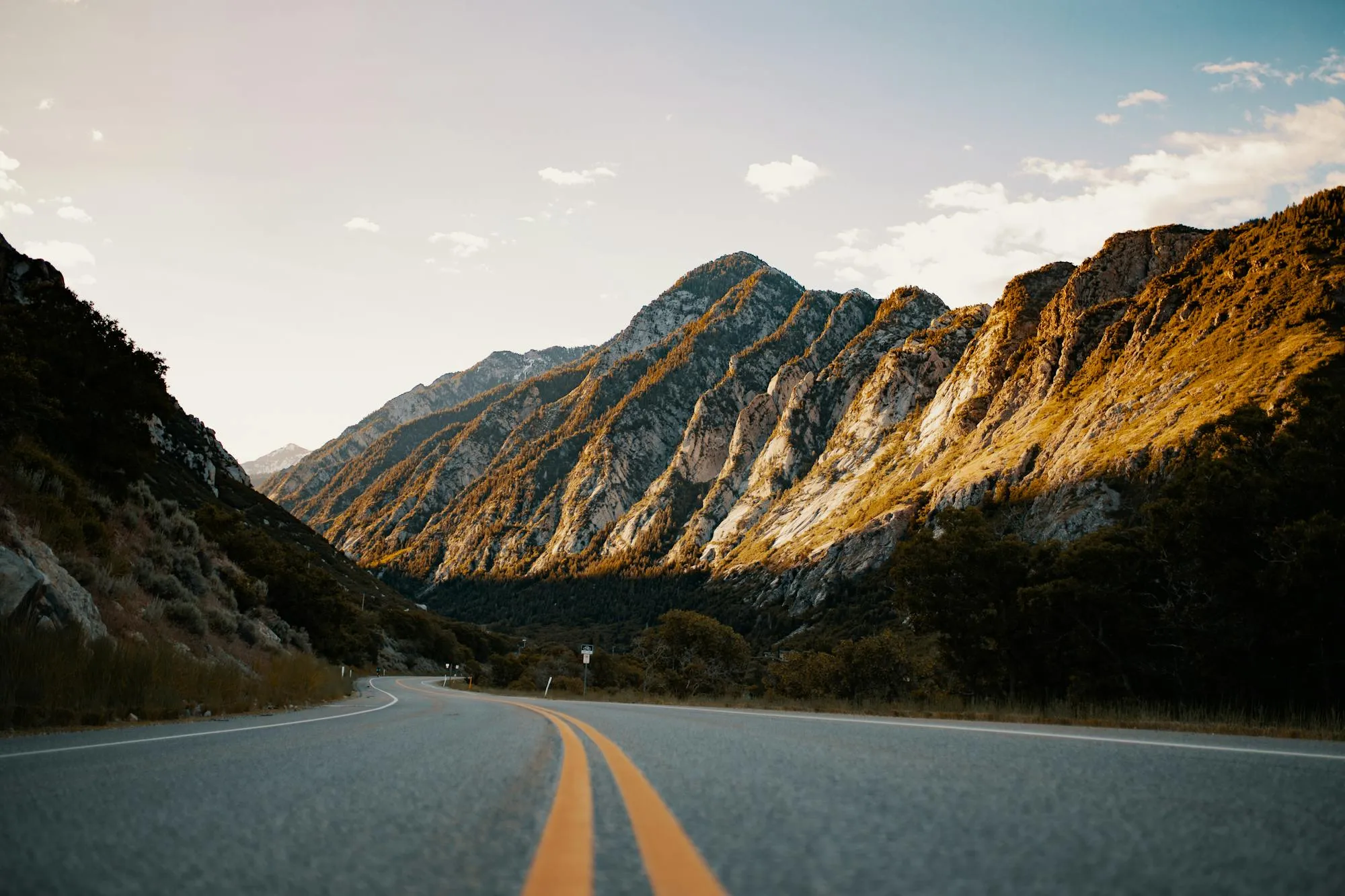
A scenic view of Angeles Crest Highway winding through rugged Southern California canyon terrain. Rocky mountainsides with golden earth tones frame the asphalt road with tight sweeping curves. Double yellow center line visible, sparse vegetation along the shoulders, clear blue sky with white clouds. Daylight, dry conditions. Iconic location for canyon-road enthusiasts.
Josh Sorenson / Pexels

Best motorcycle for Angeles Crest?

You want precision and pace on the Angeles Crest, and this light, flickable triple delivers it. Just know it's a sharp street tool, happiest hunting corners, not settling into long smooth sweepers.

Made for Angeles Crest Highway · Coronado Trail / US 191 · Highway 1 / Big Sur
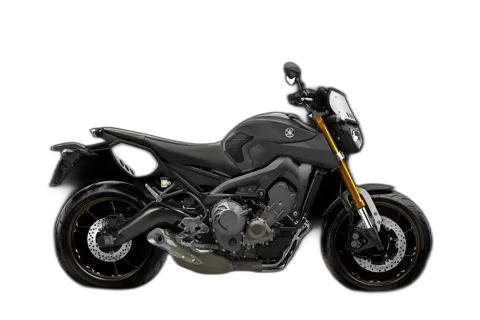
Best motorcycle for Tail of the Dragon?

For skill work on the Dragon and Blue Ridge, the light handling and instant direction changes suit you. It shines in tight technical sections, though it gets busy in wide, fast bends.

Made for Back of the Dragon · Blue Ridge Parkway · Cherohala Skyway