By NastyNils·
Motorcycle comparison · Hyper Naked
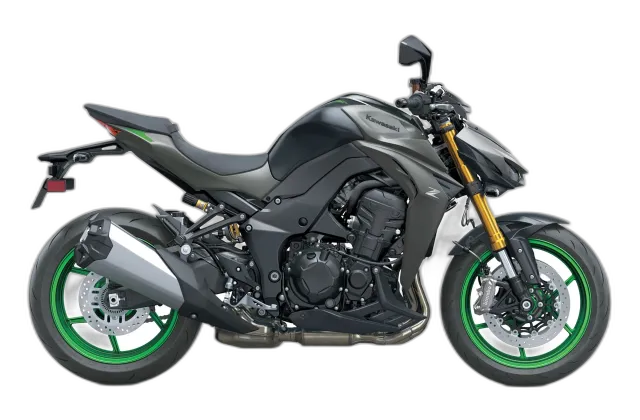
Kawasaki Z1100 (MY2026-SE) vs Z1000 (ZZRT00F)
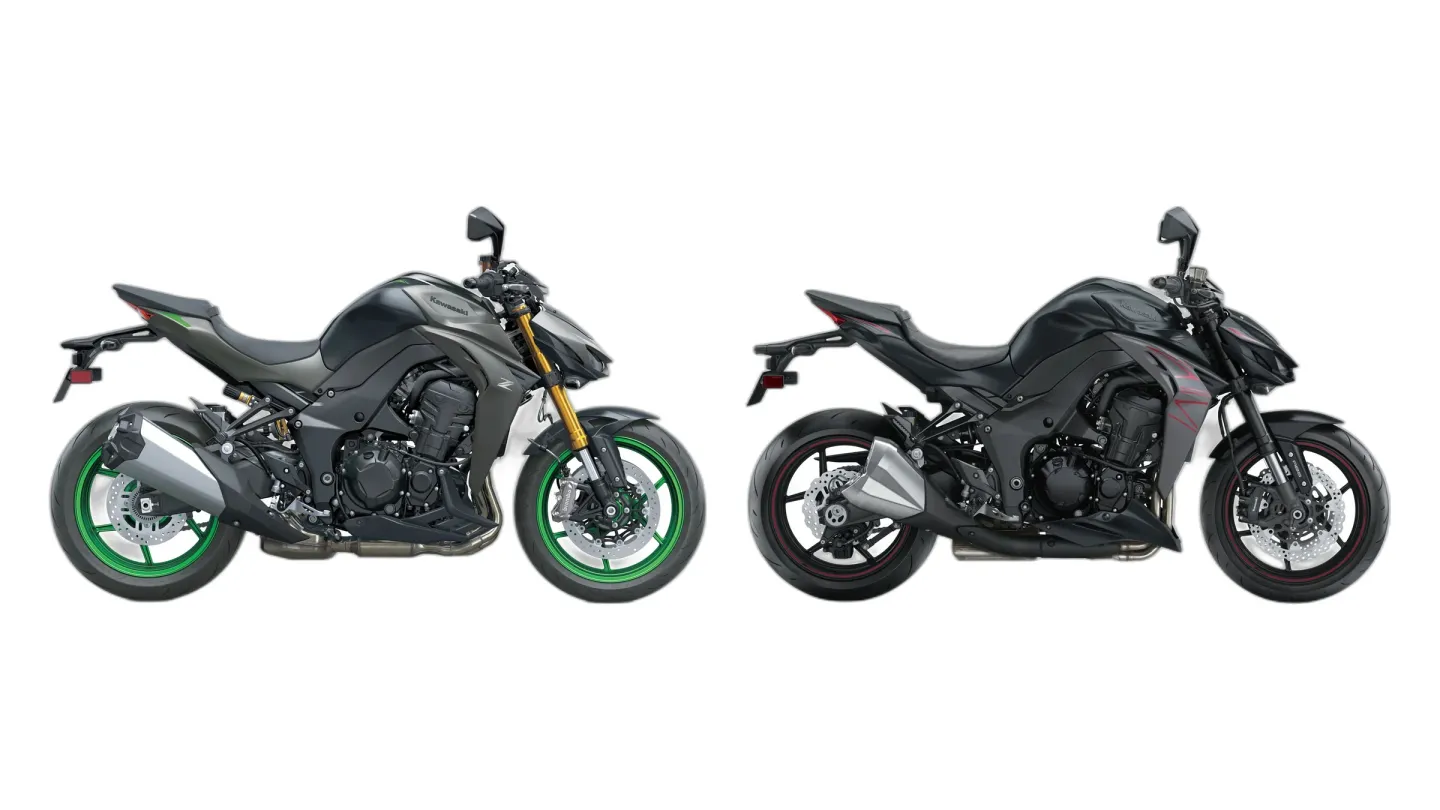
Kawasaki Z1100 vs Z1000: which one's easier to live with every day.
Roll on from low revs and the Kawasaki Z1100 doesn't hesitate: it pulls cleanly and swells through the middle. The Kawasaki Z1000's throttle spins up a flywheel you can feel turning. Each blip and downshift lands with mechanical heft.
So which one do you buy?
The Z1100 has the edge if…
Racetrack use
Slight edge: Z1100
Lap after lap, the Z1100 noses ahead. Credit stronger brakes. Your own riding will make a bigger difference than this gap.
Daily commuting & city riding
By a nose: Z1100
Through rush hour, the Z1100 is a little easier to live with. Thank friendlier manners for that.
What makes each one tick
Z1100
There's a thick midrange in the Z1100's inline-four that builds speed from barely off idle without drama. Its crouched nose glares even at a standstill.
Z1000
No electronic script sits between the Z1000's engine and the rear tire. Easing the throttle open draws a steady, deliberate surge from the four. Wide open, there's raw bite. Tight hairpins don't knock the aluminum frame off its line.
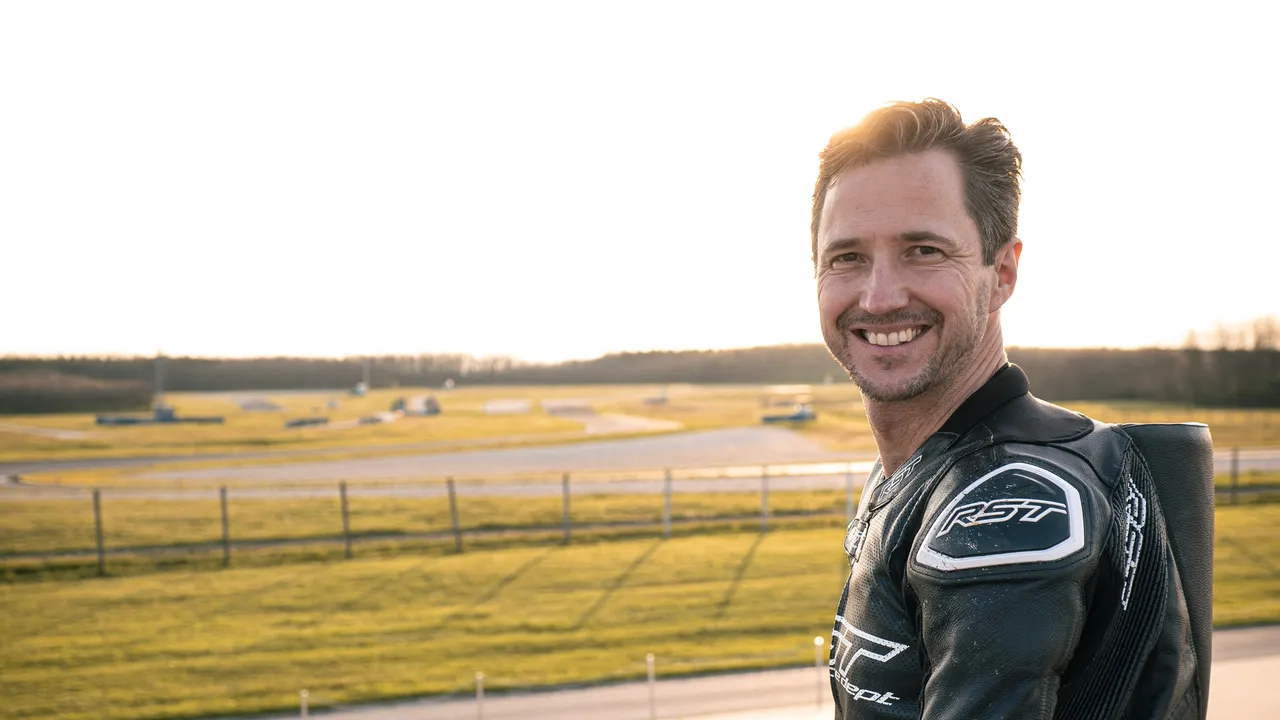
Nils rode the Z1000 in 2014 and 2025 (NastyNils Testride).
The Voice of Experience
What actually separates them
- The Z1100 has the larger engine: 1099 cc vs 1043 cc.
- Cornering ABS: standard on the Z1100, not offered on the Z1000.
- Traction Control: standard on the Z1100, not offered on the Z1000.
Which one for the way you ride
Comfortable long-distance riding
Not their thing
Big miles aren't where either one shines. You'll be watching for the next rest stop.
They come out level on character and twisty roads. The better-kept used example is the smarter money.
Who each one is built for
What's good, and what you'll live with
Z1100
What owners say
Strengths
- Smooth, flexible engine with strong midrange
Z1000
From Nils' own saddle time
Strengths
- Flywheel Mass You Actually Feel
- Linear, Then Genuinely Raw
- Motor Takes Real Mileage
- Composed Through Tight Corners
- Used Values Hold Up
Trade-offs
- Seat Gets Old In Hours
- No Wind Protection At All
- Stock Suspension Runs Firm
- No Traction Control Or Quickshifter
What they share
- Seat height
- 32.1 in (815 mm)
- Wet weight
- 487 lb (221 kg)
- Engine
- Inline-four
- Cooling
- Liquid-cooled
- Fuel capacity
- 4.5 US gal (17 L)
- Gearbox
- 6-speed
- Final drive
- Chain
- Fork
- Upside-down (USD)
- Front brake
- 310 mm
- Front tire
- 120/70-17
Where the spec sheets split
| Z1100 | Z1000 | |
|---|---|---|
| Displacement | 1099 cc | 1043 cc |
| Power | 136 hp (100 kW) | 142 hp (104 kW) |
| Peak power at | 9,000 rpm | 10,000 rpm |
| Torque | 83 lb-ft (113 Nm) | 82 lb-ft (111 Nm) |
| Peak torque at | 7,600 rpm | 7,300 rpm |
| Top speed | 149 mph (240 km/h) | 147 mph (237 km/h) |
| Z1100 | Z1000 | |
|---|---|---|
| Rear tire | 190/50-17 | 190/55-17 |
| Wheelbase | 56.7 in (1440 mm) | 56.5 in (1435 mm) |
What comes fitted, what costs extra
| Z1100 | Z1000 | |
|---|---|---|
| Cornering ABS | Standard | Not offered |
| Traction Control | Standard | Not offered |
| Ride Modes | Standard | Not offered |
| Wheelie Control | Standard | Not offered |
| Cruise Control | Standard | Not offered |
| Quickshifter | Standard | Not offered |
| TFT Display | Standard | Not offered |
| Smartphone Connectivity | Standard | Not offered |
| USB Charging Port | Standard | Not offered |
| Heated Grips | Option | Not offered |
| LED Headlight | Standard | Standard (from 2017) |
Head to head, area by area
Both bikes on the same scale, one area at a time.