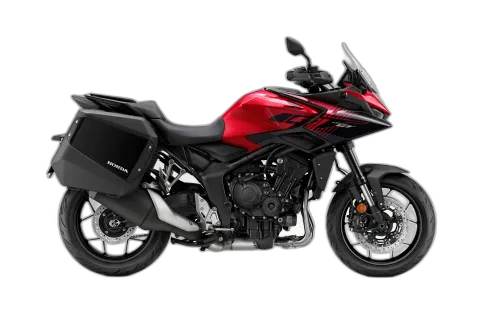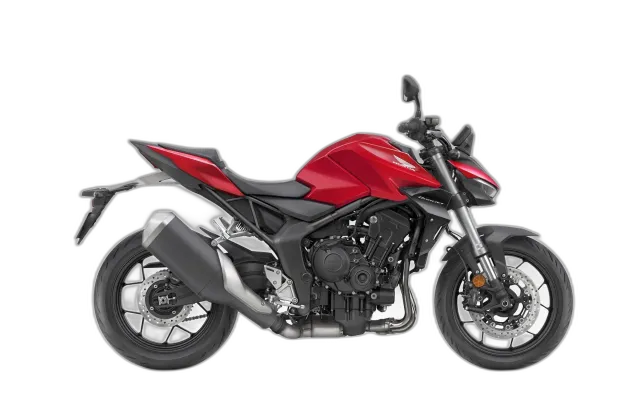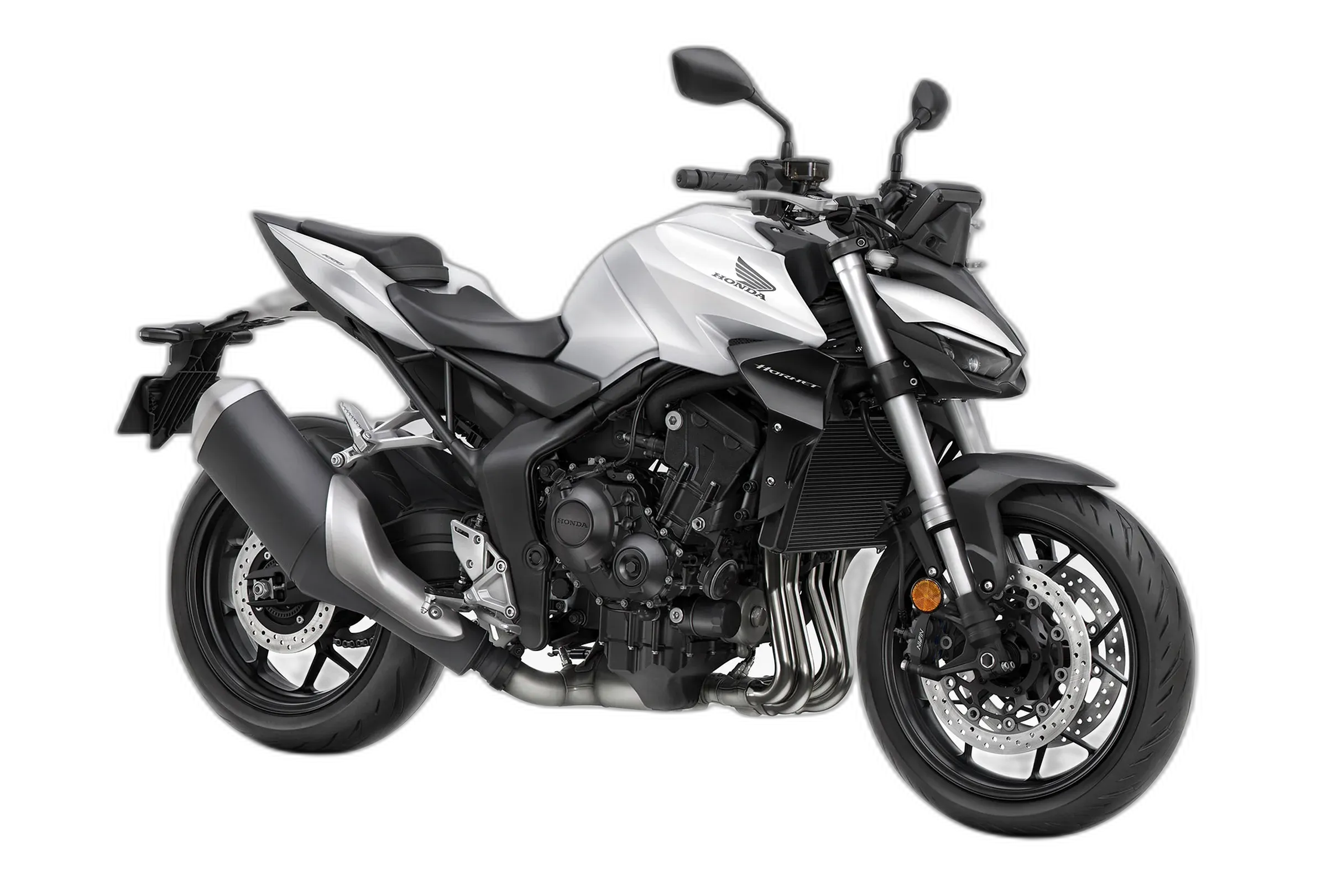


Honda CB1000 Hornet (SC86-SP) — Naked Bike
Honda Press

2025 · Naked Bike · A variant of the CB1000 Hornet

CB1000 Hornet SP (SC86-SP)

Differences between the standard CB1000 Hornet and the SP

4.5 / 5 NastyNils Rating · against its class

Honda That Actually Wheelies

The Machine's Character

Honda built the Hornet SP around a detuned version of the Fireblade inline-four, and the numbers land where they should for a 1000 cc naked: 157 hp at 11,000 rpm, 79 lb-ft at 9,000 rpm. What matters just as much is the hardware bolted to the steel twin-spar frame. The rear shock is the top-tier Öhlins TTX unit, the highest specification available rather than a mid-grade compromise, the fork is fully adjustable, and Brembo calipers do the stopping. Traction control, ride modes and wheelie control are standard, and this trim builds on the base bike with a quickshifter that works up and down.

On the road it behaves far less soberly than the badge prepares you for. Load it into a fast sweeper and the chassis stays settled, weight transfers don't upset the line, and on the exit of a crested fourth-gear section the front end will come up without being asked twice. The engine wants revs, though. Below the midrange there's a real dip in urgency, so ride it short-shifted and lazy and you'll wonder what the fuss is about. One caveat on early 2025 bikes: recalls covered out-of-spec pistons and rings that can drive heavy oil consumption, a fuel feed hose connector, and a loose gearshift pedal. Have the VIN checked before money changes hands.

Hard Numbers

Spec sheets don't ride bikes, but they set the baseline.

Show full specs & equipment Hide specs & equipment
Key specifications
Power 157 hp (115 kW) @ 11,000 rpm
Torque 79 lb-ft (107 Nm) @ 9,000 rpm
Displacement 1000 cc
Engine Inline-four
Cooling Liquid-cooled
Gearbox 6-speed
Final drive Chain
Fork Upside-down (USD)
Front tire 120/70-17
Rear tire 180/55-17
Seat height 31.9 in (809 mm)
Wet weight 467 lb (212 kg)
Fuel capacity 4.5 gal (17 L)

Equipment check

Chassis

  • Front Suspension Adjustable Standard
  • Rear Suspension Adjustable Standard

Connectivity

  • TFT Display Standard
  • Smartphone Connectivity Standard
  • USB Charging Port Standard

Drivetrain

  • Quickshifter Standard
  • Slipper Clutch Standard

Lighting

  • LED Headlight Standard

Safety

  • ABS Standard
  • Traction Control Standard
  • Ride Modes Standard

The Voice of Experience

Portrait of NastyNils

The test ride

The first mile tells you most of it. You sit down, reach for the levers and the display, and there's nothing to decode before you've left the parking lot. The 31.9 in (809 mm) seat puts you in a neutral stance with a knee angle that stays on the sane side of aggressive, so an hour in you're not fidgeting for a new position. The noise is the part I kept thinking about afterward. Down low it's a bass growl, and past the middle of the rev range it goes hoarse and raw, with none of that manufactured exhaust theater layered over the top. Hold it near redline and your hands stay quiet; for an engine spinning that hard, almost nothing comes through the bars or the pegs. At real road pace the 467 lb (212 kg) stops announcing itself once you're rolling.

What the CB1000 Hornet SP Adds — Differences vs the Standard CB1000 Hornet

The CB1000 Hornet SP (SC86-SP) builds on the standard CB1000 Hornet: the upgraded hardware, the key spec changes and where its character shifts. The full ride, specs, scoring and verdict are all right here on this page.

Premium hardware the SP brings

  • Transmission Quickshifter Down An up-and-down quickshifter for clutchless downshifts; the standard blips on upshifts only.
  • Transmission Quickshifter Up A quickshifter for clutchless upshifts the standard goes without.

Hard spec differences

SpecStandard CB1000 HornetSPΔ
Power 152 hp 157 hp +5 hp
Torque 77 lb-ft 79 lb-ft +2 lb-ft

How the SP shifts the character

Where the SP does more
  • A richer, more connected tech suite
  • More suspension adjustment to dial in
  • Higher-grade suspension components front and rear

Rated point by point — where it earns its keep

My own 0–100 score for this bike against the class, area by area — the marker on each bar is the class average.

The honest version is that the roads I had didn't hold it. All day it kept suggesting there was more available than the route let me use, and I finished wanting a track session before I'd sign off on it. Not because I was unsure of anything, but because the bike kept making the offer. It was the biggest surprise of the group that day, and nobody argued the point.

What separates this chassis from the naked-bike norm is how much reserve sits underneath you. Loaded up hard, the fork keeps tracking cleanly instead of going vague, and the rear damping holds the bike level under the kind of load that has most hardware in this class throwing in the towel. I went looking for the point where it would start protesting and never found it on the road. What I like most is that the quality shows up in both places you'd actually use it. Ride it fast on a backroad and it feels planted rather than busy. Take it somewhere with proper corners and the setup is still doing its job instead of running out of ideas. That is rare at this end of the market, and for me it's the strongest single part of the package.

What I keep coming back to is how wide the torque is spread. You don't have to hunt for a specific window to make it work; pick a gear, open it, and there's drive waiting. That matters far more on real roads than any peak figure does. The throttle is the other part I rate highly. Pickup off a closed throttle is immediate, but it's precise with it, so the small inputs you make on a corner exit get answered exactly as you asked rather than with a reaction you never ordered. There's one place that breaks down. On a tight supermoto-style layout, first gear, cracking it open and shutting it again every few seconds, the transition stops feeling like a roll and starts feeling like a snap. On a backroad I never noticed it. On a technical track you'll work for your results.

This is about the electronics, not the hardware. Push in at real pace and the system trips early under hard braking, then lets go of the pressure in a jolt at the exact moment you want it held steady. That's backward from what trail braking into an apex asks for. On the road you'll probably never meet it. Ride the bike at its limit and it becomes the thing standing between you and the corner entry you wanted.

The saddle is where I expected to pay for the bike's character. It's firm and shaped for sport riding rather than padded for sofa duty, and firm seats usually come with a bill attached at the end of a long day. This one never sends it. The firmness stays constant instead of accumulating into something that has you standing on the pegs every few miles, so when you pull into the last fuel stop you're tired in the ordinary way rather than sore in one specific spot. I'd take that trade every time. A softer seat would suit this bike less and wouldn't make the day any better anyway.

What I noticed most in daily use is how quietly it behaves when you're not asking anything of it. In town traffic the engine sits in the background and the throttle doesn't make you pay for riding calmly, which is not always true of motors with this much on tap. The switchgear feels properly built under your thumb too, solid rather than cheap and clicky.

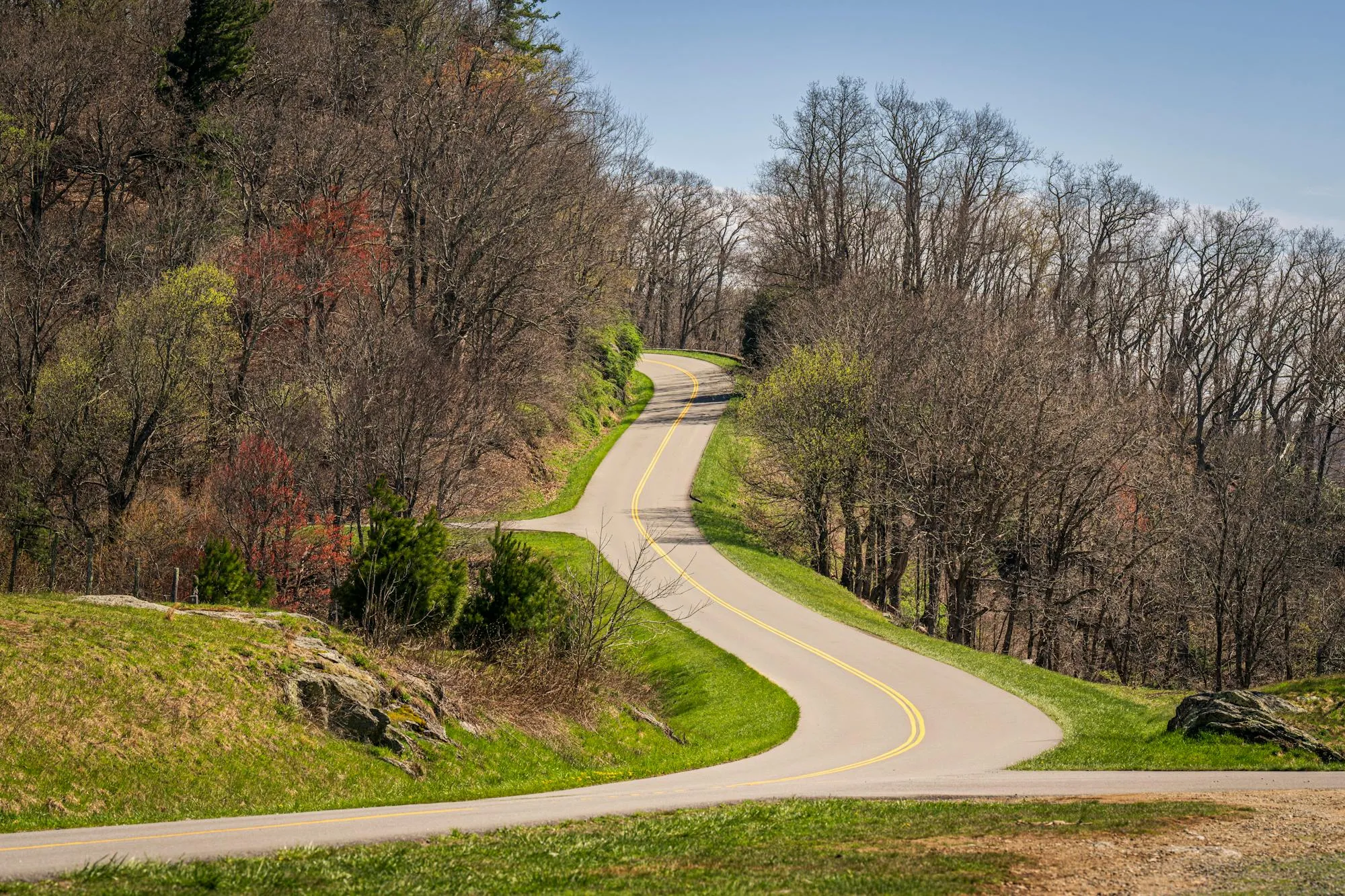
A winding asphalt road descending through the Appalachian Mountains, likely the famous Tail of the Dragon section in Tennessee and North Carolina. Multiple technical right-hand and left-hand curves are visible in this aerial perspective, surrounded by deciduous forest in spring foliage. Clear sunny conditions, well-maintained asphalt with yellow center lines marking the curves.
Mark Stebnicki / Pexels

The Truth on the Street

I've been collecting notes on this bike the way I collect them on all of them: paddock talk at track days, owners comparing experiences at club nights, and the emails and messages riders send me once they've lived with one for a while. Pool enough of that and the shape of this Hornet gets clear quickly. The praise lands in the same places almost every time, the engine, the way it turns, and what riders feel they got for their money, and the grumbles only surface once the pace goes up.

The engine owners talk about first

Riders lead with the inline-four. They describe it as punchy and playful, an engine that wants to be wound out and pays you back for doing it. Owners who ride it every day report power that stays flexible rather than peaky, with drive on offer across the rev range instead of parked at the very top.

Light on its feet, easy with it

The handling reports read the same way across the board. Riders consistently call it nimble, quick to change direction and steady once it's leaned over. The second half of that story is how little the bike asks of you. Owners describe it as manageable at low speed, light at the clutch and natural in the riding position, which is why the feedback comes from such a wide spread of riders. Value comes up constantly too. What you get for the money against European competition is the comparison owners make most often.

Where hard riders start turning screws

The gripes cluster tightly, and they come from riders pushing hard. The recurring one is suspension that feels soft when the pace climbs. Owners who take the bike to a circuit report winding preload and damping close to the stops before it settles, and some still want more support than they can find. Mentioned less often is the upshift side of the quickshifter, where riders describe a delay that interrupts the run when they're accelerating hard. The auto-blipper on the way down draws praise instead.

Known issues

  • Excessive oil consumption from out-of-spec pistons/rings

    engine rare Recall

    Incorrect piston and ring specifications can cause excessive oil consumption, potentially leading to connecting rod bearing seizure. Affects 2025 models built between September 2024 and August 2025. Honda recall KT6 issued, remedy TBD.

  • Fuel hose disconnect risk

    fuel system rare Recall

    Improper angle sensor coupler placement may unlock the fuel feed hose quick connector, causing a fuel leak. Recall KU5 applies to 2025 models built January–July 2025. Remedy: secure coupler and replace fuel hose.

  • Loose gearshift pedal

    drivetrain rare Recall

    Some 2025 Hornet SPs were recalled for a loose gearshift pedal that could detach. Recall performed in late 2025.

The Expert Benchmark

Where this Honda CB1000 Hornet pulls ahead of — or falls behind — its rivals on the numbers, and the typical bike in its class on character.

What kind of bike this is — character vs. the class

This bike Class average

The shape of the Honda CB1000 Hornet — numbers and character vs. the average Naked Bike

Head-to-head: Honda CB1000 Hornet vs. its rivals

The 'Should I Buy It?' Score

Forget spec-sheet bragging. Here's who the CB1000 Hornet is actually built for.

A scenic view of Angeles Crest Highway winding through rugged Southern California canyon terrain. Rocky mountainsides with golden earth tones frame the asphalt road with tight sweeping curves. Double yellow center line visible, sparse vegetation along the shoulders, clear blue sky with white clouds. Daylight, dry conditions. Iconic location for canyon-road enthusiasts.
Josh Sorenson / Pexels

Best motorcycle for Angeles Crest?

This is built for your roads. The chassis stays composed when you load it up in fast sweepers, and the suspension is good enough that you'll run out of canyon before it runs out of talent.

Made for Angeles Crest Highway · Coronado Trail / US 191 · Highway 1 / Big Sur
Best motorcycle for Tail of the Dragon?

On tight, technical pavement it tracks exactly where you point it, even at crawling speed. Just keep the revs up. Ridden lazily under the midrange, it won't pay back the effort you're putting in.

Made for Tail of the Dragon · Back of the Dragon · Blue Ridge Parkway

Best motorcycle for Bay Area?

It stays civil in city traffic and never punishes you for riding calmly, then wakes up on the ridge roads. The TFT display, navigation and USB charging are standard and cover the commute.

Made for Bay Area Ridge Roads · San Francisco / Bay Area · Skyline Boulevard / Alice's Restaurant

What's new versus the previous generation

If you're cross-shopping the older generation, here's what changed.

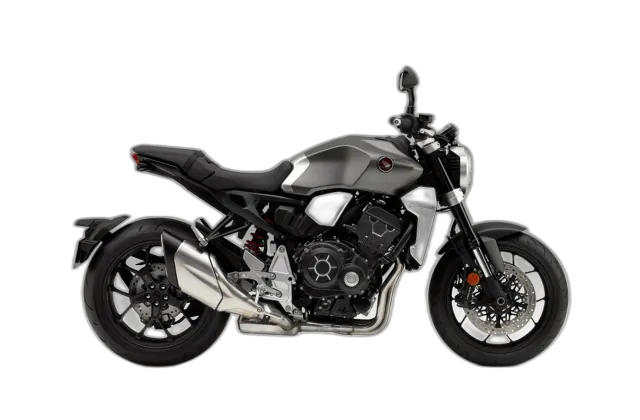
Honda CB1000R (SC80)

Previous generation · 2018–2025

Honda CB1000R (SC80)

Refined Power, Zero Drama

Compare to the previous model →

Alternatives to the Honda CB1000 Hornet

If this one isn't quite the fit, these are the bikes worth riding back-to-back against it.

Any price note compares both bikes at the same age — the youngest age both have on the used market — against this Honda CB1000 Hornet. “cheaper/pricier” is what that bike costs second-hand, not how worn it is.