Yamaha MT-10 (RN78-SP) — Hyper Naked
Yamaha press archive

2022 · Hyper Naked · A variant of the MT-10

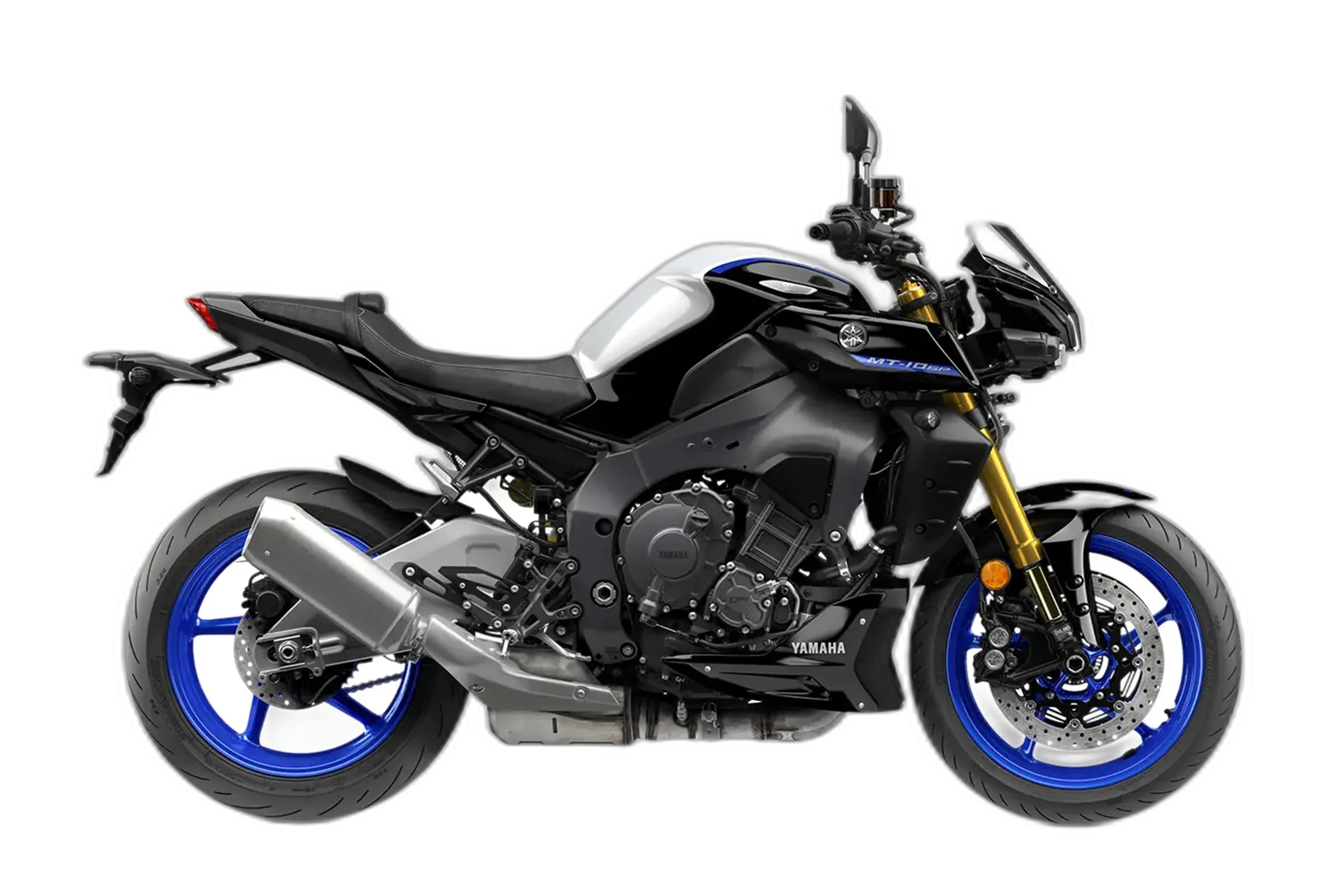
MT-10 SP (RN78-SP)

Differences between the standard MT-10 and the SP

5 / 5 NastyNils Rating · against its class

The R1 With No Apologies

The Machine's Character

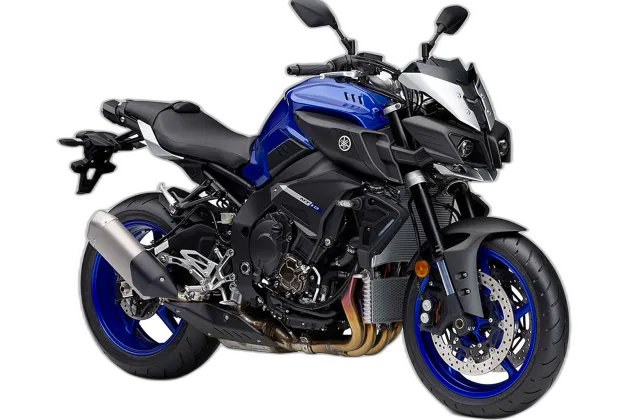
The MT-10 SP is the R1 with the fairing pulled off and the bars lifted, and it sits at the top of Yamaha's naked range. The heart is the 998 cc CP4 crossplane inline-four: 166 hp at 11,500 rpm, 83 lb-ft, and a low-end shove that defines every ride. It sits in an aluminum twin-spar frame and carries a six-axis IMU behind lean-sensitive traction control, cornering ABS, wheelie control, four ride modes and cruise control. The SP builds on the standard bike with one thing: Öhlins semi-active suspension. That's the reason to buy it.

On the road it's wild without being chaotic: the chassis stays calm and the electronics step in smoothly instead of cutting in hard. It's for experienced riders who want real pull out of every corner and suspension they can retune from the dash for a rough back road or a smooth mountain pass. The honest caveat: wound out to very high speed against the most radical bikes in this class, the engine loses urgency and you feel the gap. There's also zero wind protection and no USB port. On a used one, check the tank cover paint near the seams. Otherwise? Pure Dark Side.

Hard Numbers

Spec sheets don't ride bikes, but they set the baseline.

Show full specs & equipment Hide specs & equipment
Key specifications
Power 166 hp (122 kW) @ 11,500 rpm
Torque 83 lb-ft (112 Nm) @ 9,000 rpm
Displacement 998 cc
Engine Inline-four
Cooling Liquid-cooled
Gearbox 6-speed
Final drive Chain
Fork Upside-down (USD)
Front brake 320 mm
Front tire 120/70-17
Rear tire 190/55-17
Wheelbase 55.3 in (1405 mm)
Seat height 32.9 in (835 mm)
Wet weight 472 lb (214 kg)
Fuel capacity 4.5 gal (17 L)
Fuel economy 34 mpg (US)

Equipment check

Chassis

  • Electronic Suspension Öhlins NIX30-SV / TTX36-SV Semi-Active (ERS 2nd gen) Realtime road adaptationBrake dive control Standard
  • Front Suspension Adjustable Standard
  • Rear Suspension Adjustable Standard
  • Steering Damper Standard
  • Cruise Control Standard

Comfort

  • Heated Grips Optional

Connectivity

  • TFT Display Standard

Drivetrain

  • Quickshifter Standard
  • Slipper Clutch Standard

Lighting

  • LED Headlight Standard

Safety

  • ABS Standard
  • Cornering ABS Standard
  • Traction Control Standard
  • Ride Modes Standard
  • Wheelie Control Standard

The Voice of Experience

Portrait of NastyNils

The test ride

What hits you first is the noise. The crossplane beat is uneven and gruff, nothing like a normal inline-four wail, and the airbox pipes the intake roar straight up into the cockpit: you feel it in your chest as much as you hear it. You sit tall and relaxed, more touring bike than sport machine, and that never stops being a little absurd given how hard this thing goes. Clutchless shifts click through in both directions, with a neat blip on the way down. A few taps in the menu and the Öhlins changes its manners in a way you notice from the seat. Then the downsides creep in. In town, heat from the rear of the engine warms your right leg. On the highway the wind lands square on your chest. The seat is fine for a day on the road. Short blasts are where it shines. Addictive stuff!

What the MT-10 SP Adds — Differences vs the Standard MT-10

The MT-10 SP (RN78-SP) builds on the standard MT-10: the upgraded hardware, the key spec changes and where its character shifts. The full ride, specs, scoring and verdict are all right here on this page.

Premium hardware the SP brings

  • Suspension Electronic Suspension Semi-active electronic suspension that adapts its damping on the move — the standard runs conventional, manually-set suspension.

How the SP shifts the character

Where the SP does more
  • More suspension adjustment to dial in

Rated point by point — where it earns its keep

My own 0–100 score for this bike against the class, area by area — the marker on each bar is the class average.

This is the part I find hardest to explain to people. I'm sitting bolt upright, as comfortable as on a touring bike, and my knee pads are still scraping through the corners. Going from road tour to circuit takes a few taps in the onboard menu. I put that spread down almost entirely to the quality of the chassis and electronics, and it almost never happens on a bike like this. The crossplane engine sounds properly muscular when I wind it on, too. Rare combination!

Through linked corners I put it on a line and it holds, and neither a hard squeeze of the brake nor a roll-on at lean upsets it. The Öhlins Spool Valve suspension has real range: I can set it up for a road tour or a track day with three semi-active modes and manual adjustment, and the bike answers each time. The traction control deserves its own praise. It trims power gently, with none of that cut-and-restore that pitches you forward, and its modes are tuned for real roads, not just circuits. Composed stuff!

What I keep coming back to is how well this engine is mapped. From a fully closed throttle it picks up at once, with no hiccup and no surge, and the overrun is calibrated so precisely that slamming the throttle shut at lean just calms the bike down. That makes the motor easy to trust in the middle of a corner. The limit shows up late: at most road speeds it runs with anything, but held wide open far beyond that against the most aggressive nakeds, I felt the pull thin out. Only there, though.

The front brake stops the bike hard enough: I never ran short of power. What bothers me is the lever. Its pressure point is softer than anything I expect on a top-spec machine, and braided lines are already fitted, so that's not the excuse. More aggressive pads improve it. I still think you shouldn't have to sort this out yourself on a bike at this level. Annoying!

On the road I've got little to complain about, and the trouble starts when I take this bike to the circuit. The riding position leaves me tall and passive at exactly the moment I want to load the front tire and read the contact patch: direct front-end feedback is the first thing I miss. The seat adds to it. Its padding suits road work, but over a long track session it's too soft and swallows the chassis feedback I need most. The quickshifter is the bright spot. Trailing the brake into a corner, I can go down through the gears and each shift arrives with the revs already matched, and it's just as exact going up. Then there's the wind. Nothing on the front of this bike deflects any of it, which doesn't matter on a quick run and grinds you down over a long highway stretch. Naked means naked!

The cockpit gives you one power outlet, and that's the whole offer. I found no USB port and no phone integration of any kind, so your phone stays a separate device with nothing to connect it to the bike. On a machine specced as the top of the range, I can't find a good argument for leaving that out. Bring an adapter.

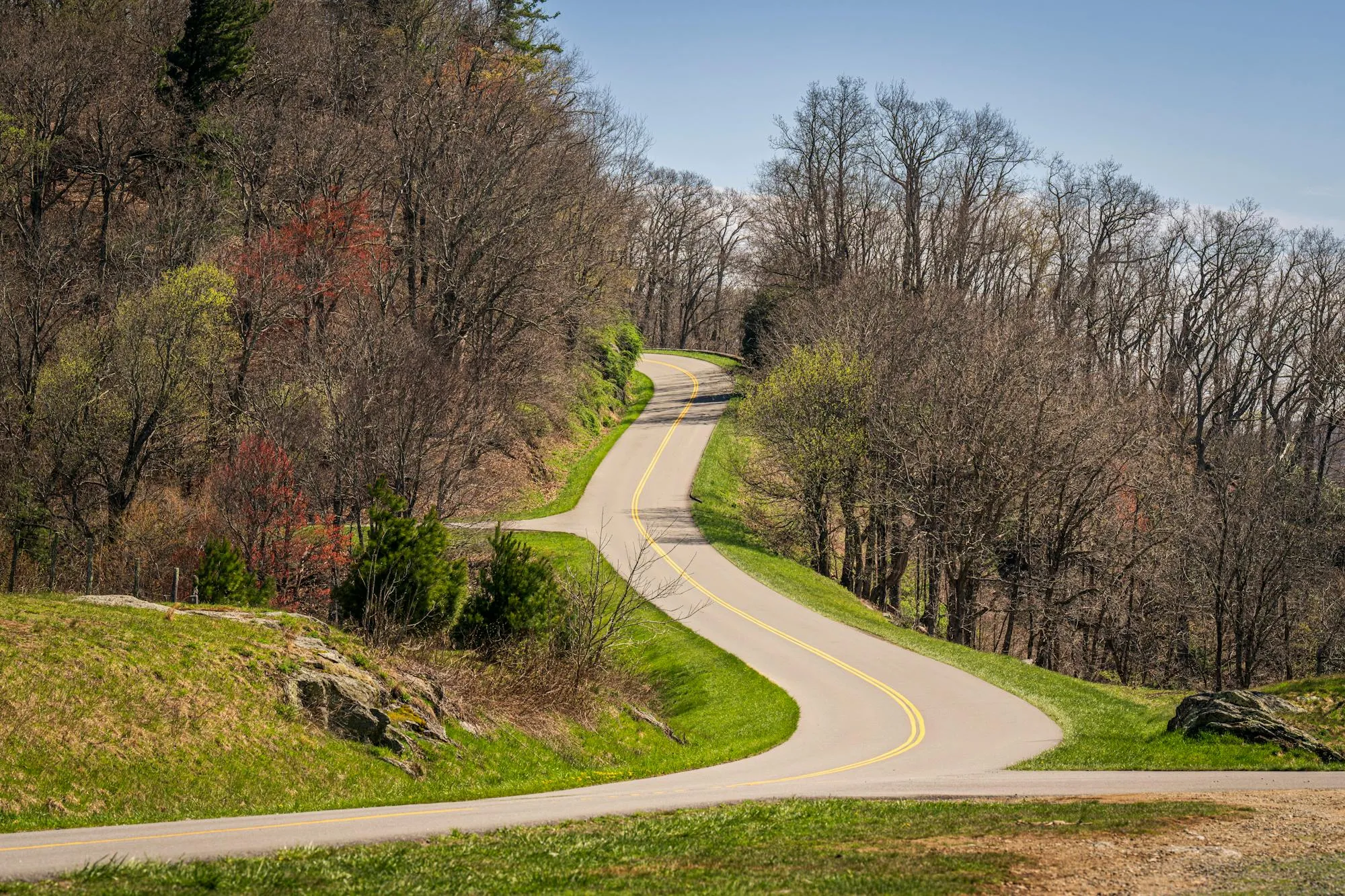
A winding asphalt road descending through the Appalachian Mountains, likely the famous Tail of the Dragon section in Tennessee and North Carolina. Multiple technical right-hand and left-hand curves are visible in this aerial perspective, surrounded by deciduous forest in spring foliage. Clear sunny conditions, well-maintained asphalt with yellow center lines marking the curves.
Mark Stebnicki / Pexels

The Truth on the Street

This section isn't my test ride. It's what I've picked up over years of listening to riders: paddock conversations, owner chats, club nights, and the emails and messages that land in my inbox. For the MT-10 the pattern is consistent: riders rave about the engine and the composure of the chassis, and their complaints gather around distance comfort, fuel range and front brake feel.

The engine everyone brings up first

The most repeated point is the engine. Riders describe the crossplane inline-four as feeling closer to a V-twin than a conventional four: torque pulses you can feel, strong drive from low revs and a mid-range that makes the bike unusually tractable for a liter-class hyper naked. Just as often they mention the other end of the rev range, where it pulls hard up top. Owners regularly call this delivery the defining sensation of the bike. The deep, irregular intake note gets nearly as much praise, and riders describe it as aggressive and distinctive. It's the first thing they bring up.

Composure, a clearer dash, and the price

The semi-active Öhlins is the second big theme. Riders report that it firms up automatically under hard braking and acceleration, and they credit it with a composure on rough roads and at the circuit that the standard bike can't match. The 4.2-inch color TFT comes up a lot as well: owners find it easy to read in direct sunlight and like the clearer menu structure compared with the old LCD. On ergonomics, riders point to the wide bars and the roomy seat-to-peg relationship as more road-usable than racier rivals. Money splits the room. The MT-10 is seen as competitively priced against the other liter nakeds, with comparable electronics on paper. The SP's substantial premium over the standard bike is frequently debated, though: mechanically it's the same machine plus the suspension package and the livery. Opinions differ!

Where the long days get harder

The comfort praise has a limit. Wind is flagged as the main touring limitation: the small flyscreen gives only token protection, and long highway stints are described as physically demanding. Fuel comes up too. Owners report mixed-riding economy of around 34 mpg (7.0 L/100 km), good for about 125 to 145 miles (200 to 230 km) from the 4.5-gallon (17-liter) tank, and less than that when the bike is ridden hard. The front brake draws regular criticism: riders call it adequate but short on initial bite and feedback next to the best-equipped rivals. Some owners also mention that the TFT has no built-in turn-by-turn navigation. The list is short but consistent.

Known issues

  • Fuel tank paint cracking and lifting near seams

    bodywork rare

    A small number of owners report paint cracking or lifting on the plastic tank cover near the welded seams; Yamaha has addressed individual cases under warranty.

  • Throttle response abruptness in Mode A / Sport (early MY2022 units)

    engine occasional

    Several owners and reviewers reported snatchy on-off throttle transitions in the most aggressive ride mode on early 2022 production units; Yamaha addressed throttle mapping in later production and via dealer ECU updates.

The Expert Benchmark

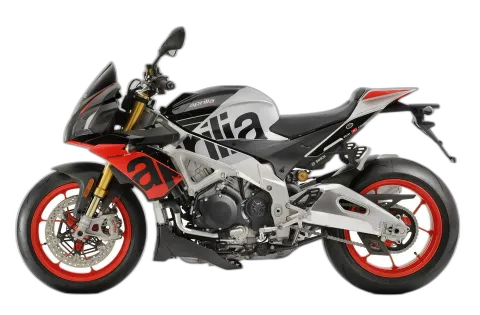
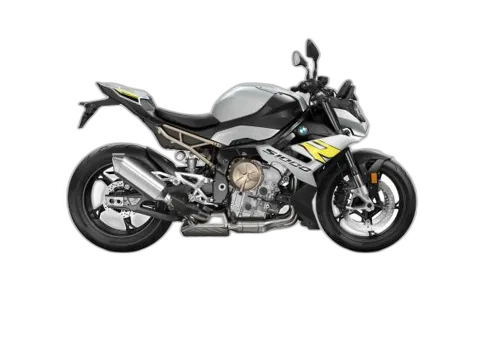
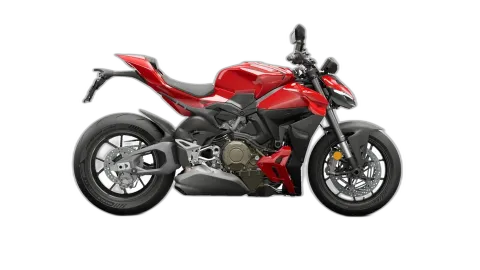
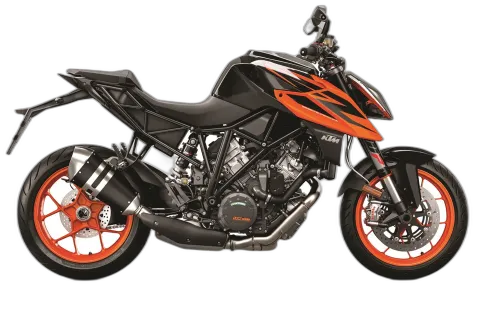
Where this Yamaha MT-10 pulls ahead of — or falls behind — its rivals on the numbers, and the typical bike in its class on character.

What kind of bike this is — character vs. the class

This bike Class average

The shape of the Yamaha MT-10 — numbers and character vs. the average Hyper Naked

Head-to-head: Yamaha MT-10 vs. its rivals

The Handshake Score

Forget spec-sheet bragging. Here's who the MT-10 is actually built for.

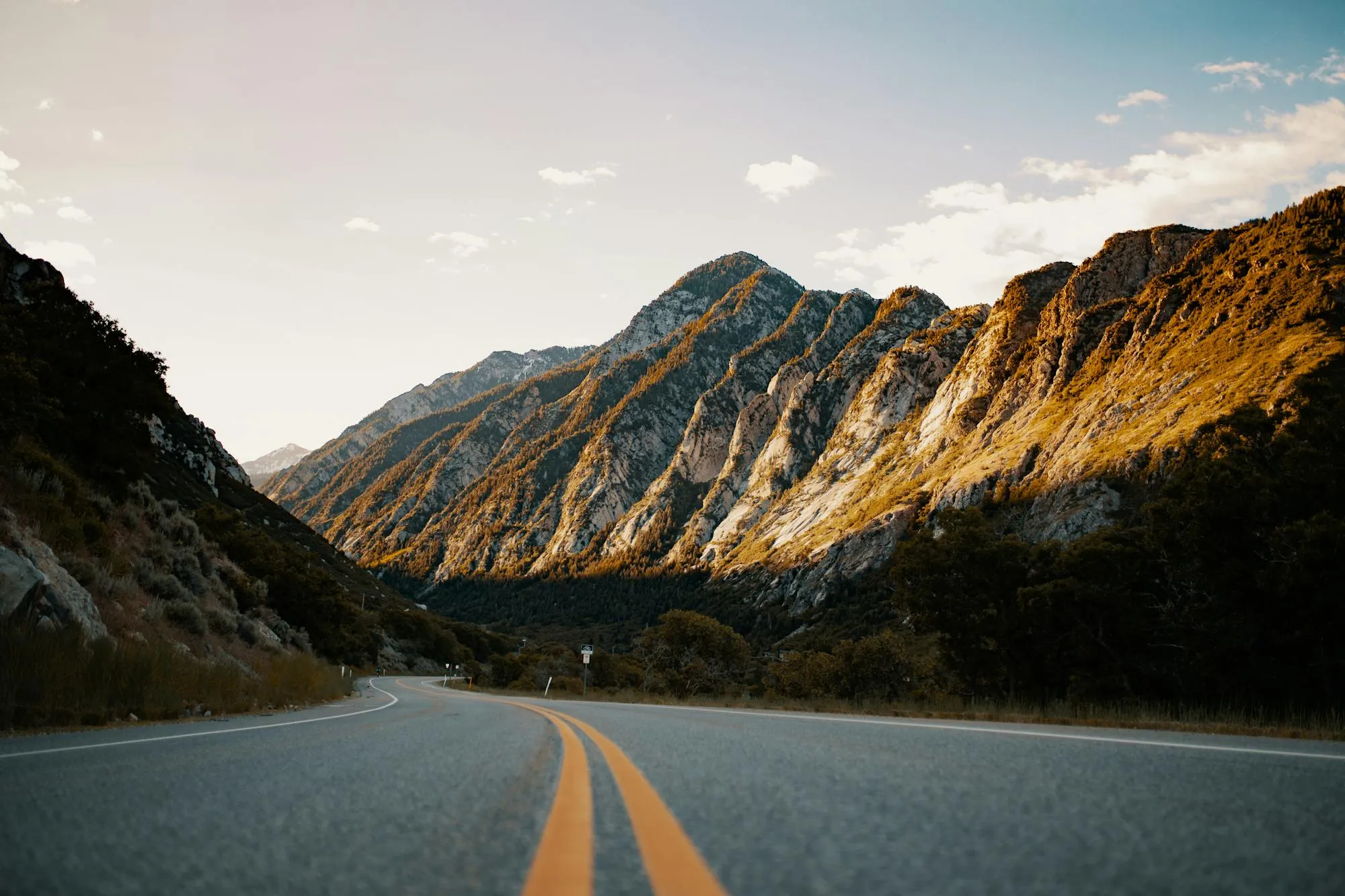
A scenic view of Angeles Crest Highway winding through rugged Southern California canyon terrain. Rocky mountainsides with golden earth tones frame the asphalt road with tight sweeping curves. Double yellow center line visible, sparse vegetation along the shoulders, clear blue sky with white clouds. Daylight, dry conditions. Iconic location for canyon-road enthusiasts.
Josh Sorenson / Pexels

Best motorcycle for Laguna Seca?

It'll run a serious pace on a closed course and the Öhlins retunes in a few taps. But you sit tall, the seat's soft and front-end feel suffers. If that's all you ride, think twice.

Made for WeatherTech Raceway Laguna Seca · Barber Motorsports Park · Circuit of the Americas
Best motorcycle for Angeles Crest?

This is your bike. Low-end pull out of every corner, a chassis that holds its line and that crossplane growl. Just know it cooks your right leg in city traffic on the way out.

Made for Angeles Crest Highway · Coronado Trail / US 191 · Highway 1 / Big Sur

Best motorcycle for Tail of the Dragon?

Tight, linked corners are where it's best: clean throttle, calm engine braking, a precise chassis. The highway ride to get there is the price, because nothing keeps the wind off you.

Made for Tail of the Dragon · Back of the Dragon · Blue Ridge Parkway

What's new versus the previous generation

If you're cross-shopping the older generation, here's what changed.

Yamaha MT-10 (RN45-SP)

Previous generation · 2017

Yamaha MT-10 (RN45-SP)

Civil Low End, Savage Top

Compare to the previous model →