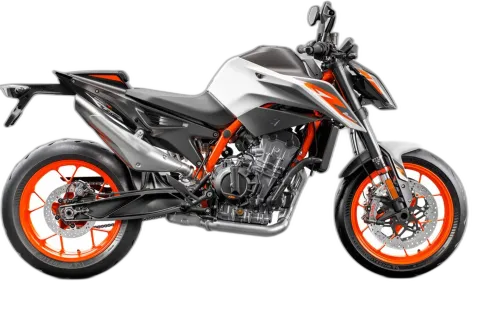
·

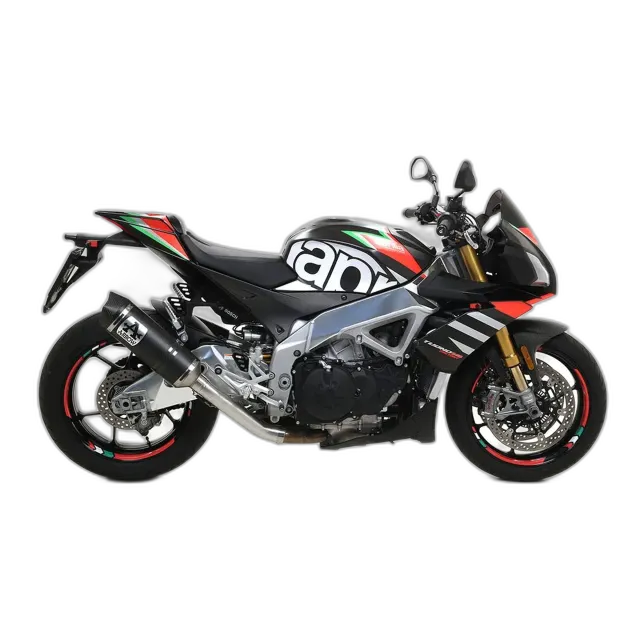
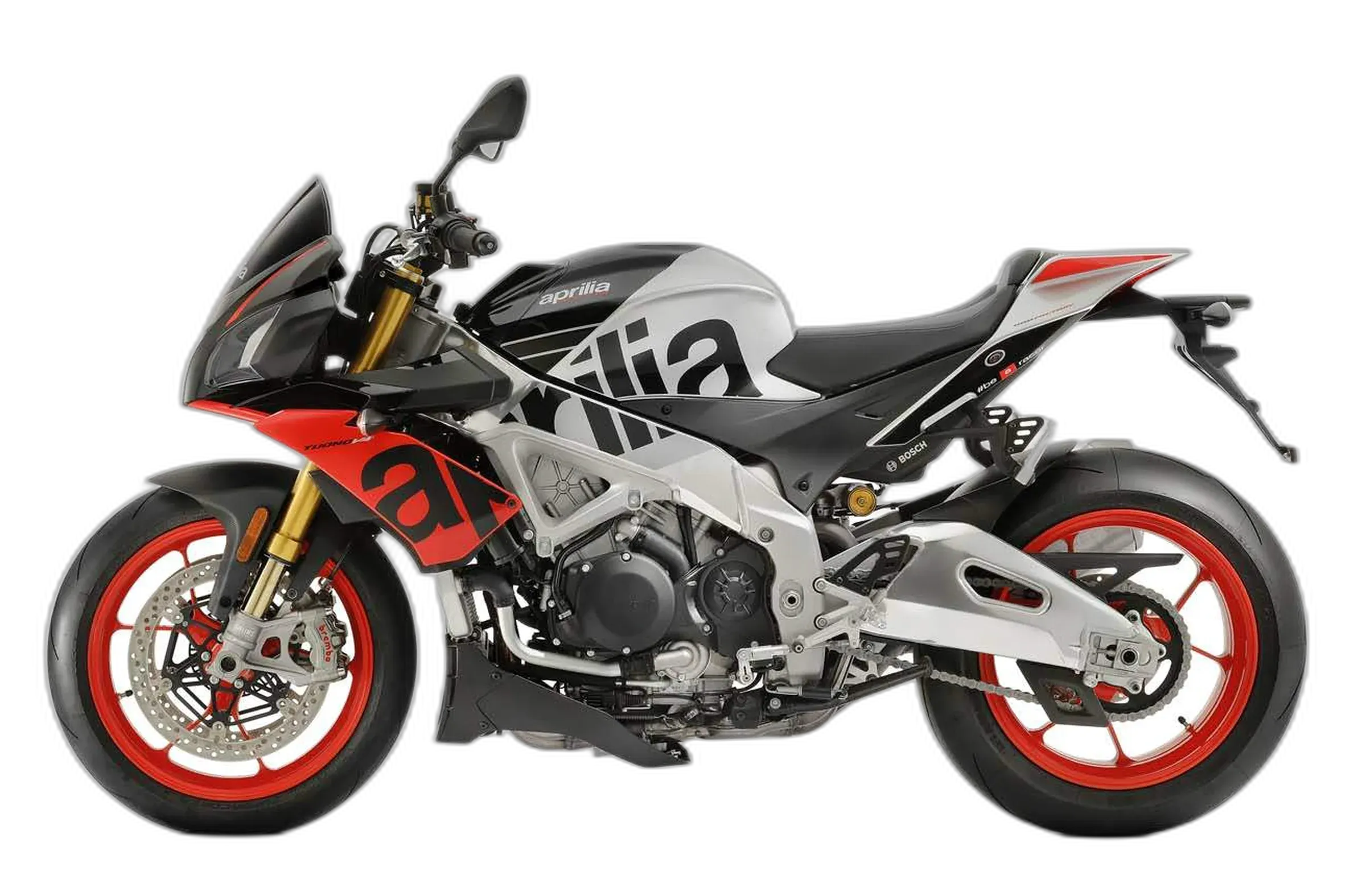
Aprilia Tuono V4 1100 (ZD4KZ-Factory) — Hyper Naked
NastyNils / Aprilia press archive

2021–2024 · Hyper Naked · A variant of the Tuono V4 1100

Tuono V4 1100 Factory (ZD4KZ-Factory)

Differences between the standard Tuono V4 1100 and the Factory

The V4 Apex Predator

The Machine's Character

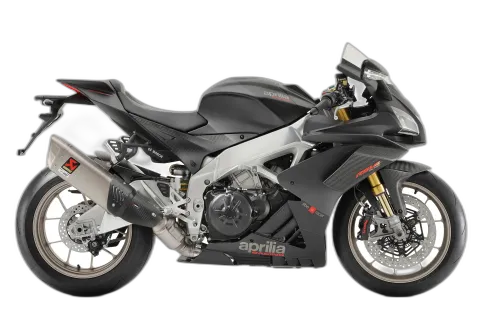
The Tuono V4 1100 Factory is what you get when Aprilia takes its RSV4 superbike, sits you upright, and leaves the rest mostly intact. The 1077 cc V4 makes 175 hp and 89 lb-ft, with a deep twin-pulse voice that defines the whole machine. What sets the Factory apart is the hardware it builds on: semi-active Öhlins Smart EC 2.0, Brembo Stylema calipers, an Öhlins steering damper. In a class that rewards raw violence, this one pairs the punch with electronics that let an average rider actually use it. It sits at the sharp end of the hyper naked segment.

On the road it rewards commitment. This is a bike built for riders who want power, precision, and a real sense of occasion, not comfort or convenience. The hardware holds up to hard use, but two honest caveats apply before you buy. City traffic pushes coolant temperatures up toward 239°F (115°C), where the engine drops into shutdown mode, so stop-and-go is not its element. And for all the naked-bike billing, there's more bodywork here than purists expect. Buy it for the canyon and the track, not the commute.

Hard Numbers

Spec sheets don't ride bikes, but they set the baseline.

Show full specs & equipment Hide specs & equipment
Key specifications
Power 175 hp (129 kW) @ 11,350 rpm
Torque 89 lb-ft (121 Nm) @ 9,000 rpm
Displacement 1077 cc
Engine V4
Bore × stroke 81 × 52.3 mm
Compression 13:1
Cooling Liquid-cooled
Gearbox 6-speed
Final drive Chain
Frame Aluminum twin-spar
Fork Upside-down (USD)
Front brake 330 mm
Rear brake 220 mm
Front tire 120/70 ZR17
Rear tire 200/55 ZR17
Wheelbase 57.5 in (1460 mm)
Seat height 32.5 in (825 mm)
Wet weight 461 lb (209 kg)
Fuel capacity 4.9 gal (18.5 L)
Top speed 168 mph (270 km/h)
Fuel economy 28 mpg (US)

Equipment check

Chassis

  • Electronic Suspension Standard
  • Front Suspension Adjustable Standard
  • Rear Suspension Adjustable Standard
  • Steering Damper Standard
  • Cruise Control Standard

Connectivity

  • TFT Display Standard
  • Smartphone Connectivity Aprilia MIA Integrated navigationHandsfree phone integration Optional

Drivetrain

  • Quickshifter Aprilia Quick Shift (AQS) Bidirectional Full throttle upshiftClutchless riding Standard
  • Slipper Clutch Standard

Lighting

  • LED Headlight Standard

Safety

  • ABS Standard
  • Cornering ABS Standard
  • Traction Control Standard
  • Ride Modes Aprilia APRC Ride-by-Wire (three switchable maps) Selectable ride modesRefined throttle response Standard
  • Wheelie Control Standard
  • Launch Control Standard

The Voice of Experience

Portrait of NastyNils

The test ride

Throw a leg over and the first thing you notice is the redesigned tank. It's noticeably slimmer than the old one, and that extra room around your knees changes how you ride. You can hang off properly, shift your weight through transitions, and nothing about moving around the saddle feels forced anymore. Get up to speed and the wind protection surprises you for a machine wearing the naked badge. The small screen and the mature aero work keep you stable through sustained high-speed riding, so it stays composed instead of beating you up. Then there's the noise. The V4 wail is genuinely charismatic and it's everywhere, filling the cockpit at every rev. Loyal fans will call it the best part of the bike. After a full day in the saddle, your ears will have a different opinion.

What the Tuono V4 1100 Factory Adds — Differences vs the Standard Tuono V4 1100

The Tuono V4 1100 Factory (ZD4KZ-Factory) builds on the standard Tuono V4 1100: the upgraded hardware, the key spec changes and where its character shifts. The full ride, specs, scoring and verdict are all right here on this page.

Equipment the Factory adds vs the standard Tuono V4 1100

Added
Electronic Suspension
Now standard
Cruise Control

Premium hardware the Factory brings

  • Chassis & suspension First-class handling (Factory suspension) The Öhlins Smart EC 2.0 offers outstanding feedback and adaptability. Precise turn-in, confidence in all lean angles. Riders describe the front end as "one of the best of any production motorcycle."

How the Factory shifts the character

Where the Factory does more
  • More suspension adjustment to dial in
Where it does less
  • Less accommodating for a passenger two-up
  • More demanding and less forgiving to ride

Rated point by point — where it earns its keep

My own 0–100 score for this bike against the class, area by area — the marker on each bar is the class average.

Set the engine-braking system to its most aggressive, lean-aware setting and the bike starts doing your steering for you on the way in. Instead of dragging at the back as you trail off the throttle, the rear stays settled and quietly pulls you onto the inside line, with the front happy to follow the plan you've set. Lean harder through quick, flowing sequences and that composure holds. The chassis commits to a line and stays there, no floating, no second-guessing as the direction changes pile up fast. I carried genuine pace through the rapid stuff at Misano and the front never went vague when I needed it most. For a machine sold under the naked banner, the aero is clearly sorted enough to let the chassis work at speed without ever feeling skittish underneath me.

What stands out about this bike's real-world capability is how quickly an ordinary rider gets fast on it, with not a single extra horsepower in play. The sharper electronics simply unlock performance the machine always had, so rather than fighting to reach it you just spend it. Put a stopwatch on a normal rider and the times start falling almost straight away. That's the mark of a bike that meets you at your level instead of demanding you ride like a racer first.

The V4's defining trick is at the wrist. Crack it open from shut and it's right there with no slack, yet drop it into Race mode and you can still feed torque in by pressure alone rather than stabbing and hoping for the best. Most sharp engine maps hand you response without feedback; this one keeps both, which is rare in the class. What surprised me more is how much the latest ECU pulls out of hardware that hasn't physically changed. The brakes bite harder, the drive off a corner feels stronger, and none of it comes from new calipers or a reworked motor. It's purely how cleanly the electronics now regulate what was already fitted, and the practical result is a smaller gap between what you intend and what the bike actually delivers.

Comfort is an odd lens for a bike this pointed, but the slimmer tank genuinely changes what your body can do up here. Where the old one boxed your legs in, this generation opens up space at the knees, so sliding your weight across for a transition no longer feels jammed against the bodywork. The bigger surprise is how settled you stay at a sustained high pace. The little screen and the work behind it keep you stable where most nakeds leave you battling the airflow, so long fast stretches don't grind you down. My one real gripe is the noise. The V4 has a charismatic bark and the faithful will call it the whole point, but across a full day it crosses from characterful into tiring, and I kept earplugs in just to keep enjoying everything else.

Practicality here is really a question of honesty about what you're buying, and the friction is all in the plastic. For a bike flying the naked flag, a surprising amount of the machine sits hidden behind cladding. If part of the appeal is glancing down at exposed mechanical hardware, this one won't scratch that itch. There's more bodywork than the name promises, and dedicated purists will read it as a quiet contradiction the badge never admits to.

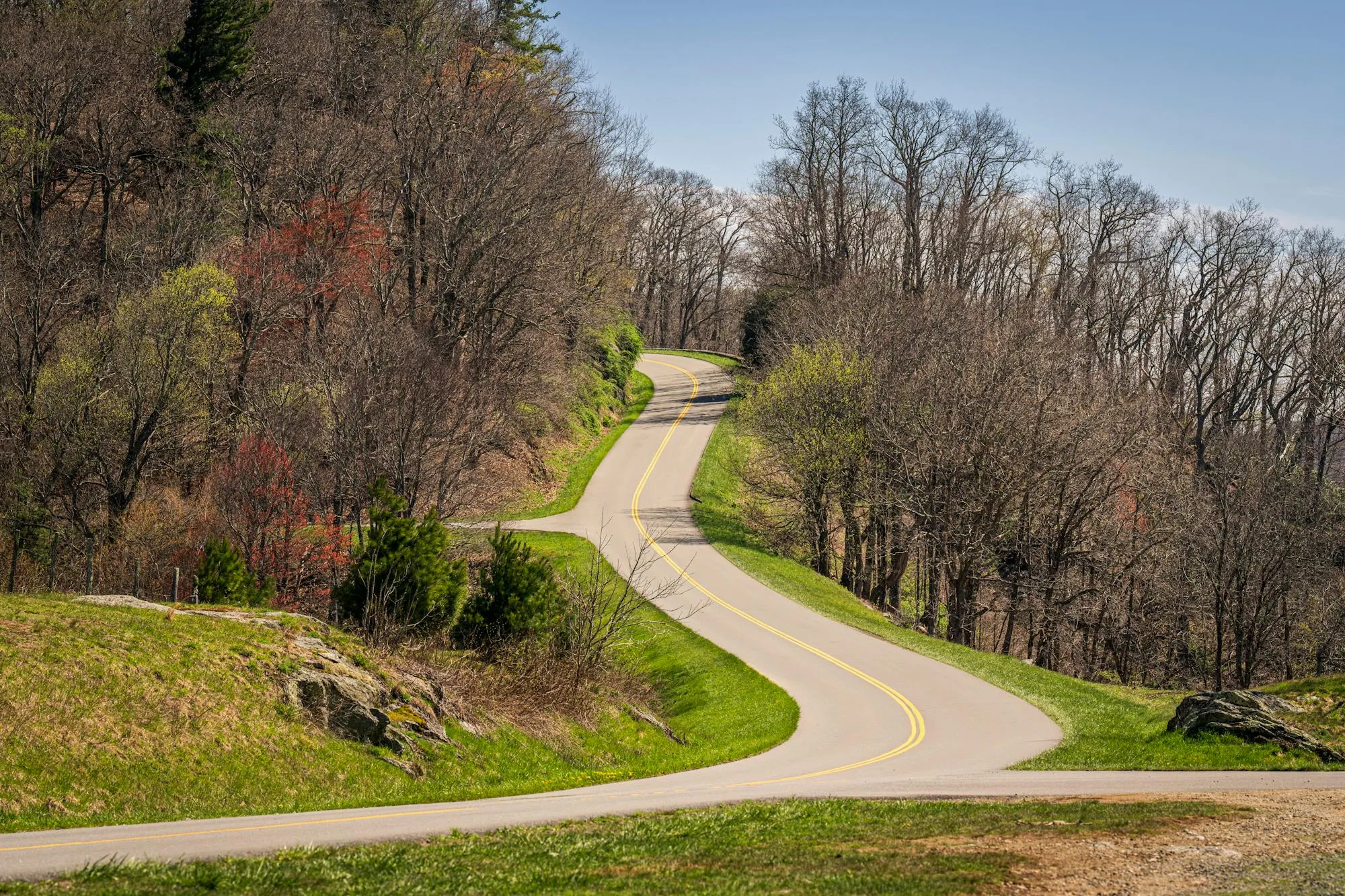
A winding asphalt road descending through the Appalachian Mountains, likely the famous Tail of the Dragon section in Tennessee and North Carolina. Multiple technical right-hand and left-hand curves are visible in this aerial perspective, surrounded by deciduous forest in spring foliage. Clear sunny conditions, well-maintained asphalt with yellow center lines marking the curves. No motorcycle or rider visible in the frame.
Mark Stebnicki / Pexels

The Truth on the Street

For years I've kept track of what owners actually say about the Tuono V4 1100: the comments under my videos, the forum threads that run for pages, the conversations that start in the paddock, and the emails and messages riders send me directly. Pull it all together and the picture leans hard in one direction. Praise for how it performs runs close to universal, while the criticism lands on a short, repeating list of practical compromises.

What keeps them on the bike

More than anything, riders talk about the V4. The 1,077 cc motor draws steady praise for the torque it carries through the mid-range, a delivery they call linear and easy to read, and a voice none of them seem to tire of. Plenty of owners go further and rate it the most enjoyable bike they've owned, crediting the sound, the instant throttle response, and the racing bloodline for an experience few rivals match. The Italian styling and premium hardware reinforce that feeling, the sense of owning something most riders never will. It reads as tractable around town and ferocious once the road opens up.

The chassis and the aids

Close behind the motor sits the way it handles. Owners single out the semi-active Öhlins setup for the feedback it returns and how readily it adapts, and several rate the front end among the best they've felt on a production bike. They describe precise turn-in and real confidence holding a line at full lean. The standard rider aids earn their own approval: cornering ABS, traction and wheelie control, launch control, the up-and-down quickshifter, and six riding modes that owners say work so cleanly most never feel them step in. The Brembo brakes collect repeated credit for stopping power and feel. And for a machine with superbike roots, riders are surprised how much ground it covers, with more room than the RSV4 and modes that stretch from wet roads to the track.

The compromises they live with

The gripes cluster just as consistently. Heat leads by a wide margin: in stop-and-go traffic owners feel intense warmth building around them, and some admit to shutting the engine off at long lights. Running costs come next, with the major service and its valve-clearance check flagged as expensive and annual servicing required to keep the warranty valid. Build quality draws steady fire too: soft, easily scratched paint, fasteners that corrode, and panel gaps owners rate below the class. Range gets regular mention, with hard riding dropping it to roughly 75 to 100 miles (120 to 160 km) before the reserve light. Add a firm setup and a committed riding position, and most file it as a backroad and track bike rather than a tourer. A few close on the pillion seat, narrow with pegs set too high to be comfortable.

Known issues

  • High coolant temperatures and overheating tendency at low speeds

    coolingcommon

    The Euro 5 Tuono reaches coolant temperatures up to 115°C in city traffic and at traffic lights. At 115°C the engine enters shutdown mode. Owners report needing to switch off the engine during long traffic light stops. The factory-filled, undiluted coolant exacerbates the problem. Aprilia initiated an informal thermostat check at some dealers (Poland, Australia) for 2022 models (no official recall). Aftermarket solutions (MonzaTech Cooling Kit, SmartMoto CoolAIR Fan Switch) exist.

  • Dog wear in 3rd and 4th gear with intensive quickshifter use

    drivetrainoccasional

    With frequent quickshifter use under full throttle and high rpm, the dogs in 3rd and 4th gear wear faster than normal. False neutrals then occur between 3rd/4th and 4th/5th gear. Aprilia has hardened replacement parts available for 3rd and 4th gear. The problem has been documented since the V4 platform and is also confirmed for Euro 5.

  • Valve guide failure requiring cylinder head replacement

    enginerare

    At approx. 9,600 km (6,000 miles), an exhaust valve guide in the rear cylinder became detached. Symptoms: power loss (feels like electronics limp mode). Leak-down test showed less than 100 PSI instead of over 240 PSI. The entire cylinder head had to be replaced. Repair duration: almost 4 months at the dealer.

  • Noticeable power deficit and uneven throttle response in the lower rpm range

    fuel systemvery common

    The Euro 5 mapping causes a measurable power gap below 5,500 rpm. Throttle response at 4,000-5,500 rpm feels uneven/pulsating. When transitioning from 5-15% throttle to closed throttle, the engine can react jerkily. An Aprilia Race Map or Rapid Bike tuning kit largely resolves the problem.

  • Design flaw in airbox allows debris ingress

    enginecommon

    The air filter box has a design flaw where dirt and stones can enter the airbox from underneath the frame. This is a cross-generational problem of the Tuono V4 that also affects the Euro 5 generation. Can potentially damage the air filter and in the worst case the engine long-term.

  • Oil seepage at oil pan, drain plug, and spark plug bores

    engineoccasional

    Minor oil seepage (no dripping, but visible) at the oil pan gasket, drain plug, and spark plug sealing surfaces. No significant oil loss, but visually annoying. Using incorrect oil filters or sealing washers can significantly worsen the leak.

  • Engine Management Light (EML) during break-in period

    electricsoccasional

    The engine management warning light appears on some units during the break-in period. Described as a software error that falsely reports a misfire. Resolved at the first service (approx. 1,000 km) via software update.

  • Defective side stand switch prevents engine start

    electricsrare

    The side stand switch corrodes (exposed mounting position) and falsely reports "stand down", which prevents the engine from starting or stalls the engine when a gear is engaged. Side stand, neutral, and clutch switches are interlinked.

  • Soft paintwork, scratch-prone surfaces, corroding fasteners

    bodyworkcommon

    The paintwork is described as extremely scratch-prone — without adequate clear coat. Graphics/decals in some areas have no clear coat and are quickly damaged by stone chips. Fasteners and washers (particularly mudguard mountings) are not stainless and show early corrosion. Body panels do not fit precisely and have visible panel gaps.

  • Overheating in slow traffic

    coolingoccasional

    In ambient temperatures above 27°C, the engine can overheat during prolonged idling or stop-start traffic, sometimes triggering warning lights. Some owners report the need to shut off the engine at red lights to manage heat.

  • Dashboard overheating and hot-start issue

    electricsoccasional

    The digital dash may overheat and temporarily fail to start the motorcycle, particularly after being parked in direct sun or during track use. This has been reported by some owners as an intermittent problem.

  • Quick shifter malfunctions

    drivetrainrare

    Some riders have experienced erratic quickshifter behavior, often traced to a faulty switch assembly, typically replaced under warranty.

  • Minor oil weeps from engine covers

    engineoccasional

    Oil can seep from the clutch or alternator covers due to inconsistent sealant application or gasket alignment; usually addressed under warranty.

  • Spark plug well O-ring leaks (2021 models)

    enginerare

    Early 2021 production units had faulty O-ring gaskets in the spark plug wells, causing oil seepage. A redesigned part was implemented later in the production run.

The Expert Benchmark

Where this Aprilia Tuono V4 1100 pulls ahead of — or falls behind — its rivals on the numbers, and the typical bike in its class on character.

What kind of bike this is — character vs. the class

This bike Class average

The shape of the Aprilia Tuono V4 1100 — numbers and character vs. the average Hyper Naked

Head-to-head: Aprilia Tuono V4 1100 vs. its rivals

The Handshake Score

Forget spec-sheet bragging. Here's who the Tuono V4 1100 is actually built for.

A scenic view of Angeles Crest Highway winding through rugged Southern California canyon terrain. Rocky mountainsides with golden earth tones frame the asphalt road with tight sweeping curves. Double yellow center line visible, sparse vegetation along the shoulders, clear blue sky with white clouds. Daylight, dry conditions. No motorcycle or rider visible. Iconic location for canyon-road enthusiasts.
Josh Sorenson / Pexels

Best motorcycle for Laguna Seca?

If your weekends are GP-track laps and apex precision, this is in your wheelhouse. The electronics let you exploit the chassis instead of fighting it, and you'll go quicker without chasing more horsepower.

Made for Barber Motorsports Park · WeatherTech Raceway Laguna Seca · Circuit of the Americas

Best motorcycle for Angeles Crest?

Built for canyon days around LA. It's precise, planted through fast sweepers, and rewards a high skill level. Just know the city slog to get there runs it hot, so save the real fun for the passes.

Made for Angeles Crest Highway · Coronado Trail / US 191 · Highway 1 / Big Sur

Best motorcycle for Tail of the Dragon?

Tight East-Coast twisties are exactly its game. The slim tank and sharp electronics reward technique over outright speed, though the V4 volume means earplugs for the whole day in the saddle.

Made for Back of the Dragon · Blue Ridge Parkway · Cherohala Skyway

Alternatives to the Aprilia Tuono V4 1100

If this one isn't quite the fit, these are the bikes worth riding back-to-back against it.

Any price note compares both bikes at the same age — the youngest age both have on the used market — against this Aprilia Tuono V4 1100. “cheaper/pricier” is what that bike costs second-hand, not how worn it is.