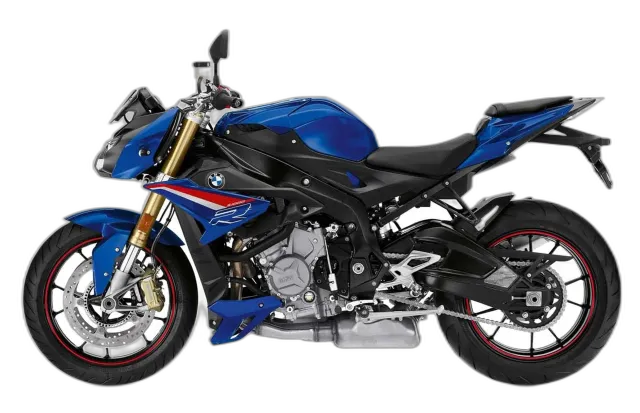
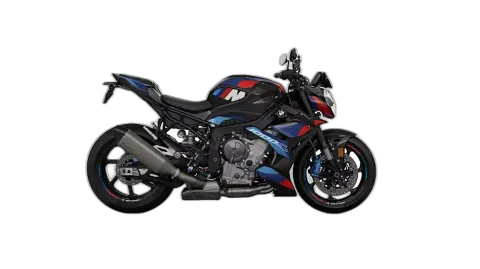
BMW S 1000 R (K63) — Hyper Naked
NastyNils / BMW press archive

2021–2025 · Hyper Naked · Buyer's Guide

S 1000 R (K63)

Racetrack Torque, Street Weight

The Machine's Character

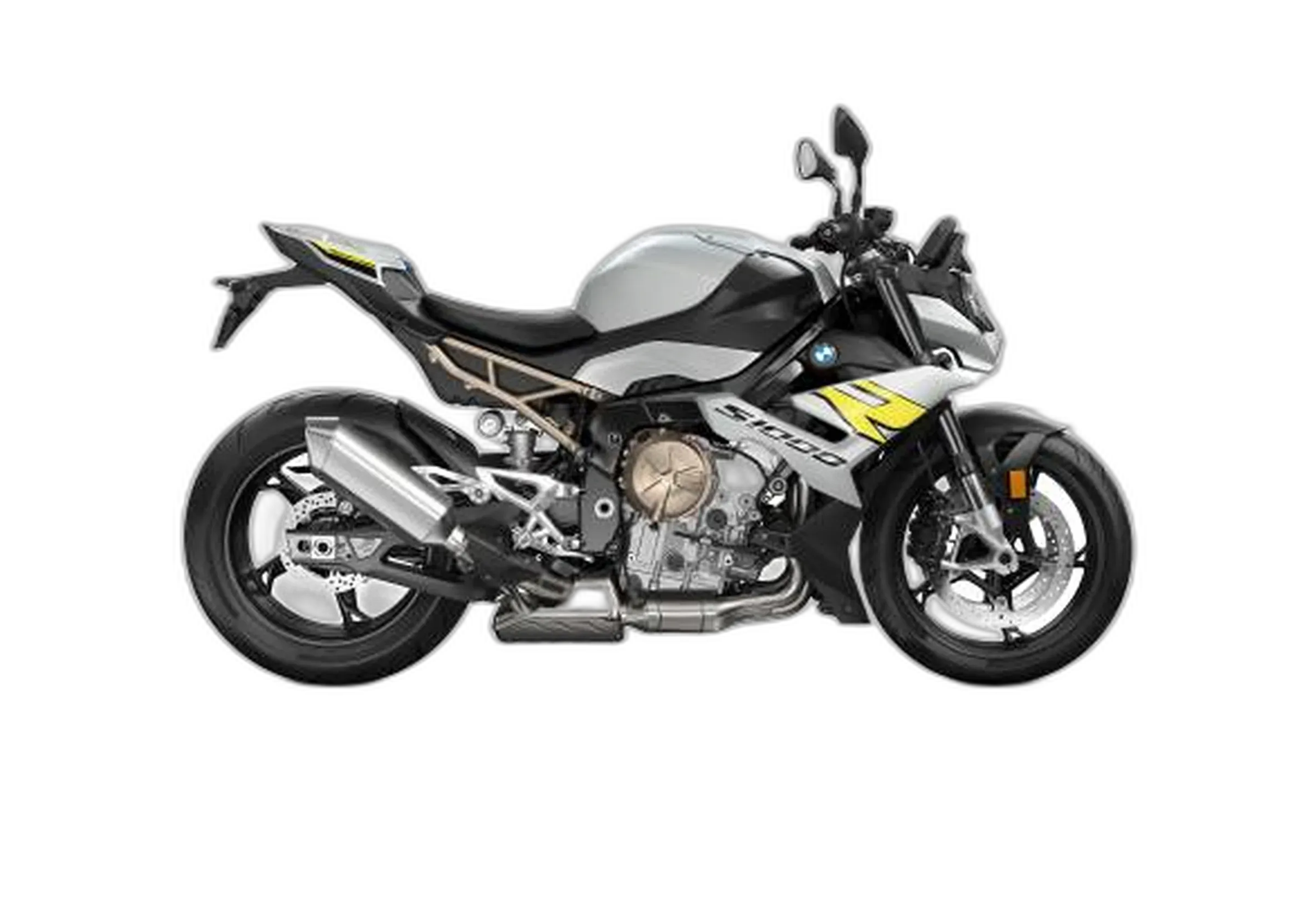
BMW took the S 1000 RR's inline-four, gave it a milder cam for more usable mid-range, and dropped it into an upright chassis. The result makes 170 hp from its 999 cc and weighs just 439 lb wet, which is genuinely light for this much power. You get the RR's hardware in a package you can actually live with day to day: Ride Modes Pro, an available Dynamic Damping Control setup, a quickshifter both ways. In a class built on brute force, this BMW plays a different hand. It structures the speed instead of dramatizing it, and that composure is the whole point.

Ride it and the engine simply refuses to wear out; people piling on serious mileage report the motor gives up nothing. The flip side of that performance shows up elsewhere. Work it the way it invites you to and the clutch and rear tire wear quickly, and the electronic damping can soften over high miles. This is a bike for skilled riders chasing precision on canyon roads and track days, not for anyone shopping raw theatrics. One real warning: the stripped base models are a fundamentally lesser machine that also holds value poorly, so the equipment you buy matters as much as the badge.

Hard Numbers

Spec sheets don't ride bikes, but they set the baseline.

Show full specs & equipment Hide specs & equipment
Key specifications
Power 170 hp (125 kW) @ 11,000 rpm
Torque 84 lb-ft (114 Nm) @ 9,250 rpm
Displacement 999 cc
Engine Inline-four
Bore × stroke 80 × 49.7 mm
Compression 12.5:1
Cooling Liquid-cooled
Gearbox 6-speed
Final drive Chain
Frame Composite
Fork Upside-down (USD)
Front brake 320 mm
Rear brake 220 mm
Front tire 120/70 ZR17
Rear tire 190/55 ZR17
Wheelbase 57.1 in (1450 mm)
Seat height 32.7 in (830 mm)
Wet weight 439 lb (199 kg)
Fuel capacity 4.6 gal (17.5 L)
Top speed 155 mph (250 km/h)
Fuel economy 35 mpg (US)

Equipment check

Chassis

  • Electronic Suspension BMW Dynamic Damping Control (DDC) Realtime road adaptationBrake dive control Optional
  • Front Suspension Adjustable Standard
  • Rear Suspension Adjustable Standard
  • Steering Damper Standard
  • Cruise Control Standard

Comfort

  • Heated Grips Standard

Connectivity

  • TFT Display Standard
  • Smartphone Connectivity Optional
  • Keyless System Standard

Drivetrain

  • Quickshifter Standard
  • Slipper Clutch Standard

Lighting

  • LED Headlight Standard

Safety

  • ABS Standard
  • Cornering ABS Standard
  • Traction Control Standard
  • Ride Modes BMW Ride Modes Pro Selectable ride modesLean sensitive traction Standard
  • Wheelie Control Standard
  • Launch Control Optional

The Voice of Experience

Portrait of NastyNils

The test ride

Throw a leg over and the riding position surprises you first: upright, roomy, a wide bar that hands you real leverage, the seat sitting at 32.7 in. Fire it up and the exhaust note is hard-edged and mechanical, no piped-in theater, just an honest inline-four telling you what it's doing. That wide bar means direction changes cost almost nothing, and the bike feels lighter than its weight suggests, following your hands without argument. Push the pace on open road and it stays planted well into triple digits, no wandering, no nervousness. Crest a rise at speed and the front goes light as the wheel climbs, which comes with the territory. The one thing your body logs on a longer ride: above roughly 5,500 rpm the buzz reaches the bars and mirrors, and your hands will know it.

Rated point by point — where it earns its keep

My own 0–100 score for this bike against the class, area by area — the marker on each bar is the class average.

This is where the electronics quietly do their job. I can wind it fully out of a tight corner running on maybe a tenth of the confidence the situation deserves, and the traction control simply covers the gap, no abrupt cut, no sense of being second-guessed for asking. The interventions stay transparent the whole way through; they assist without ever overruling, so I'm still the one riding and the system is just filling in behind me. What that buys at the limit is speed I'd never reach on nerve alone, because my attention goes to the next input instead of bracing for a surprise. The one honest caveat is physics, not a flaw: push hard enough and a crest will unload the front and send the wheel climbing. That comes with the territory at this pace.

Drop it into a corner off hard braking and the chassis simply refuses to argue with me. The front contact patch reads the road continuously and feeds all of it back through the bars, so I trail in deep on information rather than hope, loading the front right to the apex without a hint of wander. What gets me every time is how little a direction change costs. The wide handlebar hands me leverage most bikes carrying this weight don't, so flicking through a chicane is a single clean input with nothing secondary to tidy up afterward. On a tight technical road the BMW has no business feeling this agile for what it weighs, and that bar is where the agility comes from. Crack the gas mid-corner and force it through a tightening radius, and the fork and shock stay in agreement, the line never breaking. The part I keep returning to is the way the electronic damping answers intensity instead of a pre-ride menu: easy and forgiving while I'm warming up, then locked down beneath me once I commit. I had that proven on a launch run over a mountain glazed with ice and slush, where the rear hunted for grip every few seconds and the traction control caught each slide cleanly the whole way up, never once turning theatrical about it. Open the road right up and it stays settled and quiet at serious speed, with none of the nervous geometry that usually shows when the pace climbs.

The front stays settled deep into the stop and keeps talking through the lever right to the threshold, so I end up hauling it down later than instinct first allows, trusting the bike more with every meter on the way in. The ABS stays in the background and out of the conversation. The Brembo gear takes that abuse repeatedly without complaint, wearing its pads at a rate I can plan around rather than ever becoming the problem itself.

Roll out of a hairpin with almost nothing on the tach and the inline-four is already driving, no waiting for a powerband to wake up. Deep in the range it leans on the throttle the way a freight train leans into a grade, so the shove is present before I've wrung anything out of it. That low-down muscle isn't an accident: BMW reground the cam to push more torque through the middle than the superbike motor this engine grew out of, and on the road that's almost always the part I'm actually using, because the drive arrives while I'm still in a gear that makes sense. The breadth stacked on top of it earns my respect just as much. I can let it loaf through town in too tall a gear without a word of complaint, then open it right up on a back road and chase the top, and neither feels like a compromise the motor forced on me. My riding style writes the character here far more than the engine's own temperament does. The sound underneath all of it stays mechanical and unfiltered, hard-edged in a way that reminds you real combustion is doing the work and no acoustic designer staged it. And when I move through the box the shifter never lags the pace I'm setting, snapping each gear home instant and precise with no gap punched in the drive.

The motor is the anchor here, and it's a strong one: riders piling on genuinely huge mileage report it surrenders nothing, and the four-cylinder has earned a reputation as a long-game engine. The hardware around it asks for more attention. Run it the way it begs to be run and the clutch will want replacing long before the engine does, while the rear rubber disappears at a rate the output makes inevitable. The electronic damping that feels so good when fresh can lose its edge over heavy miles, going soft rather than failing outright, so I'd check it carefully on any used high-miler. Two smaller items round it out. A batch of first-year bikes suffered ABS unit failures that BMW quietly fixed under warranty, which is worth confirming on a very early build, and the turn-signal relays fail often enough that a spare in the garage saves you the recurring annoyance.

What I appreciate most off a long stint is that none of this capability costs me my back. The chassis and electronics come straight from the supersport, but the posture doesn't: I'm sitting upright with real room, not folded onto clip-ons just to reach what the bike offers. The hardware is fully committed; the riding position lets a normal body actually live with it.

The thing I'd weigh hardest here isn't a line you'd notice at a glance on the spec sheet: the stripped base versions are a fundamentally different machine, and long-term owners are blunt that the difference doesn't fall in your favor. The equipment gap is real, not cosmetic, and the base bikes hold their value worse when you go to sell them on. Choose the spec with care, because the cheaper one isn't the same bike with fewer toys.

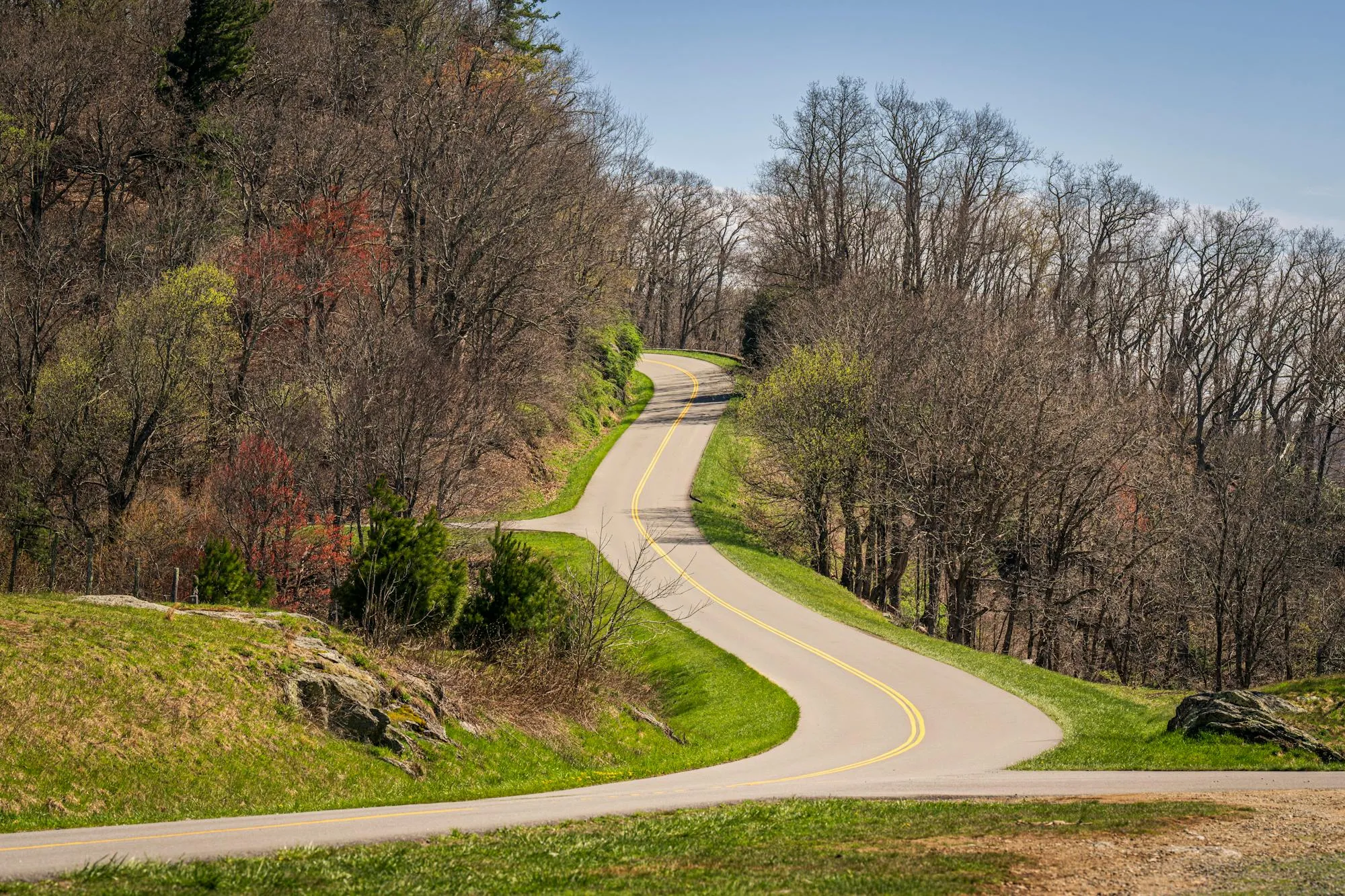
A winding asphalt road descending through the Appalachian Mountains, likely the famous Tail of the Dragon section in Tennessee and North Carolina. Multiple technical right-hand and left-hand curves are visible in this aerial perspective, surrounded by deciduous forest in spring foliage. Clear sunny conditions, well-maintained asphalt with yellow center lines marking the curves. No motorcycle or rider visible in the frame.
Mark Stebnicki / Pexels

The Truth on the Street

The picture in this section isn't from one test ride. It's what I've pieced together over years of following the forum threads, swapping notes with owners in the paddock, and answering the messages riders send me directly. Set it all side by side and the S 1000 R reads as a featherweight all-rounder with serious onboard tech, while the steadiest objections cluster around how it feels and how it stops.

Where the praise consistently lands

The praise riders return to first is how light it feels for the power on tap. They notice it most in town, in quick direction changes, and in the everyday ease of moving the bike around, and several point to sharper turn-in and more direct steering than the older model managed. The onboard tech draws steady credit too: ABS Pro, dynamic traction control, the six-axis IMU, and the TFT display all come as standard, and many feel nothing else at this money arrives with as much built in. The motor earns its own following for the torque it lays down low in the rev range, willing in everyday use without being wrung out. A good number also treat it as a true do-everything bike, easy through town, sure-footed on back roads, comfortable enough that longer rides don't punish them the way a superbike-based machine might.

The brakes, the buzz, the bill

The single loudest complaint is the brakes. Riders fault the calipers for an inconsistent bite point and weak progression, and it comes up more than any other flaw. Almost as often they mention vibration: from around 6,000 rpm it reaches the bars, pegs, and mirrors, and several note the mirrors go blurry at highway speed. Money is the next steady theme. The quickshifter, electronic suspension, cruise control, heated grips, and keyless ignition all cost extra, and riders point out that the typical buyer ends up well above the base price to get the bike they actually want. There's also a recurring sense that the inline-four, for all its technical polish, leaves them cold next to the twins, triples, and V4s in the class, with the stock exhaust note drawing the same shrug. The asymmetric headlight on the earlier bikes splits the room as well.

Known issues

  • Premature failure of individual coil-on-plug units (pencil-type)

    electricsoccasional

    One or more ignition coils fail; symptoms: misfires, cylinder dropout, rough running, check-engine warning. Typically one coil fails first, then others follow. Recommended community solution: replace all 4 ignition coils simultaneously. Special tool (BMW 12 3 621) and airbox removal required.

  • Coolant loss via the weep hole of the combined oil/water pump

    coolingoccasional

    The combined oil/water pump can develop a leak; coolant exits via the weep hole at the rear of the oil pan. Two seals: if the first fails, coolant leaks externally; if the second fails, coolant mixes with oil (critical). Some owners report recurrence after warranty repair.

  • Cascading error messages: ABS, TC, engine management, crash sensor simultaneously

    electricsrare

    Simultaneous illumination of multiple warnings: "ABS Pro Failure", "TC Failure", "Adaptive Headlight Failure", "Crash Sensor Failure", "Electrical system critical". Often traceable to loose or corroded battery terminals. CAN bus communication errors cascade across all systems.

  • Cush drive rubbers wearing prematurely

    drivetrainoccasional

    Some owners report forward/backward play at the rear sprocket after as few as 3,000 miles, attributed to cush drive rubber wear. Noted particularly on models with forged wheels.

  • Strong vibrations above 5,500–6,000 rpm

    chassisvery common

    The inline four-cylinder without a balance shaft generates noticeable vibrations at bar ends, mirrors, and footpegs. Mirrors become blurry at motorway speeds. Numbness in hands on longer rides. Considered a design characteristic (weight saving from the absence of a balance shaft), not a defect. Community remedies: heavy bar-end weights (HVMP), Rizoma Stealth mirrors, foam pellets in clip-ons.

  • Jerky throttle response below 3,000 rpm (ride-by-wire)

    fuel systemcommon

    Jerky, unharmonious response from the ride-by-wire system at low rpm and constant part-throttle operation. Particularly pronounced in Dynamic/Race mode. Cause: lean mapping for Euro 5 compliance. Community remedies: BoosterPlug/Red-Chip module, Rain/Road mode in city traffic, ECU remap.

  • Engine stalling when pulling the clutch, at traffic lights, or when shifting

    engineoccasional

    Rough idle and engine stalling, particularly on MY2021–2022. Cause: Euro 5 lean-mixture strategy in ECU mapping. BMW released a software update in January 2022 that resolved the problem for many owners.

  • Failure of the combination switch (start/stop/kill switch) due to heat/UV

    electricsoccasional

    The PCB-based combination switches (introduced from the BMW S 1000 platform in 2009) can develop hairline cracks in the circuit traces due to thermal expansion. Symptoms: motorcycle will not start, intermittent electrical failures. Occurs particularly after parking in direct sunlight. A cross-platform BMW issue since 2009.

  • "DDC!" error message and failure of electronic suspension control

    suspensionoccasional

    "DDC!" error message on the display, suspension settings no longer adjustable. Causes: battery terminal issues, CAN bus errors, connector issues at fork/shock. Affects only vehicles with the optional DDC suspension.

  • Quickshifter (Shift Assistant Pro) intermittently non-functional

    drivetrainoccasional

    Quickshifter stops working on upshifts from 2nd→3rd gear and above, while 1st→2nd works. Causes: pinched/damaged 4-wire cable, incorrect chain tension, software error. Community solution: quickshifter reset, check chain tension (45–50 mm), inspect cable for damage.

The Expert Benchmark

Where this BMW S 1000 R pulls ahead of — or falls behind — its rivals on the numbers, and the typical bike in its class on character.

What kind of bike this is — character vs. the class

This bike Class average

The shape of the BMW S 1000 R — numbers and character vs. the average Hyper Naked

Head-to-head: BMW S 1000 R vs. its rivals

The Handshake Score

Forget spec-sheet bragging. Here's who the S 1000 R is actually built for.

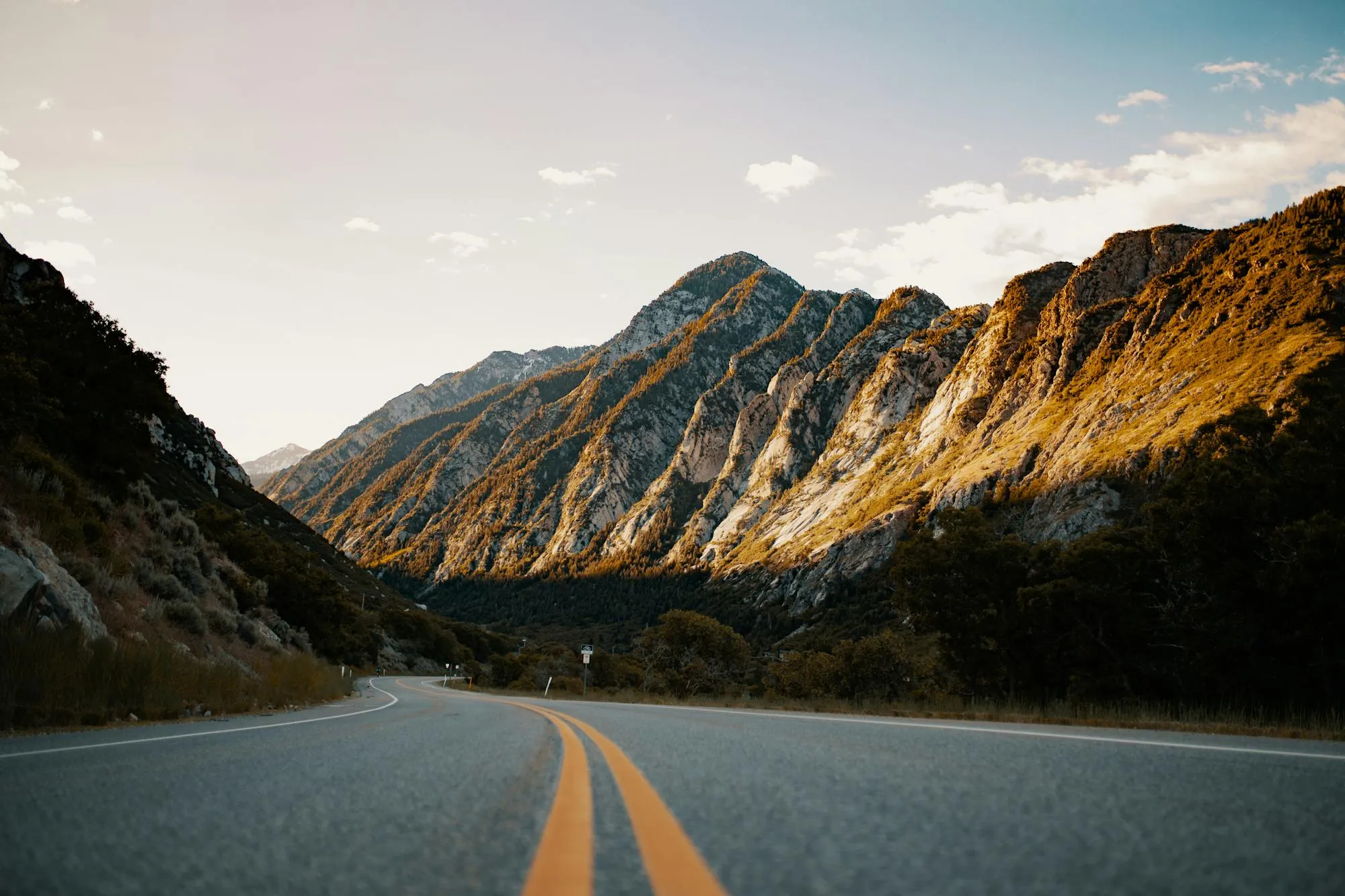
A scenic view of Angeles Crest Highway winding through rugged Southern California canyon terrain. Rocky mountainsides with golden earth tones frame the asphalt road with tight sweeping curves. Double yellow center line visible, sparse vegetation along the shoulders, clear blue sky with white clouds. Daylight, dry conditions. No motorcycle or rider visible. Iconic location for canyon-road enthusiasts.
Josh Sorenson / Pexels

Best motorcycle for Laguna Seca?

If you're chasing apex precision on a closed circuit, this is your tool. The RR-derived chassis, real fork feedback, and transparent electronics let you build speed on trust, lap after lap.

Made for Barber Motorsports Park · WeatherTech Raceway Laguna Seca · Circuit of the Americas

Best motorcycle for Angeles Crest?

For Angeles Crest and the weekend canyon runs it's close to ideal: light, planted, and surgical with the throttle, with electronics that cover the gap between confidence and grip without nagging.

Made for Angeles Crest Highway · Coronado Trail / US 191 · Highway 1 / Big Sur

Best motorcycle for Tail of the Dragon?

On tight East Coast twisties the wide bar and low weight let it flick corner to corner with almost no effort, and the constant front-end feedback rewards clean technique over raw speed.

Made for Back of the Dragon · Blue Ridge Parkway · Cherohala Skyway

What's new versus the previous generation

If you're cross-shopping the older generation, here's what changed.

BMW S 1000 R (K47)

Previous generation · 2014–2020

BMW S 1000 R (K47)

Superbike Soul, Street Hands

Compare to the previous model →

Alternatives to the BMW S 1000 R

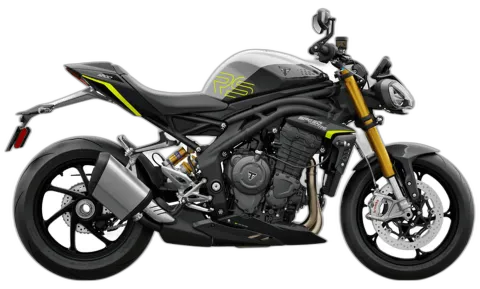
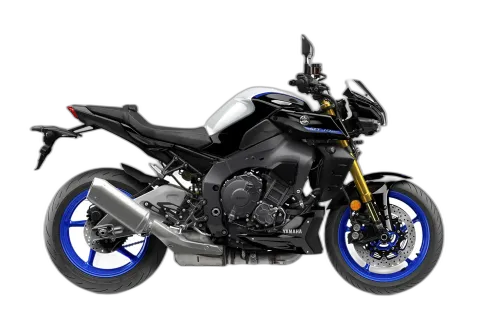
If this one isn't quite the fit, these are the bikes worth riding back-to-back against it.

Any price note compares both bikes at the same age — the youngest age both have on the used market — against this BMW S 1000 R. “cheaper/pricier” is what that bike costs second-hand, not how worn it is.