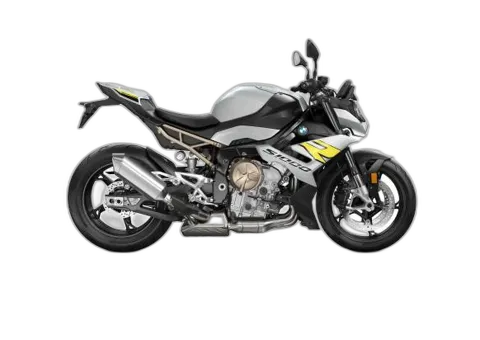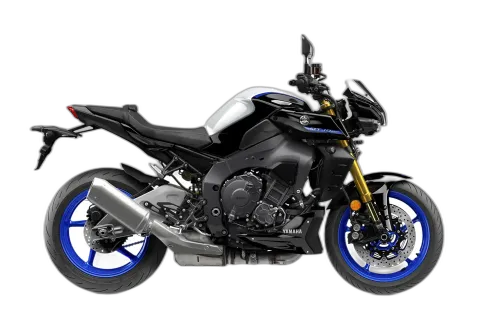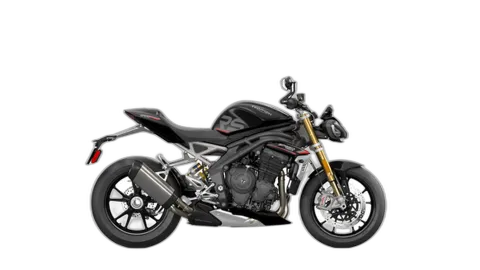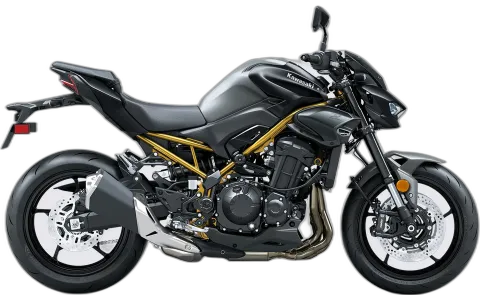

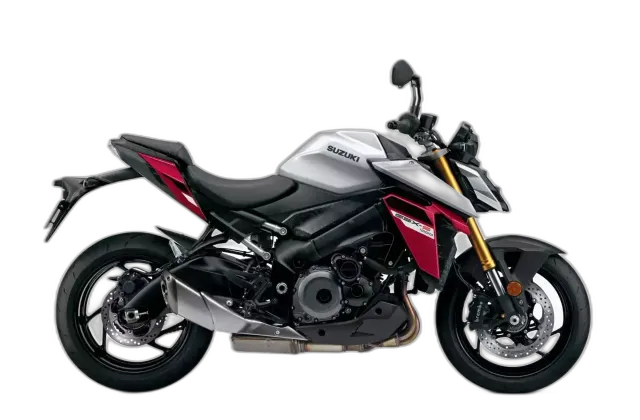
Suzuki GSX-S1000 (MY2025) — Naked Bike
Suzuki press archive

2025 · Naked Bike · Buyer's Guide

GSX-S1000 (MY2025)

Old-School Power, Modern Grip

The Machine's Character

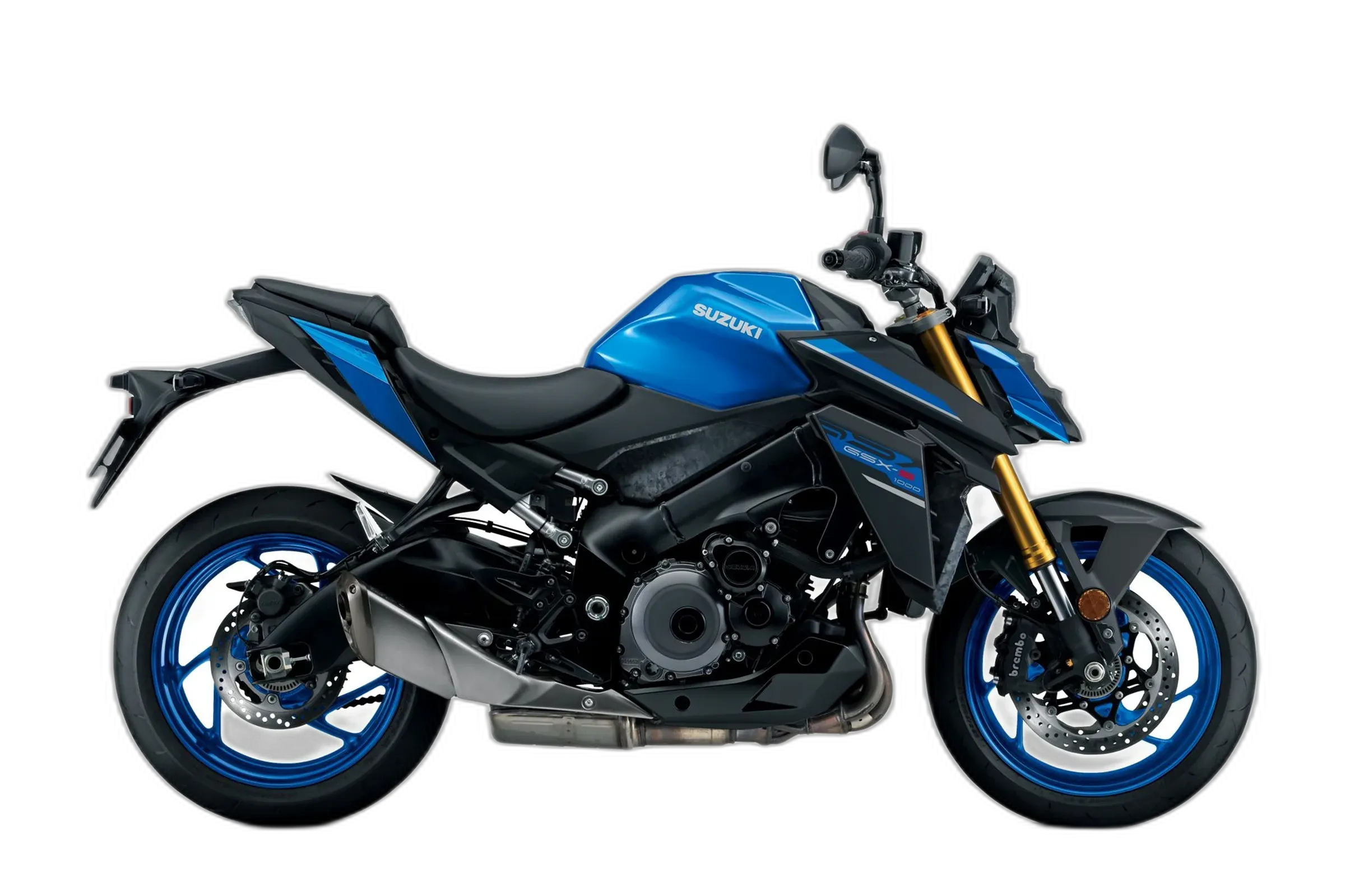
The GSX-S1000 runs a 999 cc inline-four that makes 152 hp and 78 lb-ft, and the frame and swingarm under it come straight from Suzuki's superbike side rather than a bespoke naked chassis. That matters more than the spec line suggests: this bike commits to a line the way a sportbike does, and it stays flat through fast left-right transitions that unsettle most naked bikes. Electronics stay deliberately short. ABS, traction control, three ride modes, a clean TFT, and the Bi-directional Quick Shift System. Nothing more, nothing you'll spend a season learning to configure.

This is a bike that gets better the harder you push it and never asks for anything in return. Low and mid range are so smooth you'll keep riding below where the engine actually wants to live; wind it all the way out and it turns hard, loud, and committed. At 472 lb wet with a 31.9 in seat, it isn't small, and from the saddle it feels bigger than the numbers read. The honest caveat is the brakes and the electronics: no IMU, so ABS and traction control work from coarser data, and the lever needs real hand force before serious stopping power shows up.

Hard Numbers

Spec sheets don't ride bikes, but they set the baseline.

Show full specs & equipment Hide specs & equipment
Key specifications
Power 152 hp (112 kW)
Torque 78 lb-ft (106 Nm)
Displacement 999 cc
Engine Inline-four
Cooling Liquid-cooled
Gearbox 6-speed
Front tire 120/70-17
Rear tire 190/50-17
Seat height 31.9 in (810 mm)
Wet weight 472 lb (214 kg)
Fuel capacity 5.0 gal (19 L)

Equipment check

Chassis

  • Front Suspension Adjustable Standard
  • Rear Suspension Adjustable Standard

Connectivity

  • TFT Display Standard
  • Smartphone Connectivity Standard

Drivetrain

  • Quickshifter Suzuki Bi-directional Quick Shift System Clutchless ridingFull throttle upshift Standard
  • Slipper Clutch Standard

Lighting

  • LED Headlight Standard

Safety

  • ABS Standard
  • Traction Control Standard
  • Ride Modes Standard

The Voice of Experience

Portrait of NastyNils

The test ride

First thing you notice is that the engine is grainy in a way most modern fours aren't. There's texture through the pegs and the bars, a mechanical rasp that builds as the revs climb, and it never gets sanded smooth. That's the K5 lineage talking, and it's the whole personality of the bike. The riding position is roomy, with a long stretch from seat to headstock that makes the machine feel substantial underneath you at parking-lot speeds. Some riders on our test never mentioned it; others felt it every time they turned around. The seat is soft, genuinely good for a long day, and the wind on your chest does what wind on a naked bike should: 70 mph feels like an event. Roll it on in sixth at highway pace and it just goes, no downshift required.

Rated point by point — where it earns its keep

My own 0–100 score for this bike against the class, area by area — the marker on each bar is the class average.

Nobody in our group was talking about the Suzuki before the test. Afterwards, everyone wanted another session on it, and "we're riding the Suzuki again" turned into the running line of the day. What earns that isn't one standout lap. It's the absence of stress across the entire session. The bike never created situations, never asked to be managed, never needed a plan for how you were going to handle it. It just responded, the same way, every time, and that consistency is rarer in this class than the output figure suggests. Sitting still it looks conventional, almost understated. Crack the throttle and actually mean it and you find out what it really is. The fun here doesn't have to be earned and you don't have to ride like a hero to get at it. It's waiting for you the moment you pull away.

Long, fast sweepers are where this chassis is most at home. Hold a line through a quick, sweeping bend and there's nothing to negotiate. It settles, stays exactly where you put it, and lets the engine get on with pulling. It's less nervous than several rivals I've ridden back to back with it, and at speed that composure is worth more than any amount of flickability. Turn-in is the other half of why I rate it. The bike goes where you look, willingly, without persuasion, and after a handful of corners I was threading my line on instinct rather than thinking my way through it. That kind of familiarity normally takes much longer to build. The caveat is damping. The factory settings are on the plush side, and while a few clicks front and rear bring it up to where it should be, I'd sort that in the paddock rather than find out about it mid-lap.

What I keep coming back to on this motor is the honesty of the throttle. Open the gas and there's nothing standing between the request and the answer. The response is immediate and direct, quick enough that your first few rides are mostly about recalibrating your wrist to it. Hard on it through the middle of the rev range it's raw and full of character, but it never bites back at an honest input. Ride it smoothly and it rewards you; get clumsy and it simply makes that obvious, without punishing you for trying. That's a different contract from most modern fours, where a layer of calibration quietly decides how much of your wrist actually reaches the rear tire. I never felt that layer here, and it's the single reason I enjoyed this bike as much as I did. The one thing that genuinely frustrated me is the gearing. First runs deep, deeper than it needs to be, and in a tight hairpin at walking pace you open the throttle into a dead zone and sit there waiting for the engine to climb back into its powerband. It breaks the rhythm in the slowest corners, and it's the only place in the whole drivetrain where the bike feels like it's working against you instead of with you. Everywhere else, the connection between your right hand and the rear tire is the best thing about riding it.

This is the part of the bike I'd fix first. On the road the brakes do everything asked of them and I never went looking for more. Take the same setup to lap pace and the ceiling arrives fast. The lever goes soft under hard use, with no firm bite to build confidence against, and the ABS is calibrated conservatively enough that stopping distances stretch out past where they should be. The bigger problem is what isn't in the system. With no lean-angle sensing, the ABS has no idea you're mid-corner, so it steps in on the brakes in a bend as readily as it would in a straight-line stop, at precisely the moments you'd want it to stay out of the way. On the street you'll never meet that limit. At track pace it stops being a safety net and becomes something you ride around.

Seat height is the good news. This isn't a low motorcycle, but it isn't the kind of tall that rules out riders of average height either, and that shows up exactly where confidence usually leaks away: rolling to a stop, turning around, putting a foot down on uneven ground. What costs it here is the padding. On a circuit all that compliance swallows the signal you actually need. You lose the contact through your hips, and with it the read on what the chassis is doing through the corner and what the rear tire has left when you're leaning on it. That's the trade Suzuki made, and for most owners on most days it's the right one. I only got handed the bill when I started pushing.

Three ride modes, and they genuinely are three. Each one covers its own part of the range, so you're not scrolling through near-identical maps hunting for the difference between them. The display reads at a glance, which is the only thing I ask of a dash while I'm moving. Short feature lists on machines like this usually reflect confidence rather than a gap in the spec sheet.

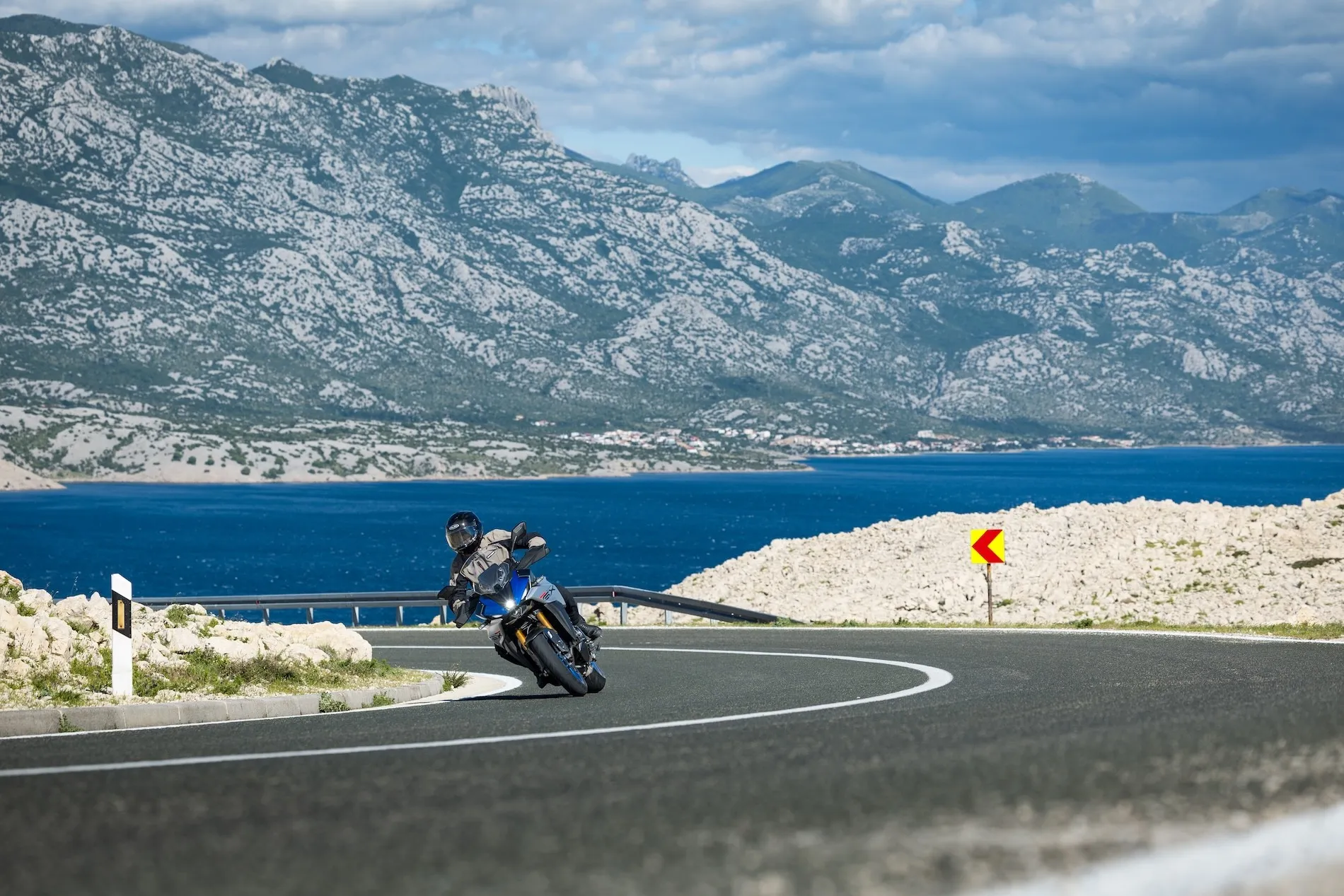
NastyNils riding a blue Suzuki GSX-S1000GX sport-tourer through a sweeping left-hand corner on a coastal mountain road, likely along the Croatian Adriatic. The bike leans into the bend with the rider in full gear and a touring windscreen raised. A red-and-yellow chevron curve-warning sign marks the apex on the right shoulder. Steep limestone mountains rise behind a deep-blue stretch of sea, the sky overcast with broken clouds. Daylight, dry asphalt.
NastyNils / Nastynils.com
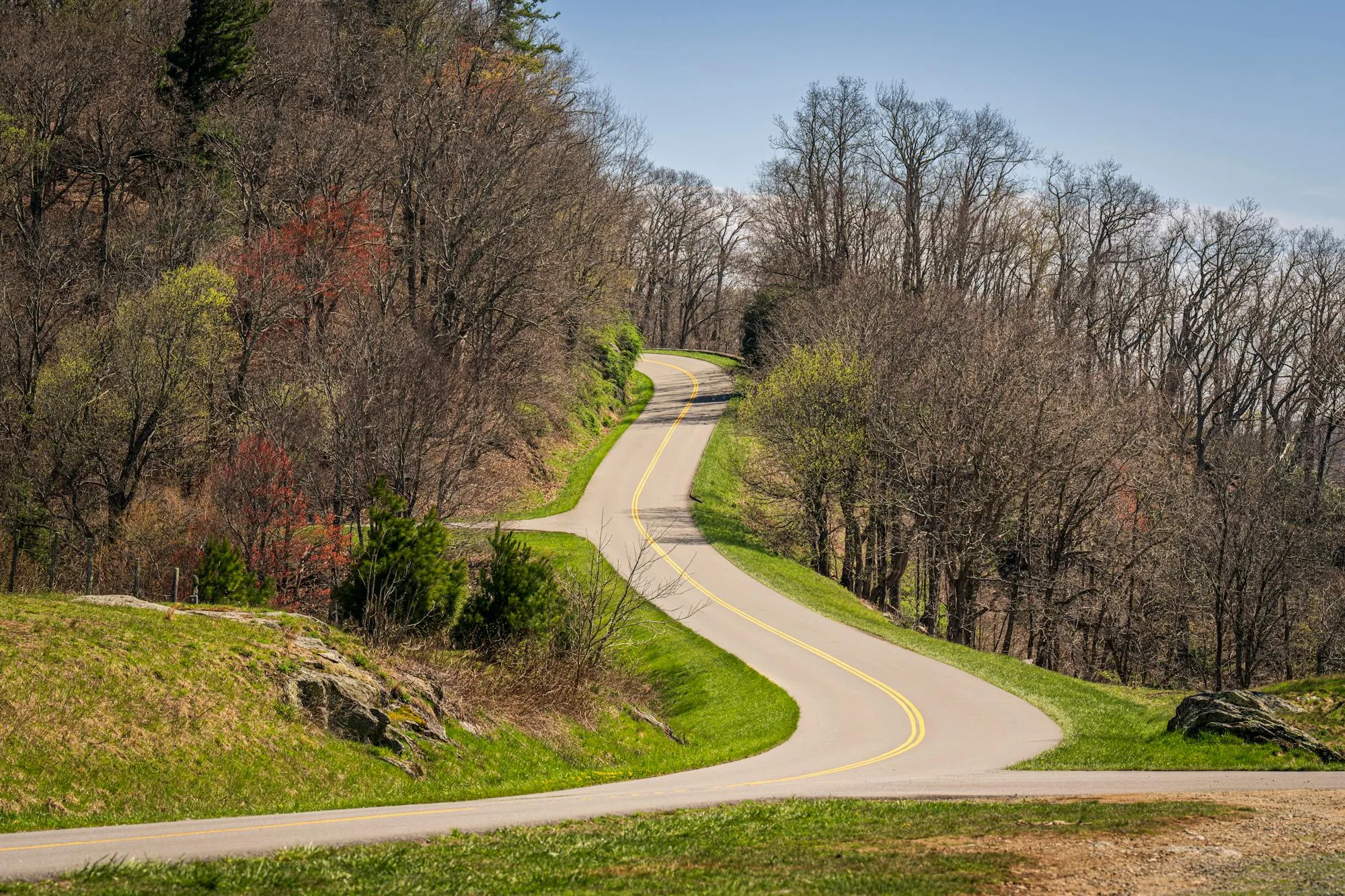
A winding asphalt road descending through the Appalachian Mountains, likely the famous Tail of the Dragon section in Tennessee and North Carolina. Multiple technical right-hand and left-hand curves are visible in this aerial perspective, surrounded by deciduous forest in spring foliage. Clear sunny conditions, well-maintained asphalt with yellow center lines marking the curves.
Mark Stebnicki / Pexels

The Truth on the Street

Known issues

  • Sticky ignition key barrel

    electrics occasional

    The ignition lock can become difficult to turn, especially over time, requiring lubrication or eventual replacement.

  • Starter motor occasionally fails to engage

    electrics occasional

    Some owners experience a clicking noise when pressing the starter button; the issue may be related to the starter relay or battery cable connections.

  • Thin paint and corrosion-prone fasteners

    bodywork common

    Owners report that the paint on the frame and engine covers chips easily, and some hardware shows rust after a few years.

  • Thin paint leading to chipping

    bodywork common

    Paint on the tank and frame can chip easily from road debris. Frequent touch-ups or protection film are recommended.

The Expert Benchmark

Where this Suzuki GSX-S1000 pulls ahead of — or falls behind — its rivals on the numbers, and the typical bike in its class on character.

What kind of bike this is — character vs. the class

This bike Class average

The shape of the Suzuki GSX-S1000 — numbers and character vs. the average Naked Bike

Head-to-head: Suzuki GSX-S1000 vs. its rivals

The 'Should I Buy It?' Score

Forget spec-sheet bragging. Here's who the GSX-S1000 is actually built for.

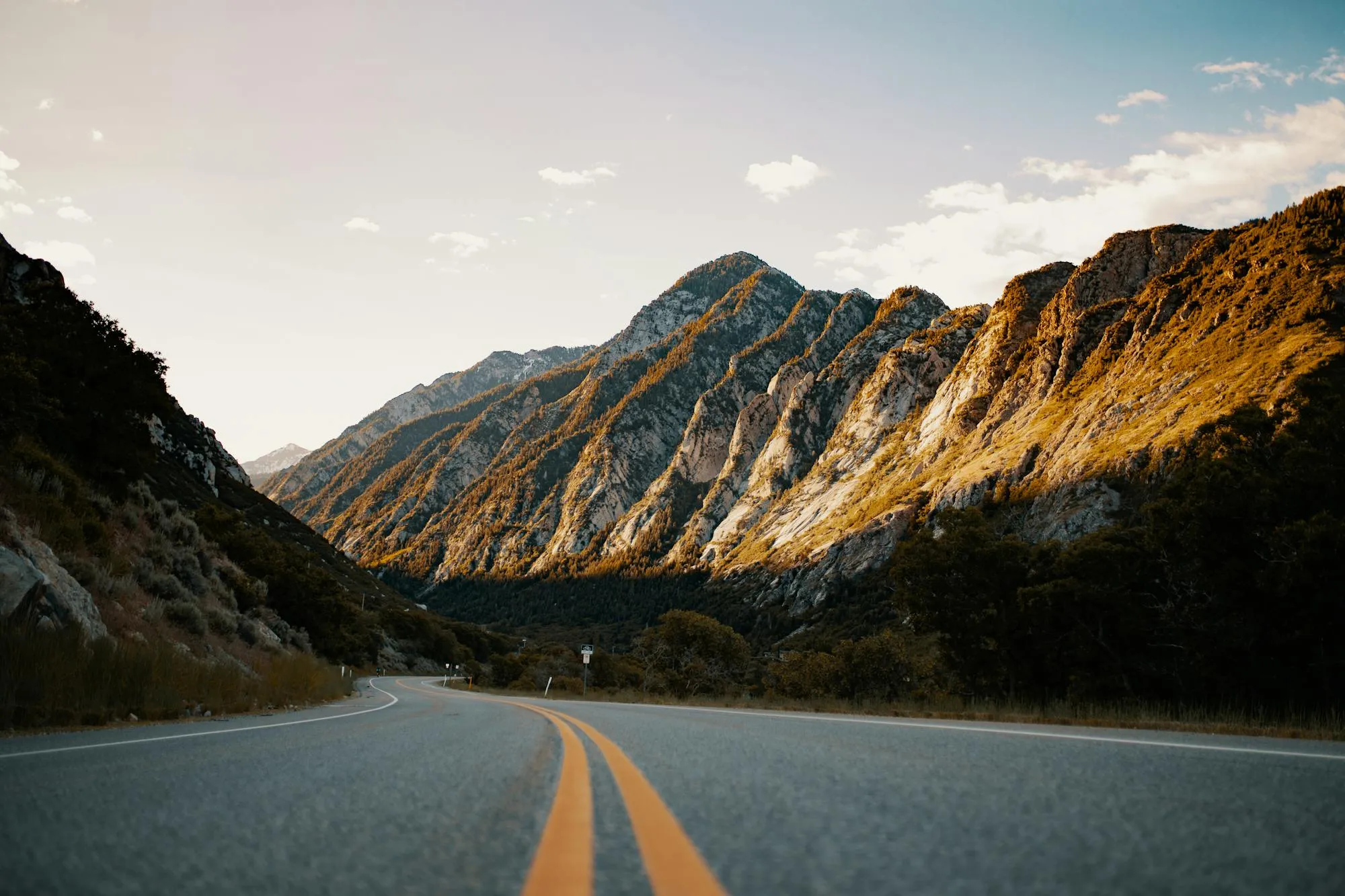
A scenic view of Angeles Crest Highway winding through rugged Southern California canyon terrain. Rocky mountainsides with golden earth tones frame the asphalt road with tight sweeping curves. Double yellow center line visible, sparse vegetation along the shoulders, clear blue sky with white clouds. Daylight, dry conditions. Iconic location for canyon-road enthusiasts.
Josh Sorenson / Pexels

Best motorcycle for Angeles Crest?

Angeles Crest sweepers are exactly where this bike lives. It stays neutral and settled at speed, and the mid-range means you're rarely in the wrong gear. Firm the suspension a few clicks before your first serious run.

Made for Angeles Crest Highway · Coronado Trail / US 191 · Highway 1 / Big Sur
Best motorcycle for Tail of the Dragon?

It follows your eyes into a radius after a handful of corners, which suits your kind of repetition riding. The catch: first gear is deep, so the tightest Dragon hairpins can feel disconnected.

Made for Back of the Dragon · Blue Ridge Parkway · Cherohala Skyway

Best motorcycle for Bay Area?

Skyline pace suits it well, and the soft seat and thick mid-range make the city stretch painless. It's a big bike in traffic, though, and the styling stays restrained rather than loud.

Made for Bay Area Ridge Roads · San Francisco / Bay Area · Skyline Boulevard / Alice's Restaurant

Alternatives to the Suzuki GSX-S1000

If this one isn't quite the fit, these are the bikes worth riding back-to-back against it.

Any price note compares both bikes at the same age — the youngest age both have on the used market — against this Suzuki GSX-S1000. “cheaper/pricier” is what that bike costs second-hand, not how worn it is.