
Yamaha YZF-R1 (RN49) — Supersport
Yamaha press archive

2017–2019 · Supersport · Buyer's Guide

YZF-R1 (RN49)

MotoGP Crank, Street Papers

The Machine's Character

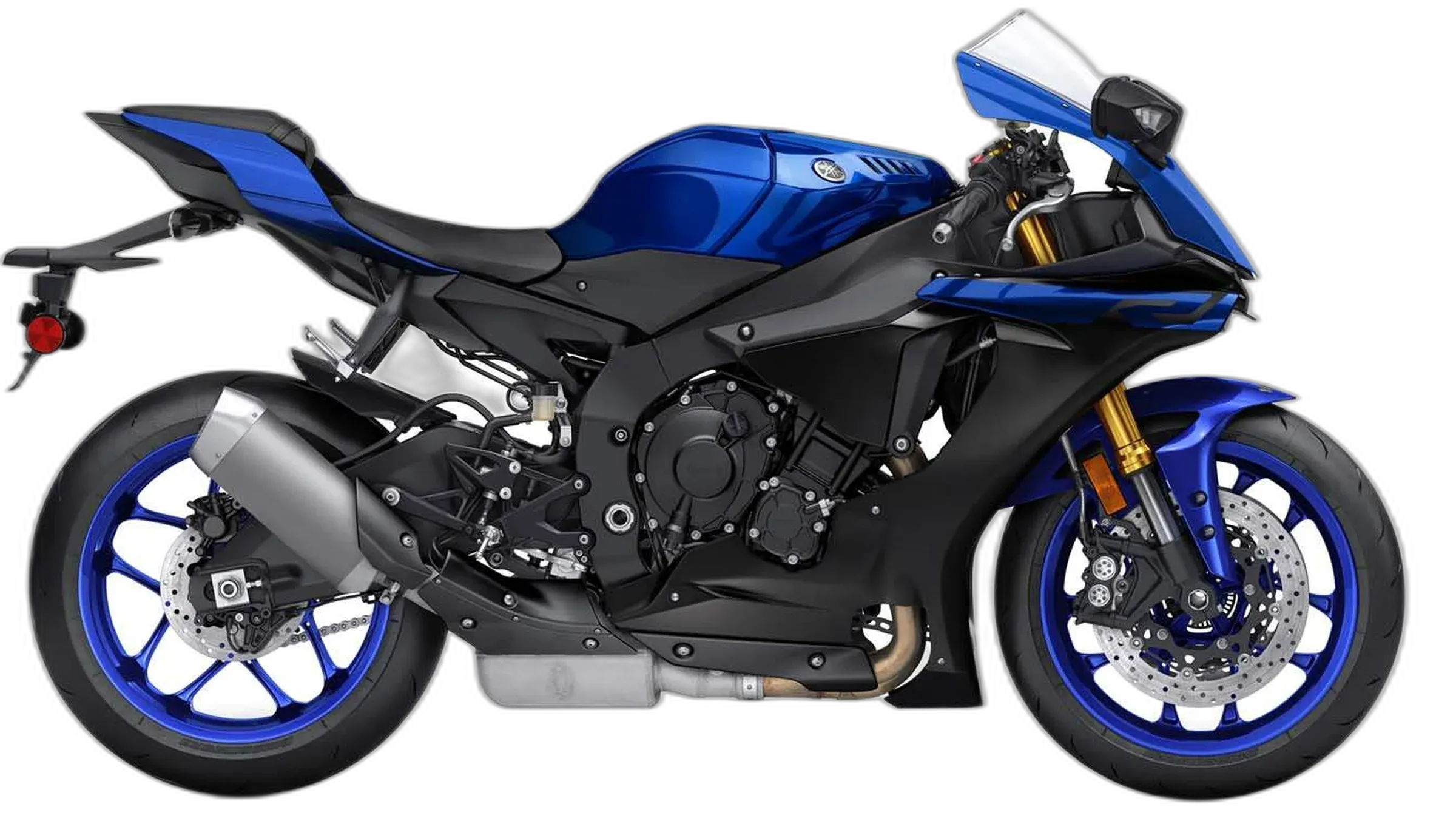
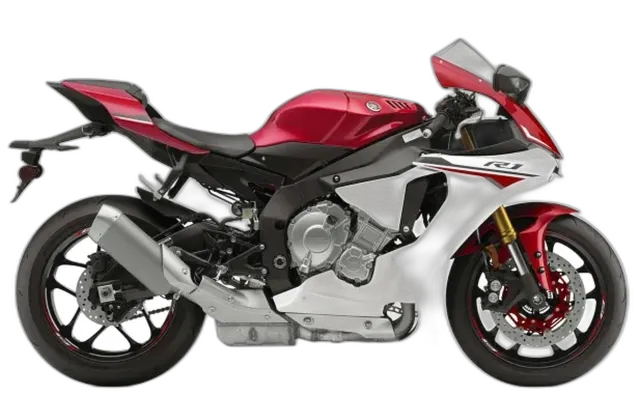
The RN49 is built around Yamaha's crossplane inline-four, and that uneven firing order is the whole point of the bike. 998 cc, 200 hp, 83 lb-ft, with a torque trace that pulls hard from low in the range and then revs clean to a 14,000-plus rpm ceiling with no abrupt step in the middle. The electronics exist to make that usable: cornering ABS, traction control, wheelie control, launch control and ride modes, backed by a steering damper, an up and down quickshifter and a slipper clutch as standard. This is a homologated racing tool with plates on it, and it never pretends otherwise.

The chassis is the part that convinces you fastest. Fully adjustable at both ends, honest under heavy braking, and quick to change direction for a 441 lb wet superbike, it makes a 55.3 in wheelbase feel far more compact than the numbers read. Lean clearance is never the thing that stops you. Build quality holds up and the aftermarket depth means a used one can be set up properly for years. The caveat is plain: at 33.7 in with high pegs and a thin seat, road comfort is sub-class, and the stock brake hardware is the first thing serious track riders replace.

Hard Numbers

Spec sheets don't ride bikes, but they set the baseline.

Show full specs & equipment Hide specs & equipment
Key specifications
Power 200 hp (147 kW)
Torque 83 lb-ft (112 Nm)
Displacement 998 cc
Engine Inline-four
Cooling Liquid-cooled
Gearbox 6-speed
Final drive Chain
Front tire 120/70-17
Rear tire 190/55-17
Wheelbase 55.3 in (1405 mm)
Seat height 33.7 in (855 mm)
Wet weight 441 lb (200 kg)
Fuel capacity 4.5 gal (17 L)
Top speed 186 mph (300 km/h)
Fuel economy 34 mpg (US)

Equipment check

Chassis

  • Front Suspension Adjustable Standard
  • Rear Suspension Adjustable Standard
  • Steering Damper Standard

Connectivity

  • TFT Display Standard

Drivetrain

  • Quickshifter Standard
  • Slipper Clutch Standard

Lighting

  • LED Headlight Standard

Safety

  • ABS Standard
  • Cornering ABS Standard
  • Traction Control Standard
  • Ride Modes Standard
  • Wheelie Control Standard
  • Launch Control Standard

The Voice of Experience

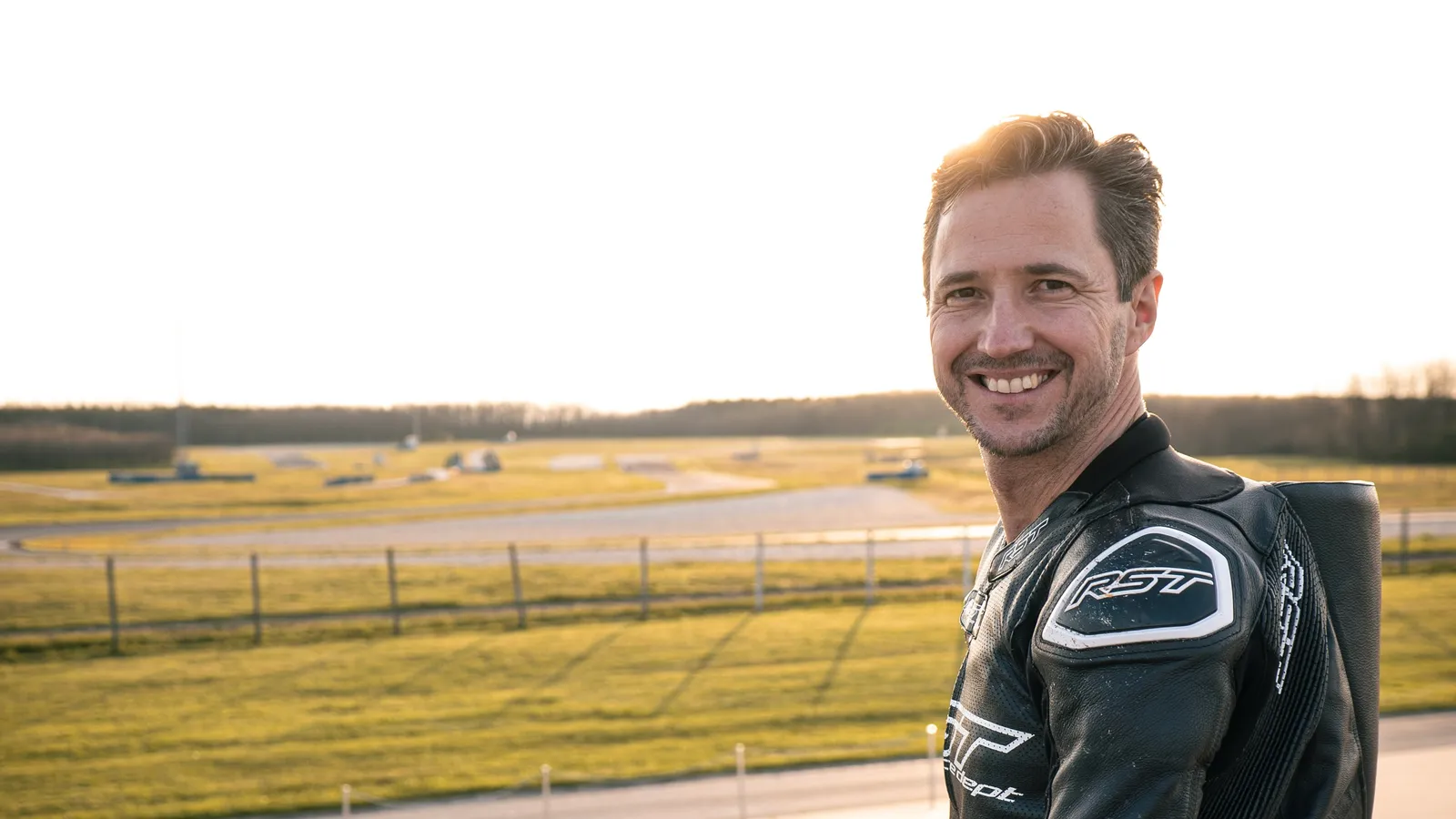
Portrait of NastyNils

The test ride

The noise gets you before anything else. That crossplane rasp is closer to a GP bike idling in pit lane than to a conventional four screaming, and it changes how you ride because you start shifting by ear. Under you the engine has a low, grainy pulse rather than a smooth hum, and it reads through the tank and the pegs without ever going numb. The bars tell you exactly what the front tire is doing, which is the single best thing about sitting on this bike. Ergonomically it is narrow and small around the hips, wrists loaded, feet high and back. At real road pace you notice the pegs are set for lean angle you will not use, and the 4.5 gal tank at 34 mpg has you planning fuel stops before your body asks for one.

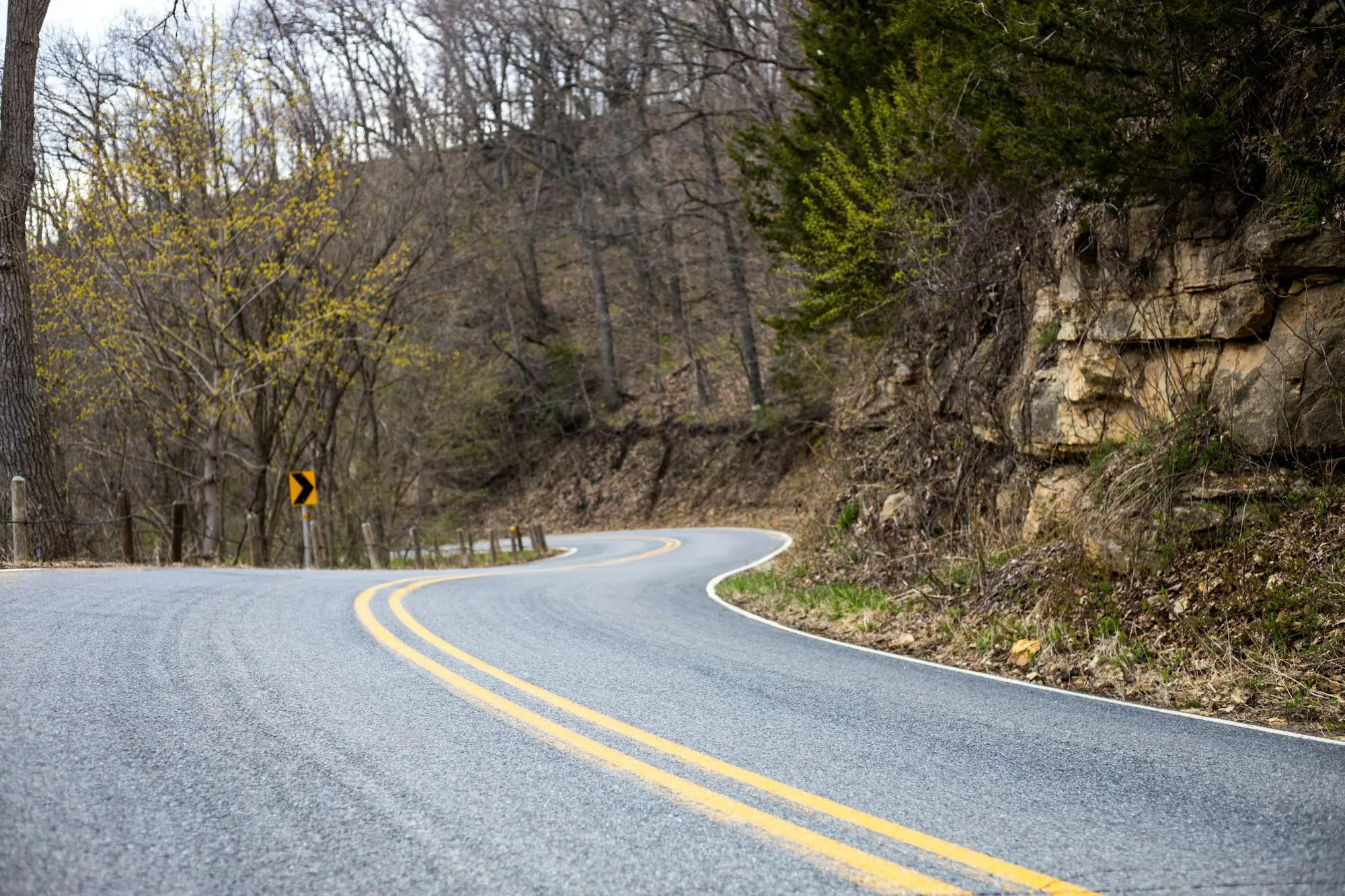
A winding two-lane asphalt road in the Appalachian mountains, photographed in dry daylight. Yellow double-center line markings guide through a series of tight left-hand curves. Dense deciduous and evergreen forest flanks both sides; a rock cut is visible on the right. The road surface and geometry suggest a technical, high-traffic riding corridor popular with motorcyclists.
Chris Flaten / Pexels

The Truth on the Street

Nils has been collecting R1 talk for years: conversations in the paddock, owners cornering him at club nights, and the messages and emails riders send after a season of living with one. The pattern is consistent, and it splits cleanly down the middle. Heavy praise for what the bike does when it is ridden hard, steady grumbling about everything that happens around that.

What Riders Keep Coming Back To

Two things dominate. Cornering precision comes up first and most often: riders describe a chassis that holds its line under pressure and gives them the confidence to lean further than they expected to. Right behind it sits the engine. Owners call the crossplane four addictive and talk about a top-end rush that keeps pulling them back into the upper revs. A smaller group points to the electronics, the six-axis system with traction, slide and lift control plus launch control, as the reason they can use any of it.

Where Owners Lose Patience

Distance is the recurring complaint. The riding position and the firm setup wear people down on longer street rides, and most say the bike never pretended to be anything other than track equipment. The other regular gripe is height. Seat height ranks near the top of the class, and shorter riders raise it often, usually when the talk turns to slow maneuvers and stops.

Known issues

  • Brake lever sponginess, weak initial bite, accelerated rotor glazing under track use

    brakes occasional

    The Advics 4-piston front calipers are competent, but the OEM pads, master cylinder, and rotor thickness are consistently identified as the system's weakness. ABS-induced lever sponginess is widely reported. Under sustained track use, rotors glaze and bite drops further. On 2018–2019 models, the linked-brake system draws criticism: the rear brake feels loose under heavy braking and can produce a tyre-squealing fishtail on track. Common owner remedy: replacement pads (HH compounds), braided lines, ABS-bypass for track-only bikes.

  • Engine stalls or struggles with idle when clutching in to come to a stop

    engine occasional

    Bike stalls or hunts for idle when clutching in to come to a stop, particularly when warm. Forum diagnoses attribute the problem to (a) lean OEM Euro-4 mapping in the 3,500–5,000 rpm band, (b) EXUP exhaust valve servo out of adjustment, (c) aftermarket ECU flashes that change RPM activation thresholds, (d) on R1M with aftermarket key-switch eliminator, related circuit issues.

  • Auto-blipper requires excessive lever pressure at low rpm, or quickshifter sensor fails outright

    drivetrain occasional

    The MY2018+ auto-blipper (clutchless downshift) requires noticeably more lever pressure at low rpm according to riders. The quickshifter sensor itself can short out without warning, leaving both upshift and downshift functions inoperative until replacement.

  • Wafer-thin OEM seat causes acute discomfort on rides over approx. 60 minutes

    bodywork very common

    The OEM seat is universally described as "wafer-thin" and "torture after a couple of hours." Combined with high pegs, narrow tank, and aggressive bar position, road comfort is sub-class for use cases beyond track days and short fast-road rides. This is a deliberate design choice (track-bias positioning) rather than a defect, but it is consistently raised as a primary practical limitation of the bike.

The Expert Benchmark

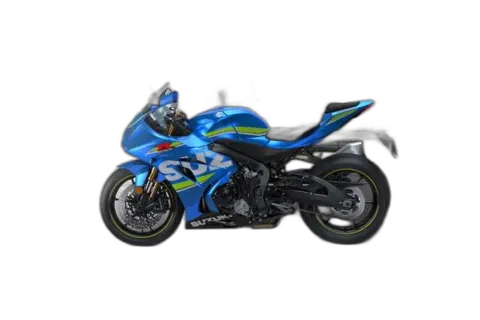
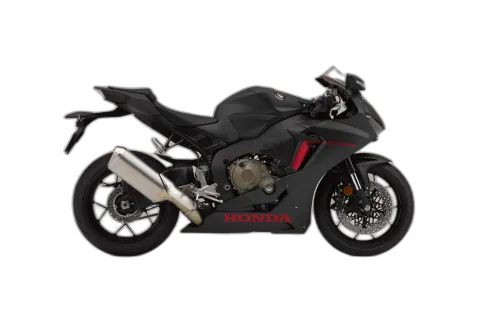
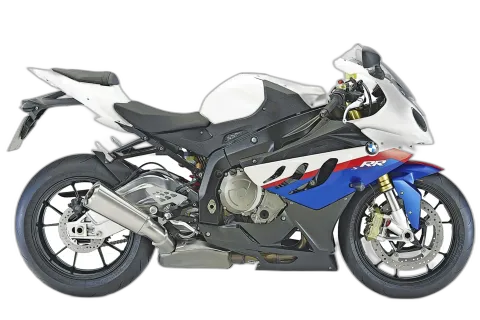
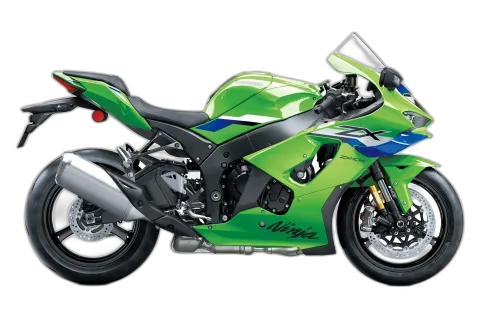
Where this Yamaha YZF-R1 pulls ahead of — or falls behind — its rivals on the numbers, and the typical bike in its class on character.

What kind of bike this is — character vs. the class

This bike Class average

The shape of the Yamaha YZF-R1 — numbers and character vs. the average Supersport

Head-to-head: Yamaha YZF-R1 vs. its rivals

The Handshake Score

Forget spec-sheet bragging. Here's who the YZF-R1 is actually built for.

A scenic view of Angeles Crest Highway winding through rugged Southern California canyon terrain. Rocky mountainsides with golden earth tones frame the asphalt road with tight sweeping curves. Double yellow center line visible, sparse vegetation along the shoulders, clear blue sky with white clouds. Daylight, dry conditions. Iconic location for canyon-road enthusiasts.
Josh Sorenson / Pexels

Best motorcycle for Laguna Seca?

This is the bike you buy the trailer for. Lean clearance, chassis feedback and the standard aids let you work on braking points and apex precision safely. Budget for better brake pads before your first hot session.

Made for Barber Motorsports Park · WeatherTech Raceway Laguna Seca · Circuit of the Americas
Best motorcycle for Angeles Crest?

On Angeles Crest it is precise, fast to turn and endlessly capable, and the sound alone justifies the ride. Plan your stops, though: the seat runs out of patience well before the tank does.

Made for Angeles Crest Highway · Coronado Trail / US 191 · Highway 1 / Big Sur

Best motorcycle for Tail of the Dragon?

For repeat runs on the Dragon and Cherohala it holds whatever line you pick, which is exactly what skill work needs. The aggressive position and low-rpm fueling make the drive out there the dull part.

Made for Back of the Dragon · Blue Ridge Parkway · Cherohala Skyway

What's new versus the previous generation

If you're cross-shopping the older generation, here's what changed.

Yamaha YZF-R1 (RN32)

Previous generation · 2015–2016

Yamaha YZF-R1 (RN32)

The Crossplane War Cry

Compare to the previous model →