Honda CBR1000RR Fireblade (SC 77) — Supersport
Honda Press

2017–2019 · Supersport · Buyer's Guide

CBR1000RR Fireblade (SC 77)

Light Chassis, Total Control

The Machine's Character

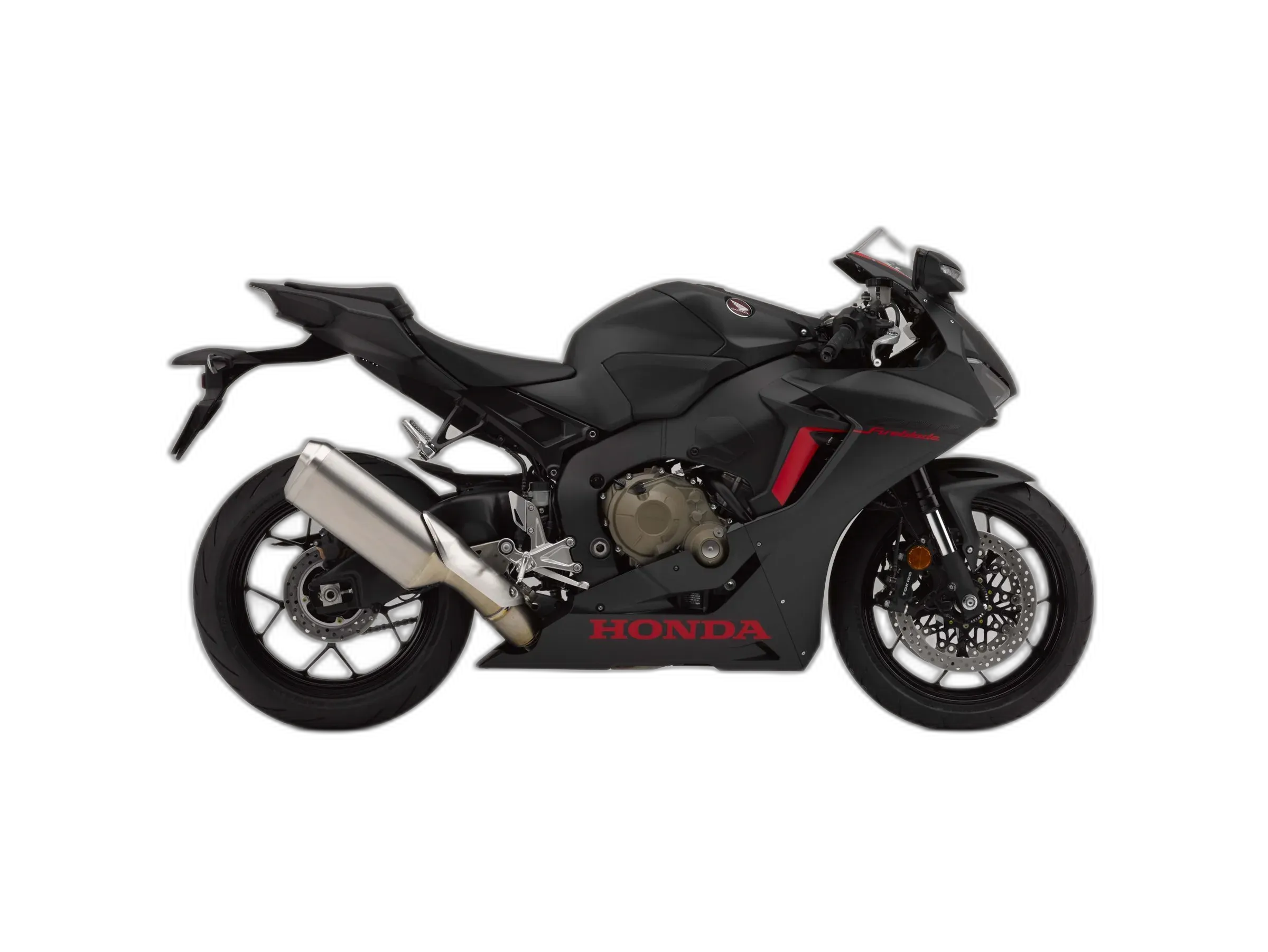
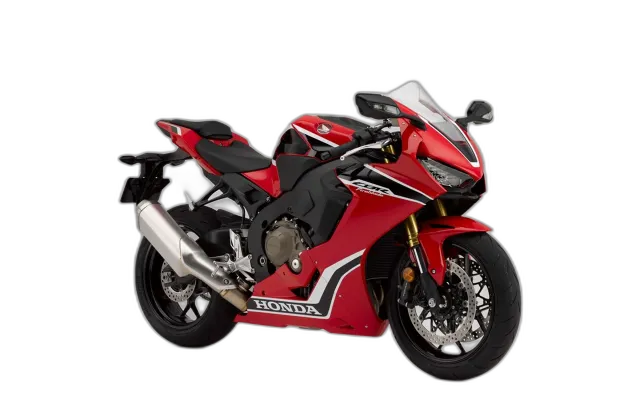
Honda built the SC77 around usable pace rather than headline numbers. The 999 cc inline-four makes 192 hp at 13,000 rpm and 84 lb-ft at 11,000 rpm, and the torque curve is linear enough to pull from low revs instead of demanding a screaming approach. The figure that really shapes the character, though, is 432 lb wet. Mass reduction runs through the whole machine, and it shows in how little input the bike needs to change direction. The rider-aid package is properly modern: cornering ABS, nine-stage traction control, wheelie control and ride modes, plus a steering damper, slipper clutch and fully adjustable suspension at both ends.

This is a liter bike that rewards precision over aggression, which makes it one of the friendlier ways into the class without giving up any of its ceiling. Build quality holds up, the mechanical package has proven durable, and the aftermarket support is deep if you want to take the setup further. The honest caveat is that it stays a real supersport. The seat sits at 32.8 in, the bars are low and far away, the 4.2 gal tank keeps range short, and there is no cruise control or electronic suspension to soften long days. Buy it for the roads you love, not the commute you tolerate.

Hard Numbers

Spec sheets don't ride bikes, but they set the baseline.

Show full specs & equipment Hide specs & equipment
Key specifications
Power 192 hp (141 kW) @ 13,000 rpm
Torque 84 lb-ft (114 Nm) @ 11,000 rpm
Displacement 999 cc
Engine Inline-four
Cooling Liquid-cooled
Gearbox 6-speed
Final drive Chain
Fork Telescopic
Front tire 120/70-17
Rear tire 190/50-17
Seat height 32.8 in (832 mm)
Wet weight 432 lb (196 kg)
Fuel capacity 4.2 gal (16 L)

Equipment check

Chassis

  • Front Suspension Adjustable Standard
  • Rear Suspension Adjustable Standard
  • Steering Damper Standard

Connectivity

  • TFT Display Standard

Drivetrain

  • Quickshifter Optional
  • Slipper Clutch Standard

Lighting

  • LED Headlight Standard

Safety

  • ABS Standard
  • Cornering ABS Standard
  • Traction Control Standard
  • Ride Modes Standard
  • Wheelie Control Standard

The Voice of Experience

Portrait of NastyNils

The test ride

Swing a leg over and the bike feels physically small for a liter machine. The tank is narrow where your knees land, the pegs sit high, and there is real weight on your wrists at a stop, so town work is a chore you accept rather than enjoy. Once moving, the inline-four sound is clean and metallic rather than theatrical, and it stays smooth: very little buzz reaches the bars or pegs at road revs, which matters more than people expect after an hour in the saddle. The steering feels light in your hands but never nervous, and the front end sends back a steady stream of information about what the tire is doing. The TFT is easy to read at a glance. Wind protection is what the fairing shape suggests, so highway stretches are the price of admission.

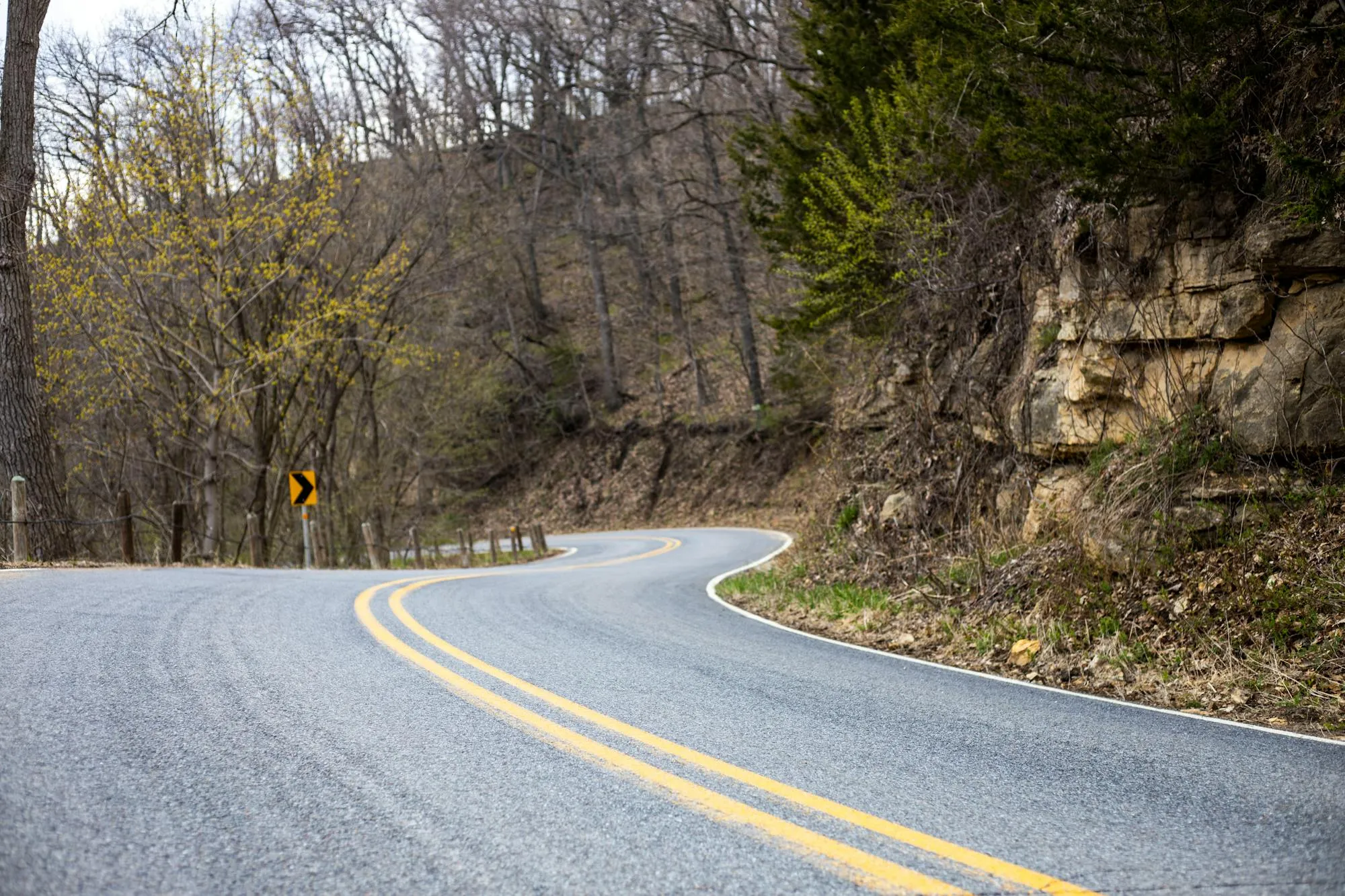
A winding two-lane asphalt road in the Appalachian mountains, photographed in dry daylight. Yellow double-center line markings guide through a series of tight left-hand curves. Dense deciduous and evergreen forest flanks both sides; a rock cut is visible on the right. The road surface and geometry suggest a technical, high-traffic riding corridor popular with motorcyclists.
Chris Flaten / Pexels

The Truth on the Street

A lot of Fireblade owners have talked to me over the years: riders I meet at events, owners who catch me in the pits, and the messages that arrive in my inbox week after week. The picture they paint of the SC77 barely moves from one conversation to the next. Riders describe a machine that stays controllable, and the frustrations they raise are specific rather than broad.

Electronics owners set and trust

The electronics come up in almost every conversation. Riders point to traction control, wheelie control, engine brake control and cornering ABS all being adjustable, so the bike can be matched to the pace a rider actually runs instead of forcing one setting on everyone. Owners describe the systems behaving as a single coherent package rather than separate features fighting each other. Shift quality earns steady praise too: a light, positive action through the six speeds, and clean work from the optional quickshifter and autoblipper.

The gap owners keep flagging

The complaint I hear most from riders who cover distance is the missing cruise control. They point out that the ride-by-wire throttle and wheel-speed sensors are already there, and at this money they expected the feature to follow. Owners who use their Fireblade for long days notice it every time.

Known issues

  • Fuel tank cap seal recall

    fuel system common Recall

    NHTSA campaign 17V-681: the fuel cap seal may swell, creating emission leaks and risk of water ingress or fuel spillage. Honda issued a safety and emission recall to replace the fuel cap assembly on 2017 models.

  • Timing chain tensioner rattle

    engine rare

    A small number of owners have reported premature timing chain tensioner failure causing a metallic rattle around 5,000 rpm; typically requires warranty replacement.

  • Starter motor and crank position sensor failures

    electrics occasional

    Multiple owners on forums report starter motor and CKP sensor issues leading to no-start conditions, often requiring replacement outside warranty coverage.

The Expert Benchmark

Where this Honda CBR1000RR Fireblade pulls ahead of — or falls behind — its rivals on the numbers, and the typical bike in its class on character.

What kind of bike this is — character vs. the class

This bike Class average

The shape of the Honda CBR1000RR Fireblade — numbers and character vs. the average Supersport

Head-to-head: Honda CBR1000RR Fireblade vs. its rivals

The Handshake Score

Forget spec-sheet bragging. Here's who the CBR1000RR Fireblade is actually built for.

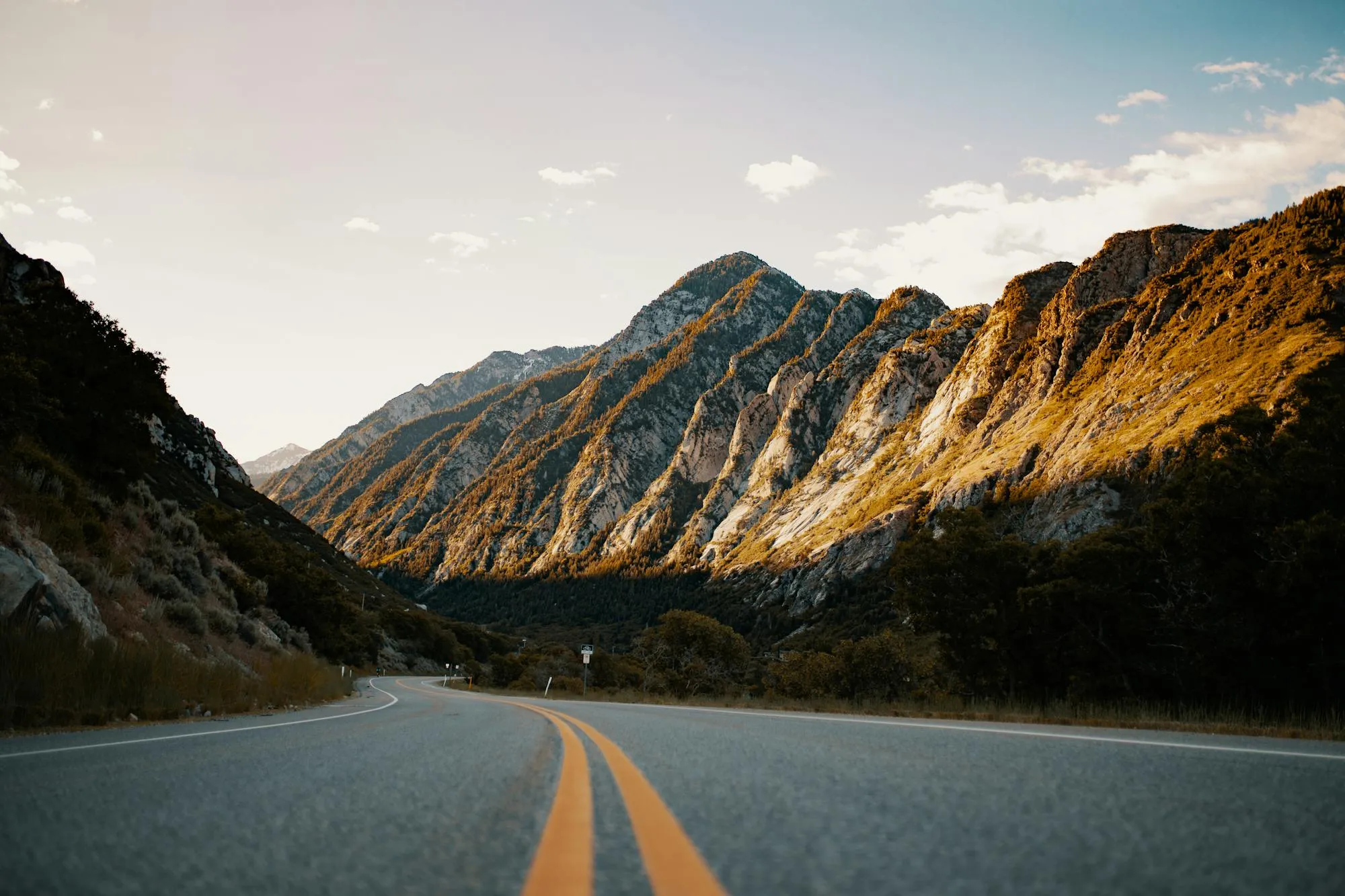
A scenic view of Angeles Crest Highway winding through rugged Southern California canyon terrain. Rocky mountainsides with golden earth tones frame the asphalt road with tight sweeping curves. Double yellow center line visible, sparse vegetation along the shoulders, clear blue sky with white clouds. Daylight, dry conditions. Iconic location for canyon-road enthusiasts.
Josh Sorenson / Pexels

Best motorcycle for Angeles Crest?

Angeles Crest is this bike's natural habitat: light, precise, and clear about what the front tire is doing. Just accept that the ride out through LA traffic is the toll you pay.

Made for Angeles Crest Highway · Coronado Trail / US 191 · Highway 1 / Big Sur
Best motorcycle for Laguna Seca?

Adjustable at both ends, lean clearance you can't exhaust, and electronics you can dial back as your skill grows. Add the optional quickshifter and it's a complete trackday package.

Made for Barber Motorsports Park · WeatherTech Raceway Laguna Seca · Circuit of the Americas

Best motorcycle for Tail of the Dragon?

For tight, repetitive corner work it's superb. It changes line with almost no effort and keeps you informed. Plan fuel stops, though: 4.2 gal doesn't cover a long Blue Ridge day.

Made for Back of the Dragon · Blue Ridge Parkway · Cherohala Skyway

What's new versus the previous generation

If you're cross-shopping the older generation, here's what changed.

Honda CBR1000RR Fireblade (SC 59)

Previous generation · 2008–2016

Honda CBR1000RR Fireblade (SC 59)

Mid-Range Monster, Track-Ready Stability

Compare to the previous model →

Alternatives to the Honda CBR1000RR Fireblade

If this one isn't quite the fit, these are the bikes worth riding back-to-back against it.

Any price note compares both bikes at the same age — the youngest age both have on the used market — against this Honda CBR1000RR Fireblade. “cheaper/pricier” is what that bike costs second-hand, not how worn it is.