
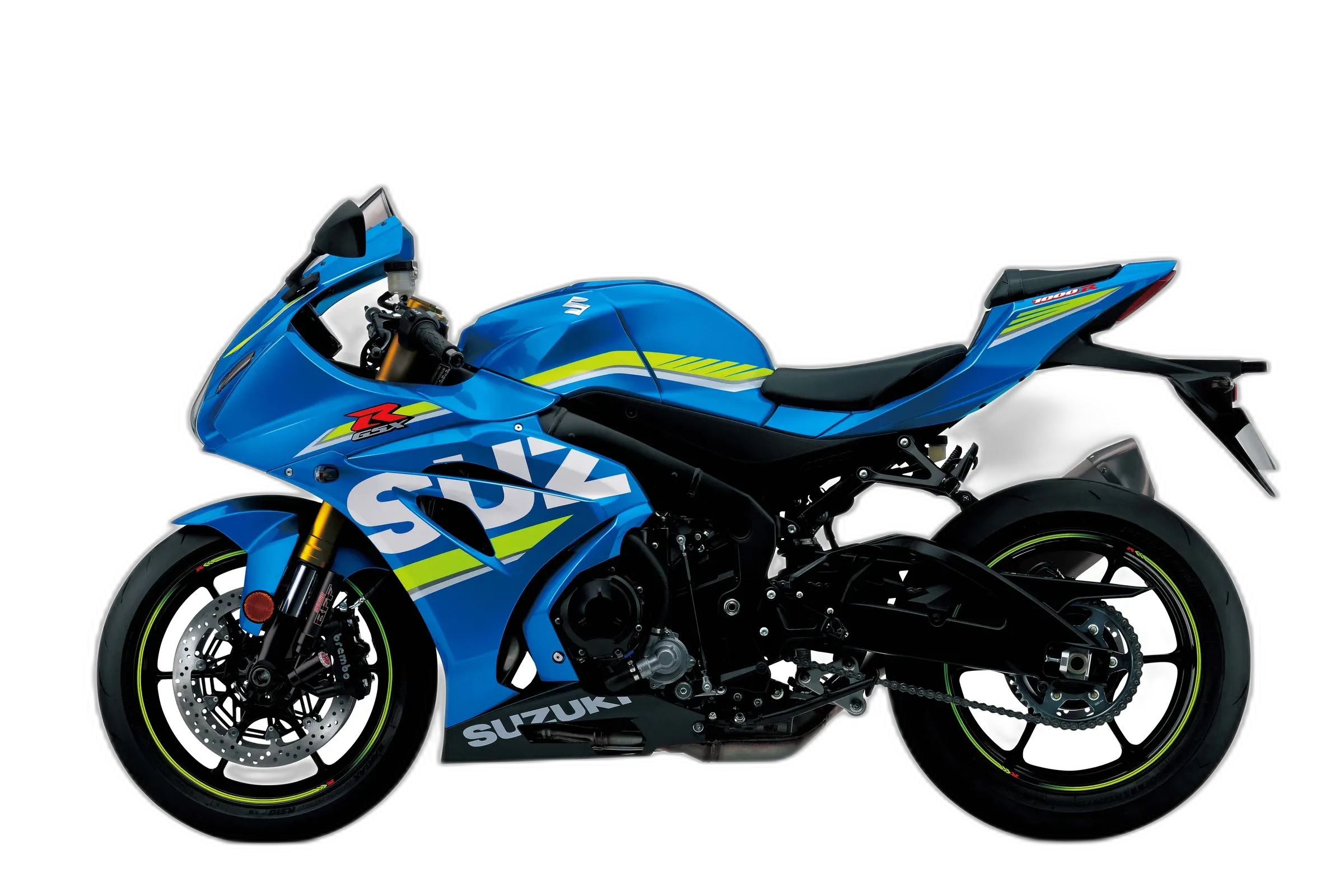
2017–2025 · Supersport · Buyer's Guide
GSX-R 1000 (MY2017)
Valve Timing Changes Everything
The Machine's Character
The 2017 GSX-R 1000 wraps variable valve timing, secondary injectors and dual-stage intake trumpets around a 999 cc inline-four, and the payoff is 202 hp that arrives with real substance underneath it. Peak torque of 87 lb-ft at 10,800 rpm tells you where this engine lives, but it is not a bike that only works in the last two thousand revs. The frame is a light twin-spar aluminum design carrying a long swingarm, and the rider aids cover ABS, ride modes, 10-level traction control, wheelie control and a slipper clutch. A complete superbike package with nothing on it pretending to be more than it is.
At 448 lb wet, with a 32.5 in seat and a 56.1 in wheelbase, it looks middle of the class on paper and rides tighter than that. Build quality and reliability both hold their level, and it takes hard weekend use without feeling worn out afterward. This is a machine for riders who already know what they want from a liter sportbike: canyon Sundays, track days, and the confidence to lean on the thing. The caveat is what that focus costs you elsewhere. Low bars, a firm perch and a 4.2 gal (16 L) tank make long interstate stretches a job of work, and the quickshifter is an option here, not standard kit.
Hard Numbers
Spec sheets don't ride bikes, but they set the baseline.
Show full specs & equipment Hide specs & equipment
| Power | 202 hp (148 kW) @ 13,200 rpm |
|---|---|
| Torque | 87 lb-ft (118 Nm) @ 10,800 rpm |
| Displacement | 999 cc |
| Engine | Inline-four |
| Cooling | Liquid-cooled |
| Gearbox | 6-speed |
| Final drive | Chain |
| Fork | Upside-down (USD) |
| Front brake | 320 mm |
| Front tire | 120/70-17 |
| Rear tire | 190/55-17 |
| Wheelbase | 56.1 in (1425 mm) |
| Seat height | 32.5 in (825 mm) |
| Wet weight | 448 lb (203 kg) |
| Fuel capacity | 4.2 gal (16 L) |
Equipment check
Chassis
- Front Suspension Adjustable Standard
- Rear Suspension Adjustable Standard
- Steering Damper Standard
Drivetrain
- Quickshifter Optional
- Slipper Clutch Standard
Lighting
- LED Headlight Standard
Safety
- ABS Standard
- Traction Control Standard
- Ride Modes Standard
- Wheelie Control Standard
Known issues
-
ECM recall: chain stretch/break risk on missed shift
If the rider misses engaging second gear and then shifts without disengaging the clutch, very high RPM can cause the chain to stretch or break, risking a crash. Suzuki replaced the ECM and, if necessary, the chain and sprockets.
-
Fuel pump O-ring fuel leak potential
On some 2017–2018 GSX-R1000/R models, a twisted fuel pump O-ring can reduce sealing and cause a fuel leak, posing a fire risk. The recall replaced the O-ring set.
-
Cold start stalling and abrupt decel fueling
Owners reported occasional cold start stalls that sometimes self-resolve, and a violent on-off throttle response on deceleration, likely caused by lean fueling.
-
Transmission double-click and clutch clunk
Some riders experience a vague half-engage feeling when shifting from 4th to 5th and 5th to 6th, requiring extra pressure. The clutch adjuster mechanism also produces an audible clunk when the lever is pulled.
The Numbers Compared
Compare the technical specifications of the Suzuki GSX-R 1000 with other bikes in its class.
Head-to-head: Suzuki GSX-R 1000 vs. its rivals
Power
Torque
Displacement
Wet weight
Seat height
What's new versus the previous generation
If you're cross-shopping the older generation, here's what changed.
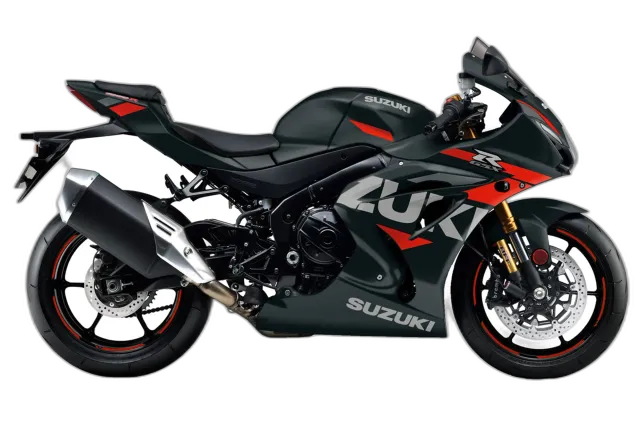
Previous generation · 2009–2016
Suzuki GSX-R 1000 (K9)
Analog Power You Can Use
Compare to the previous model →Variants, Models & Special Editions
The Suzuki GSX-R 1000 also comes in these variants, models and special editions. Each has its own page covering only what differs from the standard GSX-R 1000 — equipment, electronics, specs and used price.
Alternatives to the Suzuki GSX-R 1000
If this one isn't quite the fit, these are the bikes worth riding back-to-back against it.
Any price note compares both bikes at the same age — the youngest age both have on the used market — against this Suzuki GSX-R 1000. “cheaper/pricier” is what that bike costs second-hand, not how worn it is.
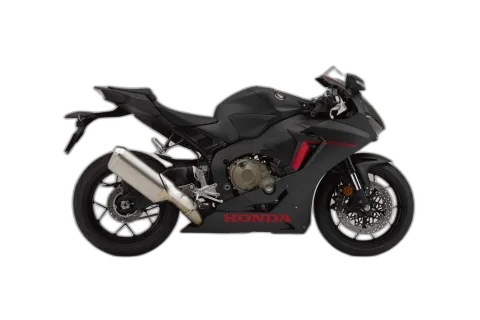
Competitor · 2017–2019
Honda CBR1000RR Fireblade (SC 77)
Light Chassis, Total Control
About the same used price as this bike at 7 yr
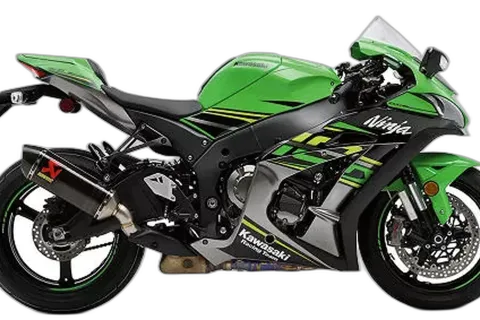
Competitor · 2016–2017
Kawasaki Ninja ZX-10R (ZXT00 A)
Lean Clearance With Electronic Backbone
About the same used price as this bike at 9 yr
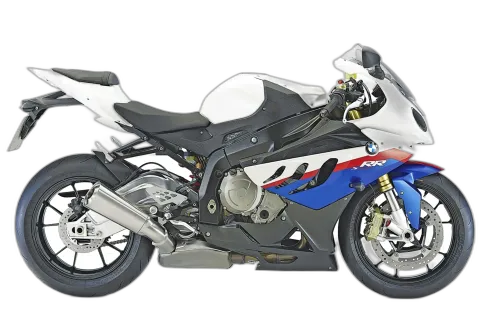
Competitor · 2009–2018
BMW S 1000 RR (K46)
The Top-End That Won't Quit
Roughly $1,600 pricier used than this bike at 8 yr
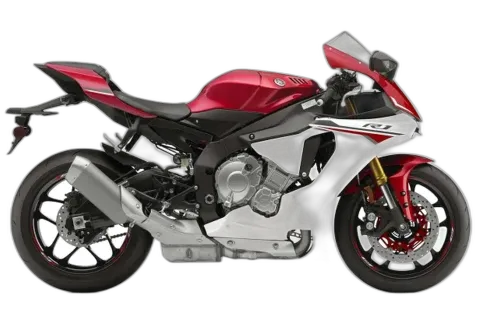
Competitor · 2015–2016
Yamaha YZF-R1 (RN32)
The Crossplane War Cry
Similar Character · 2018–2020
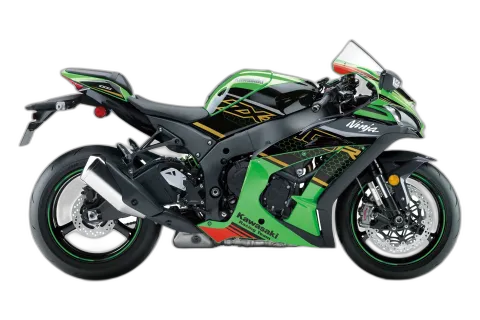
Kawasaki Ninja ZX-10R KRT (MY2018)
The Track That Bites Back
About the same used price as this bike at 6 yr