
MV Agusta F4 (MY2014) — Supersport
MV Agusta Press

2014–2019 · Supersport · Buyer's Guide

F4 (MY2014)

4.5 / 5 NastyNils Rating · against its class

Italian Art That Bites Back

The Machine's Character

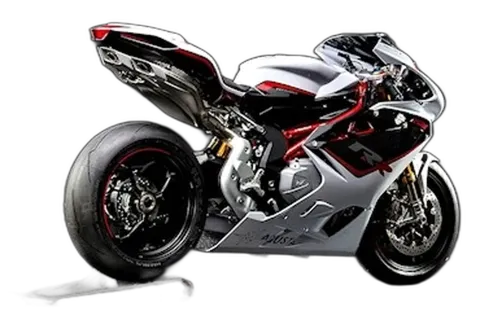
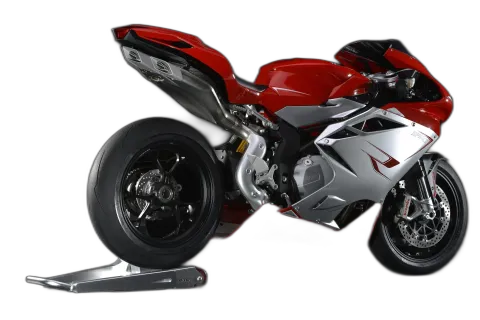
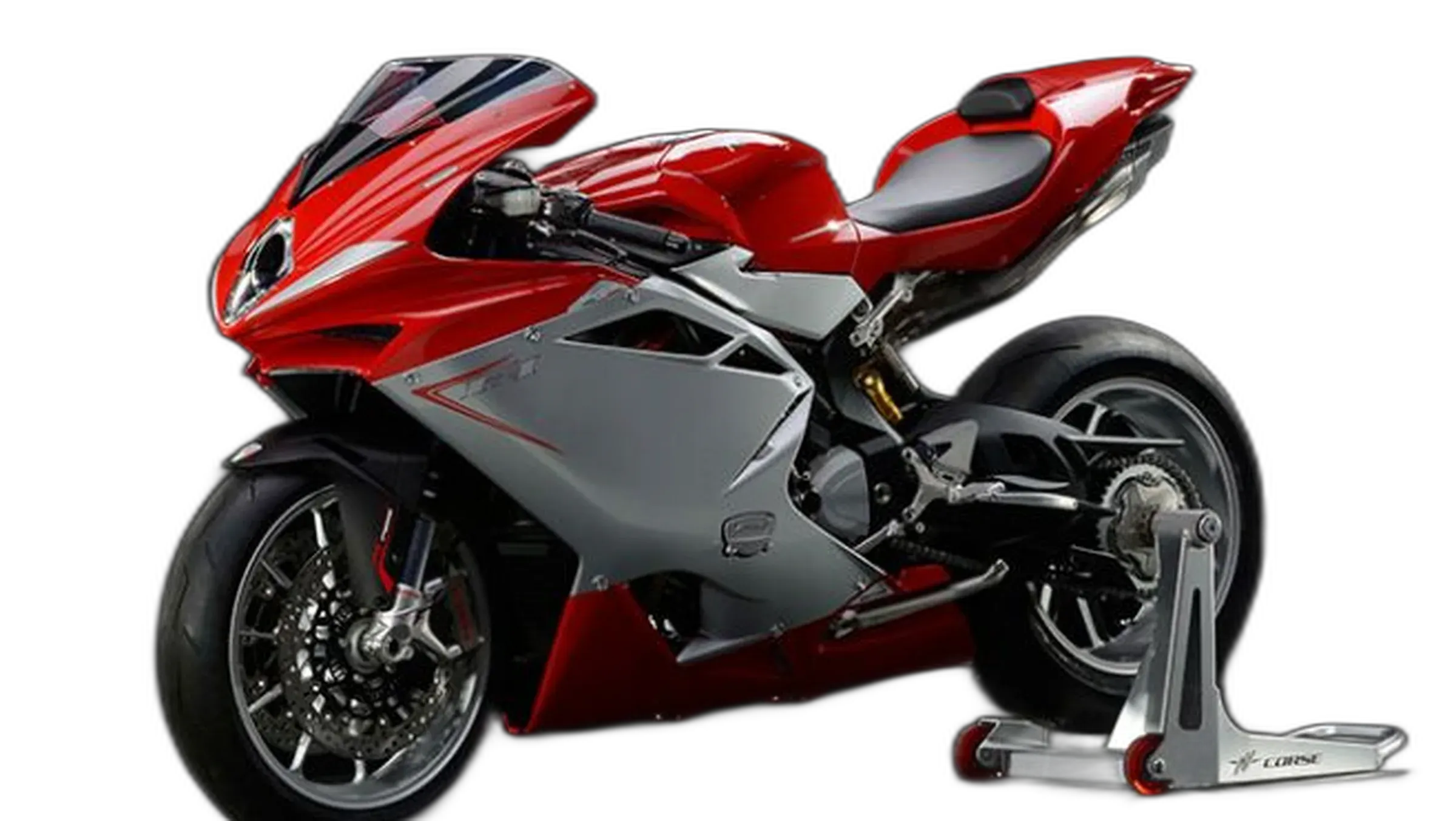
The F4 is the last full expression of Massimo Tamburini's superbike shape, and MV never softened it. The short-stroke 998 cc inline-four makes 195 hp at 13,400 rpm and puts most of its 82 lb-ft near 9,600 rpm, so the bike lives in the upper half of the tach and sings through the four pipes stacked under the tail. A tubular steel trellis frame refined over years of production carries fully adjustable suspension front and rear, with ABS, traction control and ride modes handling the electronic side. Exclusivity is not a marketing line here. It is simply how few of these exist.

At road pace the F4 rewards a rider who commits. It holds a line with real precision, the chassis talks back constantly, and lean clearance is deep enough that you run out of nerve long before you run out of tire. This is a bike for experienced riders who want drama and beauty in equal measure and will forgive the rest. The caveat is real: heat builds badly in stop-and-go traffic, enough to melt cooling fan blades and warp the lower belly pan on some bikes, and the electronic package here is a straightforward ABS and traction setup rather than a modern IMU-based suite.

Hard Numbers

Spec sheets don't ride bikes, but they set the baseline.

Show full specs & equipment Hide specs & equipment
Key specifications
Power 195 hp (143 kW) @ 13,400 rpm
Torque 82 lb-ft (111 Nm) @ 9,600 rpm
Displacement 998 cc
Engine Inline-four
Cooling Liquid-cooled
Gearbox 6-speed
Final drive Chain
Front tire 120/70-17
Rear tire 200/55-17
Wheelbase 56.3 in (1430 mm)
Seat height 32.7 in (830 mm)
Wet weight 463 lb (210 kg)
Fuel capacity 4.5 gal (17 L)

Equipment check

Chassis

  • Front Suspension Adjustable Standard
  • Rear Suspension Adjustable Standard

Safety

  • ABS Standard
  • Traction Control Standard
  • Ride Modes Standard

The Voice of Experience

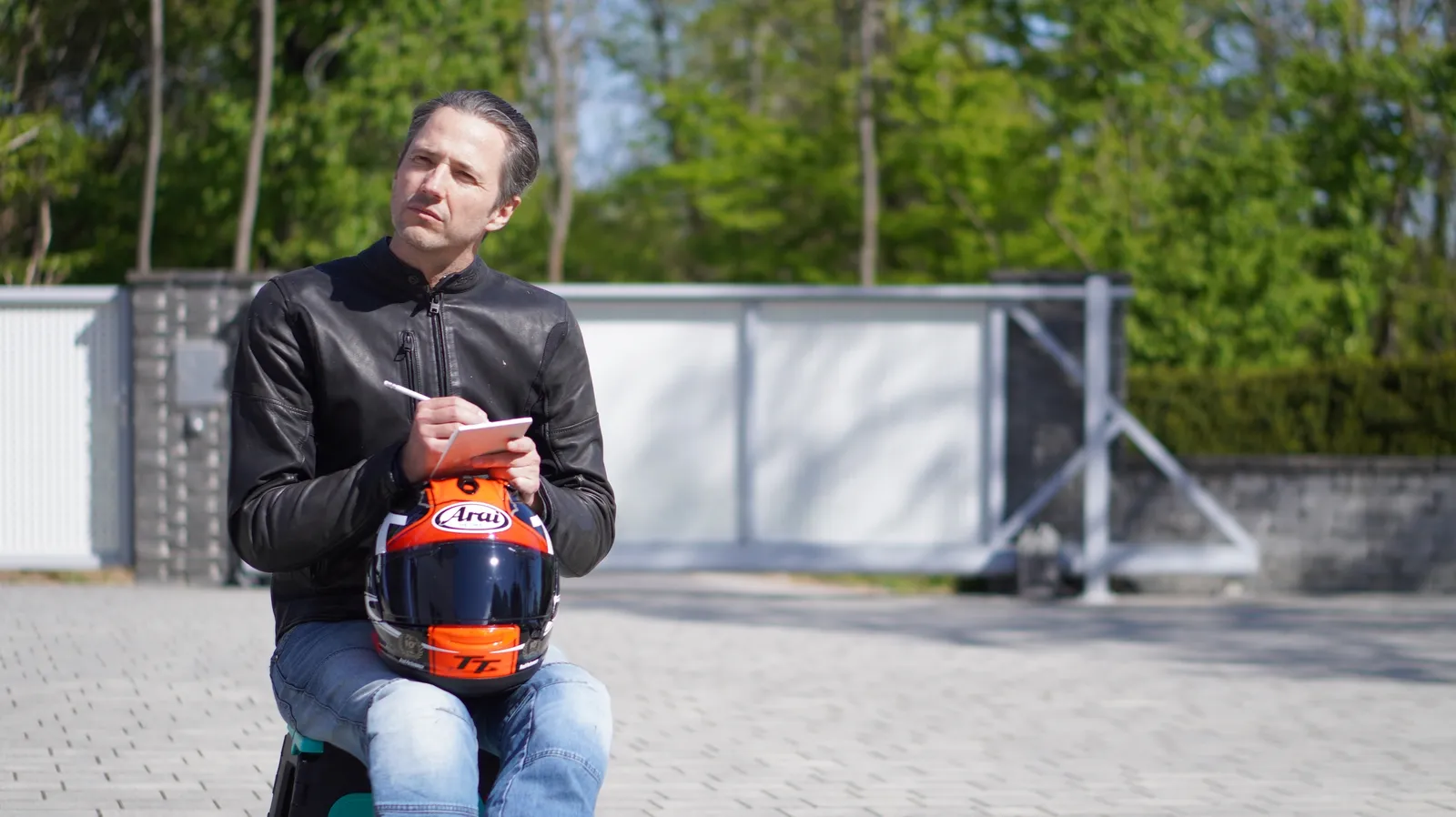
Portrait of NastyNils

The test ride

You notice the noise first. Nothing else puts the exhaust that close to your spine, and above 8,000 rpm the four-pipe howl arrives with a hard metallic edge that you feel in your chest as much as hear. The riding position is committed and narrow, a 32.7 in seat with a long stretch to the bars, so weight sits on your wrists whenever the pace drops. Vibration stays fine-grained through the pegs, more texture than nuisance. The suspension is genuinely premium, firm without being brittle, and it feeds surface detail up through the tank and bars in a way cheaper hardware never manages. Then there is the sensation of just sitting on it. At 463 lb wet it feels dense and narrow between your knees, and every surface you look down at was clearly drawn by someone who cared.

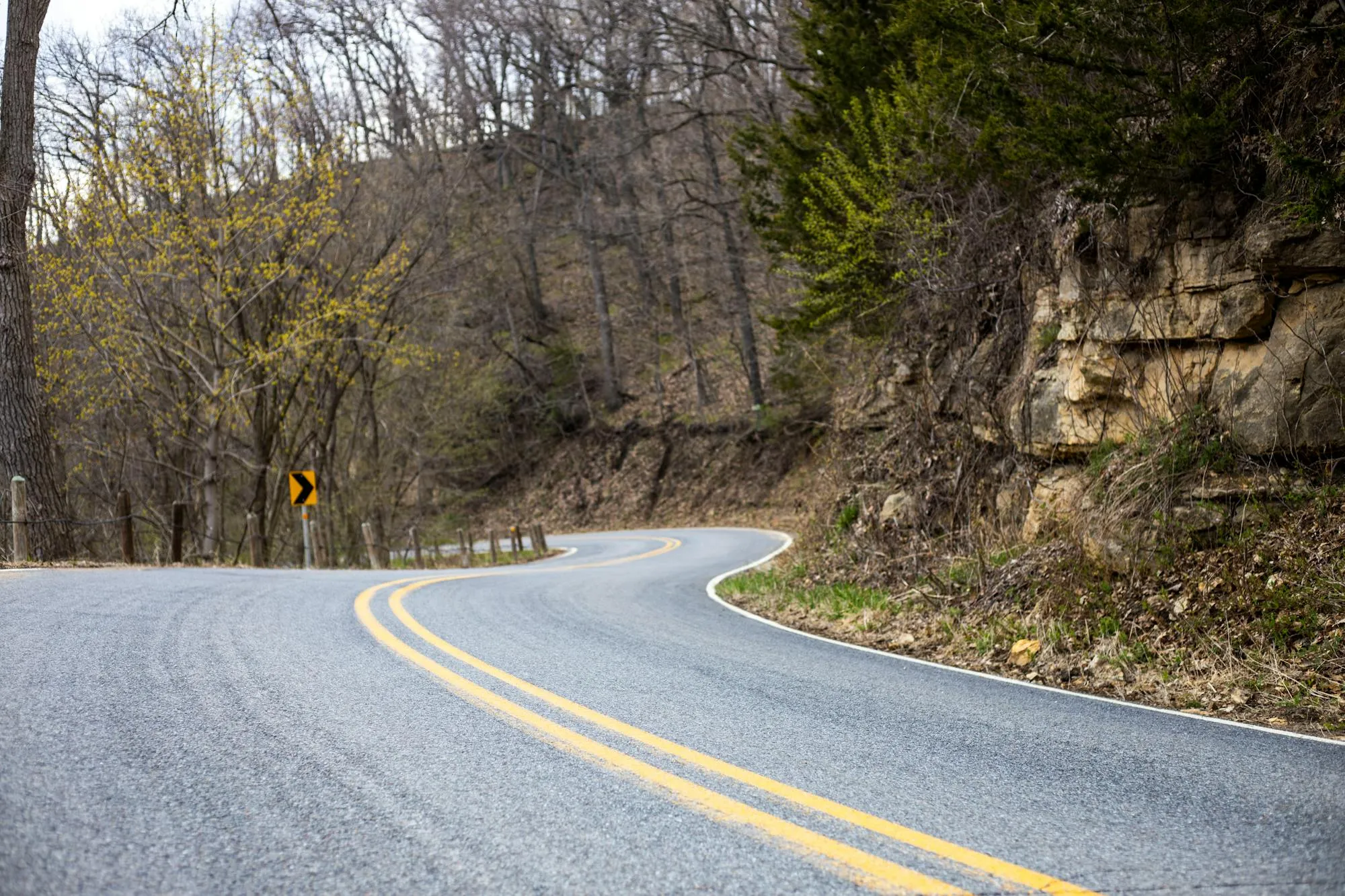
A winding two-lane asphalt road in the Appalachian mountains, photographed in dry daylight. Yellow double-center line markings guide through a series of tight left-hand curves. Dense deciduous and evergreen forest flanks both sides; a rock cut is visible on the right. The road surface and geometry suggest a technical, high-traffic riding corridor popular with motorcyclists.
Chris Flaten / Pexels

The Truth on the Street

None of this is my own test miles. It comes from years of listening: talk at track days, club evenings, and the messages owners send me directly. On the F4 the pattern is unusually clean. The praise barely varies, and neither do the complaints.

Where the owners all agree

Riders open with the way it looks. The shape and the detailing get discussed the way people discuss objects they own, not machines they use. The engine follows: a motor that wakes up at the top of the tach with a sound to match, rewarding anyone willing to ride it hard. Handling is the third theme, called sharp and communicative, and it explains most of the track talk. Brakes come up less, though the owners who mention them talk about real confidence under braking.

The complaints that keep coming back

The cockpit draws the first complaint, mostly from taller riders who find the pegs high, the bars low, and the whole thing wearing at street pace. Heat in slow traffic is the other steady theme. Parts supply comes up often, along with the reliability stigma the marque has never shaken. Fewer raise the mass under braking and in quick transitions, or a delivery with dips that makes clean corner exits work.

Known issues

  • Brembo front brake master cylinder recall

    brakes rare Recall

    A potential defect in the front brake master cylinder could cause brake failure. MV Agusta issued a safety recall (NHTSA 17V839000) for affected F4 models.

  • Overheating and cooling system inadequacy

    cooling occasional

    The F4 is prone to severe heat buildup in stop-and-go traffic due to poor radiator airflow. This can melt plastic cooling fan blades and warp the lower belly pan, especially on earlier production runs.

  • Intermittent engine cutting out / stalling

    electrics occasional

    Several owners report the engine suddenly cutting out when decelerating or downshifting, requiring a key cycle to restart. The cause is generally traced to the engine management wiring and its connectors rather than the engine itself.

The Expert Benchmark

Where this MV Agusta F4 pulls ahead of — or falls behind — its rivals on the numbers, and the typical bike in its class on character.

What kind of bike this is — character vs. the class

This bike Class average

The shape of the MV Agusta F4 — numbers and character vs. the average Supersport

Head-to-head: MV Agusta F4 vs. its rivals

The Handshake Score

Forget spec-sheet bragging. Here's who the F4 is actually built for.

A scenic view of Angeles Crest Highway winding through rugged Southern California canyon terrain. Rocky mountainsides with golden earth tones frame the asphalt road with tight sweeping curves. Double yellow center line visible, sparse vegetation along the shoulders, clear blue sky with white clouds. Daylight, dry conditions. Iconic location for canyon-road enthusiasts.
Josh Sorenson / Pexels

Best motorcycle for Laguna Seca?

On a closed circuit the F4 makes sense: precise, stable, and endlessly leaned over. Just know the rider aids are basic by current standards, so the safety net is thinner than you may be used to.

Made for Barber Motorsports Park · WeatherTech Raceway Laguna Seca · Circuit of the Americas
Best motorcycle for Angeles Crest?

Perfect once you clear the LA traffic, difficult while you are still in it. If your ride starts with 40 minutes of gridlock, the heat will test your patience before the canyon rewards you.

Made for Angeles Crest Highway · Coronado Trail / US 191 · Highway 1 / Big Sur

Best motorcycle for Tail of the Dragon?

The precision and feedback suit tight, repeated corner work beautifully. The committed riding position is the trade, and your wrists will notice on the long slab ride home.

Made for Back of the Dragon · Blue Ridge Parkway · Cherohala Skyway

What's new versus the previous generation

If you're cross-shopping the older generation, here's what changed.

MV Agusta F4 1000 (MY2010)

Previous generation · 2010–2011

MV Agusta F4 1000 (MY2010)

Italian Fire, Maximum Lean

Compare to the previous model →

Variants, Models & Special Editions

The MV Agusta F4 also comes in these variants, models and special editions. Each has its own page covering only what differs from the standard F4 — equipment, electronics, specs and used price.

Alternatives to the MV Agusta F4

If this one isn't quite the fit, these are the bikes worth riding back-to-back against it.

Any price note compares both bikes at the same age — the youngest age both have on the used market — against this MV Agusta F4. “cheaper/pricier” is what that bike costs second-hand, not how worn it is.