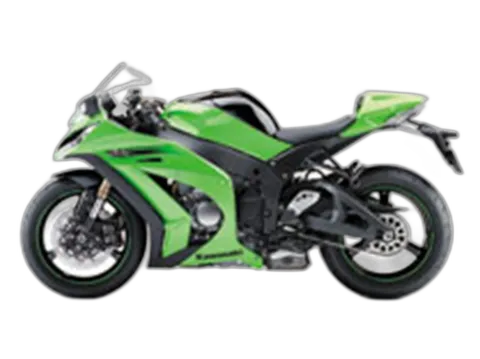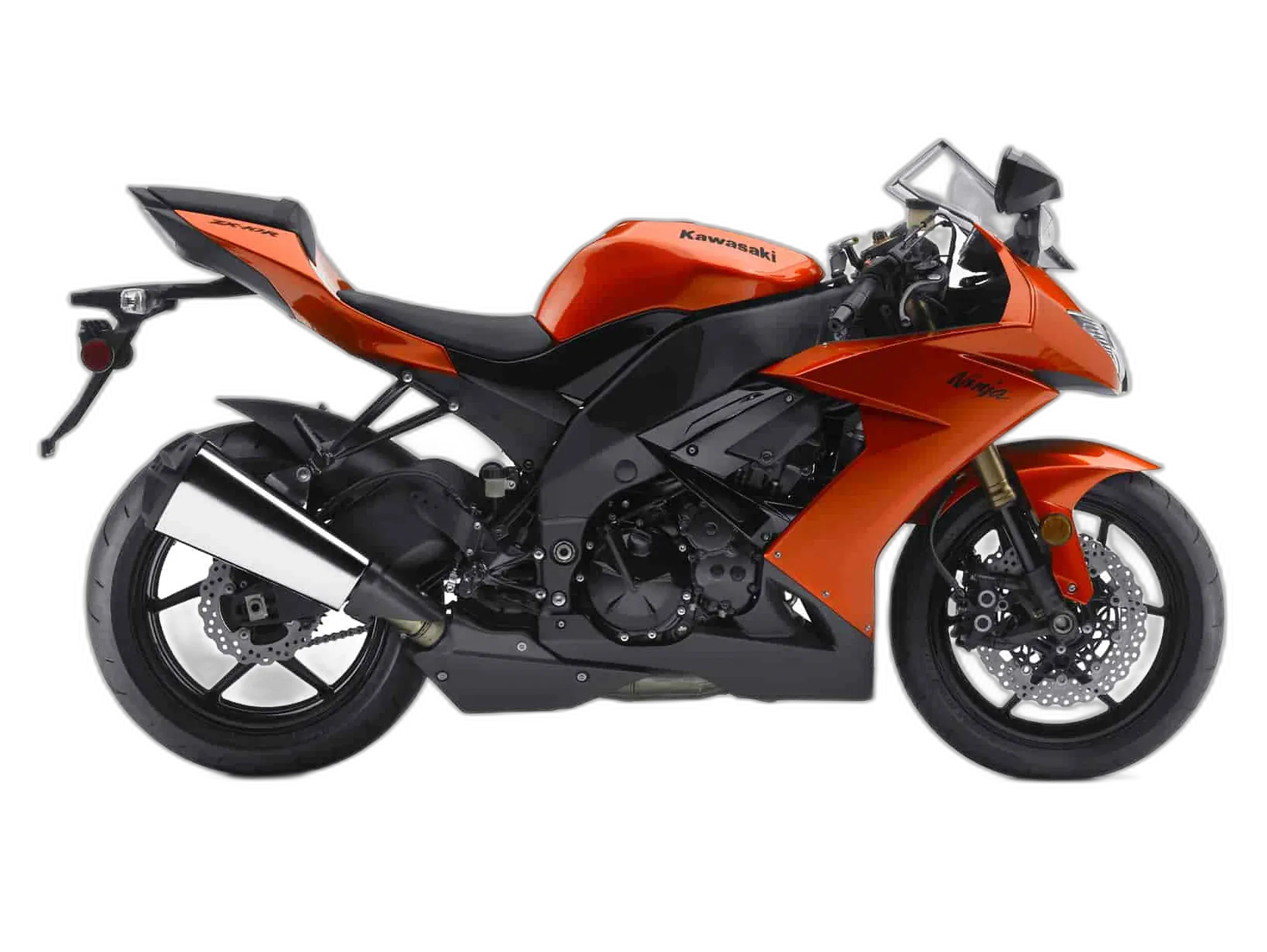
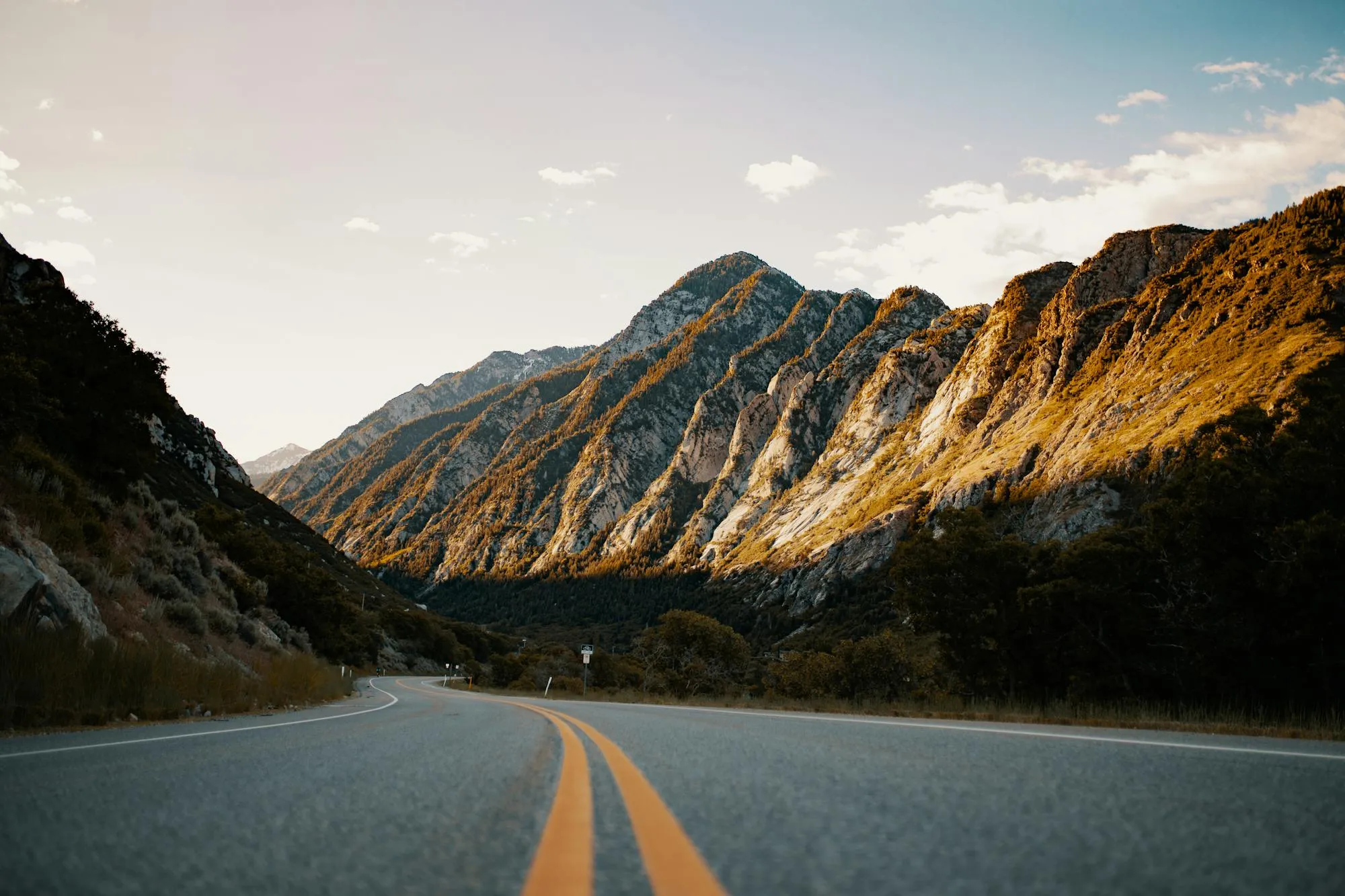
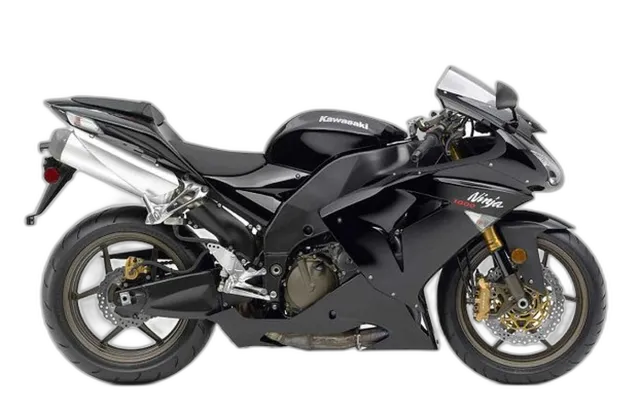
Kawasaki Ninja ZX-10R (ZXT00E) — Supersport
Kawasaki Press

2008–2010 · Supersport · Buyer's Guide

Ninja ZX-10R (ZXT00E)

TC That Stays Invisible

The Machine's Character

The ZXT00E is a 998 cc inline-four making 187 hp and 83 lb-ft, with very little sitting between your right wrist and the rear tire. There is no ride-by-wire on it. ECU-controlled secondary butterflies per cylinder handle the smoothing instead, and the fueling stays clean right from a fully closed throttle. The chassis is compact but long enough through the wheelbase to stay calm at speed, fully adjustable front and rear, with a steering damper and a slipper clutch fitted from the factory. In its class it is the mechanical option: no rider aids to lean on, no modes to scroll through.

This is a bike tuned to make you faster, not to reassure you, and it rewards a rider who already knows what they're doing. The real event starts past 7,000 rpm, and the tall gearing means you rarely see the top of it on a public road. It suits the experienced rider who wants a liter bike that answers directly. Ownership is where you look closely: a ticking cam chain tensioner tends to show up around 20,000 miles, stock clutch baskets have cracked under hard launches and wheelies, and early 2008 machines saw shift fork wear that was addressed for the 2009 model year.

Hard Numbers

Spec sheets don't ride bikes, but they set the baseline.

Show full specs & equipment Hide specs & equipment
Key specifications
Power 187 hp (138 kW)
Torque 83 lb-ft (113 Nm)
Displacement 998 cc
Engine Inline-four
Cooling Liquid-cooled
Gearbox 6-speed
Final drive Chain
Front tire 120/70-17
Rear tire 190/55-17
Seat height 32.7 in (830 mm)
Wet weight 459 lb (208 kg)
Fuel capacity 4.5 gal (17 L)

Equipment check

Chassis

  • Front Suspension Adjustable Standard
  • Rear Suspension Adjustable Standard
  • Steering Damper Standard

Drivetrain

  • Slipper Clutch Standard

The Voice of Experience

Portrait of NastyNils

The test ride

The first surprise is that the riding position is livable. The bars aren't punishing, the tank gives your forearms something to brace against, and at 32.7 in the seat sits tall without feeling remote. Then you get moving and the engine tells you what it is. There's a hard metallic edge to the intake once the revs climb, and a steady buzz through the pegs and bars that never fully goes away. Second gear covers most of a back road, so on real roads you spend more time waiting for space than working the lever. Rolling out of the pits at walking pace, the clutch takes concentration to feather. Once you're up and riding hard, the shift lever wants a firmer boot than you'd expect. Nothing here feels fragile. It just asks for commitment before it gives anything back.

Rated point by point — where it earns its keep

My own 0–100 score for this bike against the class, area by area — the marker on each bar is the class average.

Through the tight stuff I never once had to persuade it. I set an entry and the bike is already there, quicker into the direction change than the generation before it, and once it's on the line it holds without me correcting anything. What matters just as much is that the sharpness costs nothing elsewhere. Hard on the front, early on the throttle, or stretched out on the straight, it stays still, and it doesn't trade one of those away to be good at another.

This machine was built around lap time, not around making its rider feel good. There's no encouragement handed out for a tidy, moderate pace, and if you stay under what it's capable of, you'll come away wondering what the fuss is about, because nothing comes back at you at all. It starts giving only once you genuinely commit, which reads to me as a deliberate decision by Kawasaki rather than something they missed.

Consistency is what I ended up trusting here. I made full-speed stops down the front straight over and over, and the lever was telling me the same thing at the end of the session as it was at the start, so I could keep using one marker instead of second-guessing it every lap. The back of the bike helps as much as the front does. Under heavy deceleration it stays in line behind you rather than stepping out, which is why that phase never turns into a negotiation.

What makes this motor usable when you're going hard is that it never surprises you. The delivery climbs in one continuous line with no step anywhere in it, so leaving a corner I'm thinking about where the bike is pointed rather than rationing out how much throttle I dare use. Picking it back up from fully shut is just as tidy, and it manages that without ride-by-wire, leaning on ECU-controlled secondary butterflies in each cylinder to do the smoothing for it.

The controls are the part that asks something of you. Leaving the pit lane at a crawl, I had to concentrate to get the clutch to take up smoothly, which is more attention than that job should ever need, and it frees up only once there's speed underneath you. The gearbox carries a similar attitude when the pace is high: through quick, committed laps every change wanted a firm, deliberate foot rather than a flick. Neither one is a fault. Both simply feel a generation behind the rest of the motorcycle.

One thing to settle before you plan any upgrades: a quickshifter is not a bolt-on here. The complete kit ECU has to go into the bike first, which parks a feature plenty of riders would happily pay for on the far side of a full race build. For anyone who wants the convenience without the rest of the project, there's no route to it. Kawasaki left that one on the table.

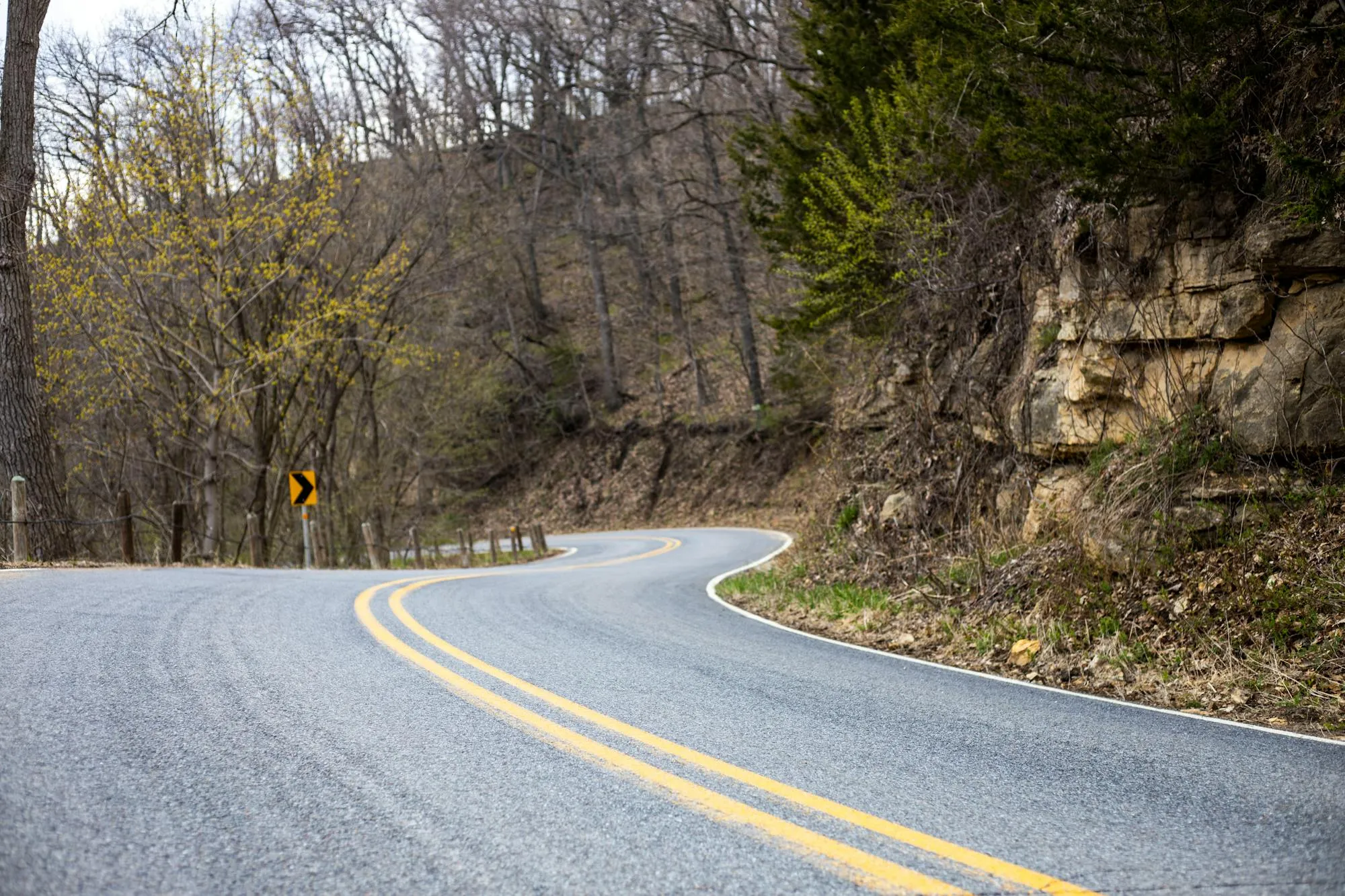
A winding two-lane asphalt road in the Appalachian mountains, photographed in dry daylight. Yellow double-center line markings guide through a series of tight left-hand curves. Dense deciduous and evergreen forest flanks both sides; a rock cut is visible on the right. The road surface and geometry suggest a technical, high-traffic riding corridor popular with motorcyclists.
Chris Flaten / Pexels

The Truth on the Street

Known issues

  • Regulator/rectifier recall (12V064000)

    electrics common Recall

    A faulty voltage regulator/rectifier can insufficiently charge the battery, potentially causing the motorcycle to stall without warning. Kawasaki recalled affected 2008‑2010 ZX‑10Rs and replaced the unit free of charge.

  • Clutch basket failure under hard use

    drivetrain occasional

    Aggressive launches or wheelies can cause the stock clutch basket to crack or explode. Welding the rivets or fitting a billet basket is recommended for drag racing or stunting.

  • Shift fork problems (early 2008 models)

    drivetrain rare

    Some early 2008 machines experienced shift fork wear leading to missed shifts; the issue was addressed for the 2009 model year.

  • Cam chain tensioner noise

    engine rare

    A ticking noise from the engine can indicate a worn cam chain tensioner, typically appearing around 20,000 miles.

The Expert Benchmark

Where this Kawasaki Ninja ZX-10R pulls ahead of — or falls behind — its rivals on the numbers, and the typical bike in its class on character.

What kind of bike this is — character vs. the class

This bike Class average

The shape of the Kawasaki Ninja ZX-10R — numbers and character vs. the average Supersport

Head-to-head: Kawasaki Ninja ZX-10R vs. its rivals

The Handshake Score

Forget spec-sheet bragging. Here's who the Ninja ZX-10R is actually built for.

A scenic view of Angeles Crest Highway winding through rugged Southern California canyon terrain. Rocky mountainsides with golden earth tones frame the asphalt road with tight sweeping curves. Double yellow center line visible, sparse vegetation along the shoulders, clear blue sky with white clouds. Daylight, dry conditions. Iconic location for canyon-road enthusiasts.
Josh Sorenson / Pexels

Best motorcycle for Angeles Crest?

The precision is what you'll actually use up there: quick direction changes, a line it holds, brakes that don't fade on a long descent. The top-end lives well above what any canyon safely gives you.

Made for Angeles Crest Highway · Coronado Trail / US 191 · Highway 1 / Big Sur
Best motorcycle for Laguna Seca?

Best fit on this list. Huge lean clearance, brakes that stay consistent across a session, and a chassis that stays planted. With no electronic net, throttle discipline and setup are entirely on you.

Made for Barber Motorsports Park · WeatherTech Raceway Laguna Seca · Circuit of the Americas

Best motorcycle for Tail of the Dragon?

Turn-in is fast and the line holds, which is the whole game on the Dragon. Tall gearing and a gearbox that stiffens under committed riding are what you'll fight on the tightest sections.

Made for Back of the Dragon · Blue Ridge Parkway · Cherohala Skyway

What's new versus the previous generation

If you're cross-shopping the older generation, here's what changed.

Kawasaki Ninja ZX-10R (ZXT00D)

Previous generation · 2006–2007

Kawasaki Ninja ZX-10R (ZXT00D)

175 Horses You Can Actually Use

Compare to the previous model →