·

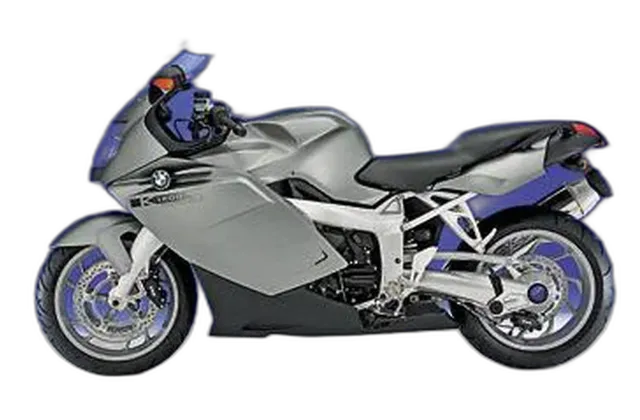
BMW K 1300 S (K40) — Sport Tourer
BMW Press

2009–2016 · Sport Tourer · Buyer's Guide

K 1300 S (K40)

175 Horses, Shaft Drive

The Machine's Character

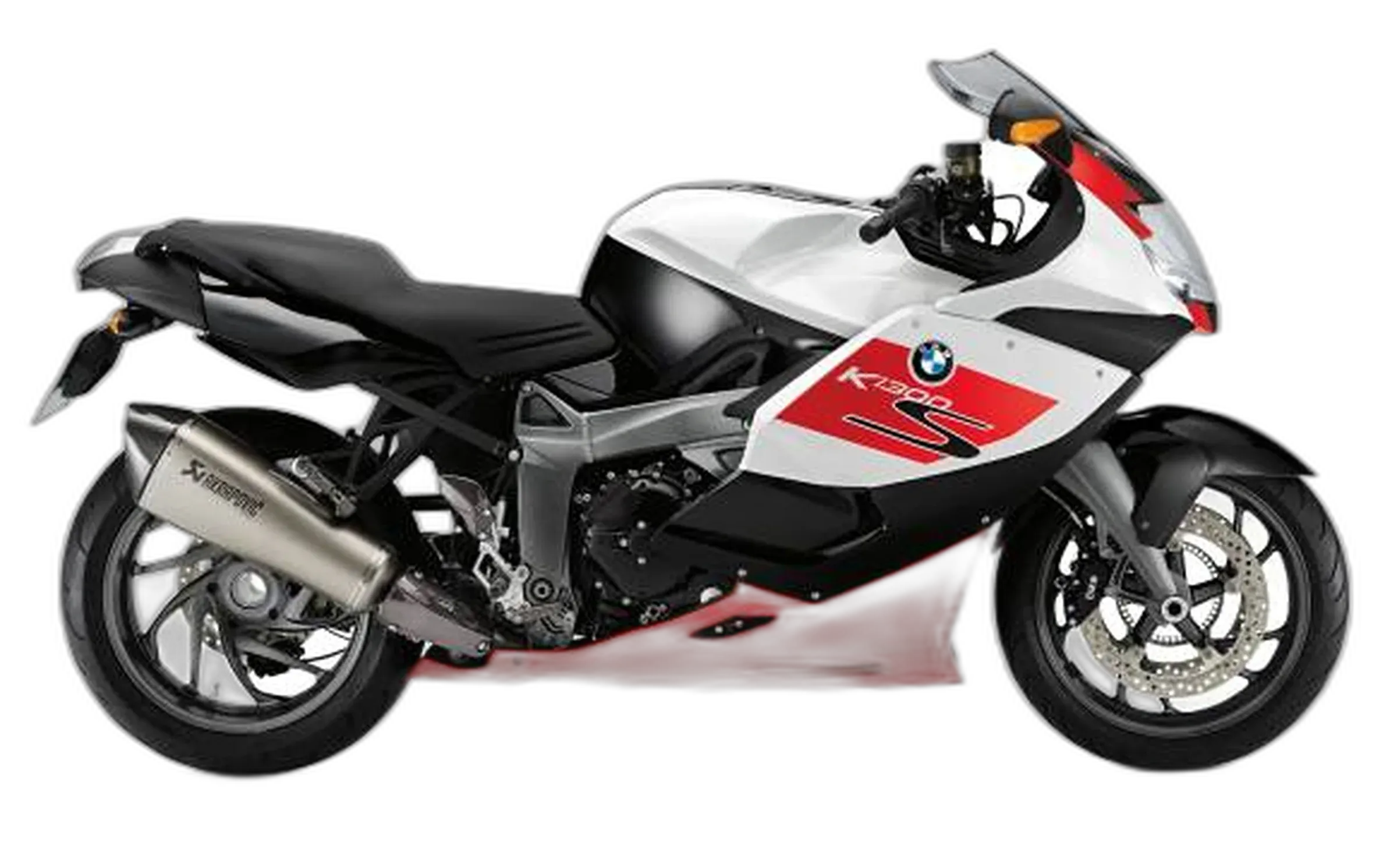
The K 1300 S runs a 1293 cc inline-four making 175 hp and 103 lb-ft, and it sends drive through a shaft instead of a chain. There is no conventional fork up front. The Duolever front end keeps braking loads out of the steering, and it gives the bike a flat, planted attitude under hard use that very little in this class matches. BMW Integral ABS Generation II is standard, the wheelbase is a long 62.4 inches, and the whole layout points one way: a sport-tourer built around speed and stability first, luggage second.

It rides like a machine that shrinks the map. This is the bike for the rider who wants a 300 mile day to end with something left in reserve, and who would rather have top-end reach than a full set of cases. It ages on maintenance, not on mileage. The cam drive chain and tensioner are a known weak point and want inspecting early, the low-mounted radiator collects road grime and needs regular cleaning, and cruise control was never part of the package, so long interstate stretches are done the old way. BMW ESA sits on the options list, and it is the box worth having ticked.

Hard Numbers

Spec sheets don't ride bikes, but they set the baseline.

Show full specs & equipment Hide specs & equipment
Key specifications
Power 175 hp (129 kW) @ 9,250 rpm
Torque 103 lb-ft (140 Nm) @ 8,250 rpm
Displacement 1293 cc
Engine Inline-four
Cooling Liquid-cooled
Gearbox 6-speed
Final drive Shaft
Fork Duolever
Front brake 320 mm
Front tire 120/70 ZR 17
Rear tire 190/55 ZR 17
Wheelbase 62.4 in (1585 mm)
Seat height 32.3 in (820 mm)
Wet weight 560 lb (254 kg)
Fuel capacity 5.0 gal (19 L)
Top speed 174 mph (280 km/h)
Fuel economy 45 mpg (US)

Equipment check

Chassis

  • Electronic Suspension BMW ESA (Electronic Suspension Adjustment) Damping tuning to styleAuto load leveling Optional
  • Front Suspension Adjustable Optional
  • Rear Suspension Adjustable Standard

Comfort

  • Heated Grips Optional
  • Luggage System Optional

Connectivity

  • Tire Pressure Monitoring (TPMS) Optional

Drivetrain

  • Quickshifter Optional

Safety

  • ABS BMW Integral ABS Generation II Stronger consistent brakingFirm brake lever feel Standard
  • Traction Control Optional

The Voice of Experience

Portrait of NastyNils

The test ride

Swing a leg over and the K feels big before it feels fast. The 32.3 inch seat puts you high in the air, the bars come back far enough that your wrists carry almost nothing, and the 560 pounds sit low enough that walking pace stops being a worry once you trust it. The four is smooth in a hard, mechanical way, and the intake note sharpens as the revs climb without ever getting shouty. Vibration through the pegs and bars stays low, which is why the miles stack up without your hands going numb. The shaft takes chain snatch out of the equation entirely, so your feet and left hand simply do less work over a long day. At real road pace the fairing pushes air over your shoulders and the bike settles into a gait it will hold for hours.

Sunset over the Adriatic Sea near Primosten, Croatia. Golden hour light bathes calm water in warm tones, with a small sailboat on the distant horizon. Rocky vegetation frames the right foreground. Clear skies and gentle conditions.

The Truth on the Street

None of this comes from my own miles on the K 1300 S. It is the record of what owners have told me over the years: workshop-yard talk, club evenings, and the notes riders send after a season with one. The accounts agree more than they disagree, and they split along one line: what the bike does once it is moving, and what it asks of you when it is not.

What Owners Praise First

The motor leads every account. Owners describe pull available wherever the revs sit, strong enough that they stop planning ahead for it. Ergonomics come next: riders report full days in the saddle without giving up the sporty edge. Brakes draw steady praise for stopping force and for ABS that stays in the background. Owners finished with chain upkeep single out the shaft drive, and composure at motorway speed turns up again and again.

Where The Weight Shows Up

Weight is the complaint nearly everyone raises. Slow-speed work is where owners say it turns into a job. Past that the reports thin. A few describe snatchy fueling low down in town. Some who ticked the electronic suspension option report the damping fading at high mileage, and a heavy bill. Others say the electronics fell behind rivals.

Known issues

  • Engine stalling at low RPM (recall)

    fuel system occasional Recall

    Early 2009-2010 models experienced stalling due to throttle body deposits; fixed via ECU software update.

  • Catastrophic connecting rod failure

    engine very common

    Rare instances of connecting rod breaking through engine case, often attributed to oil starvation or manufacturing defect.

  • CAM drive weakness

    engine rare

    The cam drive chain/tensioner is a known weak point and may require early inspection and potential replacement.

  • Radiator easily clogged by debris

    cooling common

    The low-mounted radiator picks up road grime and requires frequent cleaning to prevent overheating.

  • Switchgear failure (recall)

    fuel system occasional Recall

    Faulty handlebar switches for indicators and kill switch were recalled and replaced under warranty.

  • Clutch judder in stop-start traffic

    drivetrain occasional

    Owners report clutch judder during low-speed maneuvers, particularly noticeable in heavy traffic.

  • Final drive seal leak

    drivetrain rare

    Some units develop a final drive seal leak, requiring replacement under warranty or at owner expense.

The Expert Benchmark

Where this BMW K 1300 S pulls ahead of — or falls behind — its rivals on the numbers, and the typical bike in its class on character.

What kind of bike this is — character vs. the class

This bike Class average

The shape of the BMW K 1300 S — numbers and character vs. the average Sport Tourer

Head-to-head: BMW K 1300 S vs. its rivals

The Long-Haul Verdict

Forget spec-sheet bragging. Here's who the K 1300 S is actually built for.

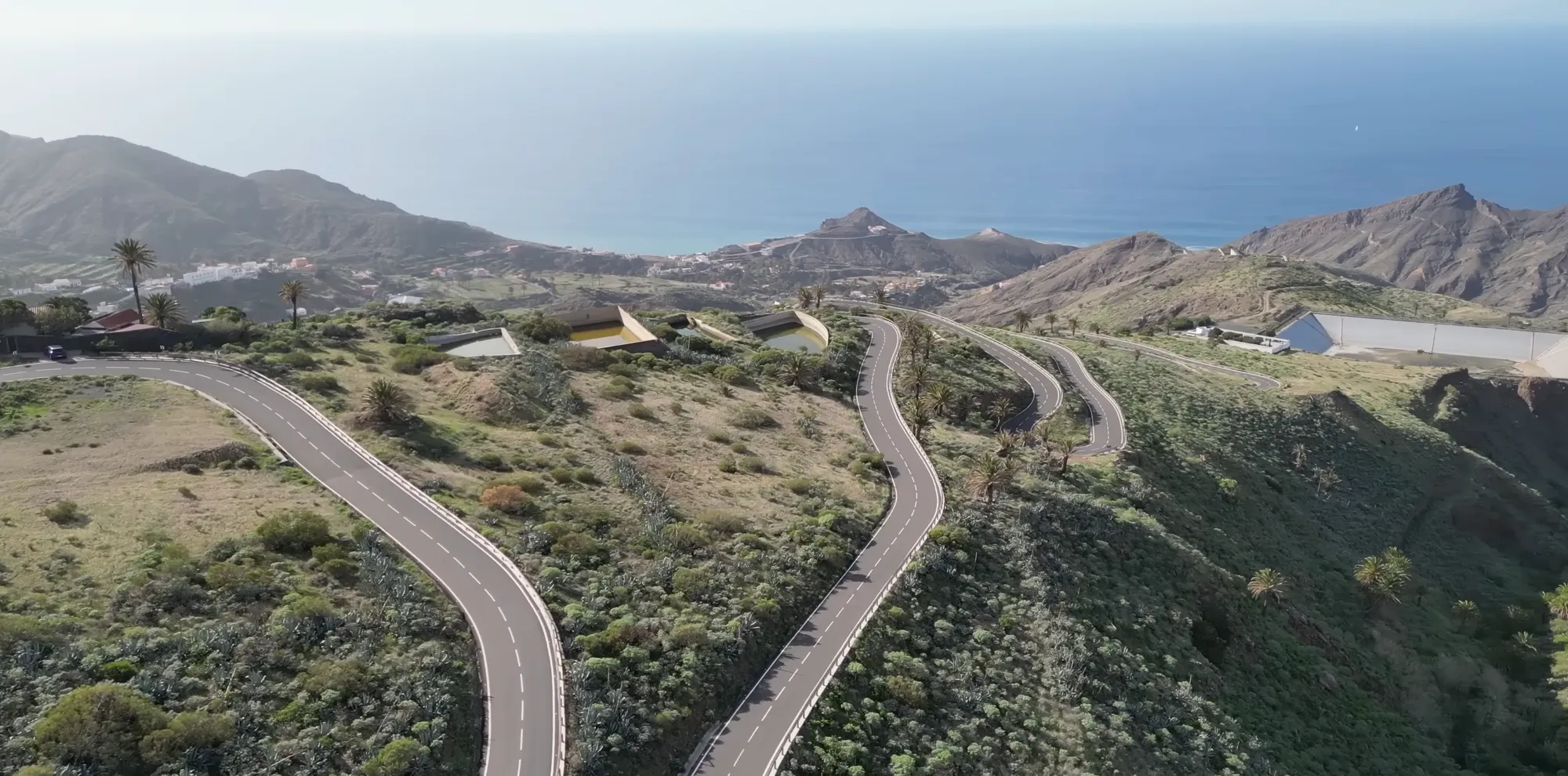
Aerial view of a winding asphalt road cutting through volcanic terrain on La Gomera, Canary Islands. The road curves through sparse green vegetation with rocky volcanic peaks visible in the background and a settled valley to the left. Clear lane markings, dry climate, partly cloudy sky.

Best motorcycle for Highway 1?

This one fits you. It holds a fast, comfortable gait for 300 mile days on Highway 1 or the Blue Ridge and still has the clearance to enjoy the corners, without turning into a bagger.

Made for Black Hills · Blue Ridge Parkway · Cherohala Skyway
Best motorcycle for Tail of the Dragon?

It leans further and carries more speed than its size suggests, and the Duolever front end stays honest. On the tightest, most repetitive corners, though, it is a lot of bike to keep rotating.

Made for Back of the Dragon · Blue Ridge Parkway · Cherohala Skyway

Best motorcycle for Angeles Crest?

Angeles Crest suits it far better than a narrow canyon road. You get real drive out of open corners and total stability at speed, but it wants room to work rather than constant direction changes.

Made for Angeles Crest Highway · Coronado Trail / US 191 · Highway 1 / Big Sur

What's new versus the previous generation

If you're cross-shopping the older generation, here's what changed.

BMW K 1200 S (K40)

Previous generation · 2005–2008

BMW K 1200 S (K40)

Speed That Outlasts Your Nerve

Compare to the previous model →

Alternatives to the BMW K 1300 S

If this one isn't quite the fit, these are the bikes worth riding back-to-back against it.

Any price note compares both bikes at the same age — the youngest age both have on the used market — against this BMW K 1300 S. “cheaper/pricier” is what that bike costs second-hand, not how worn it is.