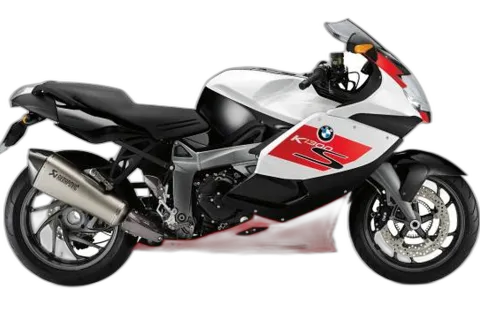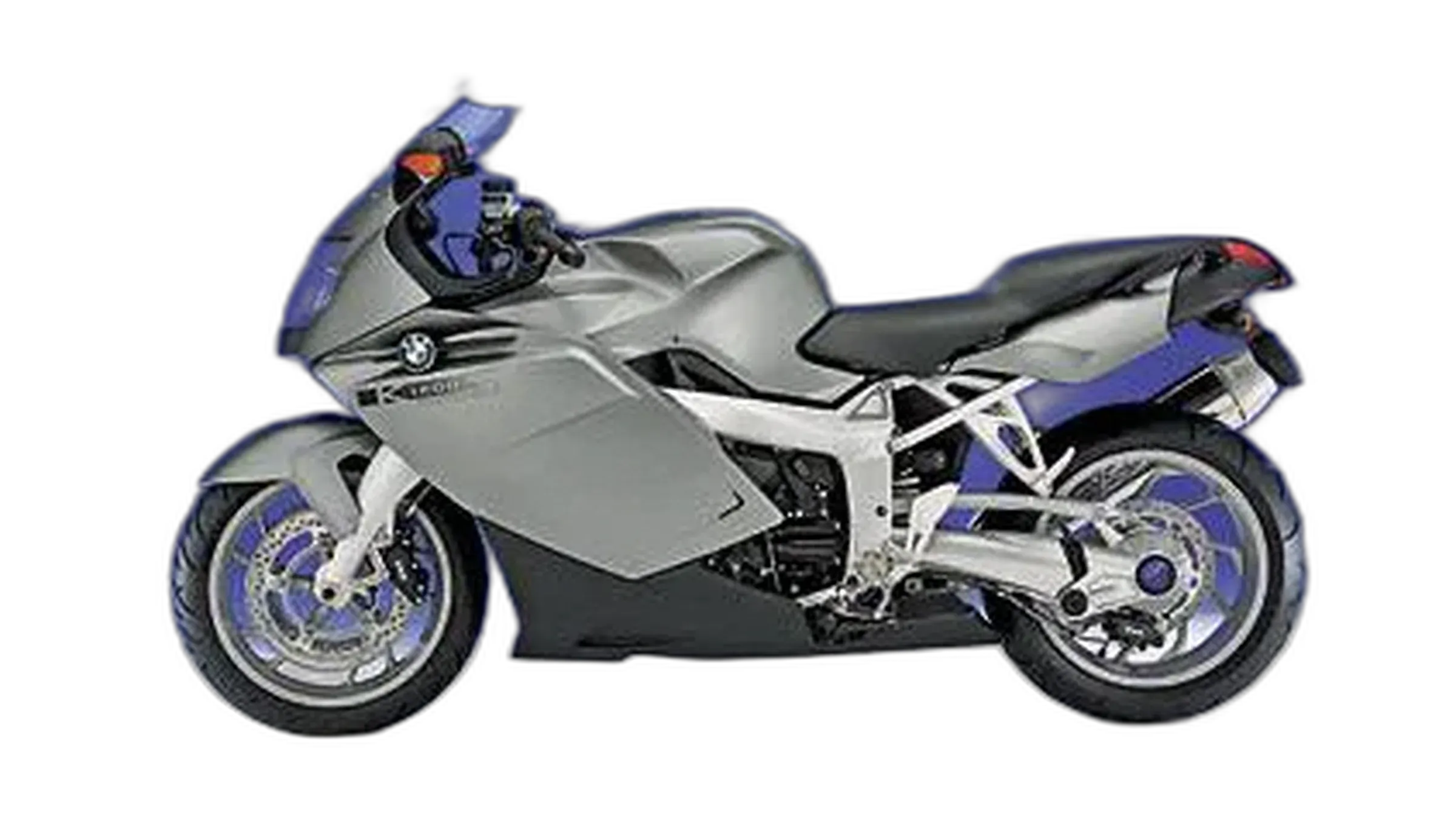
BMW K 1200 S (K40) — Sport Tourer
NastyNils / BMW Press

2005–2008 · Sport Tourer · Buyer's Guide

K 1200 S (K40)

Speed That Outlasts Your Nerve

The Machine's Character

The K 1200 S is BMW's hyper-tourer, a 1157 cc inline-four that makes 167 hp and runs to a genuine 170 mph. The headline isn't really the power figure, though. It's the Duolever front end, which separates braking loads from the steering and gives the bike a planted, isolated feel a conventional fork can't match. Shaft drive puts that power down cleanly, and ESA suspension sat on the options list for riders who wanted to adjust damping on the move. This is a big four built to compress distance at serious speed, not to chase apexes.

On open, fast roads is where the K makes sense. It settles the quicker you go, holds its line over bad pavement, and shrugs off throttle inputs that would upset lighter machines. The trade-off is real: it takes deliberate effort to flick through tight, technical corners, so committed twisty riders will feel the weight and wheelbase working against them. This is a rider who covers big daily miles and values composure over agility. Buy on history, not just looks. These Ks reward a documented service record, because the final drive, the ABS unit, and the cam chain tensioner can each run up real bills.

Hard Numbers

Spec sheets don't ride bikes, but they set the baseline.

Show full specs & equipment Hide specs & equipment
Key specifications
Power 167 hp (123 kW) @ 10,250 rpm
Torque 96 lb-ft (130 Nm) @ 8,250 rpm
Displacement 1157 cc
Engine Inline-four
Bore × stroke 79 × 59 mm
Compression 13:1
Cooling Liquid-cooled
Fuel system Fuel injection
Gearbox 6-speed
Final drive Shaft
Frame Aluminum twin-spar
Fork Duolever
Front brake 320 mm
Rear brake 265 mm
Front tire 120/70-17
Rear tire 190/50-17
Wheelbase 61.9 in (1572 mm)
Seat height 32.3 in (820 mm)
Wet weight 500 lb (227 kg)
Fuel capacity 5.0 gal (19 L)
Top speed 170 mph (274 km/h)
Fuel economy 34 mpg (US)

Equipment check

Chassis

  • Electronic Suspension Optional
  • Rear Suspension Adjustable Standard

Comfort

  • Heated Grips Standard
  • Luggage System Optional

Safety

  • ABS BMW Motorrad Integral ABS (Generation I) Stronger consistent braking Standard

Signature Tech

The named systems that set this bike apart — and what each one does for you.

Drivetrain

  • BMW ParaleverStandard
    • Acceleration stability
    • Brake dive control
    • High speed stability
    • Reduced unsprung rotating mass

The Voice of Experience

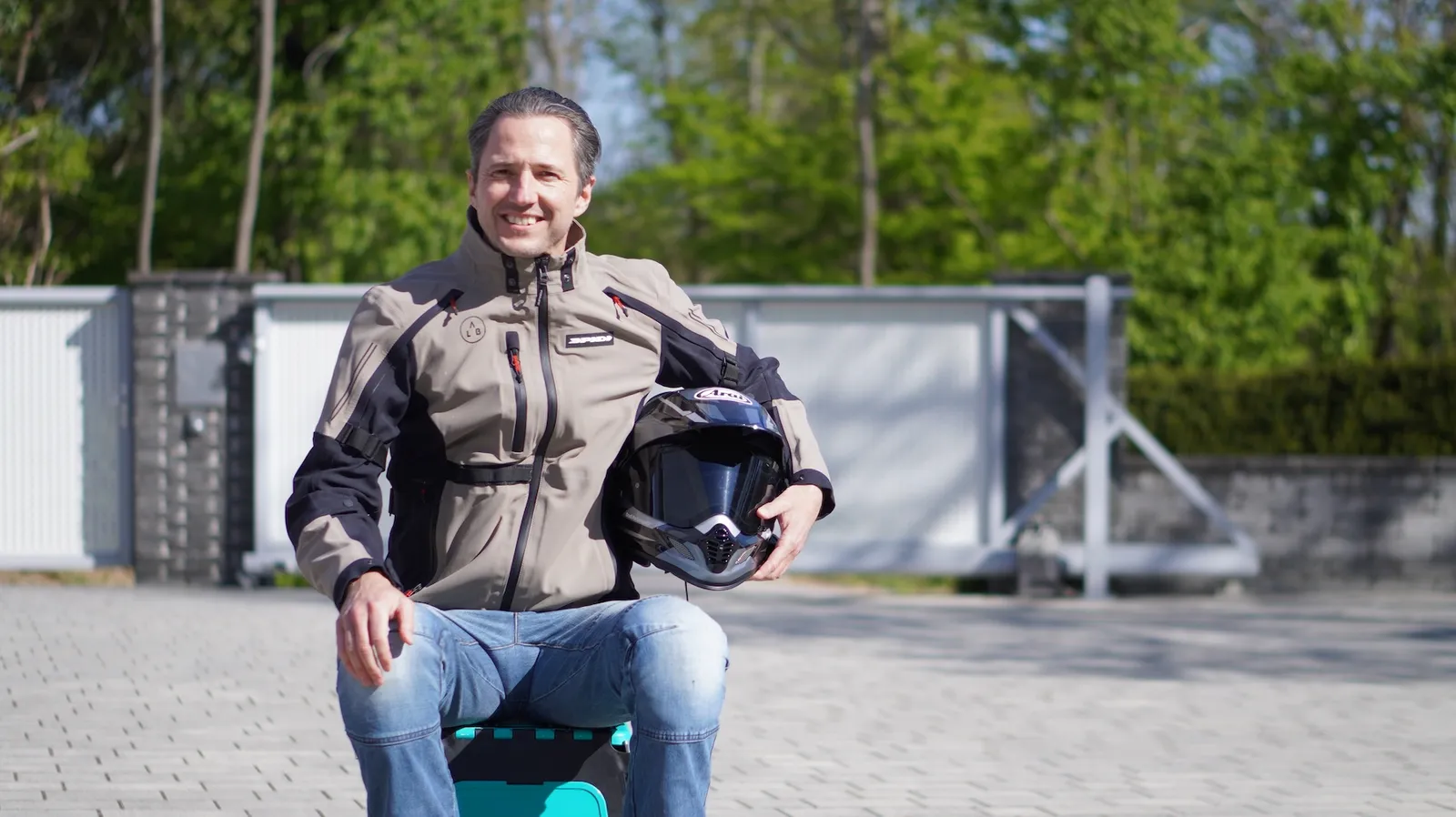
Portrait of NastyNils

The test ride

Settle into the K and the riding position reads sport-touring honest, roomy for long days but with the bars placed to load the front when you lean on it. The first thing that strikes you at pace is how quiet the chassis goes. Pavement seams, surface grooves, and sudden throttle stabs that should send a ripple through the bike just don't register. Thumb the ESA between Comfort, Normal, and Sport and the difference is plain under you, not a spec-sheet placebo. Where it does talk back is the wind. Through everyday speeds the protection holds fine, but push into the top of the range and the blast loads up hard on your neck and shoulders, worse still if a tank bag kills your tuck. It's a bike that feels biggest and best the moment the road opens up.

Rated point by point — where it earns its keep

My own 0–100 score for this bike against the class, area by area — the marker on each bar is the class average.

The braking is built around confidence rather than rewarding expert touch. The integrated ABS lets me grab as much lever as I want and trust the system to manage the ragged edge, so there's no penalty for not riding with a racer's finesse. Just as important is what the chassis does while you're hard on the binders. Haul the K down deep into a corner and the nose barely sinks; the front sits close to level instead of pitching forward, which leaves real suspension travel in reserve for the exact moment you're committed to something awkward and need it. Between the two, I could brake late and brake hard without the front ever feeling like it was about to load up and run out of composure on me.

There isn't much mystery to the motor. It pulls from low in the range and simply keeps building, and the part that stays with you is that it never seems to top out. Wind it all the way open and the thrust is still stacking on at speeds no public road has any business seeing. The limit you hit isn't the engine's, it's your own appetite for what comes next, and that arrives well before this thing has shown you everything it's holding.

Comfort on this bike really comes down to the suspension, and the optional electronic adjustment is the first thing I'd point a buyer toward. Thumb through the settings and the K genuinely reshapes itself underneath you. Soften it off for broken pavement, firm it up when you want to lean on it, and the change is something you feel in the seat rather than read off a brochure. I found my setting fast and stopped second-guessing it after that. Where the comfort runs out is the wind. Through ordinary speeds the protection does its job without complaint, but climb into the very top of the range, especially with anything on the tank that breaks your tuck, and the blast piles onto your neck and shoulders until it's physically wearing you down and starting to decide how long you can hold the pace.

What stays with me about the K is how it behaves the harder you push it. On wide, open sweepers I never had to fight the thing; I set a line and it held, with no resistance coming back through the bars. Roll hard onto the throttle at a corner exit and the long wheelbase keeps the front pinned to the road, so it drives out clean and predictable even when I'm being deliberately rough with the right hand. The flip side shows up the moment the road tightens. Quick direction changes and tight-radius turns ask for real, committed pressure to get it leaning, and it won't drop into a switchback on its own the way something lighter and shorter does. If your roads are mostly technical, you'll feel that effort at every change of direction, and riders stepping off a flickable bike will notice it straight away.

On fast, connected backroads the K shows a side that's hard to put into words at first. The front end gives it an almost floating quality over the surface, not just steady but smooth in a way a conventional fork never quite manages, and you register the feeling before you work out where it's coming from. The one thing that breaks the spell is visual rather than dynamic. The bodywork hangs together cleanly everywhere except the exhaust, which looks oversized and heavy enough to drag the eye right off an otherwise tidy back end.

What makes the K usable rather than intimidating is that the performance is all reachable without an advanced skill set. The settled chassis and the safety net under hard stops mean you can go looking for what the engine offers without needing race-school technique to stay out of trouble. The capability is genuinely there for an ordinary rider, and the bike doesn't punish you for reaching into it. At this kind of pace, that's a rarer trait than it sounds.

Sunset over the Adriatic Sea near Primosten, Croatia. Golden hour light bathes calm water in warm tones, with a small sailboat on the distant horizon. Rocky vegetation frames the right foreground. Clear skies and gentle conditions.

The Truth on the Street

What follows isn't my own test ride. It's the picture built up over years of listening to the people who own this bike: the messages riders send me and the conversations that never stop once a model has been on the road a while. The pattern is consistent. Owners rate the K highest the faster and farther they go, and the gripes cluster around low-speed manners and upkeep.

What the consensus rewards

The feedback centers on a chassis that stays planted and composed as the pace climbs, even loaded, and an engine that keeps building strongly toward a serious top end. For distance, riders point to a plush seat and upright ergonomics that hold across 500-mile days. A smaller, recurring plus is the shaft drive, which takes chain chores off the list and trims running costs.

The gripes that keep surfacing

The most common complaint is low-speed fueling: a jerky, bucking throttle in stop-and-go crawling that asks for careful clutch work. Some add that the gearbox turns notchy and reluctant once the engine runs hot. Servicing also runs high and needs a specialist, and at around 500 lb (227 kg) wet the K feels substantial at parking speed, though owners agree the weight fades once it's moving.

Known issues

  • Cam chain tensioner / jump guard failure

    engineoccasional

    The cam chain tensioner can weaken, leading to a noisy chain on startup and potential engine damage if the chain jumps. BMW issued a service campaign to install a jump guard.

  • ABS / Power brake unit failure

    brakesoccasional

    The integrated iABS system can fail, illuminating the brake warning light and drastically reducing braking assistance. Repair or replacement is expensive.

  • Fuel pump flange leak (Recall 20V471)

    fuel systemrareRecall

    A safety recall was issued because the fuel pump flange may crack and leak fuel, increasing the risk of fire. Affected VINs receive a full fuel pump assembly replacement free of charge.

  • Final drive bearing failure

    drivetrainoccasional

    The shaft drive final unit can develop play or leak oil due to premature bearing wear, especially on early 2005 models. Rebuilding is costly.

  • Radiator corrosion / clogging

    coolingoccasional

    The radiator can corrode internally or clog with debris over time, leading to overheating. There are no aftermarket alternatives, so only an OEM replacement is available.

  • Clutch basket rattle / judder

    drivetrainoccasional

    The early multi-plate clutch assembly can develop play, causing a rattling noise at idle and judder during engagement. Some owners report the issue gets worse with heat.

  • Low-speed fueling hesitation (Bucking Bronco Syndrome)

    enginecommon

    The bike exhibits jerky throttle response at parking-lot speeds, often requiring careful clutch modulation. An airbox and ECU reflash (service action) can mitigate the issue.

  • Fuel gauge strip malfunction

    electricscommon

    The sensor strip in the fuel tank frequently fails, causing erratic or no fuel level reading. Replacement is a known fix, though the part is still prone to future failure.

The Expert Benchmark

Where this BMW K 1200 S pulls ahead of — or falls behind — its rivals on the numbers, and the typical bike in its class on character.

What kind of bike this is — character vs. the class

This bike Class average

The shape of the BMW K 1200 S — numbers and character vs. the average Sport Tourer

Head-to-head: BMW K 1200 S vs. its rivals

The Long-Haul Verdict

Forget spec-sheet bragging. Here's who the K 1200 S is actually built for.

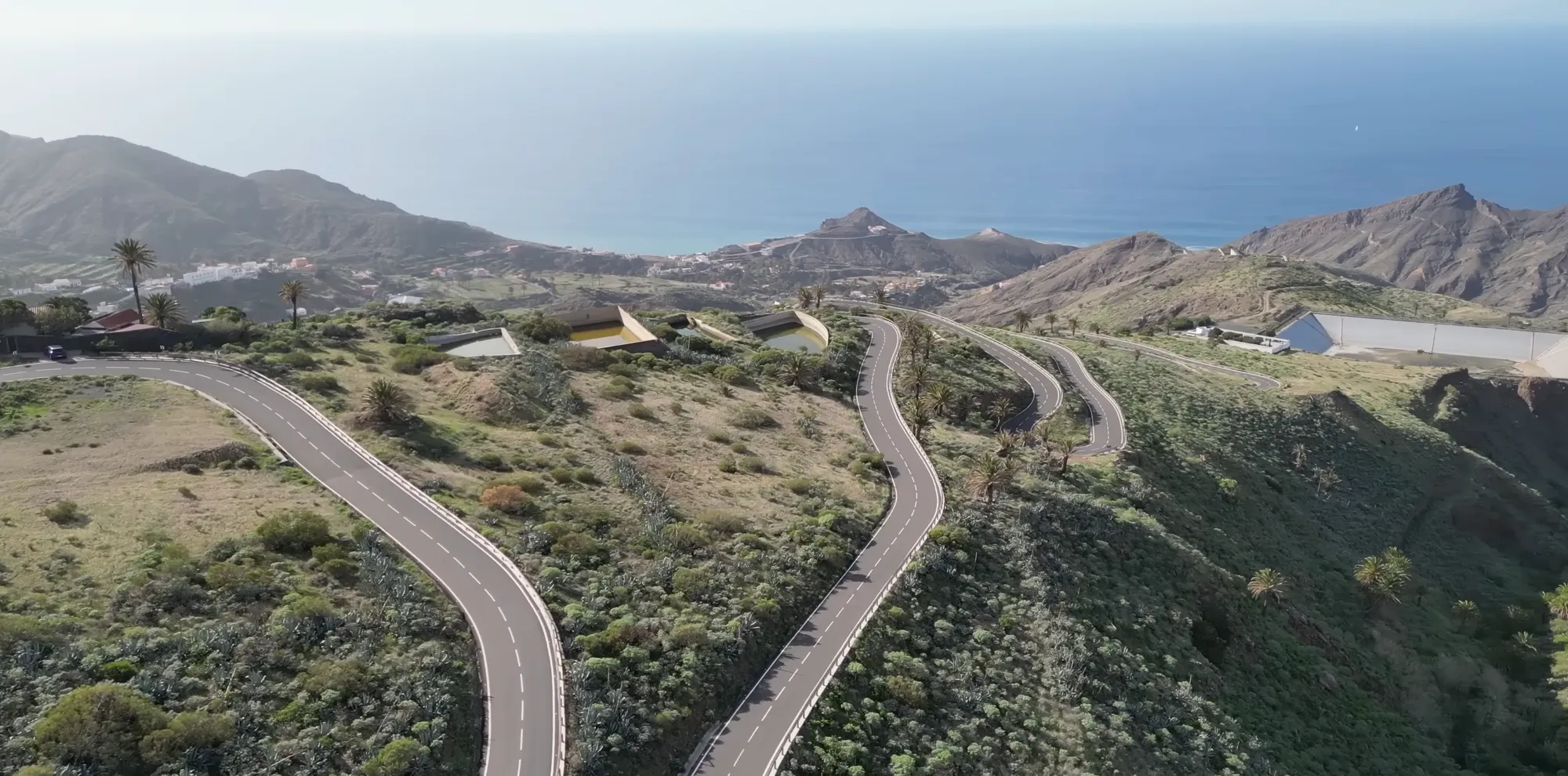
Aerial view of a winding asphalt road cutting through volcanic terrain on La Gomera, Canary Islands. The road curves through sparse green vegetation with rocky volcanic peaks visible in the background and a settled valley to the left. Clear lane markings, dry climate, partly cloudy sky.

Best motorcycle for Highway 1?

If your perfect day is 300 miles of Highway 1 and Blue Ridge sweepers, the K is in its element. It pays back open, flowing roads with real composure, though tight technical sections will ask more effort of you.

Made for Black Hills · Blue Ridge Parkway · Cherohala Skyway

Best motorcycle for Tail of the Dragon?

You live for tight Dragon and Cherohala work, and that's the honest catch. The K is stable and planted, but its weight and long wheelbase make quick, technical flicks harder than on a lighter machine.

Made for Back of the Dragon · Blue Ridge Parkway · Cherohala Skyway

Best motorcycle for Angeles Crest?

On fast, open canyon runs the K's stability and strong brakes let you reach for the engine safely. In tight, stop-and-go switchbacks it'll feel like a lot of bike to wrestle through.

Made for Angeles Crest Highway · Coronado Trail / US 191 · Highway 1 / Big Sur

Alternatives to the BMW K 1200 S

If this one isn't quite the fit, these are the bikes worth riding back-to-back against it.

Any price note compares both bikes at the same age — the youngest age both have on the used market — against this BMW K 1200 S. “cheaper/pricier” is what that bike costs second-hand, not how worn it is.