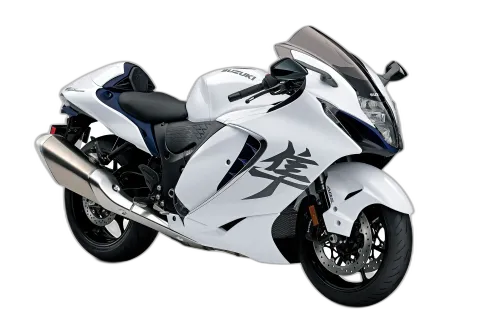
Suzuki Hayabusa (WVCK) — Supersport
NastyNils / Suzuki Press

2008–2012 · Supersport · Buyer's Guide

Hayabusa (WVCK)

186 mph, Dead Stable

The Machine's Character

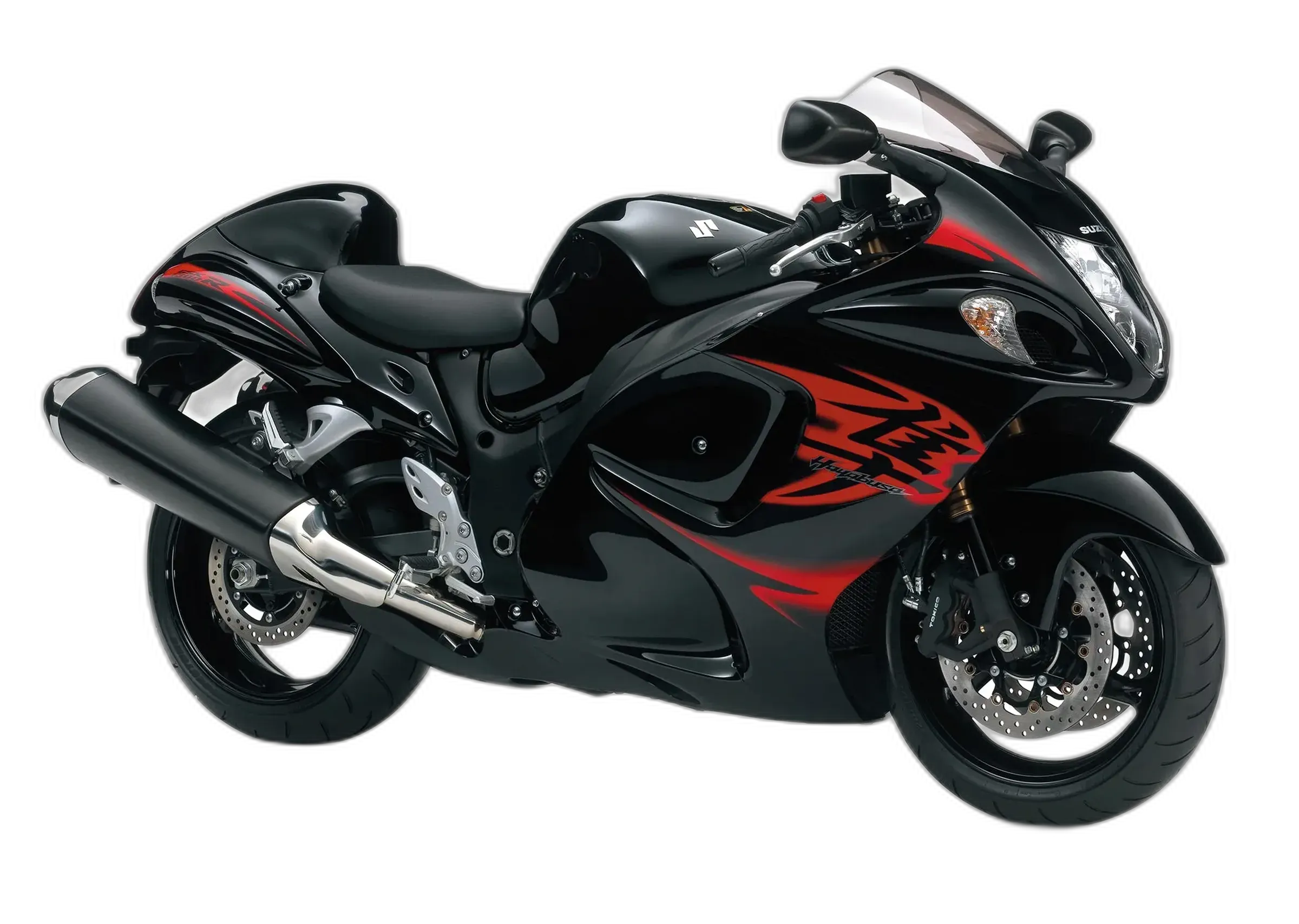
The second-generation Hayabusa built its name on one honest promise: put down 197 hp and 114 lb-ft, then make all of it feel calm. The 1340 cc inline-four pulls hard from low in the rev range and keeps pulling to a 186 mph top speed, yet it never feels frantic while doing it. A long 58.3 in wheelbase and slippery bodywork give it the composure to hold triple-digit speeds without drama. Ride modes let you soften the delivery for wet or town work. This is a hyperbike that treats staggering pace as something ordinary, which is exactly why it earned cult status.

The Hayabusa rides like a bike far lighter than its 573 lb suggests once it's rolling, and it ages well thanks to a strong reliability record and deep aftermarket support. It rewards riders who log real miles and value confidence over frenzy. The honest caveat: this is a big, wide, heavy machine with a 31.7 in seat and no traction control, ABS, or cruise. Tight, technical roads ask a lot of your arms, and there was a safety recall on the rectifier/regulator you'll want confirmed as handled on any used example.

Hard Numbers

Spec sheets don't ride bikes, but they set the baseline.

Show full specs & equipment Hide specs & equipment
Key specifications
Power 197 hp (145 kW) @ 9,500 rpm
Torque 114 lb-ft (155 Nm) @ 7,200 rpm
Displacement 1340 cc
Engine Inline-four
Cooling Liquid-cooled
Gearbox 6-speed
Final drive Chain
Fork Upside-down (USD)
Front brake 310 mm
Front tire 120/70 ZR17
Rear tire 190/50 ZR17
Wheelbase 58.3 in (1480 mm)
Seat height 31.7 in (805 mm)
Wet weight 573 lb (260 kg)
Fuel capacity 5.5 gal (21 L)
Top speed 186 mph (299 km/h)
Fuel economy 38 mpg (US)

Equipment check

Chassis

  • Front Suspension Adjustable Standard
  • Rear Suspension Adjustable Standard
  • Steering Damper Standard

Drivetrain

  • Slipper Clutch Standard

Safety

  • Ride Modes Standard

The Voice of Experience

Portrait of NastyNils

The test ride

Swing a leg over and the Hayabusa feels physically large before you've moved an inch. The reach to the bars is a genuine sport-riding crouch, the tank is broad against your knees, and at a standstill 573 lb is something your legs notice at the 31.7 in seat. Fire it up and the inline-four settles into a deep, smooth idle with barely any buzz through the pegs or grips at cruising revs, which is a big part of why it eats hours so easily. The fairing does real work: tuck in and the wind pressure just vanishes off your chest and helmet. At everyday road pace it feels planted and unhurried, the sort of stability that lets your shoulders drop and your hands stay light. The seat and bodywork are shaped for distance, and after a long stint you climb off less wrung out than the numbers would ever suggest.

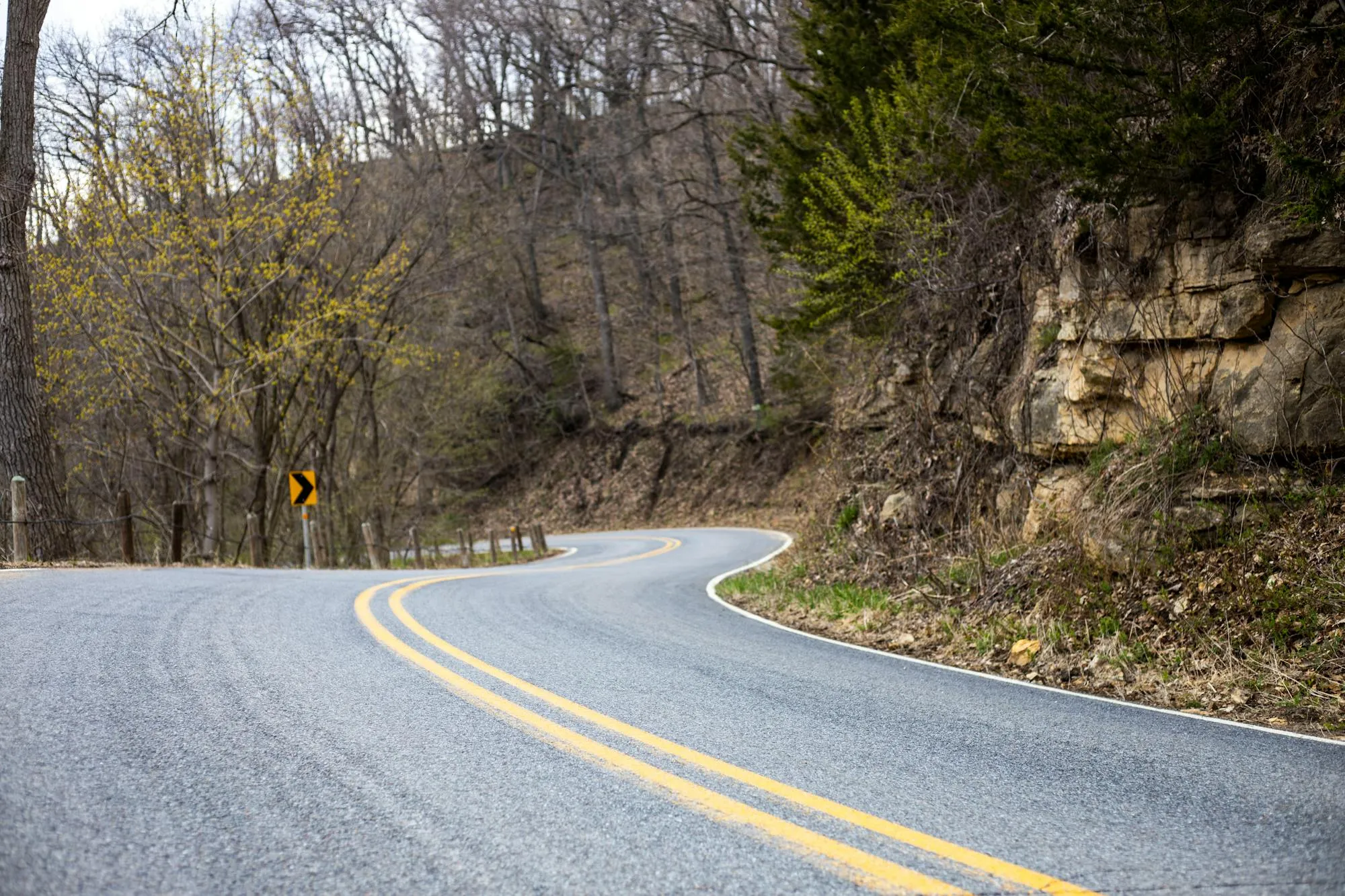
A winding two-lane asphalt road in the Appalachian mountains, photographed in dry daylight. Yellow double-center line markings guide through a series of tight left-hand curves. Dense deciduous and evergreen forest flanks both sides; a rock cut is visible on the right. The road surface and geometry suggest a technical, high-traffic riding corridor popular with motorcyclists.
Chris Flaten / Pexels

The Truth on the Street

This isn't my own lap of the bike. It's the collected read of the riders I've heard from over the years, gathered from conversations at events, exchanges with owners who live with one, and the notes they send me directly. Line it all up and the sentiment on this generation is clear: real affection for how it makes pace, and honesty about the cost of its size.

What The Owners Keep Praising

Owners bring up the motor first. They circle back to the thick low-end grunt, the way you crack the throttle in a tall gear and surge forward without touching the shifter. Right behind it is how settled the bike feels as the pace climbs, a planted quality riders say lets them relax. A good number find it comfortable over a long day, and plenty say it simply keeps running.

The Costs Riders Own Up To

The grumbles are just as familiar. At crawling speed and through tight, low bends, riders say the sheer heft turns quick direction changes into work. Another that surfaces often is the heat off the right side, cooking that thigh in stop-and-go traffic. A handful raise the bills too, noting how fast the rubber and drivetrain wear through, with steep insurance on top.

Known issues

  • Charging system failure (rectifier/regulator)

    electricsoccasionalRecall

    Faulty rectifier/regulator circuit boards can cause engine stalling; subject to a safety recall (NHTSA campaign).

  • Occasional sensor failures

    electricsoccasional

    Some sensors (e.g., cam position, crank position) may fail, triggering fault codes on dash.

The Expert Benchmark

Where this Suzuki Hayabusa pulls ahead of — or falls behind — its rivals on the numbers, and the typical bike in its class on character.

What kind of bike this is — character vs. the class

This bike Class average

The shape of the Suzuki Hayabusa — numbers and character vs. the average Supersport

Head-to-head: Suzuki Hayabusa vs. its rivals

The Handshake Score

Forget spec-sheet bragging. Here's who the Hayabusa is actually built for.

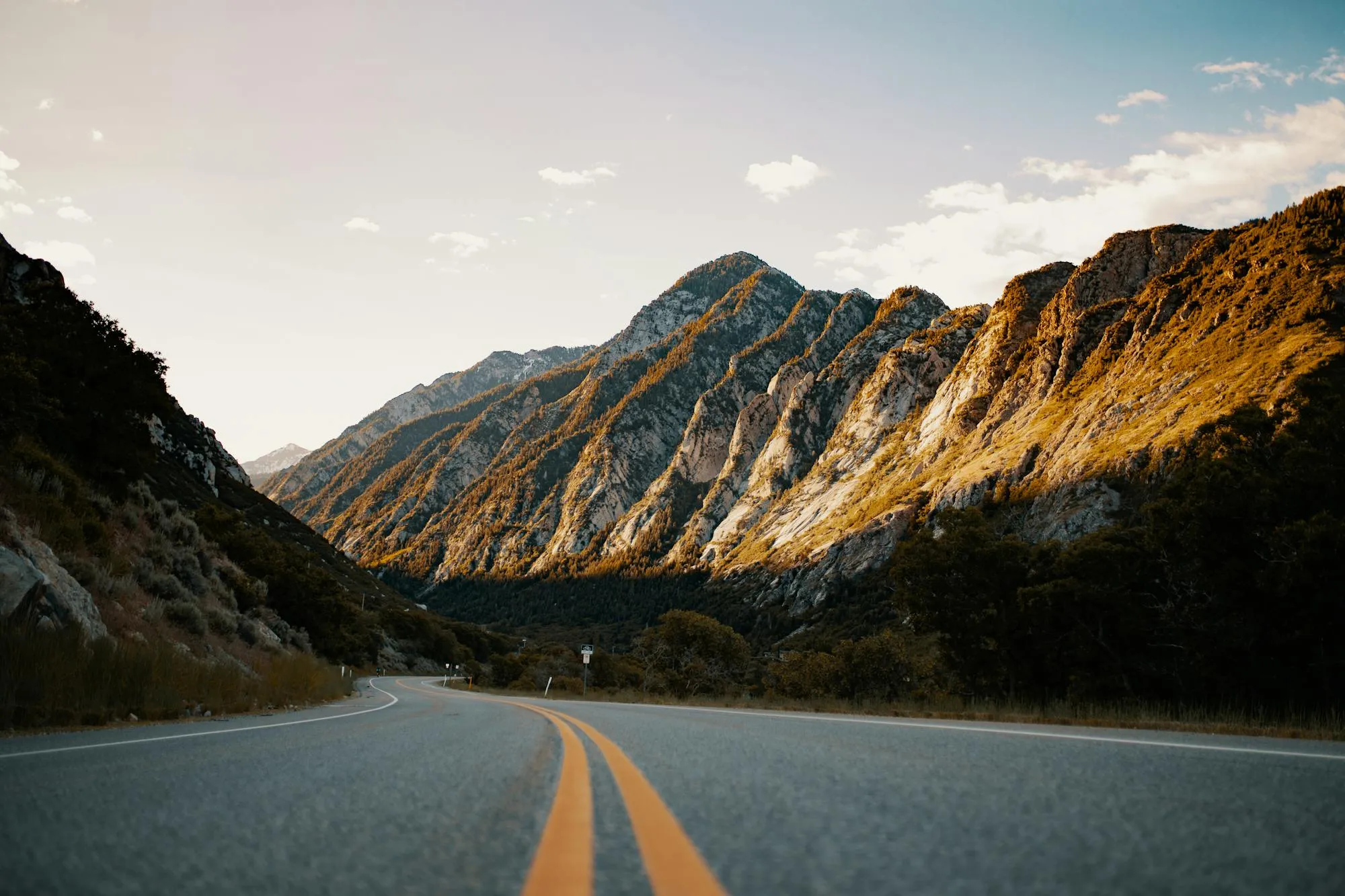
A scenic view of Angeles Crest Highway winding through rugged Southern California canyon terrain. Rocky mountainsides with golden earth tones frame the asphalt road with tight sweeping curves. Double yellow center line visible, sparse vegetation along the shoulders, clear blue sky with white clouds. Daylight, dry conditions. Iconic location for canyon-road enthusiasts.
Josh Sorenson / Pexels

Best motorcycle for Texas Hill Country?

For Hill Country roadtrips with big open miles between the twisties, this is a near-perfect fit: comfortable, stable, and effortless at pace. Just know the Twisted Sisters' tighter turns ask real effort from a bike this large.

Made for Austin / Texas Hill Country · Twisted Sisters · Austin / Handbuilt Motorcycle Show
Best motorcycle for Angeles Crest?

If your canyon runs open into fast, flowing sweepers, the Hayabusa will thrill you with its stability and surge. On tight, switchbacked Angeles Crest sections, though, its size and weight will fight you.

Made for Angeles Crest Highway · Coronado Trail / US 191 · Highway 1 / Big Sur

Best motorcycle for Tail of the Dragon?

Honest answer: the Dragon and Cherohala reward light, flickable bikes, and at 573 lb the Hayabusa is the opposite of that. It's a phenomenal machine, just not the tool for chasing skill on tight, technical twisties.

Made for Back of the Dragon · Blue Ridge Parkway · Cherohala Skyway

Alternatives to the Suzuki Hayabusa

If this one isn't quite the fit, these are the bikes worth riding back-to-back against it.

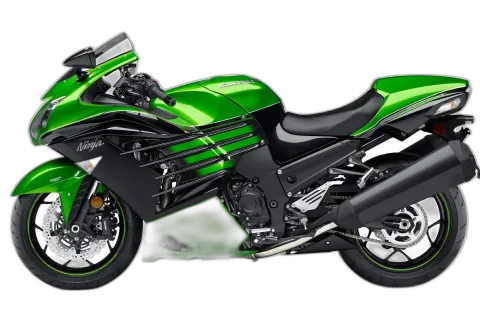
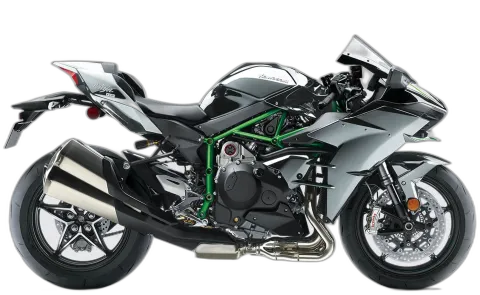
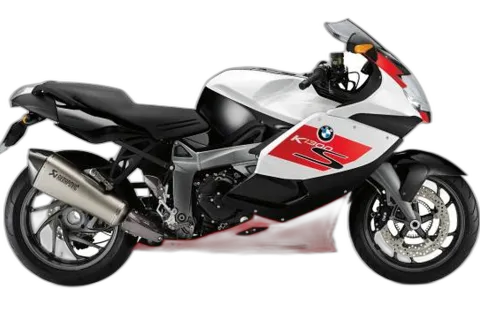
Any price note compares both bikes at the same age — the youngest age both have on the used market — against this Suzuki Hayabusa. “cheaper/pricier” is what that bike costs second-hand, not how worn it is.