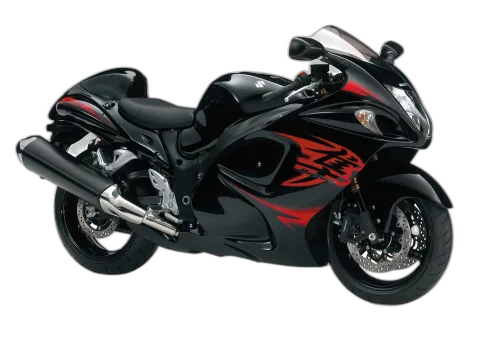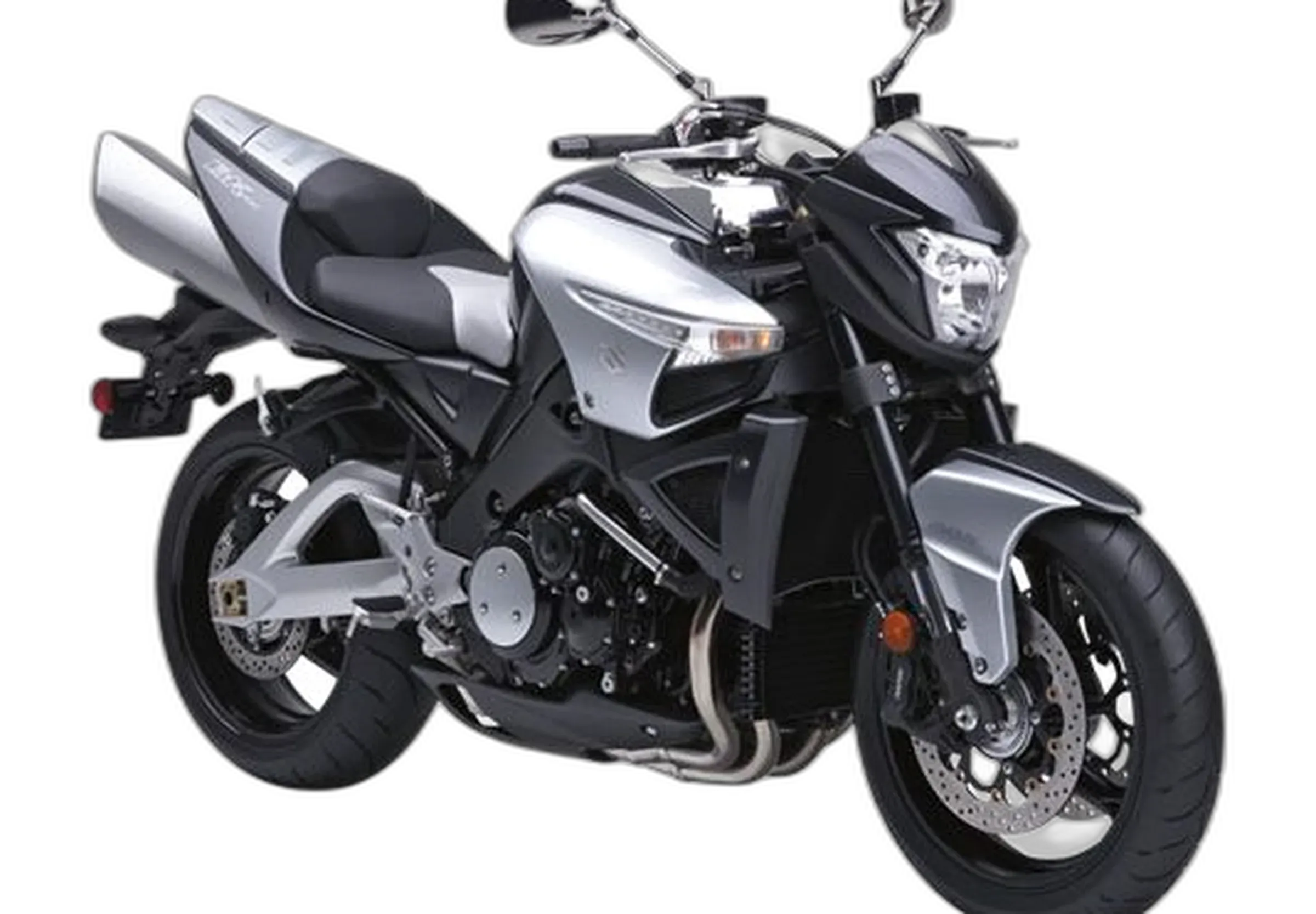
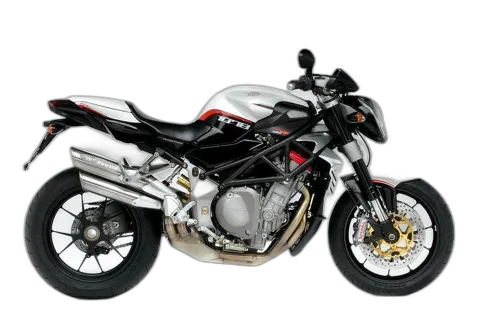
Suzuki B-King (MY2007) — Hyper Naked
NastyNils / Suzuki Press

2007–2012 · Hyper Naked · Buyer's Guide

B-King (MY2007)

Hayabusa Heart, No Bodywork

The Machine's Character

The B-King is built around the 1,340 cc inline-four from Suzuki's Hayabusa, retuned for the street to make 184 hp and 108 lb-ft. In a naked motorcycle that puts it among the fastest things you can buy in a straight line. Dual throttle bodies on each cylinder keep all that displacement civil at low speed, so the violence stays on tap without ever turning twitchy. This isn't a bike chasing electronic gimmickry. It's a hyper naked that exists for one reason: massive, effortless acceleration with nothing tucked away behind a fairing.

Owners keep these running, and the B-King has earned a reputation for honest reliability that holds up under hard use. It rides bigger than a standard naked because it is: 518 lb (235 kg) wet, long in the wheelbase, happiest carving fast open roads where its high-speed stability shines. Push it through tight, quick chicanes and the weight shows up, and no amount of technique hides it. A button on the tank dials power back for wet mornings, which is less a gimmick than an honest admission of how much engine you're sitting on. Buy it for the straight-line authority, not for flickability.

Hard Numbers

Spec sheets don't ride bikes, but they set the baseline.

Show full specs & equipment Hide specs & equipment
Key specifications
Power 184 hp (135 kW) @ 9,500 rpm
Torque 108 lb-ft (146 Nm) @ 7,200 rpm
Displacement 1340 cc
Engine Inline-four
Cooling Liquid-cooled
Gearbox 6-speed
Final drive Chain
Fork Upside-down (USD)
Front brake 310 mm
Front tire 120/70-17
Rear tire 200/50-17
Wheelbase 60.0 in (1525 mm)
Seat height 31.7 in (805 mm)
Wet weight 518 lb (235 kg)
Fuel capacity 4.4 gal (16.5 L)
Top speed 155 mph (250 km/h)

Equipment check

Safety

  • ABS Optional

The Voice of Experience

Portrait of NastyNils

The test ride

Thumb the starter and the exhaust settles into a low, serious register that never climbs into a scream, even when you're leaning on it hard. You sit upright with your hands loose on the bars and your knees relaxed, none of the forward crouch a sportbike asks for. The seat is genuinely good, shaped well enough that you don't white-knuckle anything to stay planted. Get on the gas and the push lands in your whole torso at once, because there's no bodywork between you and the air. The steering damper keeps things settled when the pavement turns rough at speed. Two things nag at real road pace: past moderate highway speed the wind builds into a full windstorm that loads your neck and shoulders over distance, and the tank bodywork can press into your knees right when you're reaching for the shift lever.

Rated point by point — where it earns its keep

My own 0–100 score for this bike against the class, area by area — the marker on each bar is the class average.

What stays with me about this engine is how little it makes me wait. I can be sitting anywhere in the rev range, crack the wrist, and the pull arrives right then, with no swell or hesitation ahead of it. Just as telling is the top of the speed range, where I expect a naked to be wrung dry and instead find another gear waiting with real thrust still behind it. The part that surprised me most, though, is how civil it stays down low. Two throttle plates per cylinder let me thread a tight hairpin barely off idle with the clutch left alone, the response so clean and progressive there's nothing to manage. That's a huge amount of displacement doing exactly what I ask of it, every time, and never once fighting me for the privilege.

The chassis tells two clear stories. On fast, open roads it stays genuinely planted. Even when the surface breaks up under speed and I'm leaning hard on the bars, it holds its line without protest, the damper quietly tidying up whatever the chassis can't soak. Ask it to flip direction quickly and the other story shows up, where the mass and the long wheelbase you'd stopped noticing start charging you back, and no line or input fully buries that. The detail I'd pass to anyone coming off a sportbike is throttle timing in the lean. The instinct to wait for the apex and then open up is wrong here, because the drive arrives earlier in the corner than you expect. Measured, deliberate throttle through heavy lean is the right hand. Get that recalibration done and it hooks up cleanly; rush it and you'll run out of road.

This is the heart of what the bike is for. Sitting loose and upright, the instant my wrist turns the thrust drives straight through me, with no fairing in the way to blunt it. That exposure is the whole point. On a faired sportbike you ride tucked behind a buffer that shaves the edge off the acceleration; here there's no screen and no crouch standing between you and what the engine is doing, so the very same surge feels more direct and frankly harder. I haven't felt anything quite like it on another bike.

Comfort here is less about plushness and more about how unbothered the bike stays, and how much of that calm reaches the rider. Even deep into a hard pull it never feels stressed, and that steadiness comes up through the saddle, so I sit relaxed instead of braced against what's happening. The riding position earns its keep: open and tall, hands loose, none of the tank-clamping or peg-loading a sportbike asks of you to stay anchored. The seat is good enough that the savage acceleration doesn't force a defensive hold to keep you planted. The one thing I'd flag is the tank bodywork, which can lean into the knees, and it shows up most as you work the shift lever and try to set your foot cleanly. How much it nags depends on your build, so give it honest time on a test ride.

Day-to-day, two things stand out. The power-cut switch is the considerate touch: a sharp rider probably never reaches for it, but with this much engine on tap, a control that calms the delivery for low-grip conditions is plain good sense, and just knowing it sits there shifts how I ride out when the road's slick. Against that, low-speed maneuvering wants patience. Everything that gives this bike its highway authority turns into dead weight at a crawl, the extra width least helpful of all, and threading it through tight spots is honest effort.

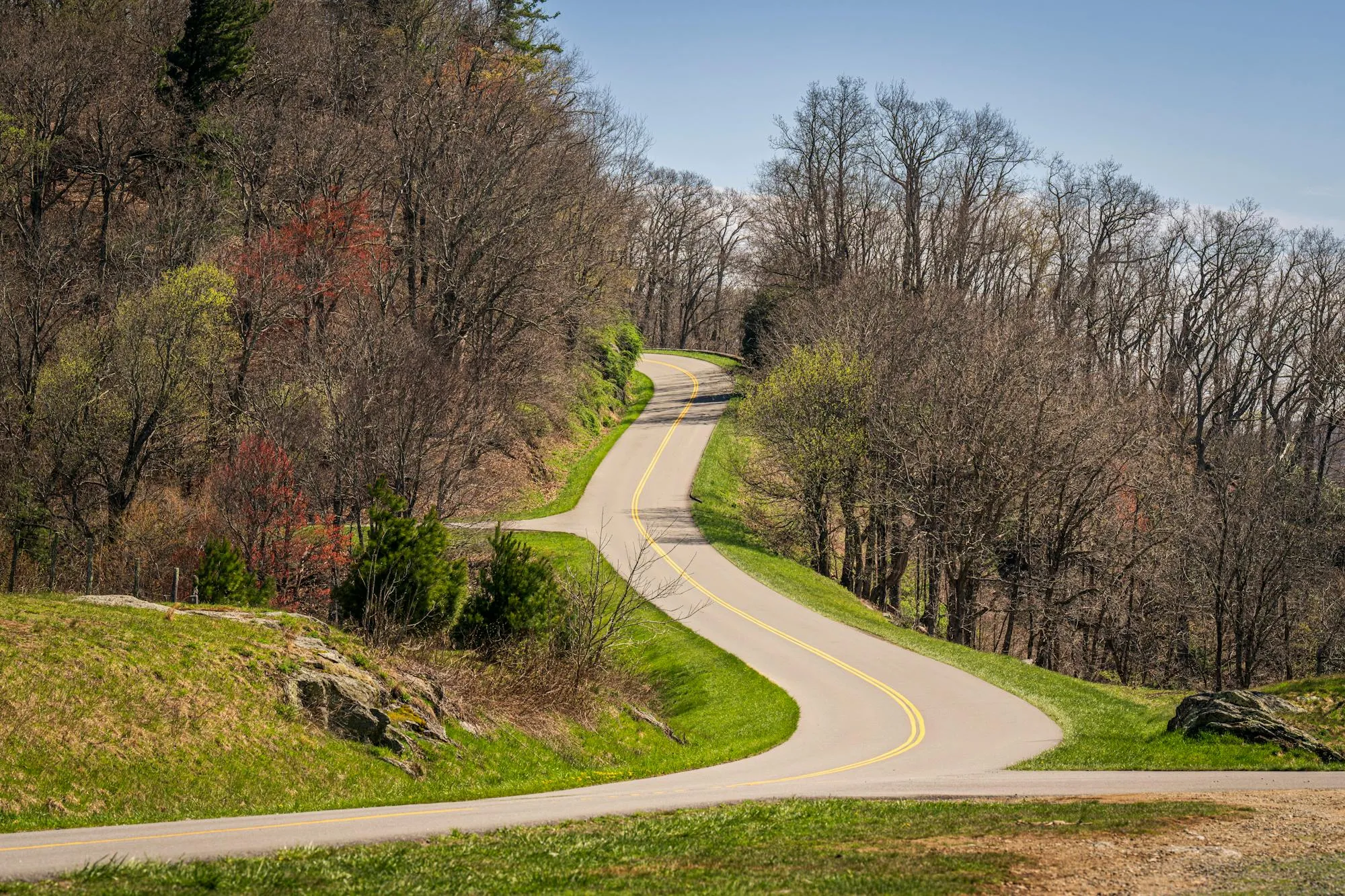
A winding asphalt road descending through the Appalachian Mountains, likely the famous Tail of the Dragon section in Tennessee and North Carolina. Multiple technical right-hand and left-hand curves are visible in this aerial perspective, surrounded by deciduous forest in spring foliage. Clear sunny conditions, well-maintained asphalt with yellow center lines marking the curves.
Mark Stebnicki / Pexels

The Truth on the Street

This comes from years of listening to riders talk about the B-King: forum threads, paddock conversations, owner chats, and the notes riders send me directly. The pattern that emerges is split. The engine and the way it settles at speed win people over almost without exception, but two things keep surfacing that shape how owners actually feel about living with it.

The looks split the room

Styling is the first thing riders bring up, and opinion divides hard. The oversized exhausts and bulky tank shrouds put a lot of buyers off when the bike was new, and that resistance showed up in slow early sales. The flip side is just as consistent. Owners who stuck with it have come to read that same shape as iconic, and they wouldn't trade it for anything cleaner.

Where the rear goes soft

The other recurring note is the stock rear shock. Riders consistently call it too soft, and they feel it most when they get hard on the throttle coming out of a corner or run the bike heavily loaded. In those moments the rear loses some grip rather than staying planted.

Known issues

  • Exhaust valve seizure

    exhaustoccasional

    The secondary throttle/exhaust valve can seize, triggering a C46 fault code; cleaning and lubrication usually resolve it.

  • Thin paint susceptible to stone chips

    bodyworkoccasional

    Owners report that the factory paint is thin and prone to chipping, particularly on the front of the tank and fairing panels.

The Expert Benchmark

Where this Suzuki B-King pulls ahead of — or falls behind — its rivals on the numbers, and the typical bike in its class on character.

What kind of bike this is — character vs. the class

This bike Class average

The shape of the Suzuki B-King — numbers and character vs. the average Hyper Naked

Head-to-head: Suzuki B-King vs. its rivals

The Handshake Score

Forget spec-sheet bragging. Here's who the B-King is actually built for.

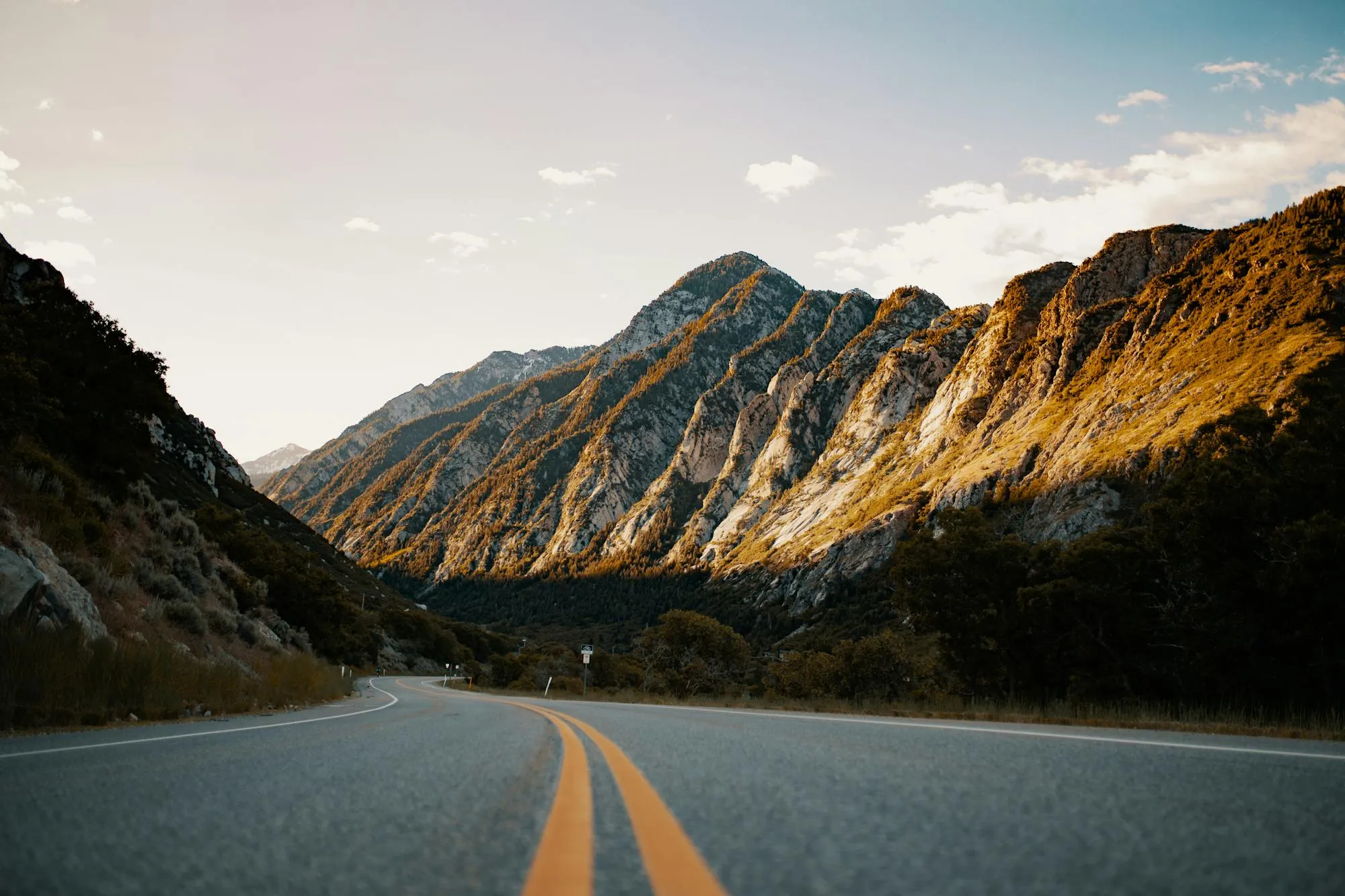
A scenic view of Angeles Crest Highway winding through rugged Southern California canyon terrain. Rocky mountainsides with golden earth tones frame the asphalt road with tight sweeping curves. Double yellow center line visible, sparse vegetation along the shoulders, clear blue sky with white clouds. Daylight, dry conditions. Iconic location for canyon-road enthusiasts.
Josh Sorenson / Pexels

Best motorcycle for Texas Hill Country?

Built for relaxed, fast weekend miles with brutal roll-on between towns. The tightest, quickest links will test its weight, but the open Hill Country runs suit its upright comfort and straight-line punch well.

Made for Austin / Texas Hill Country · Twisted Sisters · Austin / Handbuilt Motorcycle Show
Best motorcycle for Angeles Crest?

On the open, flowing canyon sweepers the B-King's roll-on is addictive. In tight, fast switchbacks its weight costs you real time, so it fits best if your runs favor flow over chicane precision.

Made for Angeles Crest Highway · Coronado Trail / US 191 · Highway 1 / Big Sur

Best motorcycle for Tail of the Dragon?

If skill on tight, technical twisties is your game, this is the wrong tool. The B-King's weight and long wheelbase get outclassed exactly where the Dragon rewards light, flickable bikes.

Made for Back of the Dragon · Blue Ridge Parkway · Cherohala Skyway

Alternatives to the Suzuki B-King

If this one isn't quite the fit, these are the bikes worth riding back-to-back against it.

Any price note compares both bikes at the same age — the youngest age both have on the used market — against this Suzuki B-King. “cheaper/pricier” is what that bike costs second-hand, not how worn it is.