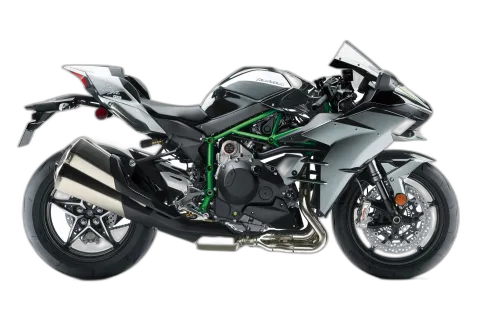

Kawasaki Ninja H2 (ZXT00N) — Supersport
NastyNils / Kawasaki Press

2015–2016 · Supersport · Buyer's Guide

Ninja H2 (ZXT00N)

Supercharged Straight-Line Violence

The Machine's Character

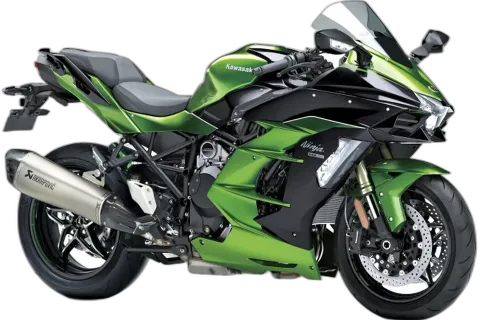
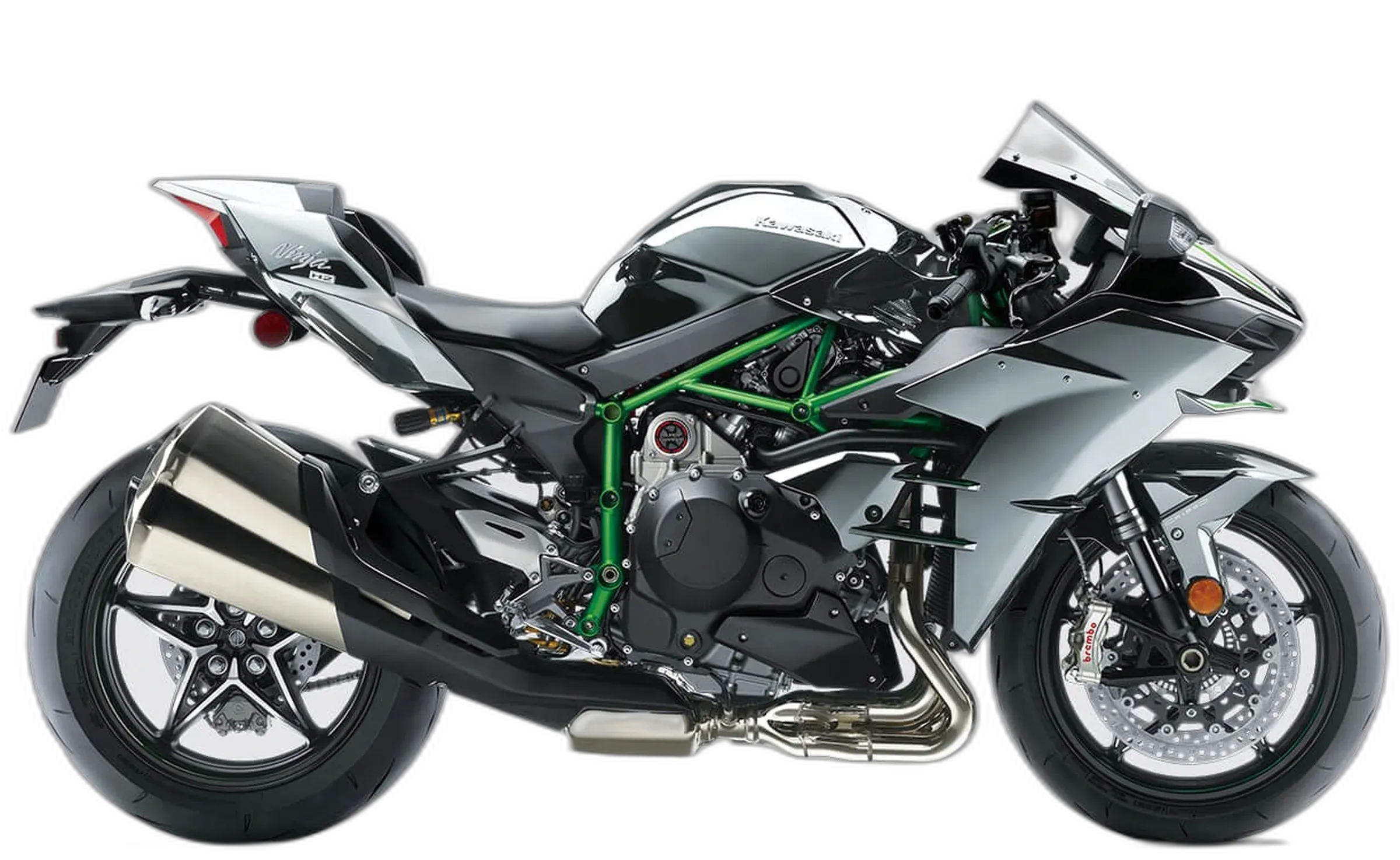
The Ninja H2 is Kawasaki's halo machine, and it earns the title with a supercharged 998cc inline-four that makes 200 hp. Forced induction is what sets it apart from anything running on atmospheric pressure alone, and it shows up as a relentless surge backed by 98 lb-ft of torque. The build is exotic, finished with a level of detail Kawasaki reserves for its statement bikes. Underneath the drama sits a real electronics package: ABS, traction control, and launch control keep that output pointed in a useful direction rather than leaving you to manage all of it yourself.

This is a bike that rewards riders who commit and quietly punishes those who don't. The chassis leans toward stability, so it feels planted at speed and holds a fast line with confidence, but it asks for a firm hand and a clear head. Build quality is high and the whole thing feels built to last. It suits the experienced rider who wants a genuine event every time they throw a leg over, not someone chasing easy, low-effort thrills. The honest caveat: it carries a steep learning curve, and it won't hand over its best on the first few sessions.

Hard Numbers

Spec sheets don't ride bikes, but they set the baseline.

Show full specs & equipment Hide specs & equipment
Key specifications
Power 200 hp (147 kW) @ 11,000 rpm
Torque 98 lb-ft (134 Nm)
Displacement 998 cc
Engine Inline-four
Cooling Liquid-cooled
Gearbox 6-speed
Final drive Chain
Fork Upside-down (USD)
Front brake 330 mm
Front tire 120/70ZR17
Rear tire 200/55ZR17
Wheelbase 57.3 in (1455 mm)
Seat height 32.5 in (825 mm)
Wet weight 525 lb (238 kg)
Fuel capacity 4.5 gal (17 L)
Top speed 184 mph (296 km/h)

Equipment check

Chassis

  • Front Suspension Adjustable Standard
  • Rear Suspension Adjustable Standard
  • Steering Damper Standard

Drivetrain

  • Slipper Clutch Standard

Lighting

  • LED Headlight Standard

Safety

  • ABS Standard
  • Traction Control Standard
  • Launch Control Standard

The Voice of Experience

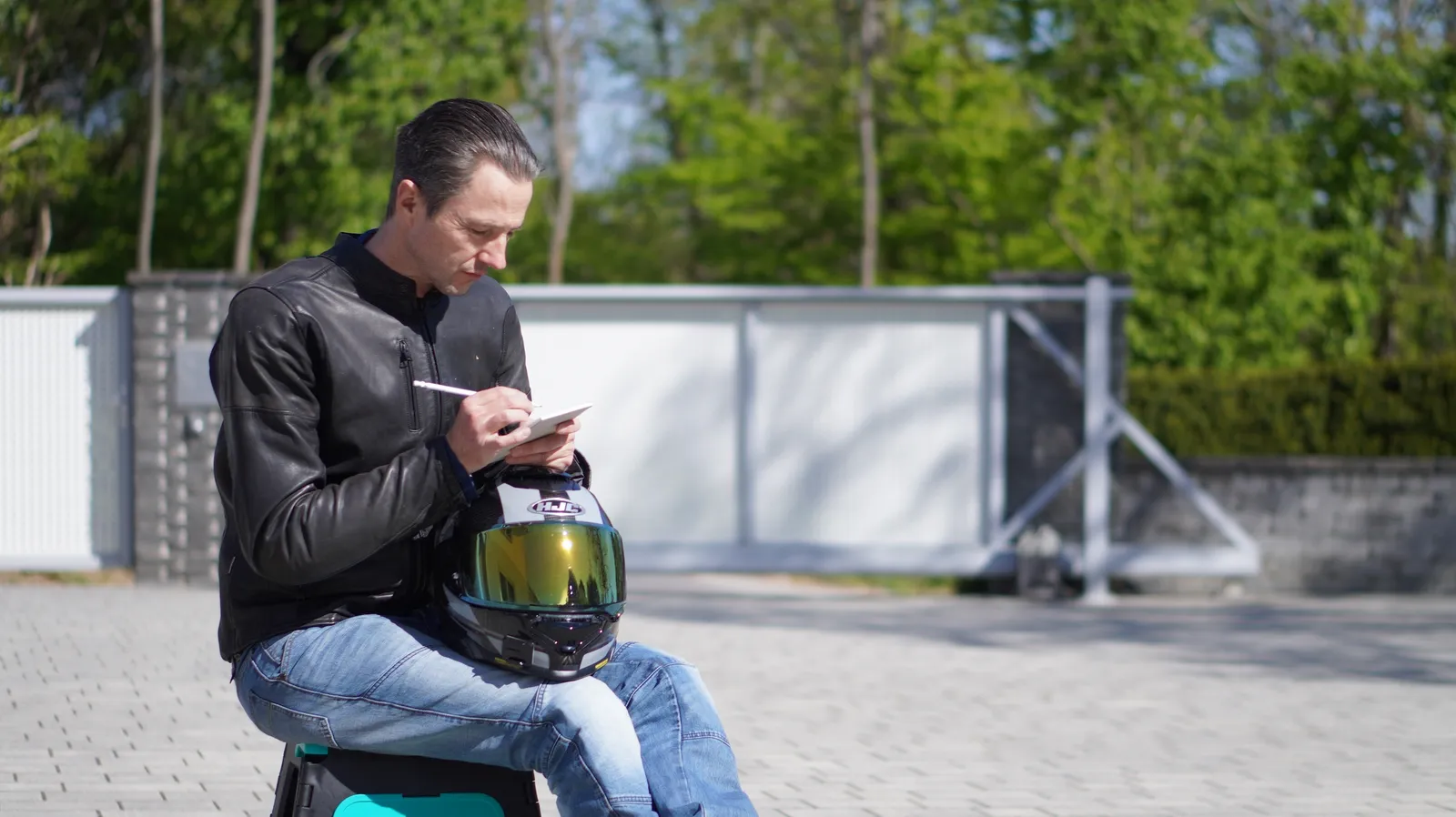
Portrait of NastyNils

The test ride

The first thing that hits is the noise. That supercharger whine sits on top of the exhaust and turns every roll-on into a soundtrack you feel in your chest. Settle back into the tuck, further than any normal sportbike lets you, and rider and machine lock into one shape that feels like an arrow pointed down the road. The wide bars give your hands real leverage, and you need it, because this is a bike you steer with your whole body rather than your wrists. Hard on the brakes, the long wheelbase and that rearward perch throw the deceleration straight into your shoulders, so every big stop lands as its own event. At real road pace it stays honest and planted, always asking for commitment, never for a passenger.

Rated point by point — where it earns its keep

My own 0–100 score for this bike against the class, area by area — the marker on each bar is the class average.

On a bike this quick, the brakes are a genuine relief. The big front rotors have the authority to rein in the full force of that engine, which you cannot take for granted at this power level. The surprise is the feel of it. Sit far back with a long wheelbase stretched out ahead of you and the weight transfer under braking is dramatic, magnifying the sense of deceleration until a hard stop hits with a force all its own, standing right alongside the acceleration for sheer intensity.

For an engine making what this one makes, the real surprise is its composure. Once you're through the initial step the delivery turns precise and unhurried, a long clean surge with none of the violence you brace for, and you can feel a deep reserve the road never lets you reach. The exception is that first transition: roll it open off a fully closed throttle mid-corner and the handover from engine braking to drive lands sharp enough to catch a practiced rider first time out. Clear that one moment and the rest runs serene.

Handling rewards aggression and punishes caution. Try to carry a neutral throttle through a bend and the H2 turns awkward, wrestling you from entry to exit. What unlocks it is commitment: brake hard, then pick the gas back up before the braking phase ends so the chassis stays loaded instead of drifting on a trailing throttle. Feed it that and it flows, sharp and quick. The other cost of the stability bias shows in tight transitions, where the mass never fully vanishes and it changes direction with more deliberation than a purpose-built track bike.

There's more performance here than any road will ask for. Wind it to the top with the supercharger at full pressure and the rear stays permanently, gloriously loose through quick sweepers, laying rubber the whole way. On a long straight the readout simply goes unreadable, and whether you've truly maxed it comes down to how you carried speed out of the last corner. All of it sits behind a steep learning curve: at the limit the bike stays combative and lines slip away, and it took real time on a much stronger machine to recalibrate me before the H2 finally clicked.

On a machine like this, comfort has little to do with plushness and everything to do with how it positions you. What stands out is the reach of the seat, which lets you sit dramatically farther back than a conventional sportbike would ever permit. Settle fully into that rearward spot and rider and machine close up into a single clean aerodynamic unit. The real payoff comes with speed: the harder you push, the more that deep-set position glues you to the bike and the less it feels like something you have to hang onto.

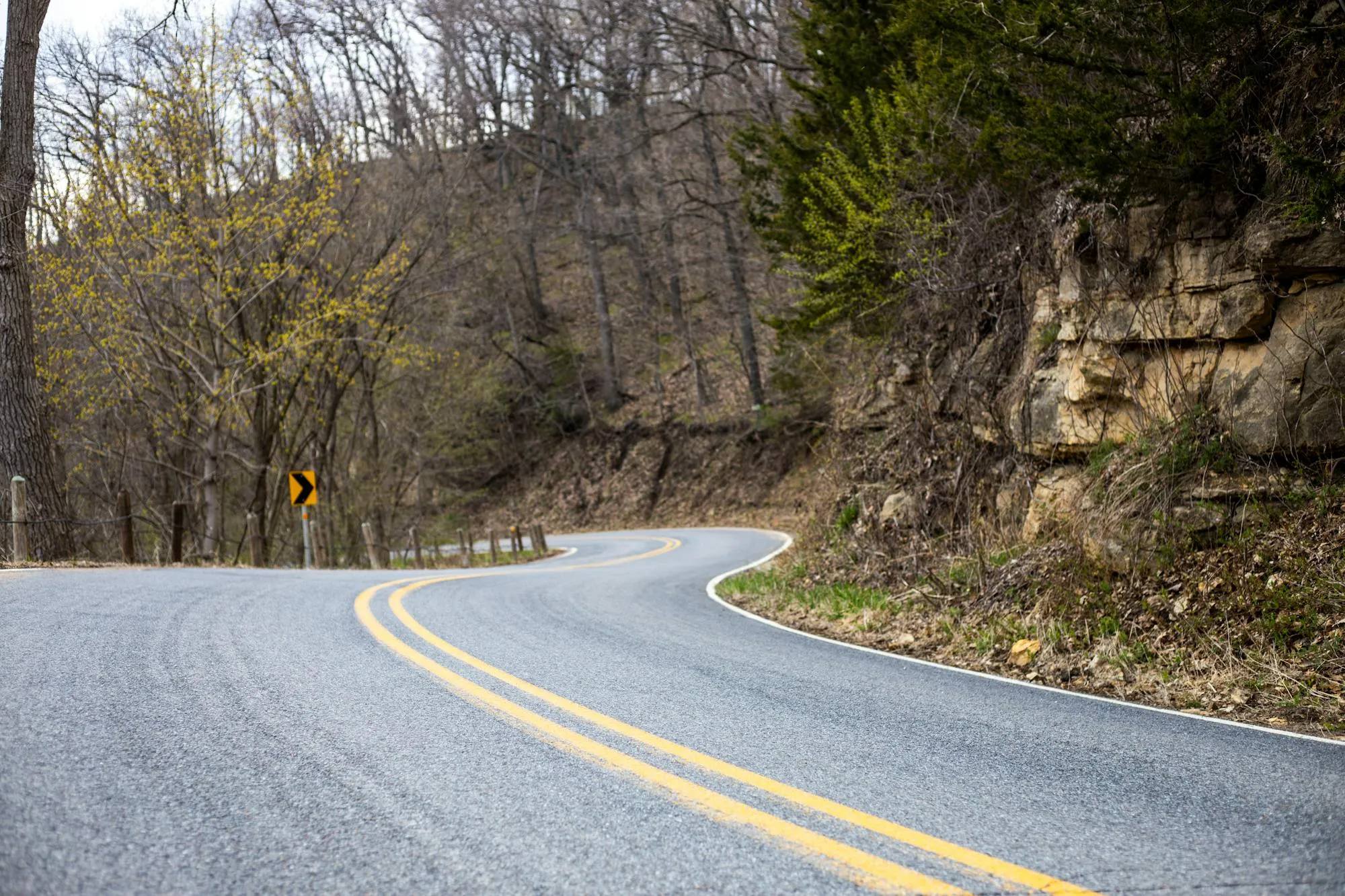
A winding two-lane asphalt road in the Appalachian mountains, photographed in dry daylight. Yellow double-center line markings guide through a series of tight left-hand curves. Dense deciduous and evergreen forest flanks both sides; a rock cut is visible on the right. The road surface and geometry suggest a technical, high-traffic riding corridor popular with motorcyclists.
Chris Flaten / Pexels

The Truth on the Street

This isn't my test verdict. It comes from years of listening to riders: the messages and emails they send me directly, and long conversations with people who own one. For the H2 that chatter lands in a clear pattern: near-total agreement on what the engine and build deliver, alongside a shorter, quieter list of daily complaints.

Where the praise runs loudest

Riders open with the engine, and there's little argument. The supercharged motor pours on relentless power from low revs, its whine over everything, and many count it among the most exciting road engines they've ridden. Behind it comes the build: owners praise the component quality and the careful assembly, a feel more hand-built than mass-produced. Adjustable suspension and traction control fill out the praise, feeding back enough to keep the power usable.

The gripes that keep surfacing

The gripes are fewer and quieter, but they repeat. Heat tops the list: owners report the motor running hot, worst in traffic, and the forward-leaning position aching on longer rides. A smaller group points to the mass, calling it heavy through fast direction changes and reluctant to turn without firm input. The last note is fuel use, a heavy appetite and a 4.5-gal (17 L) tank that keeps you hunting for stations.

Known issues

  • Airbox bolts backing out into supercharger

    enginerare

    On some early H2 models (including 2016), three bolts inside the air filter housing may not be loctited and can loosen, potentially falling into the supercharger impeller and causing severe engine damage. A service bulletin or dealer inspection is advised.

  • Throttle hesitation on higher-mileage bikes

    fuel systemoccasional

    Some owners report a stumble or hesitation when initially opening the throttle on higher-mileage H2s, often related to fouled throttle bodies, injector wear, or sensor faults.

The Expert Benchmark

Where this Kawasaki Ninja H2 pulls ahead of — or falls behind — its rivals on the numbers, and the typical bike in its class on character.

What kind of bike this is — character vs. the class

This bike Class average

The shape of the Kawasaki Ninja H2 — numbers and character vs. the average Supersport

Head-to-head: Kawasaki Ninja H2 vs. its rivals

The Handshake Score

Forget spec-sheet bragging. Here's who the Ninja H2 is actually built for.

A scenic view of Angeles Crest Highway winding through rugged Southern California canyon terrain. Rocky mountainsides with golden earth tones frame the asphalt road with tight sweeping curves. Double yellow center line visible, sparse vegetation along the shoulders, clear blue sky with white clouds. Daylight, dry conditions. Iconic location for canyon-road enthusiasts.
Josh Sorenson / Pexels

Best motorcycle for Laguna Seca?

On track the H2 turns every straight into an event and rewards precise braking, but its stability bias asks more of you through quick changes than a lighter track bike, so expect to earn your lines.

Made for Barber Motorsports Park · WeatherTech Raceway Laguna Seca · Circuit of the Americas

Best motorcycle for Angeles Crest?

On fast, flowing canyon roads the H2 is in its element, planted and ferocious out of every corner. Just know it wants commitment and hard braking, not a lazy roll through the tighter stuff.

Made for Angeles Crest Highway · Coronado Trail / US 191 · Highway 1 / Big Sur

Best motorcycle for Tail of the Dragon?

The tight, technical twisties of the East Coast expose the H2's weight in quick transitions, so it plays more handful than scalpel here. Skilled, patient riders will still love the drive between corners.

Made for Back of the Dragon · Blue Ridge Parkway · Cherohala Skyway

Alternatives to the Kawasaki Ninja H2

If this one isn't quite the fit, these are the bikes worth riding back-to-back against it.

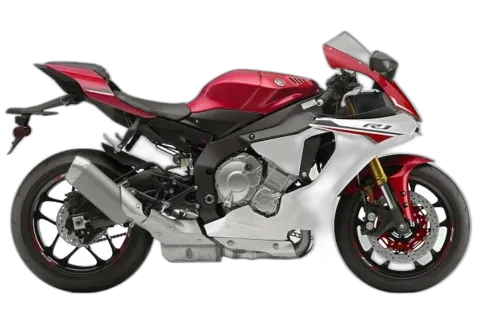
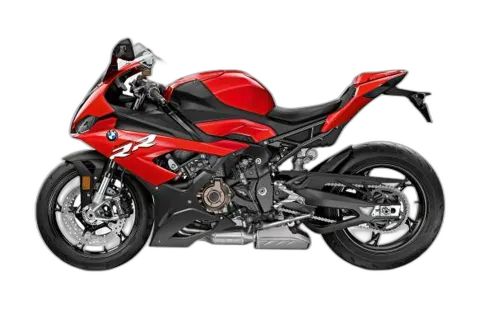
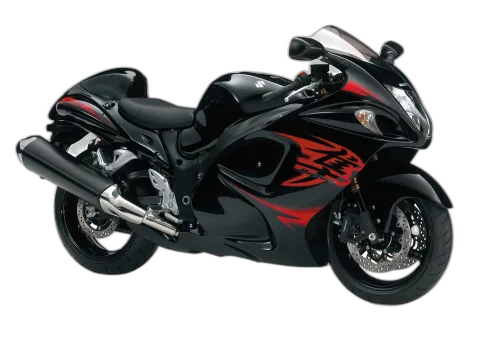
Any price note compares both bikes at the same age — the youngest age both have on the used market — against this Kawasaki Ninja H2. “cheaper/pricier” is what that bike costs second-hand, not how worn it is.