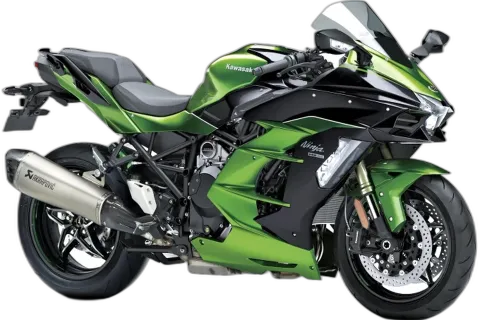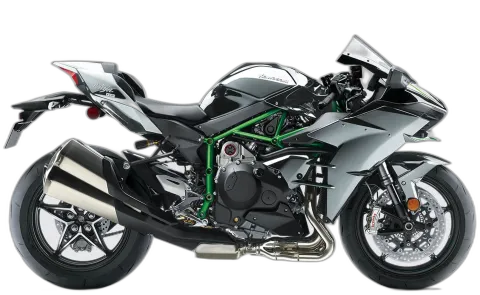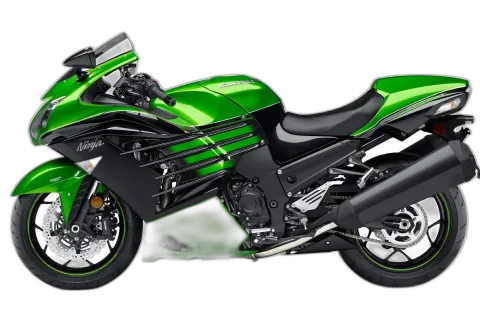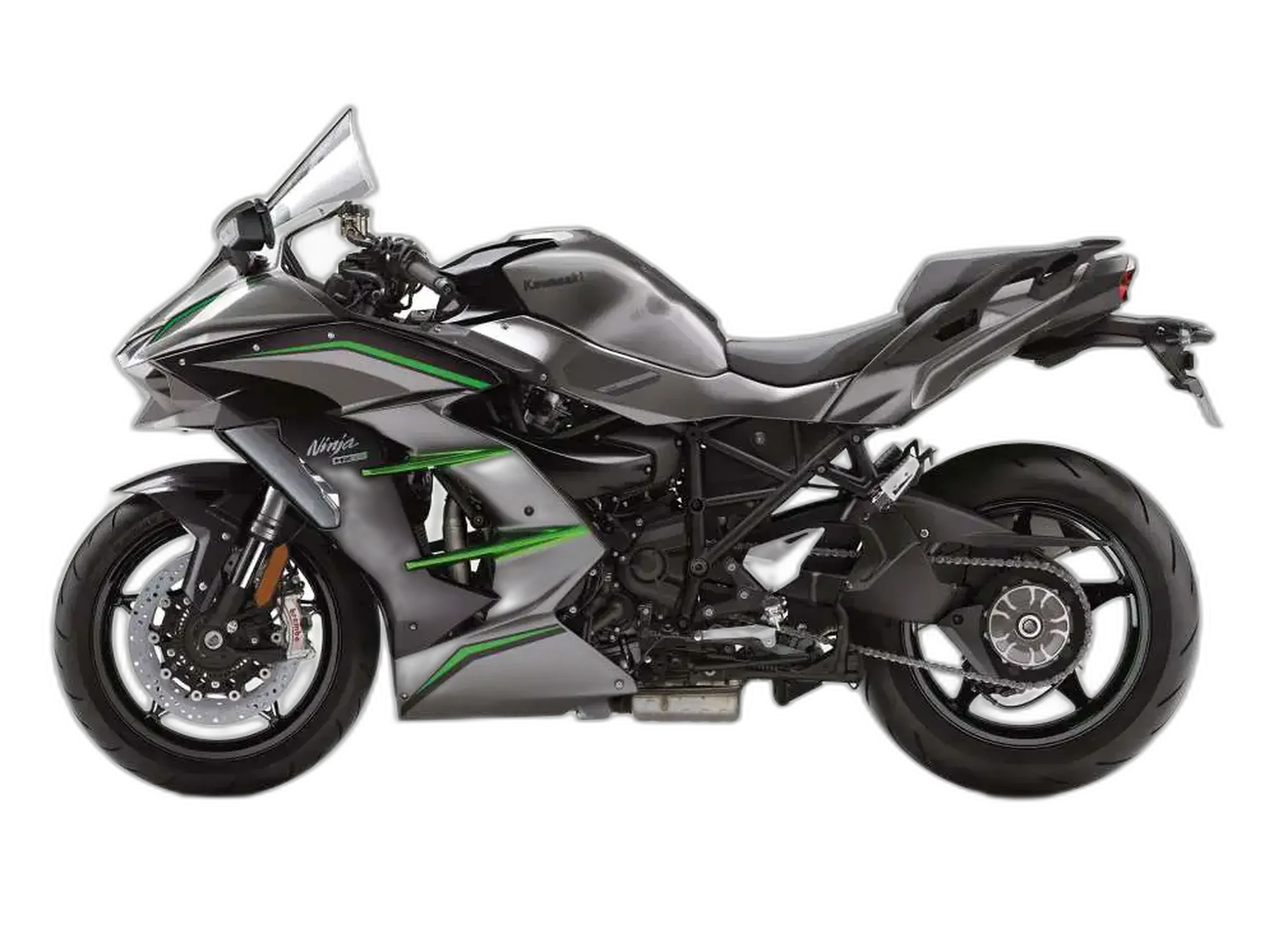
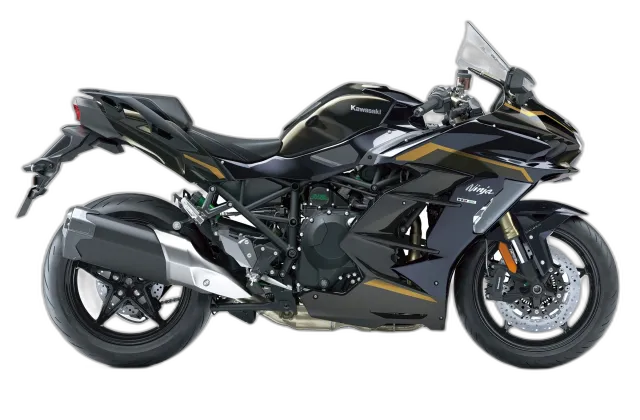
Kawasaki Ninja H2 SX (MY2018-SE) — Sport Tourer
NastyNils / Kawasaki Press

2018–2026 · Sport Tourer · A variant of the Ninja H2 SX

Ninja H2 SX SE (MY2018-SE)

Differences between the standard Ninja H2 SX and the SE

Two Hundred Horses, Long Roads

The Machine's Character

The supercharged 998cc inline-four is the entire argument. It makes 200 hp and 101 lb-ft, and it behaves like two separate machines wearing one set of bodywork. In traffic it loafs, quiet and unbothered, easy on the wrists. Open it hard on an on-ramp and something else entirely wakes up. This is Kawasaki's hyper sport-tourer, built to carry 573 lb of motorcycle with real authority. Standard electronics run deep: cornering ABS, traction control, ride modes, wheelie and launch control. The SE trim layers on a keyless system, a full up-and-down quickshifter, and tire-pressure monitoring.

On the road the drive builds at moderate revs and keeps pulling, so you rarely need to wind it out to make progress. It leans further than a bike this heavy has any right to, and it places itself precisely with a light hand. It should age well: service intervals are long, the supercharger asks for no special attention between them, and the whole thing feels built to last. The honest catch is mass. Quick direction changes take effort, the brakes want more hand pressure than a sportbike, and finding tires that survive both touring miles and full-throttle runs takes real homework.

Hard Numbers

Spec sheets don't ride bikes, but they set the baseline.

Show full specs & equipment Hide specs & equipment
Key specifications
Power 200 hp (147 kW) @ 11,000 rpm
Torque 101 lb-ft (137 Nm) @ 9,500 rpm
Displacement 998 cc
Engine Inline-four
Cooling Liquid-cooled
Gearbox 6-speed
Final drive Chain
Front tire 120/70 ZR17
Rear tire 190/50 ZR17
Seat height 32.9 in (835 mm)
Wet weight 573 lb (260 kg)
Fuel capacity 5.0 gal (19 L)
Fuel economy 41 mpg (US)

Equipment check

Chassis

  • Electronic Suspension Optional
  • Front Suspension Adjustable Standard
  • Rear Suspension Adjustable Standard
  • Cruise Control Standard

Comfort

  • Heated Grips Standard
  • Luggage System Optional

Connectivity

  • TFT Display Standard
  • Smartphone Connectivity Optional
  • Navigation Optional
  • Tire Pressure Monitoring (TPMS) Standard

Drivetrain

  • Quickshifter Standard

Lighting

  • LED Headlight Standard

Safety

  • ABS Standard
  • Cornering ABS Standard
  • Traction Control Standard
  • Ride Modes Standard

The Voice of Experience

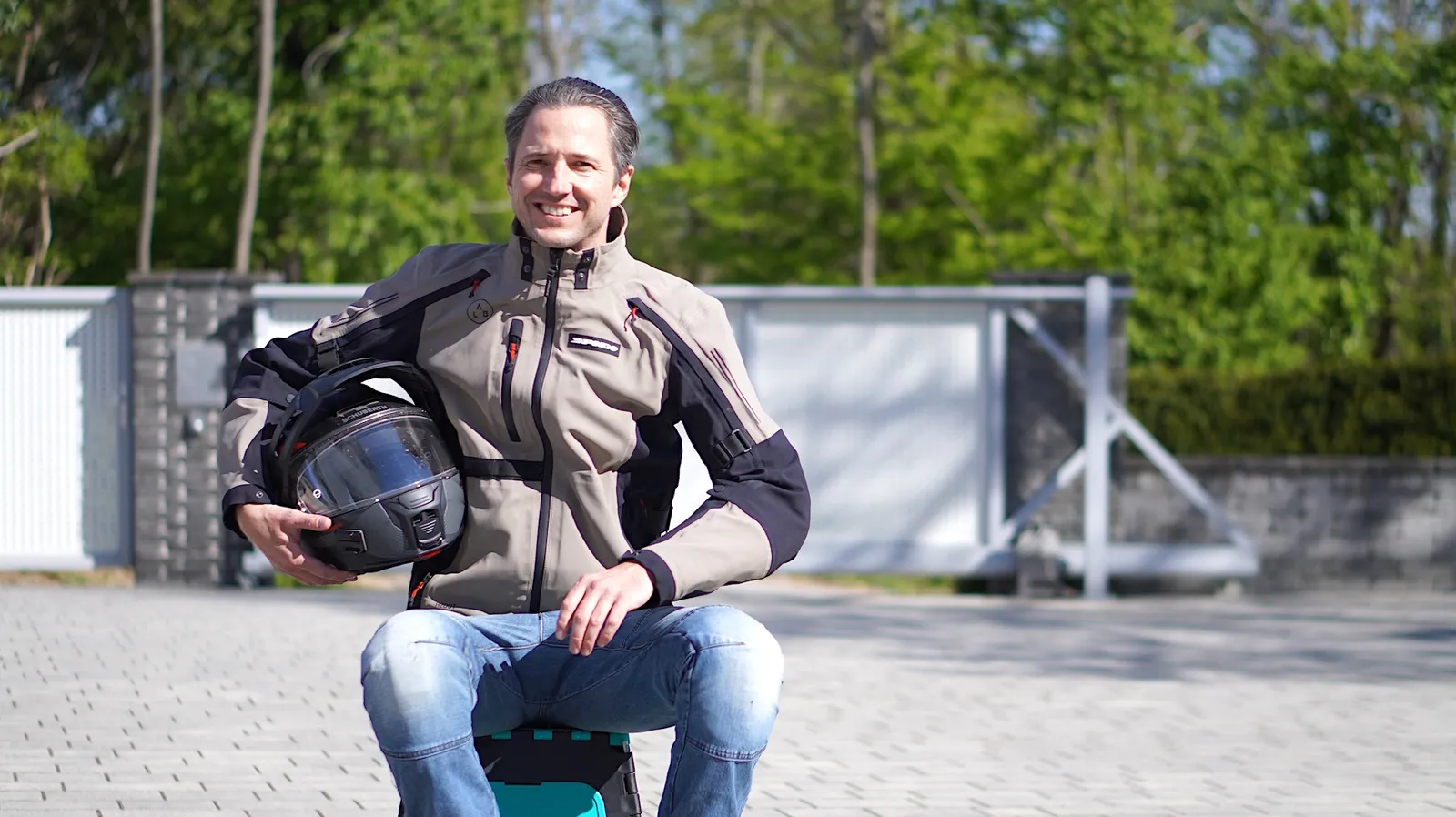
Portrait of NastyNils

The test ride

Swing a leg over and the seat sits higher and sharper than an adventure bike, closer to a sportbike's stance. At six feet you feel properly planted behind the fairing, which does genuine work once the speed climbs. Lean forward a touch and the wind becomes a brace you rest against rather than fight. The quickshifter is clean in both directions, no clutch, no fuss. Down low the steering lock is generous and the throttle is easy to meter, so parking lots and tight turns lose their usual stress on a bike this size. Cold out of the garage it pushes wide through the first few corners until heat comes into the tires. Taller riders past six feet will find the knee angle tight, and the GPS cradle sits too low to read comfortably at speed.

What the Ninja H2 SX SE Adds — Differences vs the Standard Ninja H2 SX

The Ninja H2 SX SE (MY2018-SE) builds on the standard Ninja H2 SX: the upgraded hardware, the key spec changes and where its character shifts. The full ride, specs, scoring and verdict are all right here on this page.

Equipment the SE adds vs the standard Ninja H2 SX

Added
Keyless SystemTire Pressure Monitoring (TPMS)

Premium hardware the SE brings

  • Transmission Quickshifter Down An up-and-down quickshifter for clutchless shifts both ways; the base H2 SX ships without a quickshifter at all.

How the SE shifts the character

Where it does less
  • A tamer, more muted exhaust note

Rated point by point — where it earns its keep

My own 0–100 score for this bike against the class, area by area — the marker on each bar is the class average.

What sticks with me here comes from a full day of track instruction. Even with my head occupied elsewhere, holding an accurate line stayed effortless, the bike quietly handling the difficult part of going quickly so the concentration it asks never crowds out everything else. A machine this fast usually taxes your focus hard; this one leaves you with plenty to spare, the riding staying tidy while your attention drifts where it wants.

On the SE the braided lines keep things honest under repeated hard stops at pace, the pressure point holding firm with nothing going soft or wandering as the pads heat. Feel is the strong suit here: you're never left guessing how much stopping power you've actually asked for. The catch is calibration. These aren't dialed in with a pure sportbike's initial bite, so you squeeze noticeably firmer to pull the same stop, and a rider arriving off a razor-sharp track weapon clocks that gap immediately.

The defining trick is how completely this engine changes character with your right wrist. Trickle through town and you could almost forget what you're sitting on, the motor idling along calm and undemanding, asking nothing of you. Drop a couple of gears and bury the throttle and a second, entirely separate machine steps forward, and it does so the instant you ask. The distance between those two temperaments is huge, and there's no lag in the handoff. What makes it usable rather than intimidating is that the shove is there at sensible revs and stays there right up the range, so you're never forced to chase the tach to make real ground. That's a flexibility no true supersport hands the average rider, and it's the single reason this thing works as well threading a town as it does when the road finally opens.

Faster corners are where this chassis earns its keep. Lean it hard and it carries an angle no bike wearing this much weight should manage, holding its line without a hint of complaint. The tradeoff arrives cold: roll out of the garage and it resists the first few bends, running wide until a few miles of heat wake the tires up, and it makes no secret of that while it happens. The electronic suspension, when a buyer springs for it, scrubs the old exit push the platform is known for and lets the whole thing flow through a turn with a cleanliness the base hardware can't quite match on its own. What the electronics can't rewrite is the heft in rapid side-to-side work, where tight sequences reward you but never feel light. The standard setup still adjusts fully, with a hydraulic preload dial out back, though semi-active damping stays off the menu at this money.

Where the comfort really registers is at the top of the speed range. Push into serious highway territory and the airflow stays tidy well past the point most sport tourers start battering your helmet with turbulence, so the shelter behind that fairing holds up when you need it most. It isn't a small-rider-only trick either: put a larger rider in heavy textile gear back there and the coverage is still doing honest work, and at around six feet you sit properly tucked out of the blast. The honest limit is legroom for the very tall. At six-one the knee bend is fine, but stretch past that toward six-five and it closes up quickly, so anyone at the upper end of the height chart should throw a leg over one before signing. For a machine you'll ride in long stints, that's the one ergonomic caveat worth checking in person.

For a forced-induction bike the maintenance demands are refreshingly light. The service schedule runs longer than the supercharged spec would lead you to expect, and the blower itself asks for nothing extra between those visits, which isn't the ownership burden most people brace for with a charger sitting up front. The genuine headache is tires. Sport rubber gives up on sustained full-throttle running while touring compounds reach their limit when you lean on them, and threading that needle takes real homework. Given the speeds on tap, the wrong pick isn't a small mistake.

The standout on the practical side is the optional hard luggage, and it isn't the fragile afterthought that phrase usually implies. I ran a full set at wide-open throttle through an entire track day and the bike stayed dead planted underneath it, panniers loaded and unbothered. This is baggage rated to travel at the same pace as everything else on the machine, not cases you baby along at touring speeds. Fit them and the touring brief holds up even when you're pressing hard.

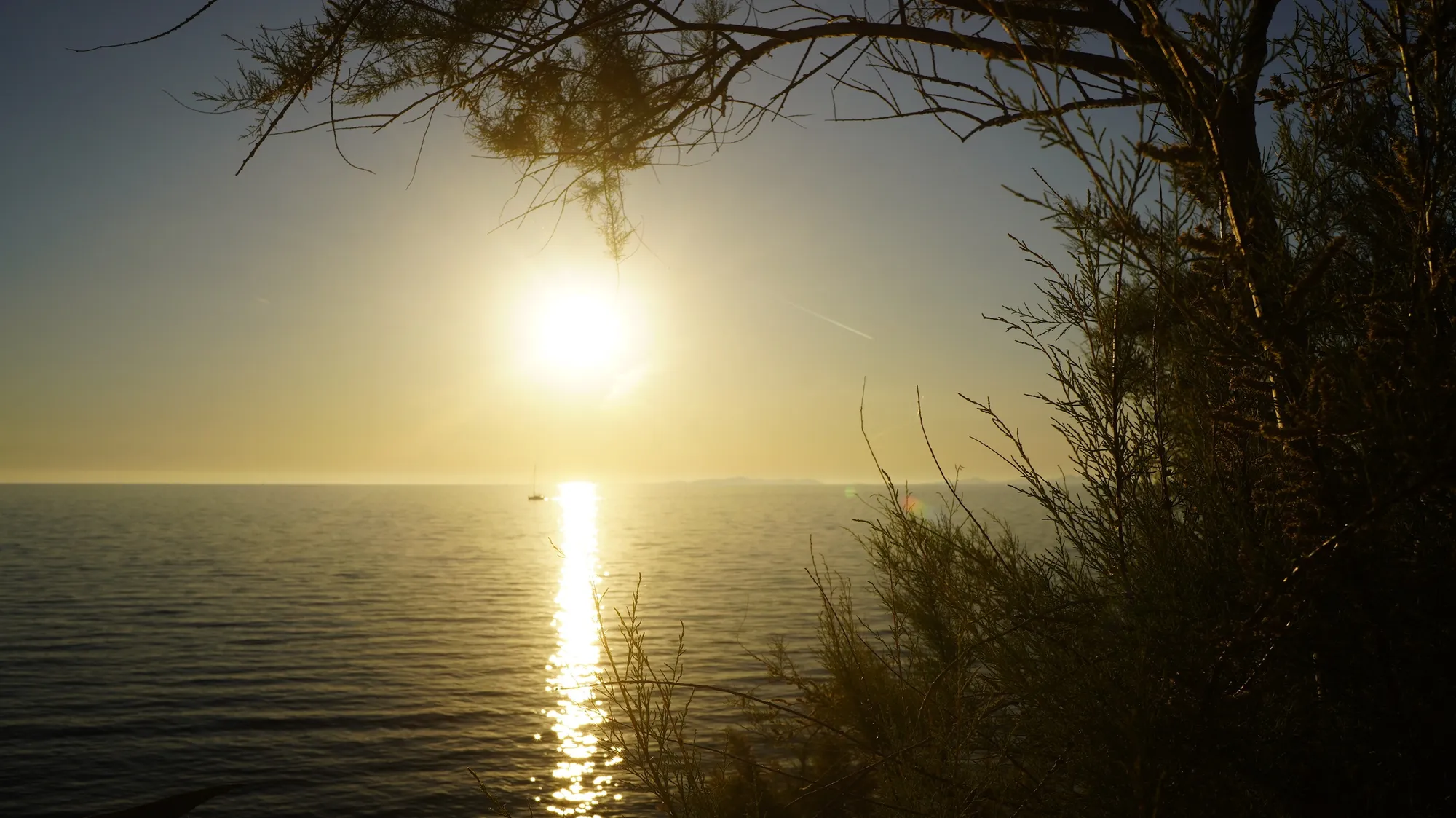
Sunset over the Adriatic Sea near Primosten, Croatia. Golden hour light bathes calm water in warm tones, with a small sailboat on the distant horizon. Rocky vegetation frames the right foreground. Clear skies and gentle conditions.

The Truth on the Street

Over the years I've gathered what riders themselves say about this bike, the way it surfaces in paddock talk, in long back-and-forth email threads, and in the notes owners send once they've lived with one for a season. Pool all of it together and the same shape keeps showing up: people buy the H2 SX for its engine, keep it for the comfort, and the ones who grumble mostly wish it were lighter and cheaper to run.

Why they buy it: the engine

The supercharged four is the first thing almost everyone brings up. Owners describe a huge, even shove that arrives low in the rev range and makes highway passes feel like nothing, a delivery that stays silky the whole way up the tach with next to no buzz coming through. The detail they linger on is the whistle the blower gives off when you roll off the gas, and the sense that something spooling rather than firing is doing the work. Plenty cheerfully admit it tempts them into far more throttle than they need, and most come away saying it turns an ordinary ride into an event.

The reasons they keep it

After the motor, comfort is the constant. Riders routinely knock out hundreds of miles in a single sitting and climb off without the aches they braced for, crediting a deep seat, a broad fairing, a tall screen, and a cockpit they call properly plush. That composure carries at speed, with the frame and suspension staying settled and planted well into three-figure territory. Build quality draws the same steady nods: people rate the fit and finish highly and report that the detuned engine holds up over the long haul, with little going wrong on stock machines. The rider aids round out the appeal, and the cornering ABS and launch control get singled out as the sort of backup that makes the bike easy to trust.

What they'd change

The gripes cluster tightly, and mass leads them. Fully fueled the bike runs 573 lb (260 kg), and owners feel every pound of it paddling around a lot or lining up a tight U-turn, where it wants firm, deliberate input that a lighter sport-tourer wouldn't. A smaller group asks more of the front tire when the pace climbs, saying the feedback goes vague on cold or wet roads right when they'd like more confidence. Range comes up too, since the 5.0-gallon (19 L) tank and real-world economy near 41 mpg have riders hunting fuel a bit past 190 miles, sooner than a dedicated tourer really should. Two quieter notes finish the list. The six-speed can feel notchy and clunky in relaxed shifting, and the scheduled valve services land pricier than most owners plan for.

Known issues

  • Center stand pin weld failure

    bodyworkrareRecall

    On early 2018 models, the center stand spring pin was improperly welded, which could cause the pin to shift or fall off. If the spring detaches, the center stand may drop and drag while riding, creating a crash hazard. Kawasaki issued NHTSA recall 18V‑580 to replace the left center stand bracket on affected units.

  • Cast piston vulnerability under high boost

    enginerare

    The SX versions use cast pistons instead of the forged pistons found in the H2 and H2R. When owners alter the ECU for significantly higher boost levels, the piston ring lands are prone to cracking, leading to engine failure. Stock engines operated within factory parameters do not appear to be affected.

  • Thin paint prone to chipping

    bodyworkoccasional

    Some owners report that the factory paint, particularly on the tank and fairing edges, is unusually thin and susceptible to stone chips and scratches, even with normal use.

  • Thin paint on bodywork

    bodyworkrare

    The paint on the fairing is thin and prone to chipping from road debris.

The Expert Benchmark

Where this Kawasaki Ninja H2 SX pulls ahead of — or falls behind — its rivals on the numbers, and the typical bike in its class on character.

What kind of bike this is — character vs. the class

This bike Class average

The shape of the Kawasaki Ninja H2 SX — numbers and character vs. the average Sport Tourer

Head-to-head: Kawasaki Ninja H2 SX vs. its rivals

The Long-Haul Verdict

Forget spec-sheet bragging. Here's who the Ninja H2 SX is actually built for.

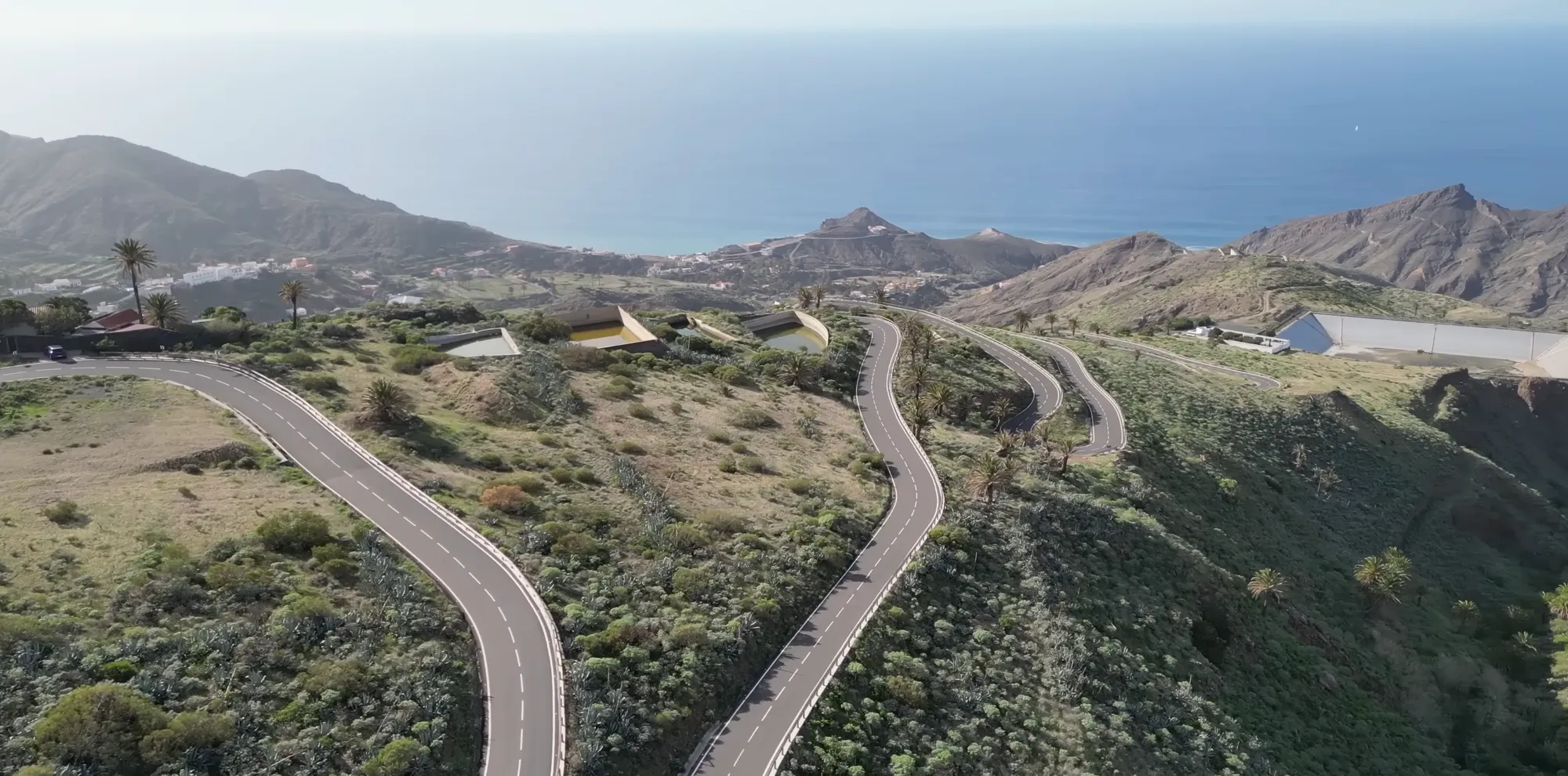
Aerial view of a winding asphalt road cutting through volcanic terrain on La Gomera, Canary Islands. The road curves through sparse green vegetation with rocky volcanic peaks visible in the background and a settled valley to the left. Clear lane markings, dry climate, partly cloudy sky.

Best motorcycle for Highway 1?

For Highway 1 and Blue Ridge day rides that mix corners, comfort, and scenery, this fits you well. It carves willingly and shelters you for hours, as long as you accept its weight in the tight stuff.

Made for Black Hills · Blue Ridge Parkway · Cherohala Skyway
Best touring motorcycle for long distance?

Loaded and two-up across Going-to-the-Sun and Beartooth, it carries the weight with authority, and the luggage is rated to run at full throttle. The high, sharp seat is the trade you make.

Made for Beartooth Highway · Blue Ridge Parkway · Going-to-the-Sun Road

Best motorcycle for Tail of the Dragon?

On the Tail of the Dragon and Cherohala you'll love how precisely it places itself, but a bike this heavy fights you in tight chicanes. It rewards smooth stability more than quick flicks.

Made for Back of the Dragon · Blue Ridge Parkway · Cherohala Skyway

Alternatives to the Kawasaki Ninja H2 SX

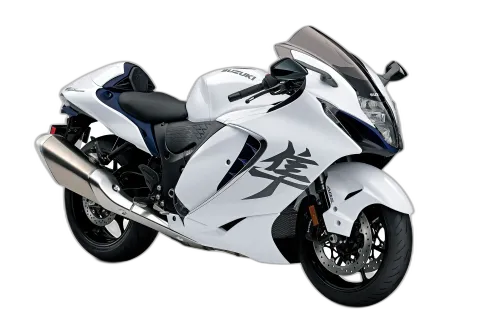
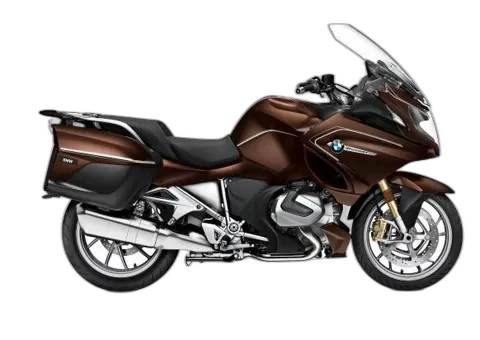
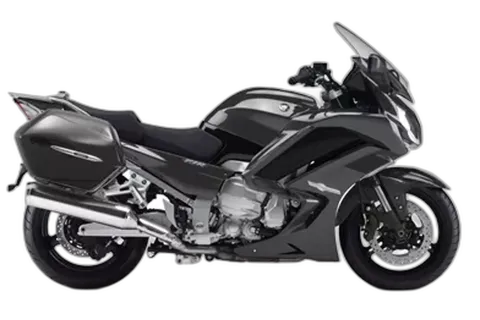
If this one isn't quite the fit, these are the bikes worth riding back-to-back against it.

Any price note compares both bikes at the same age — the youngest age both have on the used market — against this Kawasaki Ninja H2 SX. “cheaper/pricier” is what that bike costs second-hand, not how worn it is.