·

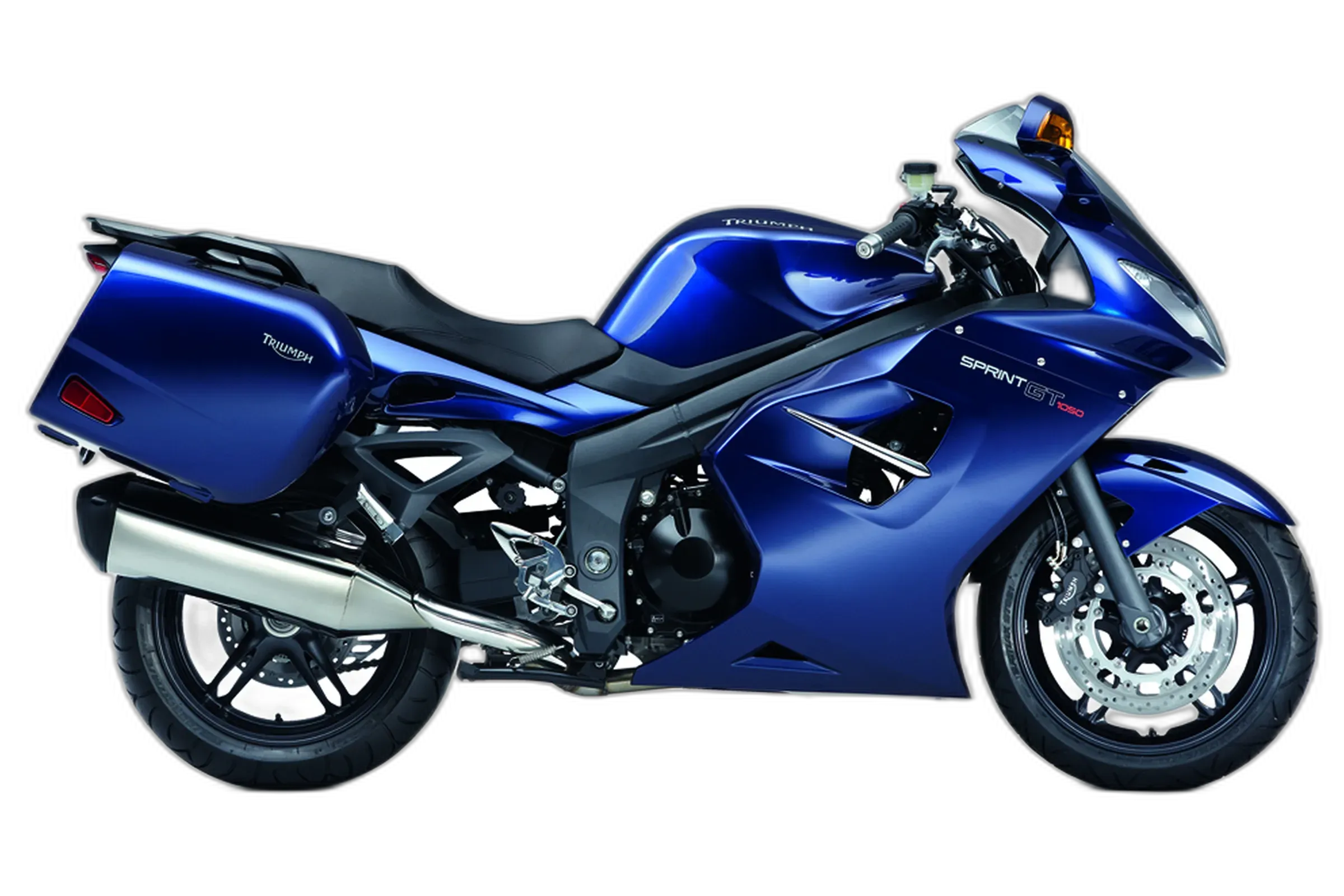
Triumph Sprint GT (MY2010) — Sport Tourer
NastyNils / Triumph press archive

2010–2016 · Sport Tourer · Buyer's Guide

Sprint GT (MY2010)

The Triple That Just Works

The Machine's Character

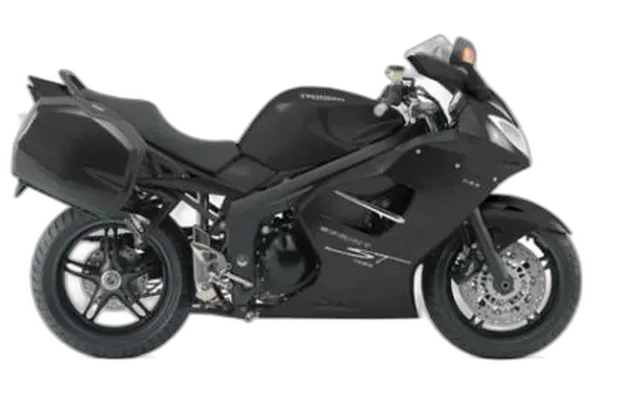
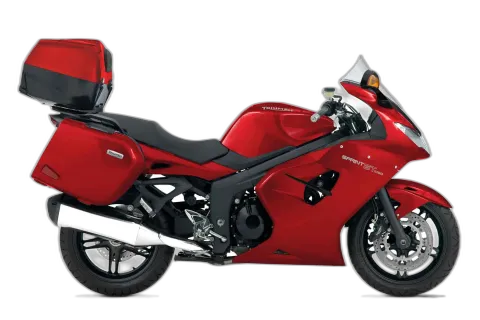
The Sprint GT runs a 1050cc inline-three tuned for the long haul, 128 hp up top and a fat 80 lb-ft that sits almost everywhere in the rev range. There's a single engine map and standard ABS, so nothing gets between your wrist and the road. Triumph gave it a long 60.5 in wheelbase, which trades some back-road sharpness for the kind of high-speed stability that holds a line loaded or solo. Standard lockable panniers and a genuine overdrive sixth gear make its intent plain: this is a distance machine first, and a sporty one second.

On the road it rides relaxed and neutral, happy to cover 300-mile days without wearing you out. It ages well if you stay ahead of the maintenance, and the two spots that need attention are well known. The single-sided swingarm's eccentric chain adjuster wants regular greasing or it seizes, and the rear suspension linkage pivots corrode if they're left alone. This bike is for the rider who values arriving fresh over chasing apexes. The honest caveat: the comfort-tuned suspension runs out of composure on broken tarmac at speed, and hard braking asks for a firm hand at the lever.

Hard Numbers

Spec sheets don't ride bikes, but they set the baseline.

Show full specs & equipment Hide specs & equipment
Key specifications
Power 128 hp (96 kW) @ 9,200 rpm
Torque 80 lb-ft (108 Nm) @ 6,300 rpm
Displacement 1050 cc
Engine Inline-three
Cooling Liquid-cooled
Gearbox 6-speed
Final drive Chain
Fork Telescopic
Front brake 320 mm
Front tire 120/70-17
Rear tire 180/55-17
Wheelbase 60.5 in (1537 mm)
Seat height 32.1 in (815 mm)
Wet weight 591 lb (268 kg)
Fuel capacity 5.3 gal (20 L)
Top speed 160 mph (257 km/h)
Fuel economy 40 mpg (US)

Equipment check

Chassis

  • Front Suspension Adjustable Standard
  • Rear Suspension Adjustable Standard

Comfort

  • Luggage System Standard

Safety

  • ABS Standard

The Voice of Experience

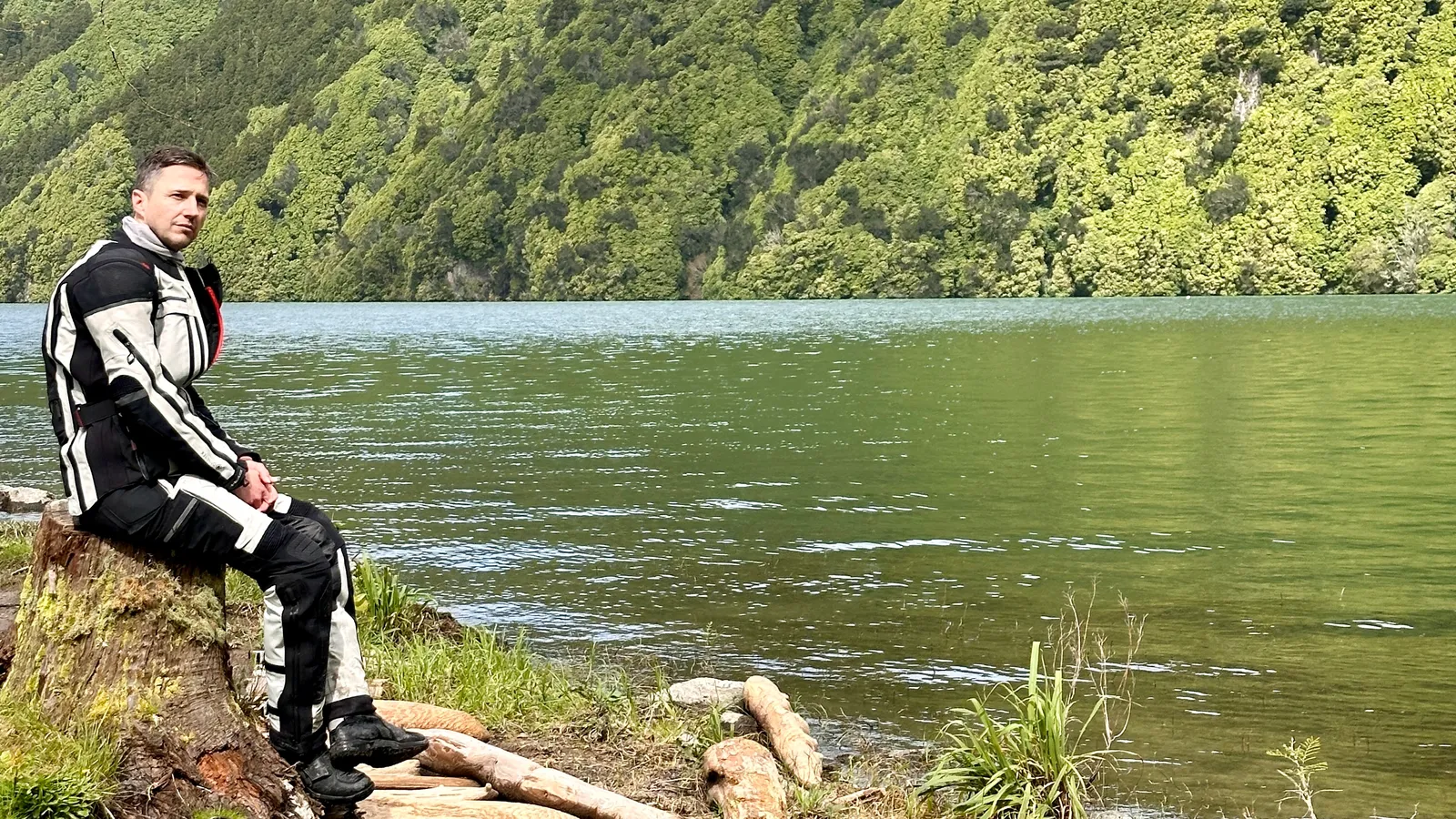
Portrait of NastyNils

The test ride

Swing a leg over and the triple settles into that off-beat thrum that never sours into drone, even with the overdrive doing its quiet work at highway speed. The riding triangle is the real story. A full day at pace and there's no stiffness in the knees, no numbness in the backside; the bars and pegs land right where your body wants them. Wind protection does genuine work from a city crawl to well past highway pace, so you're not braced against the airblast for hours on end. The panniers were sized around an XXL full-face helmet and it shows, and they lock with the same key that starts the bike. Heat routes away from the saddle too, so you're not slowly cooking on a long slog. You climb off after a big day feeling like you could turn around and do the whole thing again tomorrow.

Rated point by point — where it earns its keep

My own 0–100 score for this bike against the class, area by area — the marker on each bar is the class average.

What stays with me after a long day is how little this bike takes out of me. The seating geometry keeps me in a natural posture from the first mile to the last, so fatigue never settles into my legs or lower back. The fairing pulls its weight at every touring pace, and routing warmth clear of both saddles earns its keep most in slow traffic, when a lesser machine starts to roast you.

What I trust in this triple is the directness. One map sits behind the throttle and it asks nothing of me; my wrist and the rear wheel stay in constant conversation, from a crawl through town to a hard drive out of a bend. The spread of grunt is what makes it so easy to live with. There's enough low down to hold a taller ratio through a slow corner and enough on top when I want it, and the motor never pushes me toward one choice or the other.

The steering here is all about predictability. Lean builds in step with what I ask of it, and it holds whatever radius I set without second-guessing, which keeps the bike relaxing over a long day instead of nervous. The trade-off is the suspension. It's sprung soft for comfort, so when the surface turns bad at a real clip the chassis is slow to gather itself. You can still press through corners; the setup just isn't inviting you to.

The one detail I keep coming back to here is the top gear. Sixth is geared tall enough to act as a proper overdrive, so once I'm settled into a steady highway cruise the engine drops well down in the rev range and goes quiet, and the fuel figures move in my favor. It isn't there for accelerating, and I don't ask it to. As a relaxed ratio for holding big-distance speed all day, it does its single job cleanly and gives me one fewer thing to manage.

For the everyday work of a tourer these brakes are exactly right. The feel at the lever is clear, the bite arrives gradually rather than grabbing, and dialing in exactly the retardation I want is second nature. Where they show their limit is under a genuine emergency stop. To pull the bike down really hard I have to squeeze with real intent, and there's no disguising the effort in that moment. They stop the bike; they just don't make it feel light when the pressure is on.

The best measure of this bike came at a rest stop. Normally that's where the war stories start, the near-misses and the wheelie tales. This time none of that came up. The group was comparing the color of the forests we'd ridden through and the little guesthouses in the towns along the way. The machine had carried everyone across the landscape without ever provoking a moment of drama, and not one rider seemed to want it any other way.

Beyond the panniers, the storage here is genuinely usable. Everything locks off the ignition key, so there's one key for the bike and the cases, plus a lockable cubby under the seat and a small front compartment that holds a phone and wallet. Load it to the limit and the bike stays composed. The rear end doesn't wallow or shimmy at highway speed with the full kit aboard; it simply carries the weight and gets on with the miles.

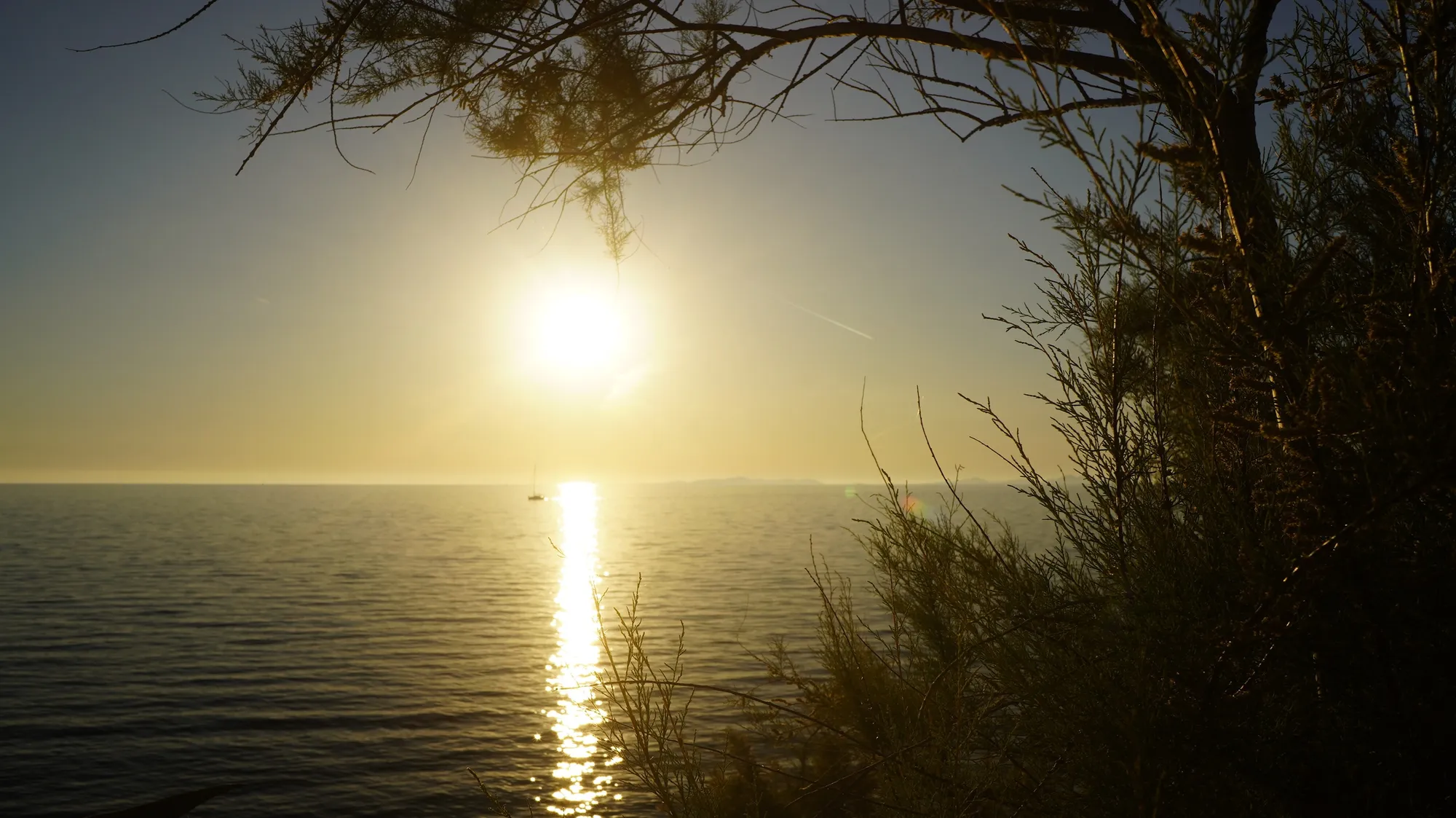
Sunset over the Adriatic Sea near Primosten, Croatia. Golden hour light bathes calm water in warm tones, with a small sailboat on the distant horizon. Rocky vegetation frames the right foreground. Clear skies and gentle conditions.

The Truth on the Street

For years I've kept my ear on what Sprint GT owners tell me: long back-and-forth threads, talk at fuel stops, and the messages riders send me directly after living with one for a season or two. The pattern that comes back is steady. This is a bike people trust and hold onto, with a short list of gripes that surfaces again and again.

What Owners Reach For

The triple is the constant in the praise. Riders point to its strong low- and mid-range drive, the linear free-revving feel, and an exhaust note they never tire of on a long day. Comfort runs a close second: a plush ride, a broad seat, and a pillion perch owners call unusually roomy for the class. Many also rate the engine close to unbreakable, and plenty note how little a clean, low-mileage example now costs for a 128 hp tourer with factory luggage.

The Gripes That Recur

The steady complaint is the handling. Riders find it slow to turn and reluctant to change direction on a twisty road. A notchy gearbox that wants deliberate shifts comes up often, as does a front brake that feels wooden and needs a firm pull to haul the bike down hard. Fewer riders, though enough to note, mention tight fuel range on a spirited run and headlights that leave unlit roads short of light.

Known issues

  • Safety recall: incorrect oil filler plug/dipstick length

    bodyworkrareRecall

    Triumph recalled selected 2010 Sprint ST and GT motorcycles because the plug/dipstick was of an incorrect length, potentially leading to inaccurate oil level readings and engine damage.

  • Sprag clutch failure (early engines)

    enginerare

    A weak sprag clutch on early 1050 engines can fail, causing harsh starting noises and potential damage; later models received an updated unit.

  • Seized eccentric chain adjuster

    chassisoccasional

    The single‑sided swingarm’s eccentric adjuster can seize if not regularly greased, making chain tensioning difficult. Preventive maintenance every 12,000–18,000 miles is advised.

  • Corrosion of rear suspension linkage pivots

    suspensionoccasional

    The bearing pivots in the rear linkage are prone to corrosion if not stripped and greased regularly, leading to squeaks and rough movement.

  • Regulator/rectifier failures (less common than on ST)

    electricsrare

    Some owners report premature regulator‑rectifier failure causing charging system issues; the GT’s unit is improved over the ST, but occasional failures still occur.

The Expert Benchmark

Where this Triumph Sprint GT pulls ahead of — or falls behind — its rivals on the numbers, and the typical bike in its class on character.

What kind of bike this is — character vs. the class

This bike Class average

The shape of the Triumph Sprint GT — numbers and character vs. the average Sport Tourer

Head-to-head: Triumph Sprint GT vs. its rivals

The Long-Haul Verdict

Forget spec-sheet bragging. Here's who the Sprint GT is actually built for.

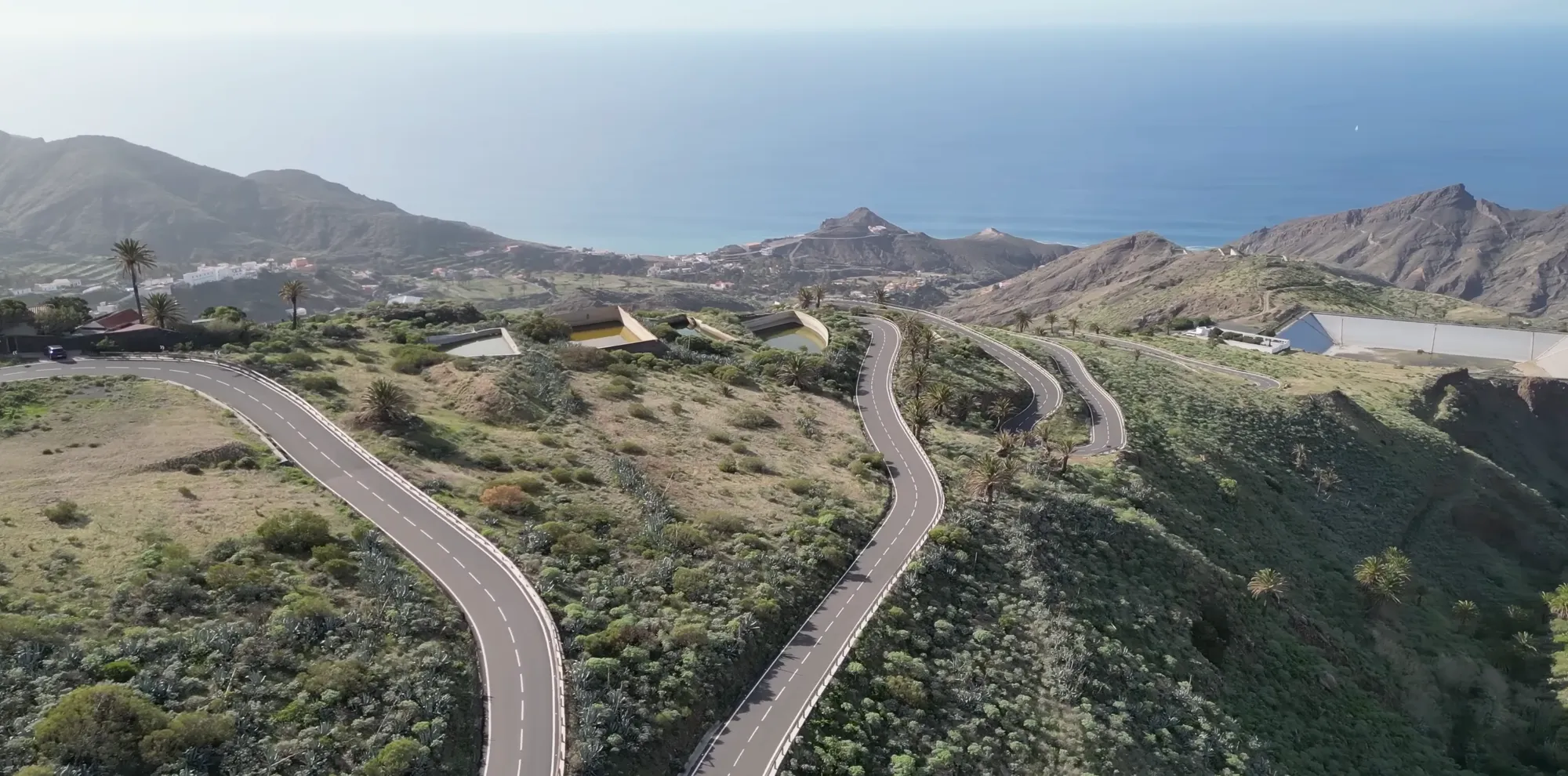
Aerial view of a winding asphalt road cutting through volcanic terrain on La Gomera, Canary Islands. The road curves through sparse green vegetation with rocky volcanic peaks visible in the background and a settled valley to the left. Clear lane markings, dry climate, partly cloudy sky.

Best motorcycle for Highway 1?

If your weekends run Highway 1, the Blue Ridge, and Mount Lemmon at a real pace, this is your bike. It handles 200 to 400 mile days in comfort and lets the scenery, not the drama, run the show.

Made for Black Hills · Blue Ridge Parkway · Cherohala Skyway

Best touring motorcycle for long distance?

Loaded for two and pointed at Going-to-the-Sun or Beartooth, it stays planted with the cases full and keeps the wind off you for hours. The distance-first setup is right in its wheelhouse.

Made for Beartooth Highway · Blue Ridge Parkway · Going-to-the-Sun Road

Best motorcycle for Tail of the Dragon?

You'll enjoy the flow on the Dragon and Cherohala, and the linear turn-in is easy to read. Just know the soft, comfort-first suspension holds you back once you push hard on rough pavement.

Made for Back of the Dragon · Blue Ridge Parkway · Cherohala Skyway