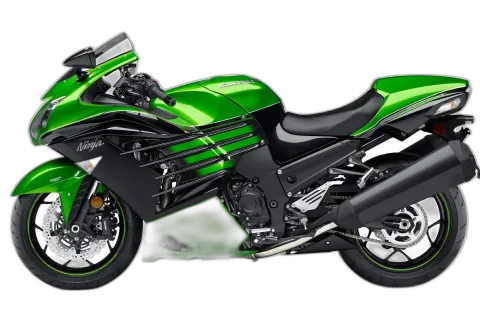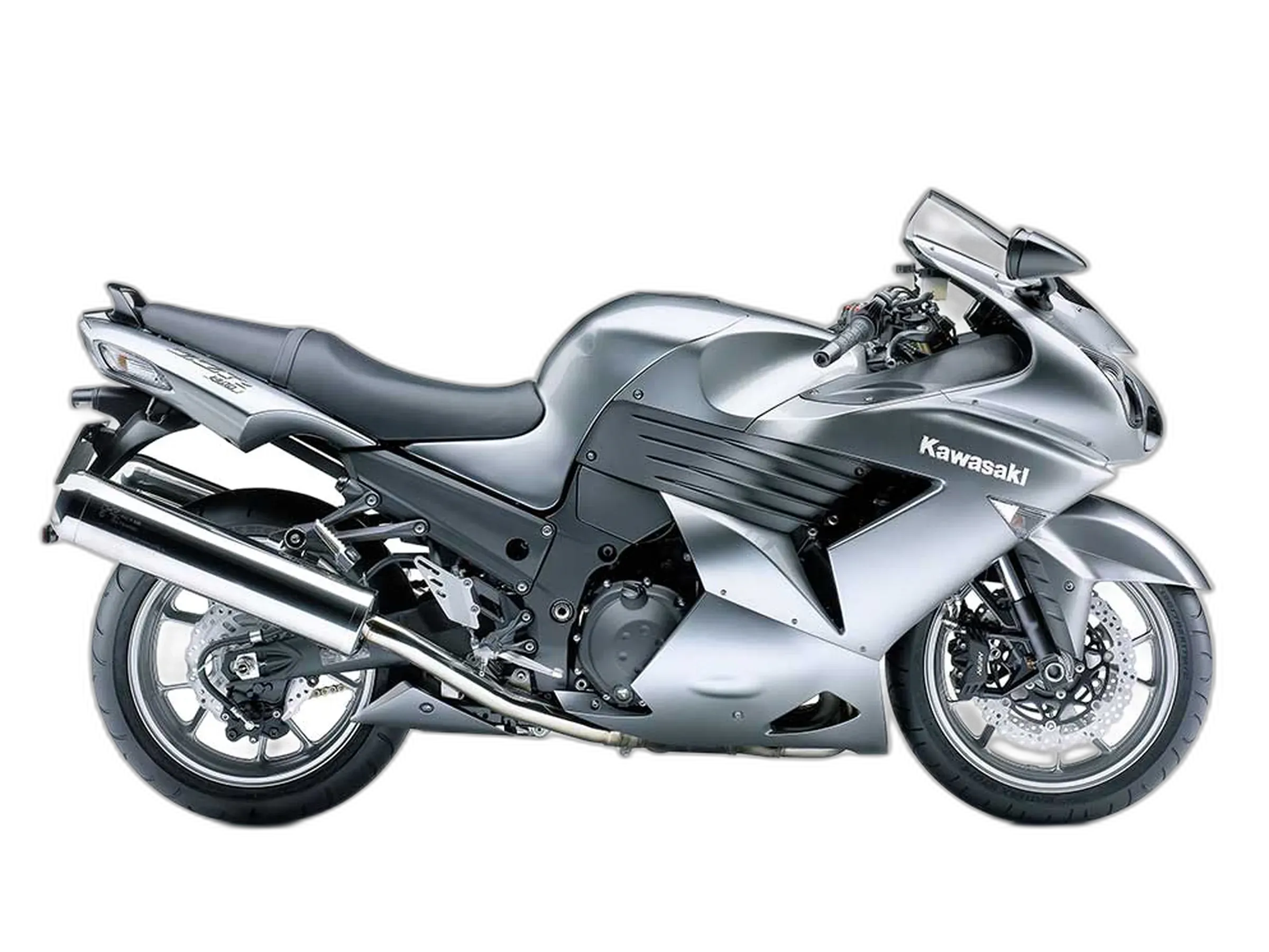
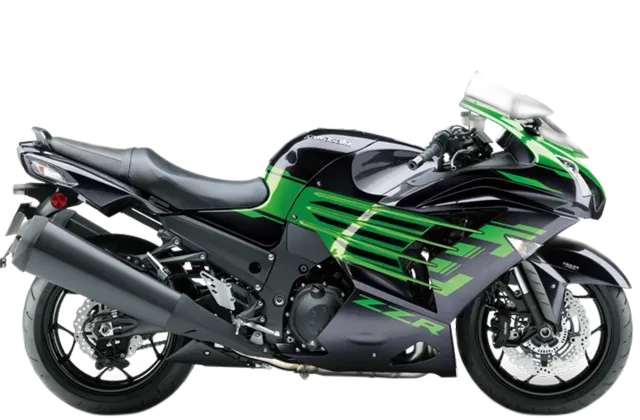
Kawasaki ZZR 1400 (ZX14R-MY2010) — Supersport
Kawasaki press archive

2010–2011 · Supersport · Buyer's Guide

ZZR 1400 (ZX14R-MY2010)

186 mph, Couch Comfort

The Machine's Character

The heart of it is a 1352 cc inline-four making 192 hp at 9,500 rpm and 114 lb-ft at 7,500 rpm, and it does its best work long before either of those peaks arrives. Kawasaki wrapped that engine in an aluminum frame, gave it fully adjustable suspension at both ends and a steering damper as standard equipment, then left the rider in charge of everything else. No traction control, no ride modes, no electronic safety net. ABS was an option rather than a fixture. What you get is a big, honest, mechanically pure fast motorcycle with a 186 mph (299 km/h) ceiling.

Ridden normally it feels calm and slightly under-worked. Roll the throttle in almost any gear and it simply goes, which makes it relaxed on long open stretches and genuinely serious when the road opens up. It ages well: the engine is durable, and there is deep aftermarket support for anyone who wants to change things. The caveat is plain. At 567 lb (257 kg) wet this is a lot of motorcycle at walking pace, and with no traction control and ABS only if the first owner ticked the box, all 192 hp land on your right wrist alone. It rewards riders who already know what they are doing.

Hard Numbers

Spec sheets don't ride bikes, but they set the baseline.

Show full specs & equipment Hide specs & equipment
Key specifications
Power 192 hp (141 kW) @ 9,500 rpm
Torque 114 lb-ft (154 Nm) @ 7,500 rpm
Displacement 1352 cc
Engine Inline-four
Cooling Liquid-cooled
Gearbox 6-speed
Final drive Chain
Fork Upside-down (USD)
Front brake 310 mm
Front tire 120/70-17
Rear tire 190/50-17
Wheelbase 57.5 in (1460 mm)
Seat height 31.5 in (800 mm)
Wet weight 567 lb (257 kg)
Fuel capacity 5.8 gal (22 L)
Top speed 186 mph (299 km/h)
Fuel economy 36 mpg (US)

Equipment check

Chassis

  • Front Suspension Adjustable Standard
  • Rear Suspension Adjustable Standard
  • Steering Damper Standard

Safety

  • ABS Optional

The Voice of Experience

Portrait of NastyNils

The test ride

Swing a leg over and the size registers before anything else. The seat sits at 31.5 in (800 mm), so most riders get their feet down without drama, but the bike is broad across the tank and you feel every one of those 567 lb (257 kg) walking it backward out of a parking spot. Once rolling, that impression evaporates. The four is remarkably smooth, closer to a turbine than a piston engine, with a deep intake note instead of a hard mechanical bark. The bars sit where your hands naturally fall and there is real legroom, so your wrists are not holding you up. Behind the wide fairing and tall screen the air goes quiet at speeds that would have you fighting the wind on a naked bike. At road pace the whole machine feels settled, low-effort, and mildly bored. That is the point of it.

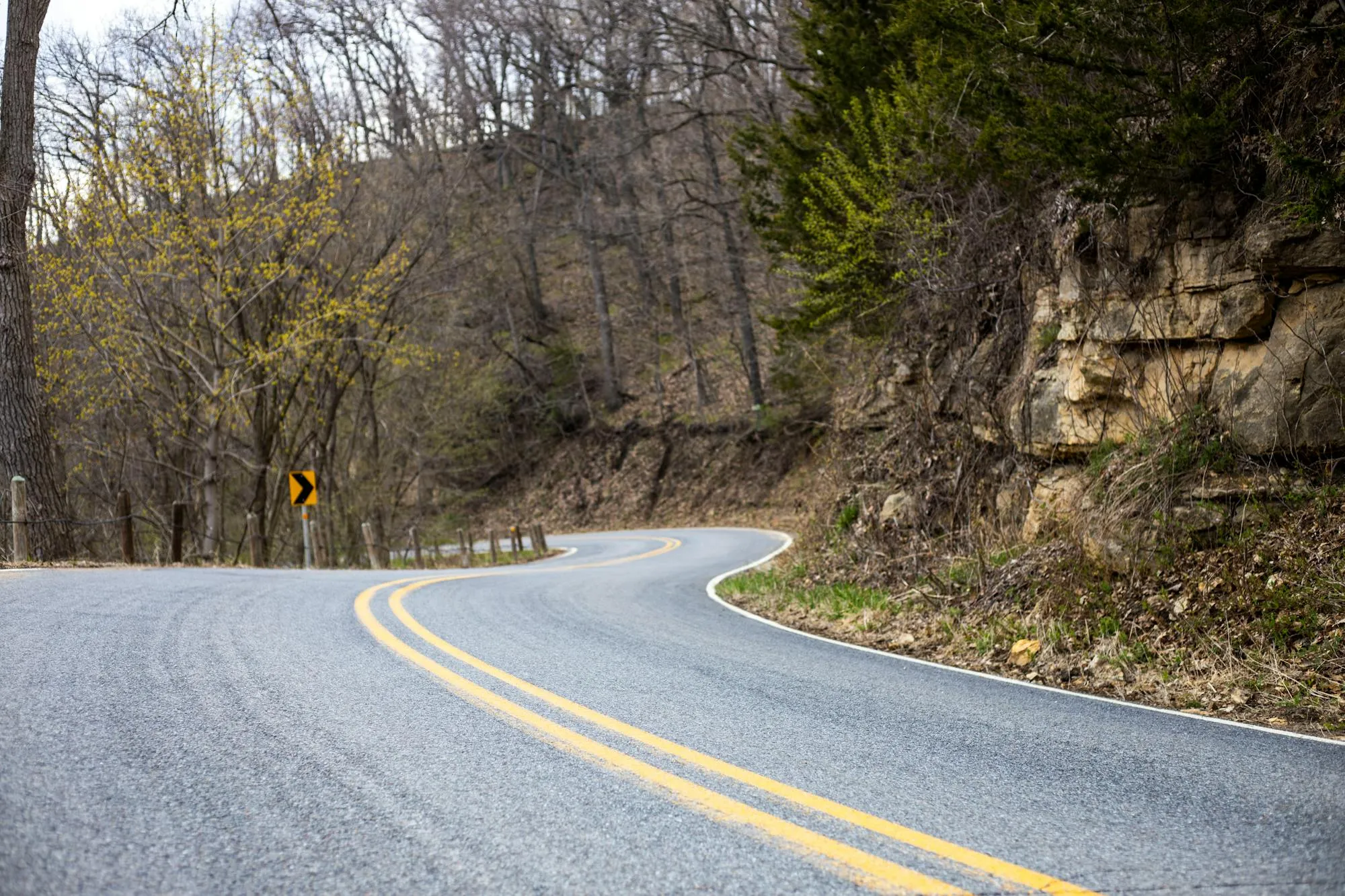
A winding two-lane asphalt road in the Appalachian mountains, photographed in dry daylight. Yellow double-center line markings guide through a series of tight left-hand curves. Dense deciduous and evergreen forest flanks both sides; a rock cut is visible on the right. The road surface and geometry suggest a technical, high-traffic riding corridor popular with motorcyclists.
Chris Flaten / Pexels

The Truth on the Street

This part is not my own test. It is what riders have told me over the years, at bike nights and fuel stops, in owner conversations, and in the mail that keeps landing in my inbox. For this Kawasaki the picture is unusually settled. Engine and distance draw the praise, and the criticism waits until the pace drops.

The engine carries the conversation

Riders reach for the acceleration first, describing something ferocious that feels relentless no matter which gear they are in. Almost as consistently they talk about the pull low down, where the motor has enough authority that passing and fast cruising happen without working the gearbox. Comfort is the other constant: the upright, well-padded seating, the broad bodywork, and a screen that genuinely works let owners put very long days behind them without much fatigue. They also describe it as steady and confident when the road opens into long, fast bends.

Where the complaints gather

The recurring gripe shows up when the speed drops. Owners call the length and weight a handful in tight corners and when moving it around by hand, a machine you muscle more than steer. Braking is the next theme, with warped front discs, a shudder under the lever, and calipers that lose their bite unless they get meticulous attention. Riders who push hard report the standard shock giving up over bumps and under drive, and many fit a replacement.

Known issues

  • Front brake disc warping

    brakes common

    Many owners experience vibration through the lever due to warped front discs, often within the first 10,000 miles. Aftermarket discs provide a lasting fix.

  • Radiator corrosion

    cooling occasional

    Dirt and moisture trapped behind the lower fairing accelerate corrosion on the radiator; eventually leaks develop. Regular cleaning and inspection are advised.

  • Throttle lag from subthrottle plates

    fuel system occasional

    Some bikes exhibit a pronounced hesitation when rolling on the throttle at low rpm, caused by slow-responding secondary throttle valves. A remap or replacement aftermarket module can fix it.

  • Cam chain tensioner rattle on startup

    engine common

    The automatic hydraulic tensioner takes a moment to pressurize, causing a loud metallic rattle until oil pressure builds. Updated tensioners reduce but don't eliminate the noise.

  • Sensor failures triggering warning lights

    electrics occasional

    Some owners encounter intermittent engine warning lights due to failing cam position or oxygen sensors. Codes can be read via the dash but replacement is often needed.

The Expert Benchmark

Where this Kawasaki ZZR 1400 pulls ahead of — or falls behind — its rivals on the numbers, and the typical bike in its class on character.

What kind of bike this is — character vs. the class

This bike Class average

The shape of the Kawasaki ZZR 1400 — numbers and character vs. the average Supersport

Head-to-head: Kawasaki ZZR 1400 vs. its rivals

The Handshake Score

Forget spec-sheet bragging. Here's who the ZZR 1400 is actually built for.

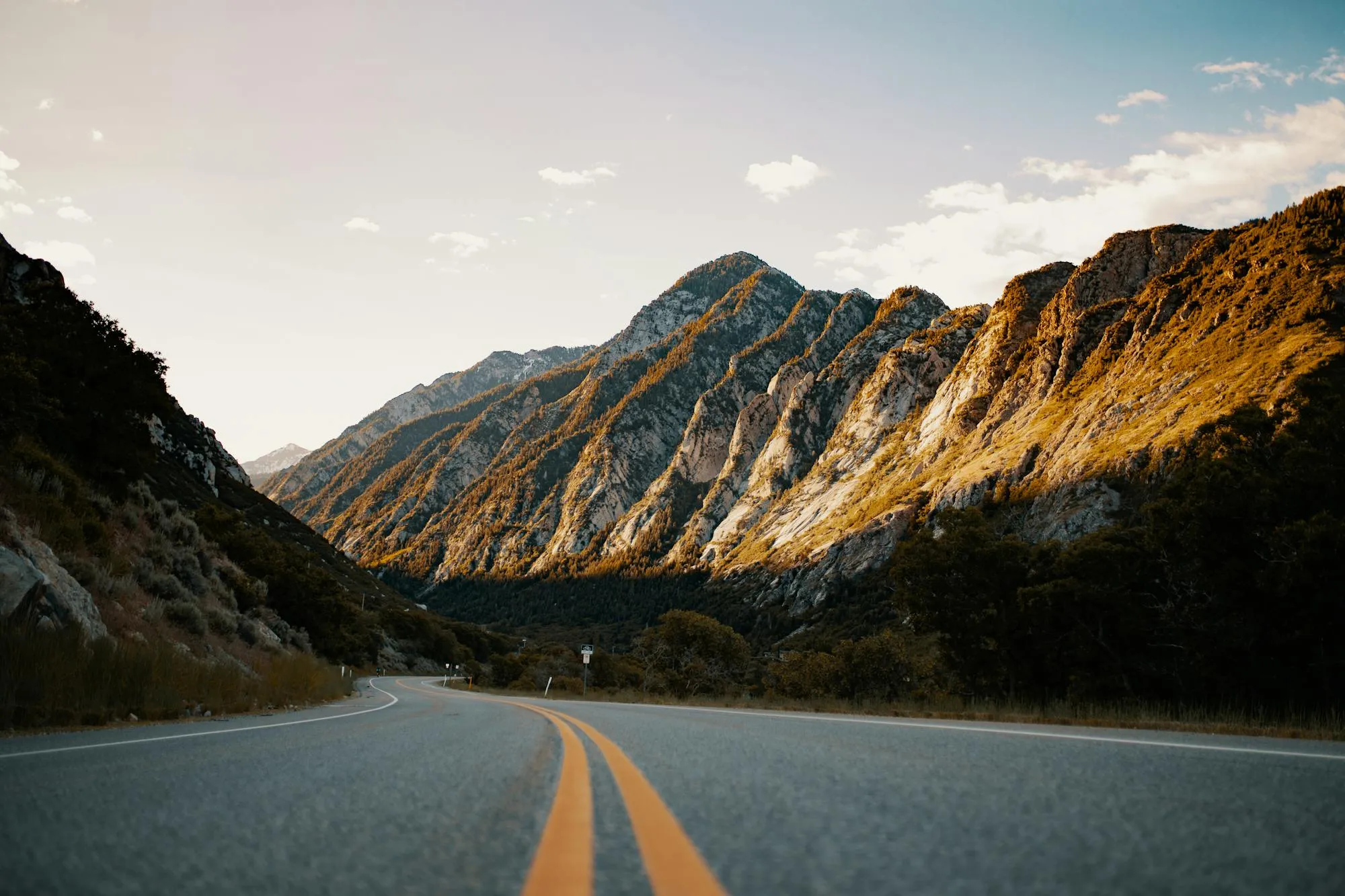
A scenic view of Angeles Crest Highway winding through rugged Southern California canyon terrain. Rocky mountainsides with golden earth tones frame the asphalt road with tight sweeping curves. Double yellow center line visible, sparse vegetation along the shoulders, clear blue sky with white clouds. Daylight, dry conditions. Iconic location for canyon-road enthusiasts.
Josh Sorenson / Pexels

Best motorcycle for Angeles Crest?

On the fast, flowing roads above Los Angeles this bike is in its element, stable and endlessly strong out of the sweepers. Tight low-speed switchbacks are where you pay for the weight.

Made for Angeles Crest Highway · Coronado Trail / US 191 · Highway 1 / Big Sur
Best motorcycle for Tail of the Dragon?

The Dragon's tight, repeating turns fight the size of this thing, and you will work to keep it tidy. On the faster Cherohala and Blue Ridge sweepers it comes alive.

Made for Back of the Dragon · Blue Ridge Parkway · Cherohala Skyway

Best motorcycle for Laguna Seca?

Straight-line speed is not the problem a trackday solves. At 567 lb, with no traction control and ABS only if it was ordered new, this one asks a lot of you between the corners.

Made for Barber Motorsports Park · WeatherTech Raceway Laguna Seca · Circuit of the Americas

What's new versus the previous generation

If you're cross-shopping the older generation, here's what changed.

Kawasaki ZZR 1400 (ZX14-MY2009)

Previous generation · 2009

Kawasaki ZZR 1400 (ZX14-MY2009)

186 mph, All Day Long

Compare to the previous model →