Best scooter for NYC?
For the daily commute it's hugely practical: twist-and-go, weather protection, and your helmet locks under the seat. Just know it's big, heavy and does 36 mpg. No featherweight.
Made for New York City · Austin · Los Angeles

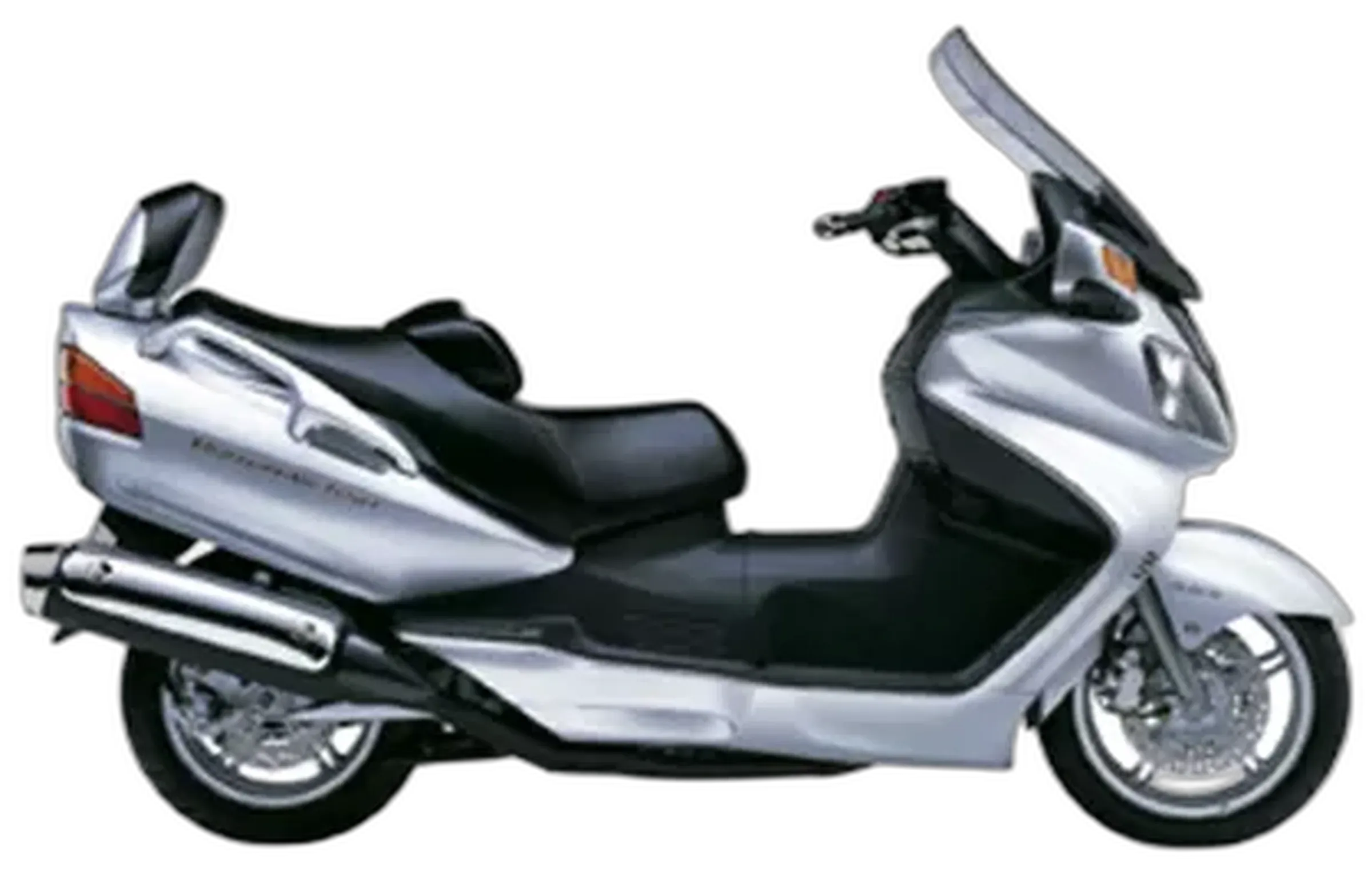
2003–2012 · Scooter · Buyer's Guide
Highway Miles, Zero Hassle
The Burgman 650 is the scooter that stopped acting like one. Under the bodywork sits a liquid-cooled 638 cc parallel twin making 55 hp and 46 lb-ft, bolted into a steel tube frame and driven through a CVT you can override by push-button whenever you want to pick the ratio yourself. That combination gives you real highway pace, a 110 mph (177 km/h) top speed, and still the step-through convenience you buy a scooter for. Under the seat there's room for two full-face helmets. In this class, that's the argument that matters: it works like a touring bike and lives like a scooter. Typical Suzuki.
It rides the way it looks: relaxed, plush and unhurried. The seat, the wind protection and the compliant suspension make it a long-distance commuter and solo tourer first, and it ages well if you look after it. Here's the catch: it's heavy, and that weight dulls agility and takes away confidence when the corners tighten. The fork has no adjustment at all, only the rear shock takes preload. Keep an eye on the underside too, because corrosion sets in quickly there, and on early 2003-2004 bikes make sure the ignition switch recall was done. Buy it for the miles. Not for the corners.
Spec sheets don't ride bikes, but they set the baseline.
| Power | 55 hp (40 kW) @ 7,000 rpm |
|---|---|
| Torque | 46 lb-ft (62 Nm) @ 5,000 rpm |
| Displacement | 638 cc |
| Engine | Parallel twin |
| Cooling | Liquid-cooled |
| Front brake | 260 mm |
| Front tire | 120/70-15 |
| Rear tire | 160/60-14 |
| Seat height | 29.5 in (750 mm) |
| Fuel capacity | 4.0 gal (15 L) |
| Top speed | 110 mph (177 km/h) |
| Fuel economy | 36 mpg (US) |
Equipment check
Chassis
Safety

For years I've listened to what Burgman 650 owners tell me: in the paddock, at club nights, in owner chats and in the emails and messages that land in my inbox. The pattern for this bike is consistent. People pile on the miles and stay happy, and their complaints center on weight, cost and turbulence around the helmet.
The story owners tell most often is about distance. Numerous riders report trouble-free running beyond 80,000 miles (129,000 km) with nothing more than routine maintenance. They describe an easy partner for highway touring and the commute, with room under the seat for the gear both need. It just keeps going.
The most repeated gripe concerns higher speeds: riders say the weight shows up as a wallowy feel in fast corners and less agility than they'd like. Some owners also mention money, with a purchase price and service bills above those of similar-capacity motorcycles. A few point to the stock windscreen, which is too short for many riders: it leaves turbulence at the helmet and shakes your head around. Aftermarket screens are the common fix.
Ignition switch terminal case melting (recall)
On early 2003-2004 models, failure to fully turn the key can cause arcing, melting the switch base and stalling the engine while riding, with no restart. Recall campaign provides free replacement.
Speed sensor failure locks transmission in low gear
A malfunctioning speed sensor can cause the CVT to remain in low gear, limiting speed; diagnosis and sensor replacement resolves the issue.
Drivetrain gear bushing rattle at idle
A gear bushing in the drivetrain slaps at idle, producing a 'dieseling' sound; not harmful but annoying; a warranty fix was available.
Underside corrosion susceptibility
The underside of Burgman models needs careful attention to prevent rust and corrosion from setting in rapidly.
Where this Suzuki Burgman 650 pulls ahead of — or falls behind — its rivals on the numbers, and the typical bike in its class on character.
Power
Torque
Displacement
Top speed
Seat height
Forget spec-sheet bragging. Here's who the Burgman 650 is actually built for.

For the daily commute it's hugely practical: twist-and-go, weather protection, and your helmet locks under the seat. Just know it's big, heavy and does 36 mpg. No featherweight.
Made for New York City · Austin · Los Angeles
Weekday commute, yes. On the weekend's twisty roads the weight costs you cornering confidence, and there's no phone connectivity or riding modes. Come for comfort, not for tech.
Made for Bay Area Ridge Roads · San Francisco / Bay Area · Skyline Boulevard / Alice's Restaurant
If this one isn't quite the fit, these are the bikes worth riding back-to-back against it.
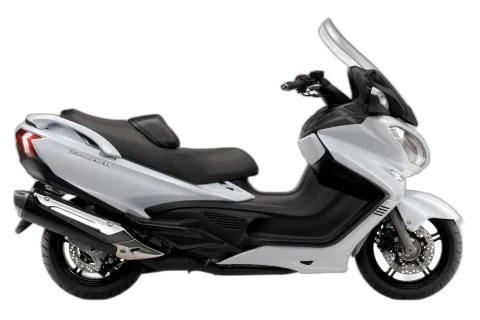
Successor · 2013
The Maxi-Scooter That Commutes
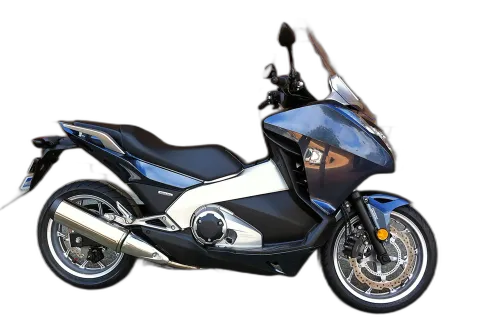
Competitor · 2012–2013
The Commuter That Rides Real
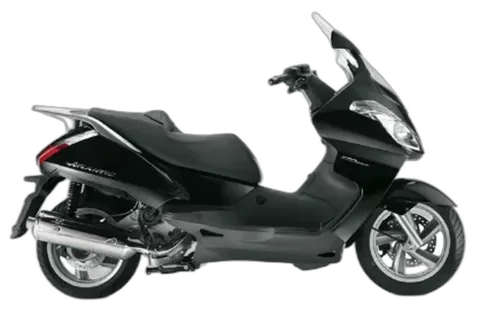
Competitor · 2005–2008
Italian Scooter, Highway Ready
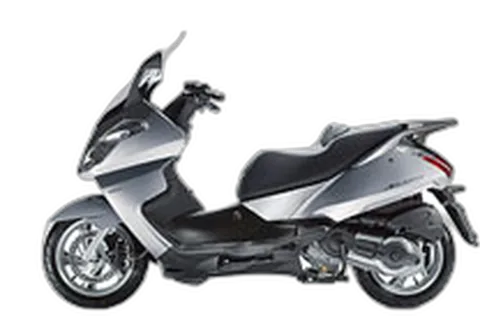
Competitor · 2005–2010
Italian Daily With Highway Reach
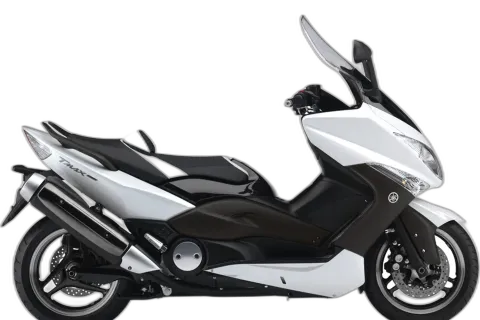
Competitor · 2002–2011
The Original Maxi-Scooter Standard
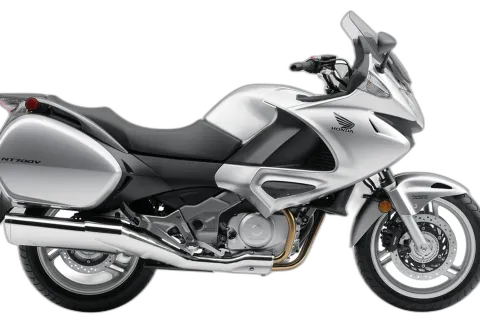
Similar Character · 2006–2013
Shaft-Driven and Genuinely Wired