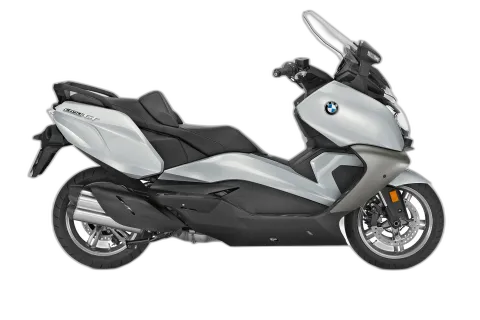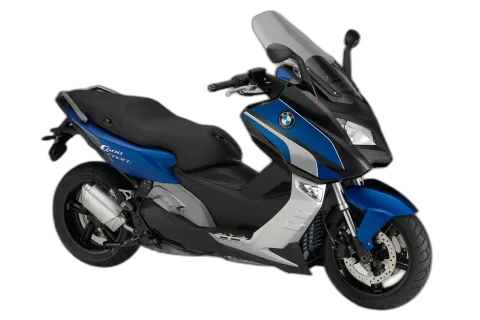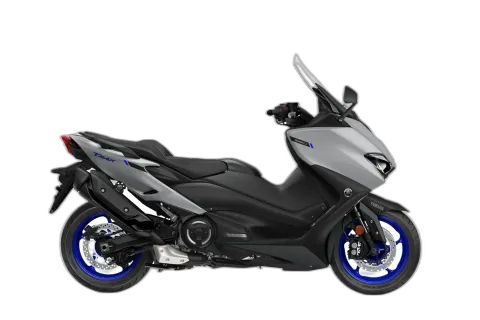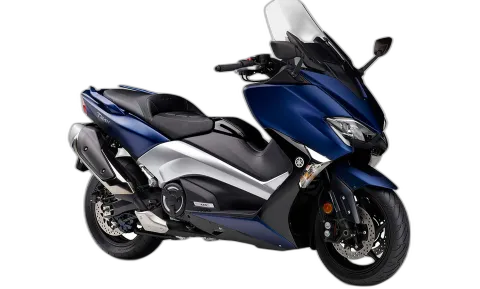

Suzuki Burgman 650 (MY2013) — Scooter
Suzuki press archive

2013 · Scooter · Buyer's Guide

Burgman 650 (MY2013)

4.5 / 5 NastyNils Rating · against its class

The Maxi-Scooter That Commutes

The Machine's Character

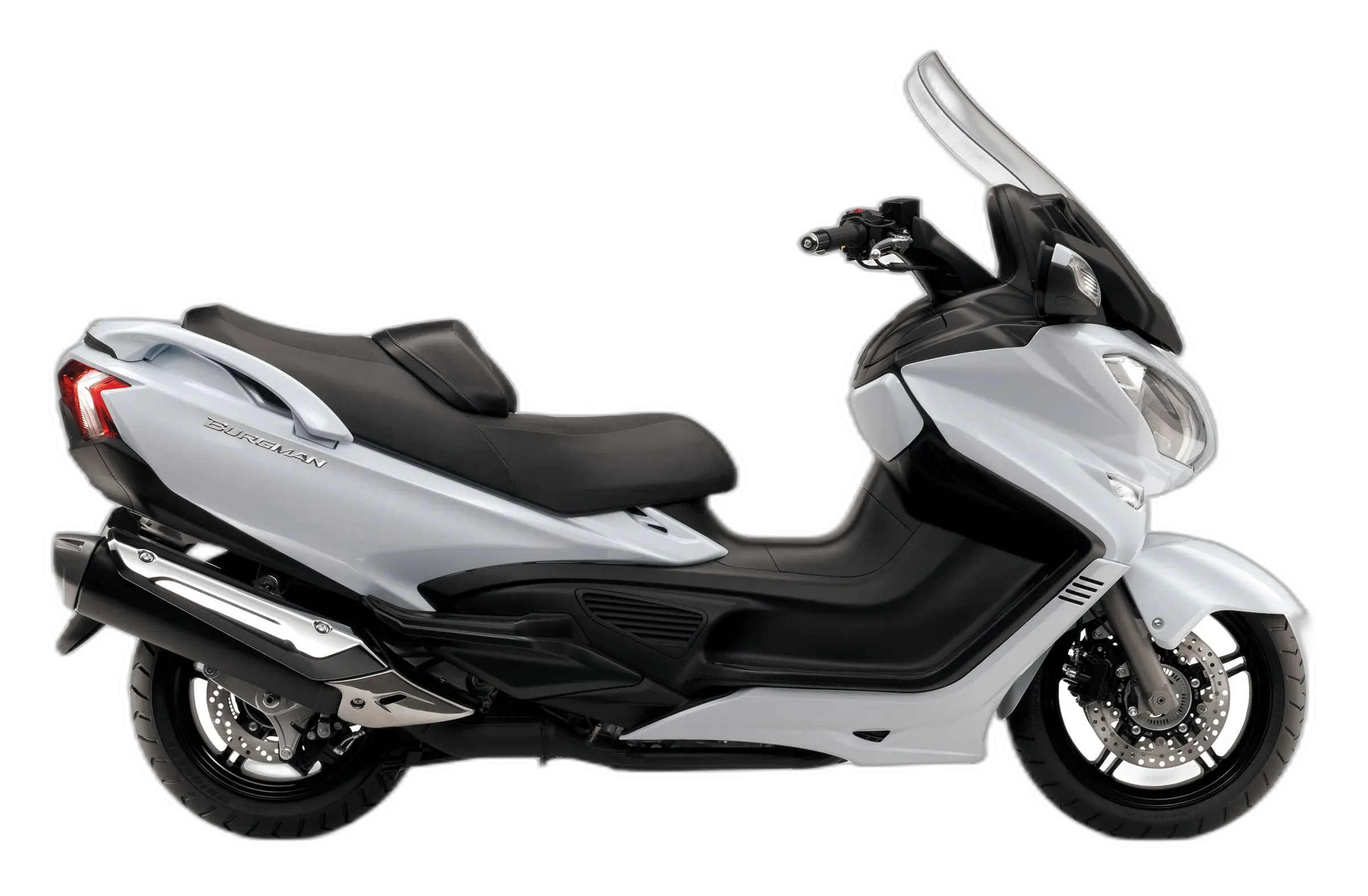
The Burgman 650 is a big scooter built around one idea: take away every daily hassle and still get you down the highway properly. The 638 cc liquid-cooled parallel twin makes 55 hp and 46 lb-ft and drives the rear wheel through a CVT. That CVT gives you three modes you can actually tell apart, including a manual mode with a rocker switch on the left bar. Then there's the storage. Three front compartments with a power socket, plus an under-seat bin that takes two full-face helmets. The windscreen adjusts electrically, the mirrors fold electrically, and ABS and a center stand come standard.

This is Suzuki's usual quiet substance in scooter form. It's smooth, well built and much sharper in a bend than a 611 lb (277 kg) machine should be. It suits riders who put in real miles every day and want storage and weather protection without any compromise. Don't overrate it, though. Fast corners on a broken surface show you it's a tourer at heart, and the cockpit doesn't feel as well finished as the rest of the scooter.

Hard Numbers

Spec sheets don't ride bikes, but they set the baseline.

Show full specs & equipment Hide specs & equipment
Key specifications
Power 55 hp (40 kW) @ 7,000 rpm
Torque 46 lb-ft (62 Nm) @ 5,000 rpm
Displacement 638 cc
Engine Parallel twin
Cooling Liquid-cooled
Fork Telescopic
Front brake 260 mm
Front tire 120/70-15
Rear tire 160/60-14
Seat height 29.5 in (750 mm)
Wet weight 611 lb (277 kg)
Fuel capacity 4.0 gal (15 L)
Top speed 110 mph (177 km/h)

Equipment check

Chassis

  • Rear Suspension Adjustable Standard

Comfort

  • Heated Grips Optional
  • Adjustable Windscreen Standard

Drivetrain

  • Automatic Shift (DCT / ASA / AMT) Standard

Safety

  • ABS Standard

The Voice of Experience

Portrait of NastyNils

The test ride

You notice the comfort the moment you sit down, before the wheels even turn. The backrest slides into position without tools, so tall and short riders can both set it to their own build, and at 29.5 in (750 mm) the seat is easy to reach. On a cold morning the heated seat warms your backside, and because the backrest holds you where it does, the heat reaches your lower back too. On the road the Burgman keeps the weather out so well that I rode with my jacket open and never felt a draft. In normal mode the twin just hums along at low revs, and the whole thing feels calm and unhurried. Look in the mirrors and the view behind you is huge, like going from an old tube TV to a widescreen. Getting to the trip computer is the one fiddly moment.

Rated point by point — where it earns its keep

My own 0–100 score for this bike against the class, area by area — the marker on each bar is the class average.

Comfort is the Burgman's strongest suit, and the seat is the reason. The backrest moves without tools, so a short rider and a tall one can each set it for their own frame instead of making do. Cold mornings are where it gets properly luxurious. The seat heat doesn't stop at the cushion, because the backrest places me so that the warmth carries up into the small of my back. Weather protection is about as complete as anything I've ridden in this class, and an electrically adjustable screen is a rare thing in this segment. The letdown is the cockpit. Next to a machine this refined, the controls feel a class lower. If you add the optional heated grips, their controller looks like it was mounted as an afterthought, and getting into the onboard computer through two little buttons on the fairing is more work than it should be.

Three transmission modes on a scooter sounded like a spec-sheet checkbox until I rode it, and the difference between them is real. Normal mode is where I spent most of my miles. The engine stays low in the revs, runs quietly and goes easy on fuel, and I never felt it holding me back. Manual is the mode I'd miss most. Coming down a long mountain pass I stepped down through the ratios with the left-hand rocker and let the engine hold my speed, which an ordinary automatic won't do. The electric mirror fold sounds like a toy, but it proves its worth in tight city traffic. Carrying things is sorted as well: the front compartments and power socket take the small stuff, and the seat bin holds two full-face lids. What's missing is a sensible place to fix a phone or any other device. On a machine this well thought out, that gap stands out.

The twin matches the Burgman's manners. Throttle response is smooth and easy to meter, so I always got exactly as much drive as I asked for. There's enough power on tap that it never feels like it's working hard, and it arrives in a measured, even way that fits the rest of the machine. Nothing here is dramatic, and on a big scooter that's the right call.

Its size says couch on wheels, and that's the wrong read. Tip it into a bend and it answers with real eagerness. Suzuki clearly got the mix of weight distribution, geometry and wheel size right. The limit shows in fast corners on an uneven surface. There it tells you plainly what it was built for, which is covering distance rather than attacking a rough back road.

Power mode is the surprise. Press the button and the revs jump straight up as the transmission drops back, and the relaxed tourer suddenly feels urgent. The change is instant and convincing, which I didn't expect from a scooter this big. It gives the Burgman a second personality whenever you want it, and the calm one you ride the rest of the time stays intact.

Elevated aerial view of Seattle's downtown skyline looking toward the city core along a dense urban street canyon. A mix of glass-and-steel skyscrapers and mid-rise residential towers fills the frame. A construction crane is active on the left. The street below carries light vehicle traffic flanked by mature street trees.
Josh Hild / Pexels

The Truth on the Street

Over the years I've heard a lot about the Burgman 650 from the people who actually own one. It comes up in paddock conversations, over coffee at club nights, and in the messages owners send me after a season or two. The pattern is steady: owners value how it handles the daily grind, and the complaints are about its mass, its fuel use and what it cost new.

Easy miles, easier in traffic

Riders keep coming back to the same strengths: comfort, weather protection, storage and a twin that pulls smoothly from low revs. They describe the highway stretch as the easy part of their day. Owners of the 2013 update add one more point. They say it is noticeably easier to paddle along at walking pace and to thread through traffic.

Heavy, thirsty and not cheap

Weight is the complaint I hear most. At a standstill the Burgman feels heavy, and slow maneuvers take deliberate effort. Fuel comes up almost as often. Owners report around 36 mpg (6.6 L/100km), which is thirstier than many rival maxi-scooters and limits a tank to roughly 125 miles (200 km). Some find the suspension soft enough to feel vague when they push hard or the road gets bumpy. A few also point out that new, it cost as much as many mid-range motorcycles.

The Expert Benchmark

Where this Suzuki Burgman 650 pulls ahead of — or falls behind — its rivals on the numbers, and the typical bike in its class on character.

What kind of bike this is — character vs. the class

This bike Class average

Head-to-head: Suzuki Burgman 650 vs. its rivals

The 'Should I Buy It?' Score

Forget spec-sheet bragging. Here's who the Burgman 650 is actually built for.

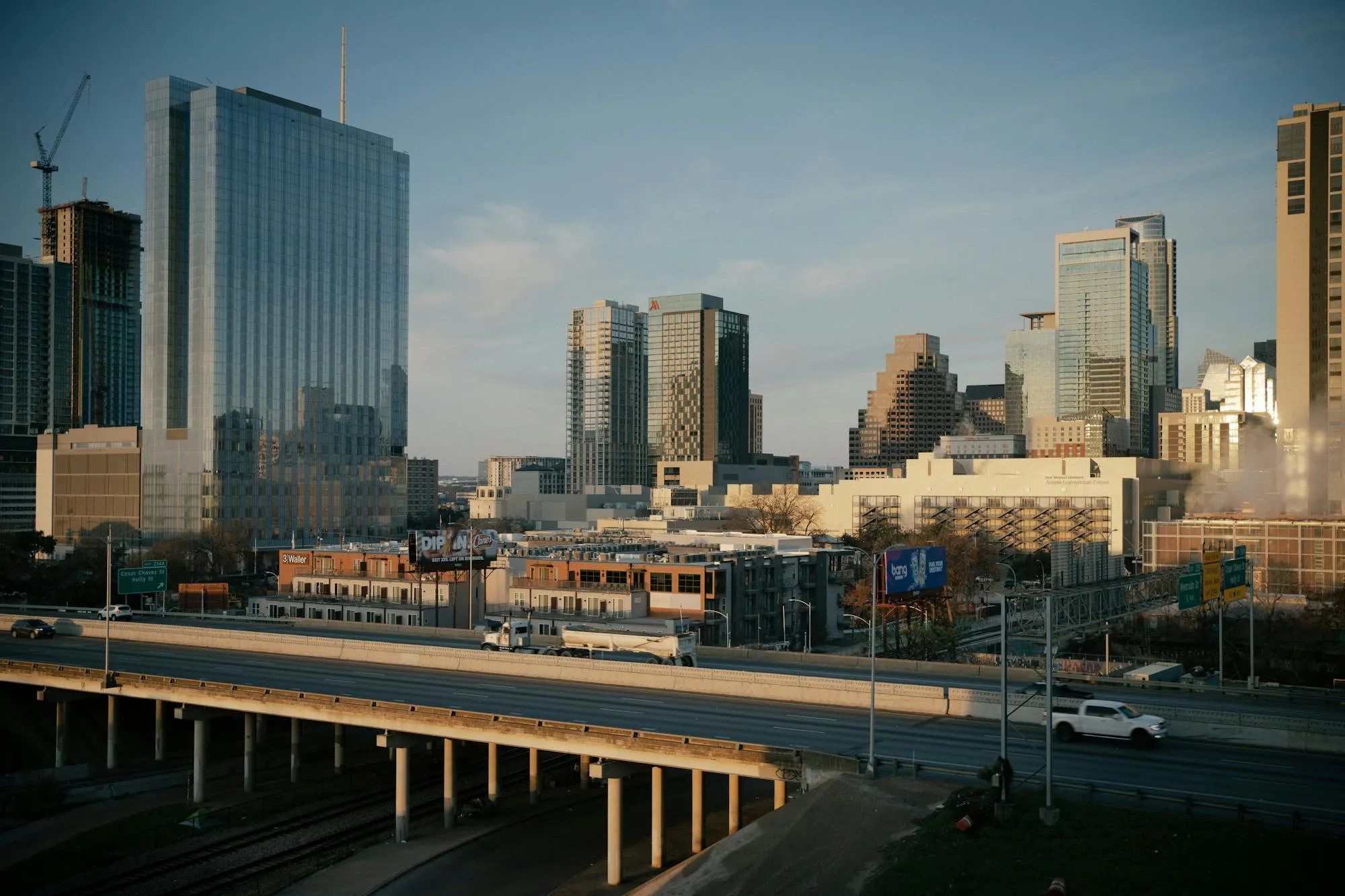
Aerial photograph of downtown Austin, Texas, showing modern high-rise buildings against a clear blue sky. Urban infrastructure, highways, and parking structures visible in the foreground.
Thomas Balabaud / Pexels

Best scooter for NYC?

It fits if your commute includes highway stretches. The storage, weather protection and folding mirrors make weekday riding easy, but at 611 lb it's a lot of scooter to push into tight street parking.

Made for New York City · Austin · Los Angeles
Best motorcycle for Bay Area?

It handles the weekday city commute effortlessly and is livelier on Skyline than you'd guess. Bumpy fast bends expose its limits, and it has no smartphone connectivity at all.

Made for Bay Area Ridge Roads · San Francisco / Bay Area · Skyline Boulevard / Alice's Restaurant

What's new versus the previous generation

If you're cross-shopping the older generation, here's what changed.

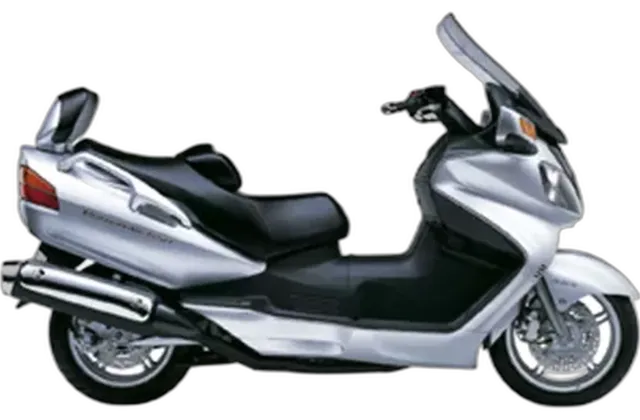
Suzuki Burgman 650 (MY2005)

Previous generation · 2003–2012

Suzuki Burgman 650 (MY2005)

Highway Miles, Zero Hassle

Compare to the previous model →

Alternatives to the Suzuki Burgman 650

If this one isn't quite the fit, these are the bikes worth riding back-to-back against it.

Any price note compares both bikes at the same age — the youngest age both have on the used market — against this Suzuki Burgman 650. “cheaper/pricier” is what that bike costs second-hand, not how worn it is.