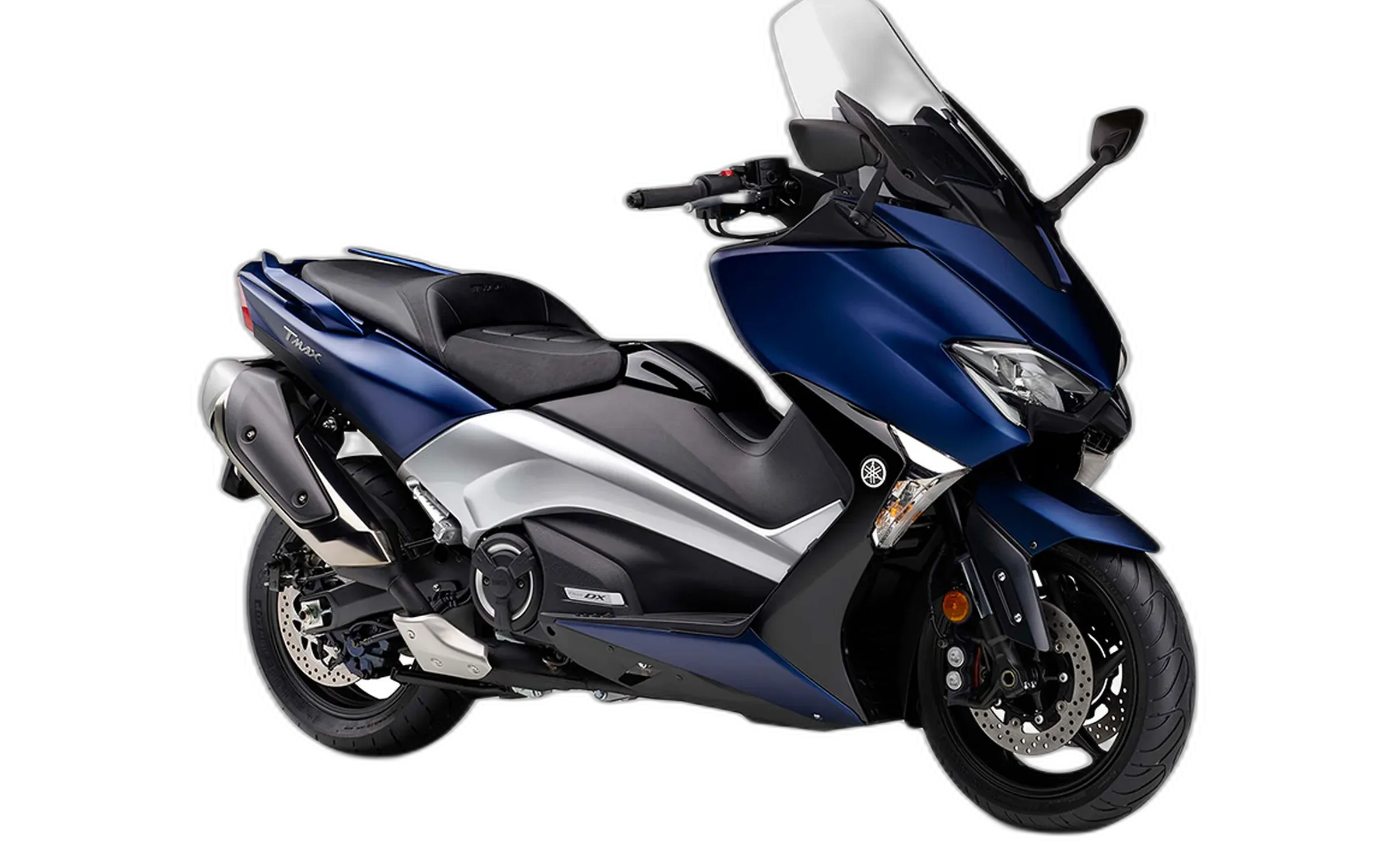


Yamaha TMAX DX (MY2017) — Scooter
NastyNils / Yamaha Press

2017–2019 · Scooter · Buyer's Guide

TMAX DX (MY2017)

The Chassis That Commands Commutes

The Machine's Character

The 530cc parallel twin makes 46 hp and 39 lb-ft, numbers that sit mid-pack and tell you almost nothing about how this thing behaves. What defines the TMAX DX is the chassis. It has kept the model untouchable in the big-scooter class for years, and nothing else has closed that gap. Feed it into a corner and it holds a line like a proper motorcycle, not a step-through appliance. The YCC-T electronic throttle, the T and S ride maps, plus standard ABS and traction control turn a twist-and-go into a machine you actually steer with intent.

Roll on and there's no gear to think about, just clean, seamless drive up to a 98 mph top end. It carries its 478 lb low, so it feels lighter underway than the figure suggests, and the underseat box swallows real helmets instead of brochure props. This is the rig for a rider who wants one machine for the daily grind and the weekend run. The honest caveat: the front fork takes no adjustment and the rear offers only preload, so a rider chasing a dialed-in setup will find the suspension mostly fixed where they'd want choices.

Hard Numbers

Spec sheets don't ride bikes, but they set the baseline.

Show full specs & equipment Hide specs & equipment
Key specifications
Power 46 hp (34 kW) @ 6,750 rpm
Torque 39 lb-ft (52 Nm) @ 5,250 rpm
Displacement 530 cc
Engine Parallel twin
Cooling Liquid-cooled
Gearbox 1-speed
Final drive Belt
Fork Telescopic
Front brake 267 mm
Front tire 120/70-15
Rear tire 160/60-15
Wheelbase 62.0 in (1575 mm)
Seat height 31.5 in (800 mm)
Wet weight 478 lb (217 kg)
Fuel capacity 4.0 gal (15 L)
Top speed 98 mph (158 km/h)
Fuel economy 39 mpg (US)

Equipment check

Chassis

  • Rear Suspension Adjustable Standard

Comfort

  • Heated Grips Standard
  • Adjustable Windscreen Standard
  • Luggage System Optional

Connectivity

  • Smartphone Connectivity Standard
  • Keyless System Standard

Lighting

  • LED Headlight Standard

Safety

  • ABS Standard
  • Traction Control Standard

Signature Tech

The named systems that set this bike apart — and what each one does for you.

Fueling

  • Yamaha YCC-T (Chip Controlled Throttle)Standard
    • Refined throttle response
    • Selectable ride modes

The Voice of Experience

Portrait of NastyNils

The test ride

Swing a leg over and the 31.5-inch seat drops you into the machine rather than perched on top of it. At a standstill you feel every one of the 478 pounds, but roll away and the weight sinks into the low-slung mass and disappears. Leave it in T for the morning and the response goes soft and forgiving, unbothered by stop-and-go and half-awake inputs. Snap to S after work and the whole thing wakes up, revs running higher, the roll-on turning brisk under your wrist. On wet cobblestones the traction control works quietly in the background, so you feel grip holding rather than power being yanked away. Pop the seat and two open-face lids drop in, or a full-face and a small bag. It sits at the curb like a scooter and turns into something far more serious once the road opens.

Rated point by point — where it earns its keep

My own 0–100 score for this bike against the class, area by area — the marker on each bar is the class average.

What actually shapes the ownership math here is resale strength, plain and simple. Clean used examples stay in real demand and keep pulling strong money, which is worth more than a footnote when you're working out what one of these truly costs to run. Hold it over the years you'd keep it and that steady demand quietly trims the real bill, so I'd fold it into your sums before you sign anything.

This is where the TMAX has quietly owned its class for years, and the reason isn't in the output figures. It's the chassis, and no rival big scooter has managed to match it. Yamaha also pulled real mass out of the previous model, and you register it inside the first block: steering comes up quicker, the launch off the line is crisper, and the whole thing carries itself with a lighter, more willing feel than before. It never rewrites the bike, but it's plenty to feel from the saddle.

What keeps this one honest as a daily tool is the theft recovery, and I mean the built-in GPS kind that pushes a stolen bike's live position to a monitoring center that hands it straight to local police. It works across dozens of countries, and after watching most security tech amount to a loud noise and a shrug, this one actually earns its place. The rest of the practical case holds up too. The seat lifts to real capacity, enough for two open-face lids or a full-face beside a small bag, so it covers you every day rather than just in the sales photo. Where I'd temper expectations is the Connect app. Geofencing, a remote horn, trip logs, low-battery alerts, it all runs and none of it is something I'd genuinely miss if it quietly disappeared tomorrow. Nice to have, easy to forget, and not the reason you'd pick this bike over another.

The high point for me is how cleanly the electronic throttle and the automatic drive agree with each other. I'd crack it open at whatever pace I wanted and the power simply arrived, no hunting, no lurch, no sense of software negotiating between my wrist and the rear wheel. That kind of harmony between throttle input and an automatic gearbox almost never lands this well, and here it just does. The one asterisk shows up in the sharper map over broken pavement, where a small nudge of the throttle gets magnified into more reaction than I asked for. That's the knowing cost of the aggressive setup, and you're choosing it with eyes open.

Snap it into S at the end of a shift and the character genuinely flips. The revs run higher, the throttle sharpens right off the wrist, and a roll-on overtake comes together fast enough that calling this thing a scooter stops feeling honest. It reaches for a level of urgency most machines this size never bother to attempt, and the gap between the placid commuter I rode in on and what answers under my hand here is close to two different vehicles.

Elevated aerial view of Seattle's downtown skyline looking toward the city core along a dense urban street canyon. A mix of glass-and-steel skyscrapers and mid-rise residential towers fills the frame. A construction crane is active on the left. The street below carries light vehicle traffic flanked by mature street trees.
Josh Hild / Pexels

The Truth on the Street

This section gathers what TMAX DX owners have told me over many seasons: long comment threads, conversations at rallies and coffee stops, and the notes riders send straight to my inbox after real time on one. The pattern holds steady. Praise clusters on how it rides and how far it tours; the grumbles land on price and a short list of things owners wish Yamaha had finished.

Where the praise gathers

Handling comes up first and most often. Owners keep saying the DX turns far quicker than its heft suggests, steering with ease and staying composed through a set of bends, to the point they'll press on harder than a machine this size should allow. The 530cc twin earns steady approval, credited with strong pull through the middle and enough go to slot into fast traffic and clear a highway pass, its automatic drive called smooth and free of snatch. A large group leans on it for distance, praising the adjustable screen, supportive seat, cruise control, and unhurried position that flattens long days, two aboard included. The brakes draw the same trust, firm even loaded. For daily use, owners point to keyless starting, heated grips, and the roomy under-seat bin that takes a full-face lid, and many add the optional hard cases.

The complaints that keep surfacing

Cost is the first thing owners raise. They note it asks the money of a mid-size touring motorcycle and returns that value slowly, a tough sell for anyone not committed to the format. Next comes the stock suspension: a front fork that sinks too far under braking and a rear that feels soft and short on control, enough that plenty swap it out. The front brake takes a related knock, strong on outright power yet vague in initial bite and awkward to meter. Weight returns here too, this time at crawling speed, where the size makes tight maneuvers and lane splitting hard work, more so for shorter riders or a loaded bike. A few mention turbulent air off the screen, and a handful get flashed at night over the headlight's aim.

Known issues

  • Centre stand and spring recall

    bodyworkcommonRecall

    Yamaha recalled 2017-2019 TMAX models to replace the centre stand and springs. The original design allowed the stand to swing down under suspension compression, causing it to scrape in corners and creating a safety hazard.

  • CVT belt and variator premature wear

    drivetrainoccasional

    Some owners experience rapid V-belt degradation, variator grooving, and the need for early replacement (as low as 3,500 miles), causing slipping and loss of drive.

  • Rear shock absorber fluid leak

    suspensionrare

    The rear shock may develop a fluid leak, leading to a bouncy ride and loss of damping; requires replacement.

  • O2 sensor failure

    exhaustoccasional

    The oxygen sensor can fail prematurely, triggering an engine warning light and requiring replacement; reported as early as 8,500 miles.

  • Electrical wiring fault can cause no-start

    electricsrare

    A broken wire within the harness under the fairing can prevent the scooter from starting. The fault is intermittent and may require extensive dealer investigation to locate. Reported in one 2017 DX with 2,300 miles; repair required 6 hours of labour.

  • Immobiliser box failure

    electricsoccasional

    Some owners report the immobiliser unit failing, leading to a no-start condition that requires dealer diagnosis and a bypass procedure.

The Expert Benchmark

Where this Yamaha TMAX DX pulls ahead of — or falls behind — its rivals on the numbers, and the typical bike in its class on character.

What kind of bike this is — character vs. the class

This bike Class average

Head-to-head: Yamaha TMAX DX vs. its rivals

The 'Should I Buy It?' Score

Forget spec-sheet bragging. Here's who the TMAX DX is actually built for.

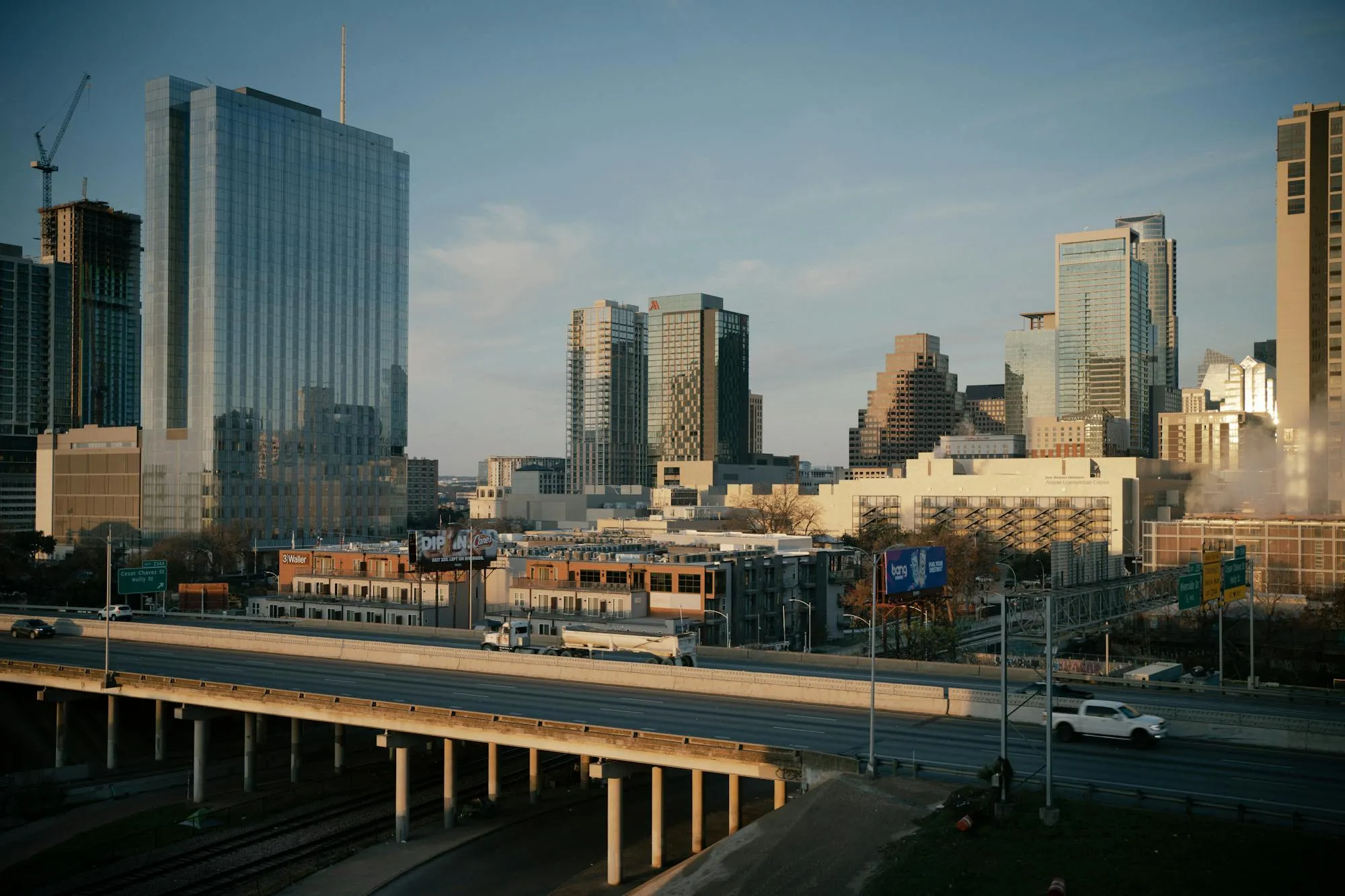
Aerial photograph of downtown Austin, Texas, showing modern high-rise buildings against a clear blue sky. Urban infrastructure, highways, and parking structures visible in the foreground.
Thomas Balabaud / Pexels

Best motorcycle for Bay Area?

You want one machine for the SF commute and the Sunday run up the ridge roads. The TMAX does both: calm and practical in city traffic, genuinely capable of holding a line once Skyline turns twisty.

Made for Bay Area Ridge Roads · San Francisco / Bay Area · Skyline Boulevard / Alice's Restaurant
Best scooter for NYC?

Efficiency, parking, short hops, low running cost. This is exactly your wheelhouse: real helmet storage under the seat, easy controls, and a T-mode that turns stop-and-go into a non-event.

Made for Austin · Los Angeles · Miami Beach / Miami

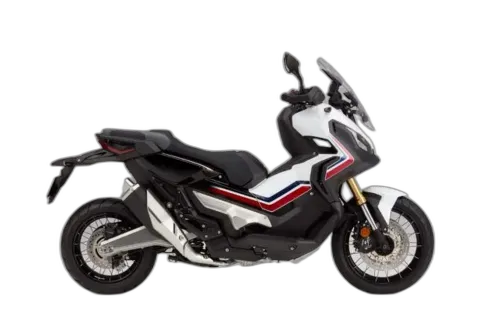
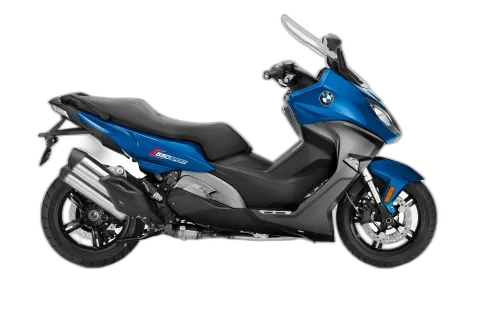
Alternatives to the Yamaha TMAX DX

If this one isn't quite the fit, these are the bikes worth riding back-to-back against it.

Any price note compares both bikes at the same age — the youngest age both have on the used market — against this Yamaha TMAX DX. “cheaper/pricier” is what that bike costs second-hand, not how worn it is.