
·

Yamaha T-MAX 500 (XP500) — Scooter
Yamaha Press

2002–2011 · Scooter · Buyer's Guide

T-MAX 500 (XP500)

4 / 5 NastyNils Rating · against its class

The Original Maxi-Scooter Standard

The Machine's Character

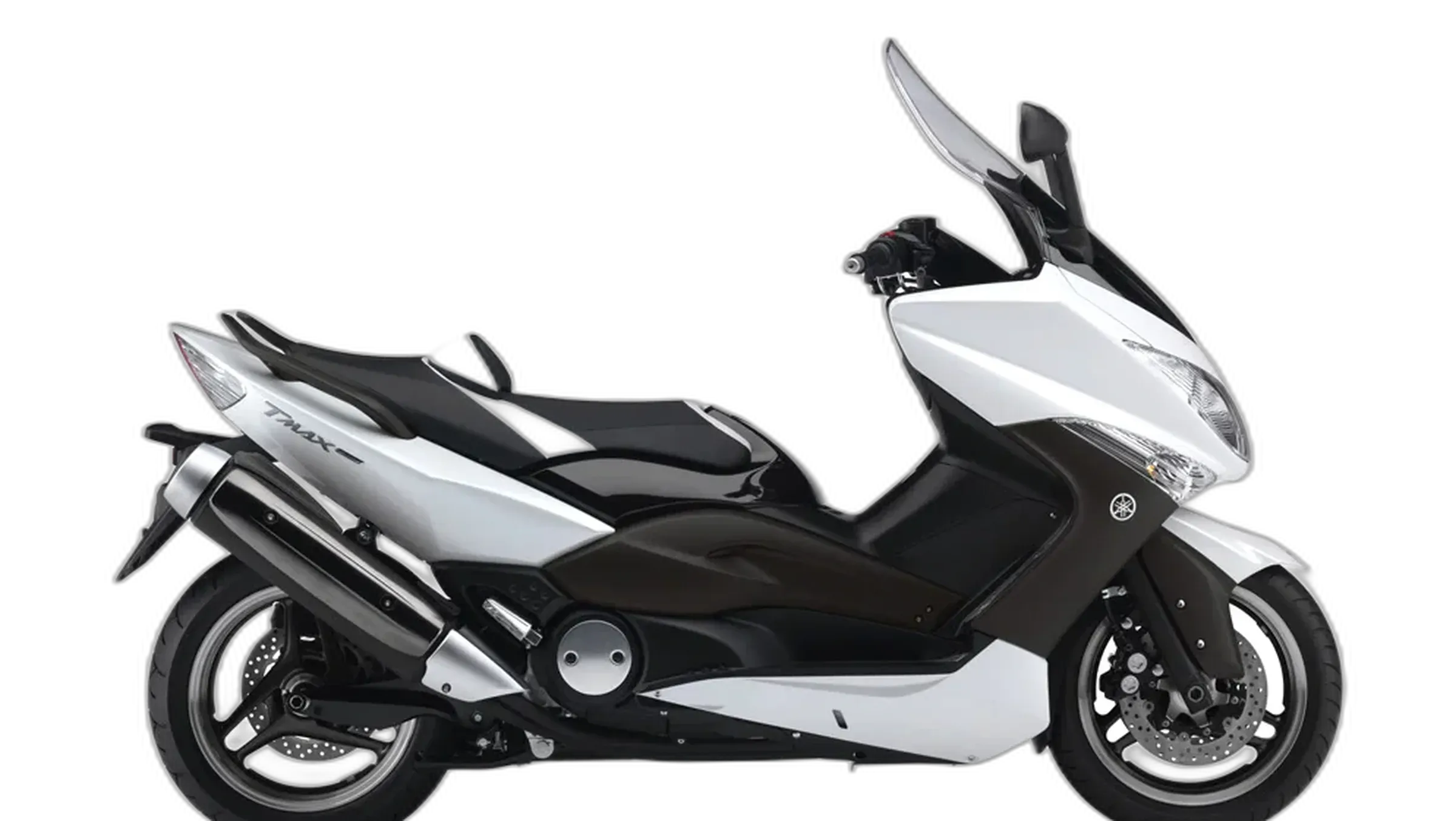
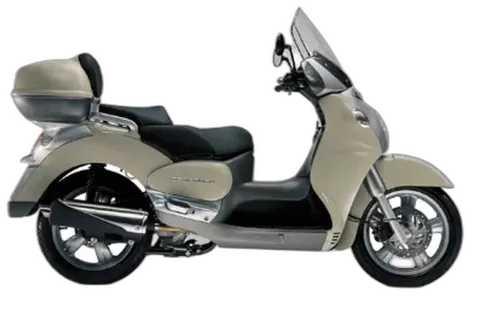
The T-MAX 500 is a scooter built around a real motorcycle engine. It runs a liquid-cooled 499 cc parallel twin making 45 hp and 35 lb-ft, sitting in a steel diamond frame with a 62.2 in (1,580 mm) wheelbase. Drive goes through a twist-and-go CVT, so there is no clutch and no shifting, and the chassis still gives you the stability of a proper bike. This generation defined the sporty maxi-scooter and is still the yardstick for the category. You get big underseat storage, strong weather protection and a center stand as standard, which is exactly what a scooter owes its rider every day.

In daily life it is easy to live with. It is light on its feet once rolling, calm in traffic and cheap to run at around 37 mpg. It suits the rider who wants one vehicle for the commute and the occasional back road without giving up practicality. The honest part is that these bikes are now used machines. On 2008–2011 bikes the fuel pump is a known weak point, and some markets had a recall for it. On early bikes, listen for cam chain tensioner rattle. At 487 lb (221 kg) wet with a 100 mph top speed, it is a capable scooter, not a stand-in for a motorcycle.

Hard Numbers

Spec sheets don't ride bikes, but they set the baseline.

Show full specs & equipment Hide specs & equipment
Key specifications
Power 45 hp (33 kW)
Torque 35 lb-ft (47 Nm)
Displacement 499 cc
Engine Parallel twin
Cooling Liquid-cooled
Fork Telescopic
Front brake 282 mm
Front tire 120/70-14
Rear tire 150/70-14
Wheelbase 62.2 in (1580 mm)
Seat height 31.3 in (795 mm)
Wet weight 487 lb (221 kg)
Fuel capacity 3.7 gal (14 L)
Top speed 100 mph (161 km/h)
Fuel economy 37 mpg (US)

Equipment check

Chassis

  • Rear Suspension Adjustable Standard

Comfort

  • Heated Grips Optional

Safety

  • ABS Optional
Elevated aerial view of Seattle's downtown skyline looking toward the city core along a dense urban street canyon. A mix of glass-and-steel skyscrapers and mid-rise residential towers fills the frame. A construction crane is active on the left. The street below carries light vehicle traffic flanked by mature street trees.
Josh Hild / Pexels

The Truth on the Street

Over the years I've heard plenty about this T-MAX, in paddocks, at club nights, in chats with owners and in the messages riders send me directly. The pattern is consistent: owners talk about a scooter that pulls and steers like a motorcycle, and their complaints are about cost, bulk and luggage limits.

More motorbike than scooter

Riders keep coming back to the engine. They describe responsive acceleration, a twin that cruises easily at highway speeds, and performance that beats most scooter rivals. The handling gets the same praise: sharp, stable and fun on a twisty road. Owners also rate it as a long-distance commuter and light tourer. They point to the upright position, the adjustable backrest and room under the seat for a full-face helmet plus extra gear.

Where owners feel the pinch

The most common complaint is money. Owners call it a premium buy that costs more than many motorcycles and scooters, and they say its fuel use isn't the best in the class. Several compare its heft to a sport-tourer's. Riders who tour say hard panniers can't be fitted, so luggage is limited to the seat compartment and a top case. The odd taller rider reports buffeting behind the stock screen.

Known issues

  • Fuel pump failure (Mk2)

    fuel system occasional Recall

    On fuel-injected models (2008-2011), the fuel pump is a known weak point and may fail, causing the engine to cut out. A recall existed in some markets but not all; replacement parts are available.

  • CVT belt slip and vibration

    drivetrain occasional

    Some riders report belt slipping under hard acceleration, accompanied by increased vibrations and an unusual 'transmissiony' noise from the CVT area, possibly indicating worn variator components or a slipping clutch.

  • Speedometer failure

    electrics rare

    The speedometer may become inoperative, often due to a plastic insert breaking, particularly after a tire change. Repair is usually inexpensive.

  • Boiling gasoline in tank

    fuel system rare

    A rare occurrence reported by one owner where the fuel tank boiled due to contaminated gasoline, causing running issues. Not attributed to a design flaw.

  • Cam chain tensioner rattle (Mk1)

    engine occasional

    The cam chain tensioner can become noisy and rattle. Its plunger rod can wear an edge that makes the plunger stick, so it no longer keeps the chain tight. The rattle shows up most on bikes used mainly for short trips. The fix is to replace the tensioner.

The Expert Benchmark

Where this Yamaha T-MAX 500 pulls ahead of — or falls behind — its rivals on the numbers, and the typical bike in its class on character.

What kind of bike this is — character vs. the class

This bike Class average

Head-to-head: Yamaha T-MAX 500 vs. its rivals

The 'Should I Buy It?' Score

Forget spec-sheet bragging. Here's who the T-MAX 500 is actually built for.

Aerial photograph of downtown Austin, Texas, showing modern high-rise buildings against a clear blue sky. Urban infrastructure, highways, and parking structures visible in the foreground.
Thomas Balabaud / Pexels

Best scooter for NYC?

If your day is city traffic and tight parking, this is a strong pick. It's easy to ride, holds your gear and costs little to run. Just know it's heavier than a small scooter when you're pushing it around.

Made for New York City · Austin · Los Angeles
Best motorcycle for Bay Area?

It commutes during the week and still feels settled on the ridge roads on Saturday. It's a used classic, though, not the latest tech showpiece, so buy it for how it rides, not for the photos.

Made for Bay Area Ridge Roads · San Francisco / Bay Area · Skyline Boulevard / Alice's Restaurant