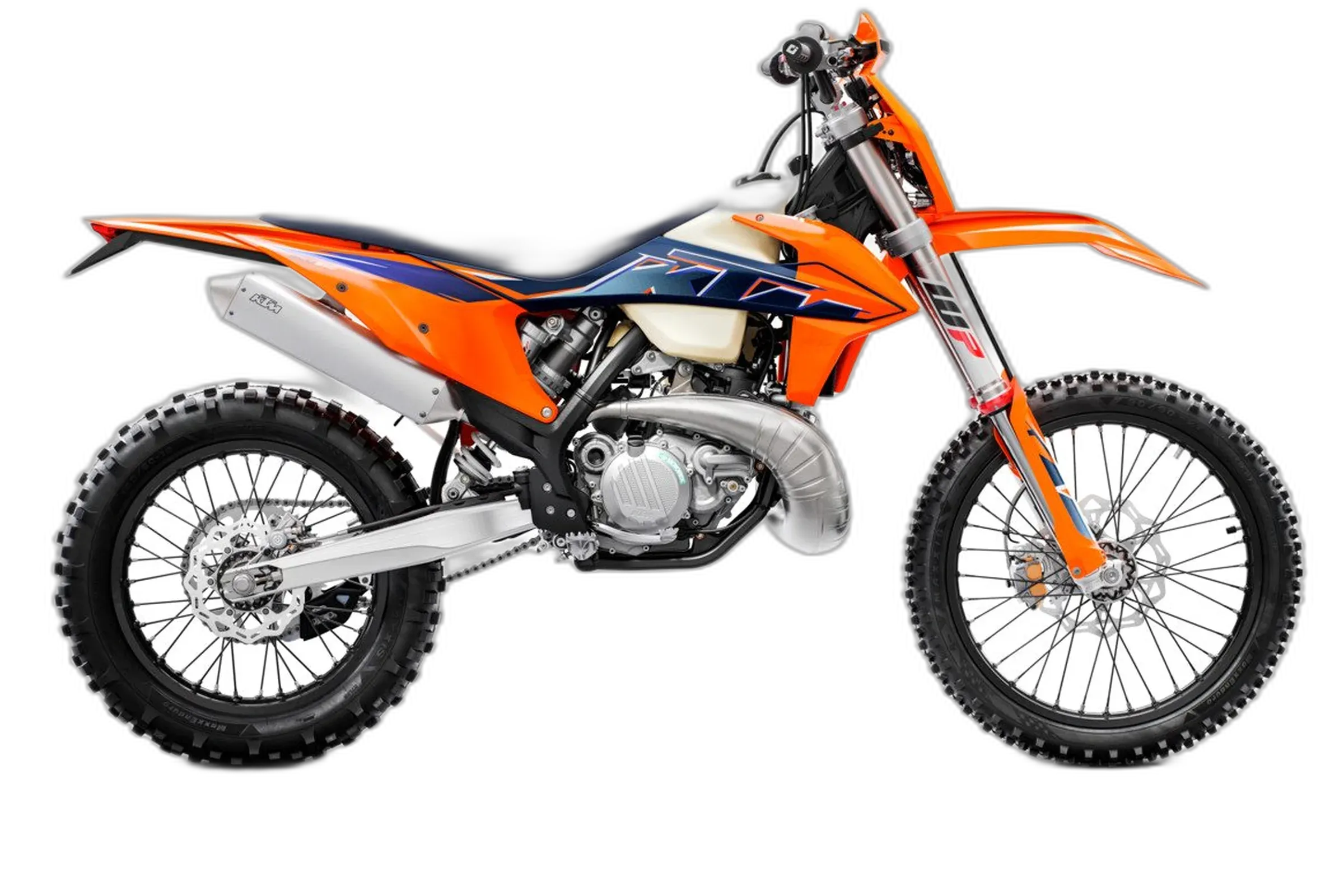
KTM 300 EXC TPI (MY2018) — Enduro
NastyNils / KTM press archive

2018–2022 · Enduro · Buyer's Guide

300 EXC TPI (MY2018)

Two-Stroke Precision, Finally Tamed

The Machine's Character

The 300 EXC TPI is the bike that made fuel injection make sense on a two-stroke. The 293 cc single carries its power across a broad, usable spread, 55 hp waiting at the top and 41 lb-ft of torque down low, metered by injection instead of a carburetor. What that buys you is precision. Power lands exactly where you place the throttle, traction stays hooked up in terrain that punishes lesser bikes, and a borrowed map switch lets you soften the hit for the technical stuff. In its class this is a genuine hard-enduro tool, built around rideability first and peak numbers a distant second.

Ride it and it rewards a smooth hand over frantic rev-chasing, which is why it stays fast for a full day without wearing you out. It's light, it's tough, and the suspension soaks up abuse, so it holds up as a serious dirt machine over the years. But be clear on what it is. Engine braking stays light, the injection hardware adds weight you feel when you're wrestling it, and an hour of highway is still misery. This is a competition enduro for riders who live in technical terrain, not a do-everything trail bike.

Hard Numbers

Spec sheets don't ride bikes, but they set the baseline.

Show full specs & equipment Hide specs & equipment
Key specifications
Power 55 hp (40 kW) @ 6,000 rpm
Torque 41 lb-ft (55 Nm)
Displacement 293 cc
Engine Single-cylinder
Cooling Liquid-cooled
Gearbox 6-speed
Final drive Chain
Fork Upside-down (USD)
Front brake 260 mm
Front tire 90/90-21
Rear tire 140/80-18
Wheelbase 58.3 in (1482 mm)
Ground clearance 14.6 in (370 mm)
Front travel 11.8 in (300 mm)
Rear travel 12.2 in (310 mm)
Seat height 37.8 in (960 mm)
Fuel capacity 2.5 gal (9.5 L)

Equipment check

Chassis

  • Front Suspension Adjustable Standard
  • Rear Suspension Adjustable Standard

The Voice of Experience

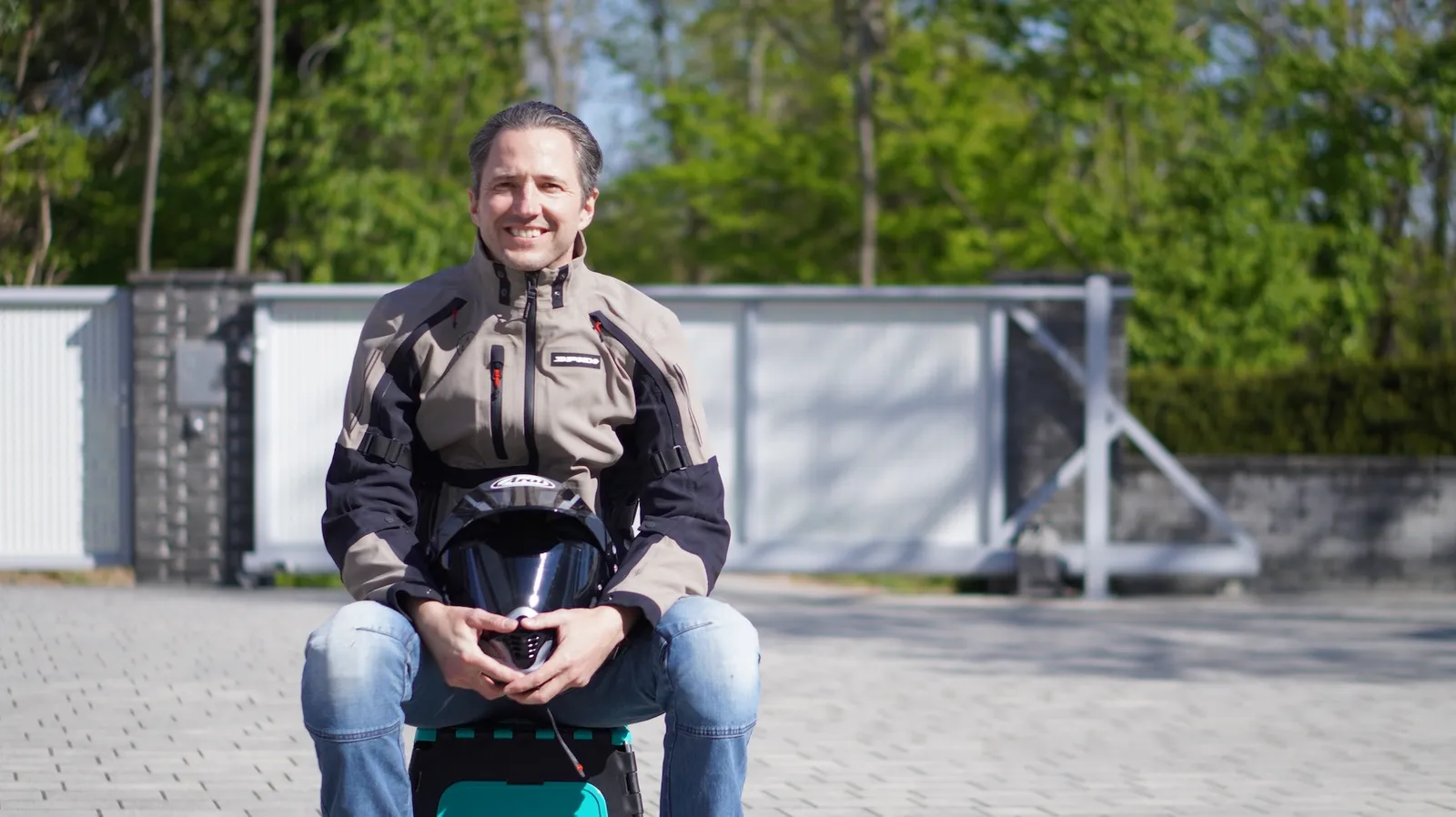
Portrait of NastyNils

The test ride

Thumb the starter and it settles into that familiar two-stroke ring, though your nose notices what's missing. The eye-watering premix stench is mostly gone, and stuck behind a line of riders on a tight trail, that matters more than you'd think. The bike feels slim and tall under you, and the 37.8-inch seat asks for a confident leg to swing over. Where it really earns its keep is when you're off the seat. On steep descents and in the nasty spots where you have to lift or drag it, there's simply less bike fighting you back. Climb from sea level to a near-freezing mountain pass and it never misses a beat, no flat spots, no fuss with the mixture. Push it onto pavement and the buzz reminds you fast that tarmac is not its home.

Rated point by point — where it earns its keep

My own 0–100 score for this bike against the class, area by area — the marker on each bar is the class average.

Handling is where being a featherweight two-stroke tells. When the trail drops away and I'm easing down something steep and broken, the bike feels almost weightless to guide, settling onto whatever line I pick without argument. That kind of low-speed obedience on a descent is worth more to me than any lap-time number, and it's the trait I lean on hardest when the ground turns truly ugly and every input has to land in exactly the right place.

A day of testing came and went without one fueling stop, one jetting change, or an adjustment of any sort, and every bike came back healthy at the end of it. For a competition tool, that alone tells me plenty. What I didn't expect was the range. Thirst has dropped so far under old two-stroke figures that a full day of mixed, part-throttle work now lives on a single tank where it used to force a top-up. That is reliability you can schedule a whole race around.

The change I feel first sits at the bottom of the rev range. Creeping over rock and root, the motor no longer stumbles and then lunges; it meters its revs cleanly, almost like a thumper, yet the two-stroke hit is still on tap the instant I ask for it. That composure lets me hold a taller gear through technical ground than I'd ever trust on a carbureted bike, and the thing simply refuses to die under me. The soft map, lifted from the four-stroke switchgear, rounds off the leap into the mid-range for anyone still building confidence and gives up none of the underlying grunt. Full throttle loses nothing either; if anything it pulls a shade longer up top. Given the choice I ride the 300 harder for longer because it answers to a smooth wrist instead of constant rev-juggling. The one real debit is deceleration: it coasts where a four-stroke would haul you down, so your entry speeds need a rethink.

The real everyday win is fuel. I can pull into any gas station, fill up on regular, and forget premix altogether; the separate oil system meters its own lubrication, which keeps the plug and the pipe running clean in the bargain. That strips a whole layer of hassle out of running a two-stroke. I won't oversell it, though. At heart this is still a pure competition machine, and stitching together an hour of steady pavement is no more livable than it's ever been.

Comfort is the one area where injection actually set the bike back. The added fueling gear puts real pounds on over the old carb machines, and that surplus quietly wears on you across a long day of physical riding. Every time I have to horse the bike over an obstacle or right it after a tip-over, my arms register the difference. On the move it disappears, but in the moments that ask for muscle, the extra weight is the price of admission for the cleaner fueling.

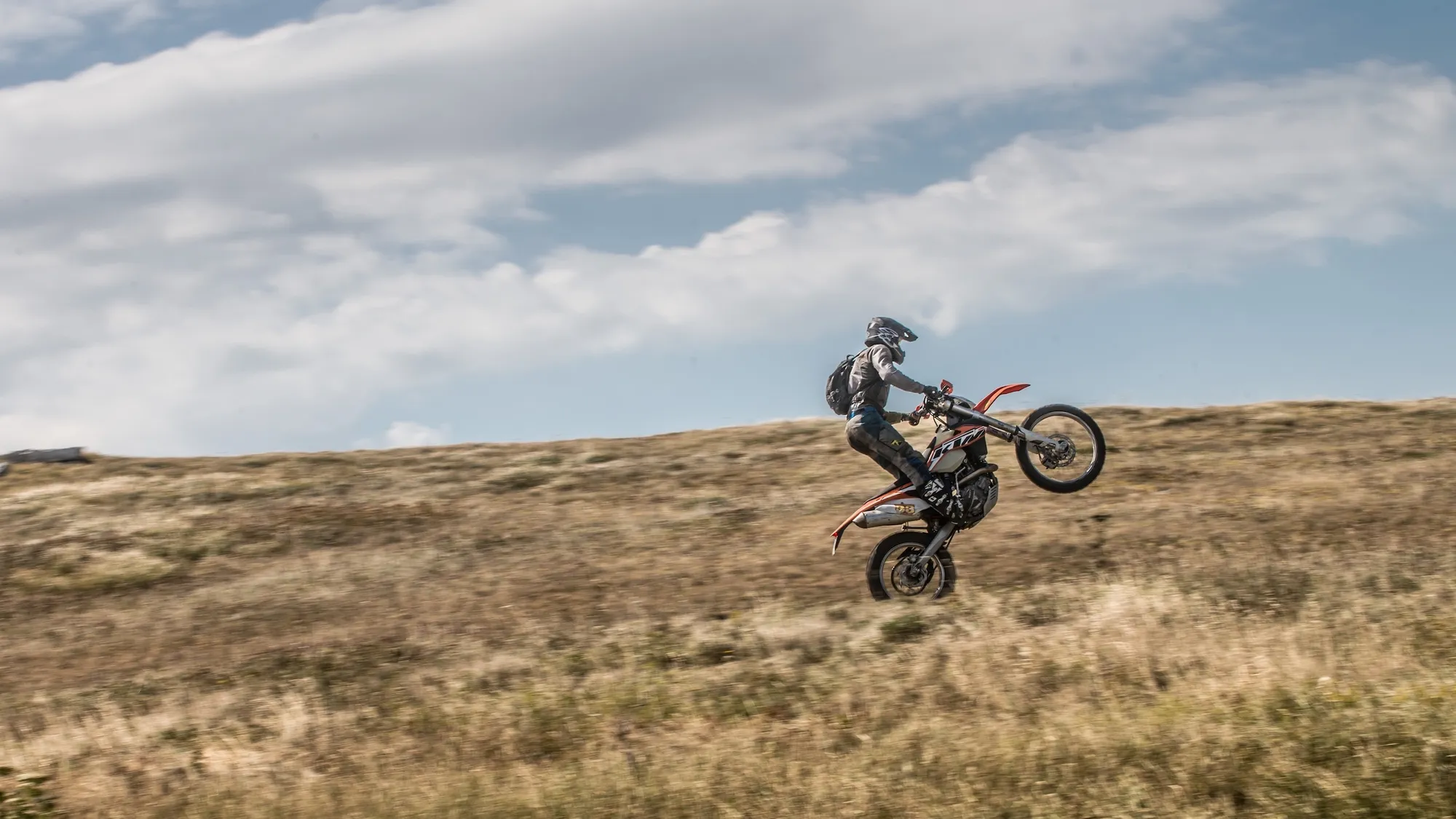
NastyNils riding a KTM enduro motorcycle on a dry, grassy hillside, performing a wheelie with the front wheel lifted high. He wears full off-road gear including a full-face helmet, body armor with hydration pack, and protective pants. The bike shows the orange-and-white KTM livery typical of their enduro lineup. Open landscape with rolling hills and a cloudy blue sky in the background. Daylight, dry conditions, motion blur in the foreground grass indicates speed.
NastyNils / Nastynils.com
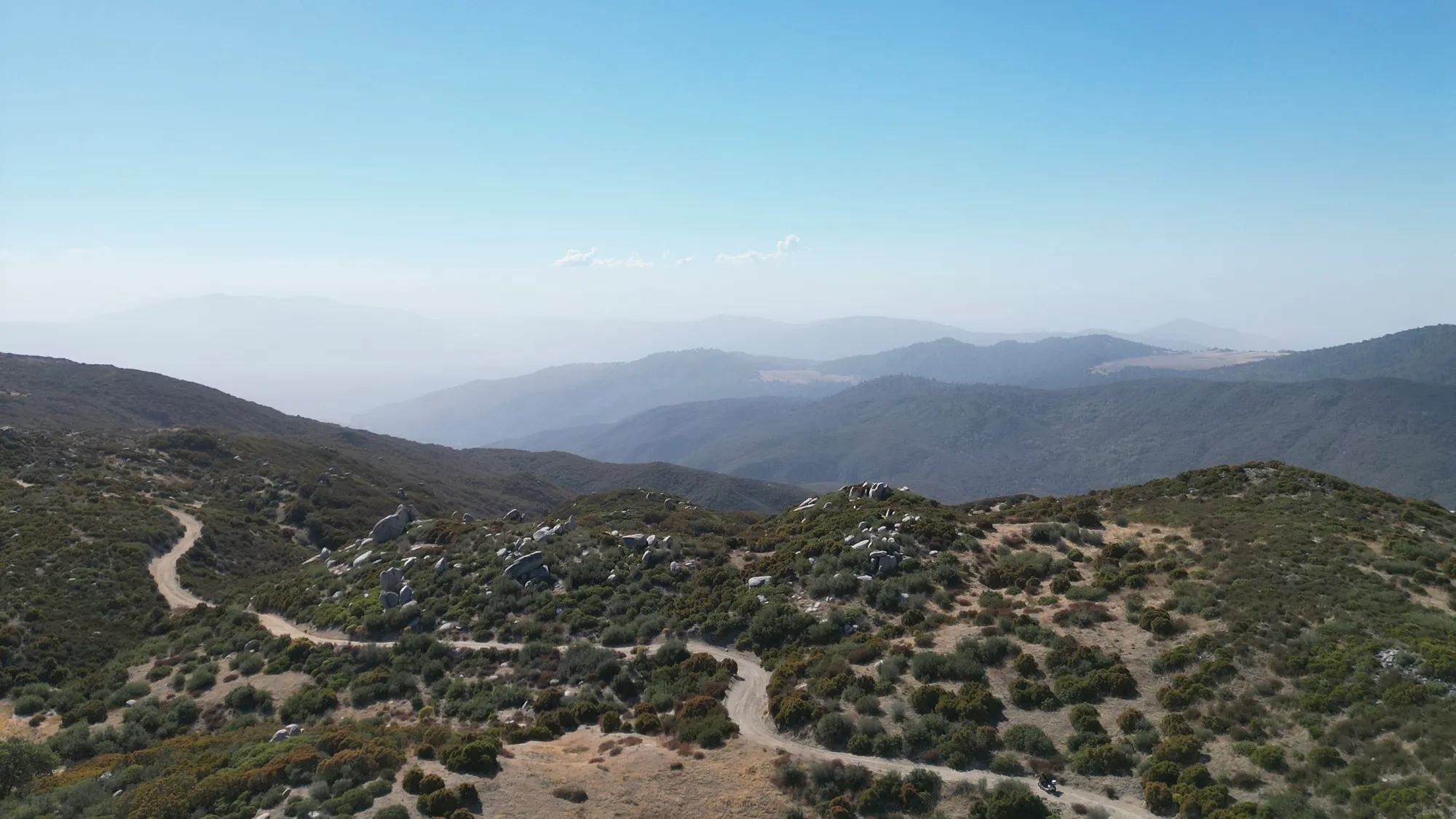
Aerial drone view of Palomar Divide Road winding through chaparral-covered mountain ridges in San Diego County. Multiple S-curve sections descend through sparse vegetation with distant valley views visible in the haze. Gravel and packed-earth surface.

The Truth on the Trail

Known issues

  • Insufficient oil delivery in TPI system

    engineoccasional

    Early TPI models occasionally suffered from oil pump malfunctions or calibration errors, leading to insufficient lubrication. Symptoms include piston seizure or accelerated wear. Many owners added premix to the fuel as a safety measure until the issues were resolved with ECU updates and oil pump priming procedures.

  • Inconsistent low-RPM power delivery and stalling

    fuel systemoccasional

    Some riders experience hesitation or stalling at low RPMs, often due to TPI sensor calibration or a dirty fuel system. Cleaning injectors and updating the ECU map can resolve the issue.

  • Crankcase pressure sensor failure

    engineoccasional

    The crankcase pressure sensor can fail, causing erratic running, poor idling, and stalling. Replacement of the sensor is typically required to restore proper operation.

The Expert Benchmark

Where this KTM 300 EXC TPI pulls ahead of — or falls behind — its rivals on the numbers, and the typical bike in its class on character.

What kind of bike this is — character vs. the class

This bike Class average

Head-to-head: KTM 300 EXC TPI vs. its rivals

The 'Should I Buy It?' Score

Forget spec-sheet bragging. Here's who the 300 EXC TPI is actually built for.

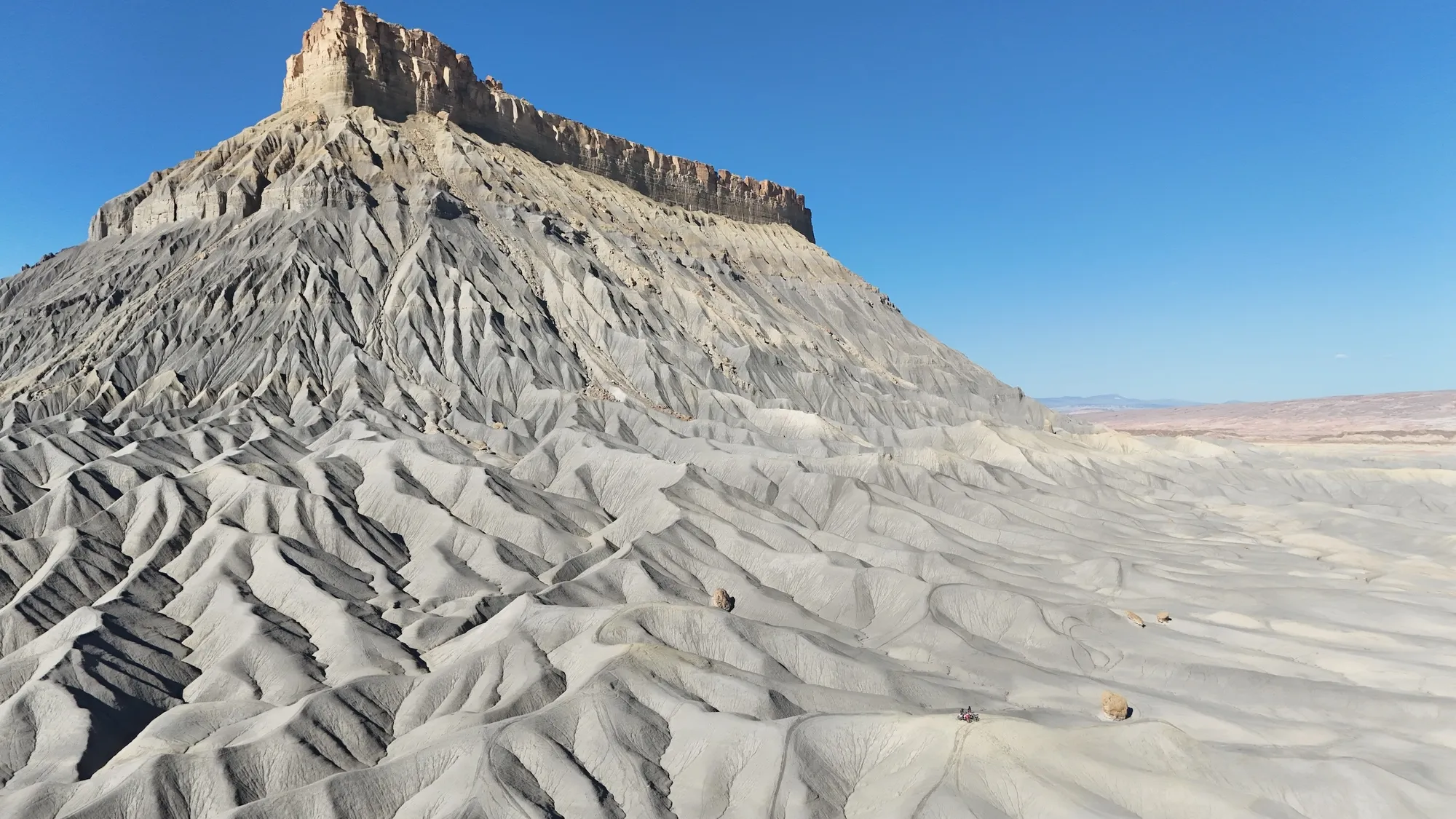
Factory Butte in Utah's high desert badlands, captured in daylight under clear blue sky. The formation's distinctive multi-colored strata and steep erosional gullies dominate the frame. Arid terrain with minimal vegetation stretches across the foreground and background. Typical American Southwest landscape.
NastyNils / Nastynils.com

Best motorcycle for Moab?

This is your tool. On slickrock, sand, and technical lines at your skill ceiling, the traction and low weight are exactly what Moab and Johnson Valley demand. Just know it's a dirt-only weapon.

Made for Bar M / Kane Creek · Imperial Sand Dunes · Johnson Valley OHV Area

Best motocross bike for Loretta Lynns?

It's a blast, but know what it is: an enduro tuned for traction and survival, not a closed-course motocrosser. Fine for technical training, wrong tool for the gate at Loretta Lynns.

Made for Carnegie State Vehicular Recreation Area · Fox Raceway at Pala · Glen Helen Raceway

Best motorcycle for BDR routes?

Be honest with yourself here. A 2.5-gal tank and zero appetite for highway miles make this a single-day technical specialist, not a multi-day BDR mount. Save it for the gnarliest sections, not the transport stages.

Made for AZBDR — Arizona Backcountry Discovery Route · California BDR South · COBDR — Colorado Backcountry Discovery Route