Husqvarna 701 Enduro (MY2026) — Enduro
NastyNils / Husqvarna press archive

2026 · Enduro · Buyer's Guide

701 Enduro (MY2026)

The Street-Legal Enduro Outlaw

The Machine's Character

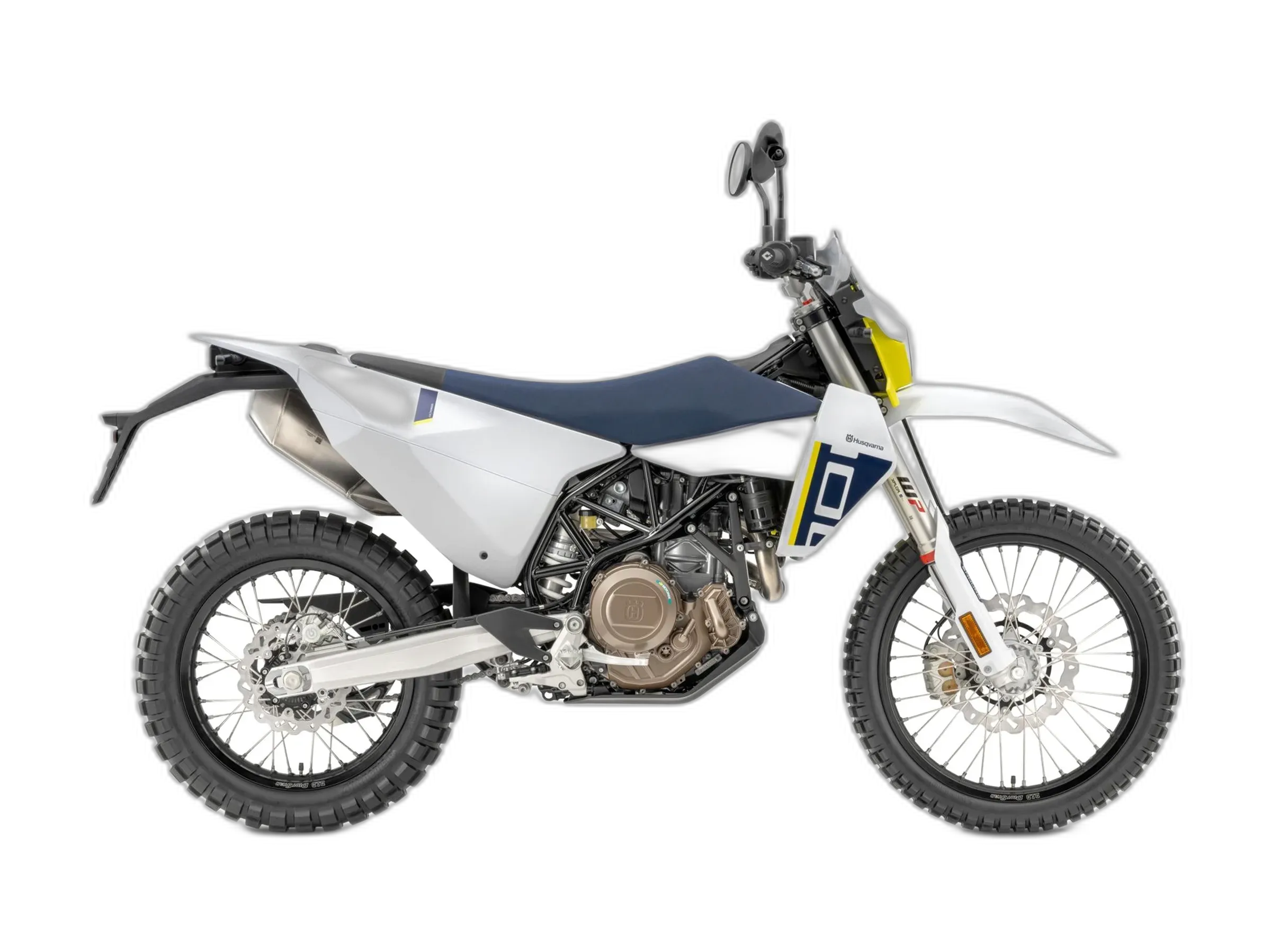
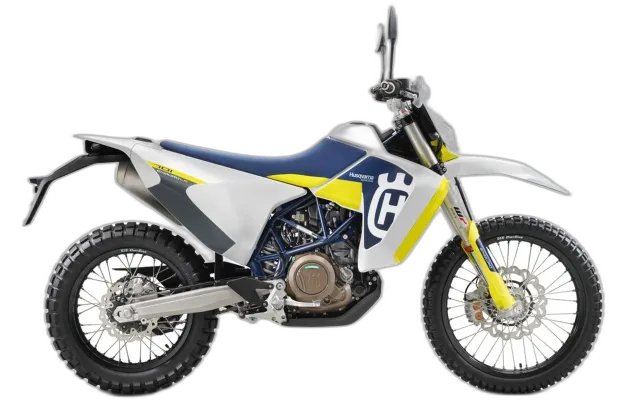
The 701 Enduro carries the most powerful single-cylinder engine in production, 693 cc of it, making 79 hp and 54 lb-ft without ever feeling peaky or high-strung. The trellis frame and fully adjustable WP XPLOR 48 fork sit well past what this class asks for, so rough ground barely registers under you. Bosch ABS, cornering ABS, traction control, and selectable ride modes give the electronics genuine depth, and a TFT dash ties it together. What sets this generation apart is reach: a chassis that clears real hard enduro sections while wearing a legal street plate.

On the road it rewards proper rubber, carrying lean angle at a pace the off-road stance has no business allowing. It's built for the tall, experienced rider who wants one machine to reach a remote trailhead under its own power and then attack what most bikes can't. The honest caveat lives in the details. The 36.9 in seat locks out anyone short of well-above-average height, and the stock Continentals turn treacherous the moment the road gets wet. Plan on tires, and plan around your inseam, before you plan the ride.

Hard Numbers

Spec sheets don't ride bikes, but they set the baseline.

Show full specs & equipment Hide specs & equipment
Key specifications
Power 79 hp (58 kW)
Torque 54 lb-ft (73 Nm)
Displacement 693 cc
Engine Single-cylinder
Cooling Liquid-cooled
Gearbox 6-speed
Fork Upside-down (USD)
Front tire 90/90-21
Rear tire 140/80-18
Ground clearance 10.4 in (265 mm)
Front travel 10.4 in (265 mm)
Rear travel 9.8 in (250 mm)
Seat height 36.9 in (938 mm)
Fuel capacity 3.6 gal (13.5 L)

Equipment check

Chassis

  • Front Suspension Adjustable WP XPLOR 48 Fork Damping tuning to styleTool free setup Standard
  • Rear Suspension Adjustable Standard

Lighting

  • LED Headlight Standard

Safety

  • Ride Modes Standard

Signature Tech

The named systems that set this bike apart — and what each one does for you.

Braking

  • Bosch ABSStandard
    • Cornering brake safety
    • Stronger consistent braking

The Voice of Experience

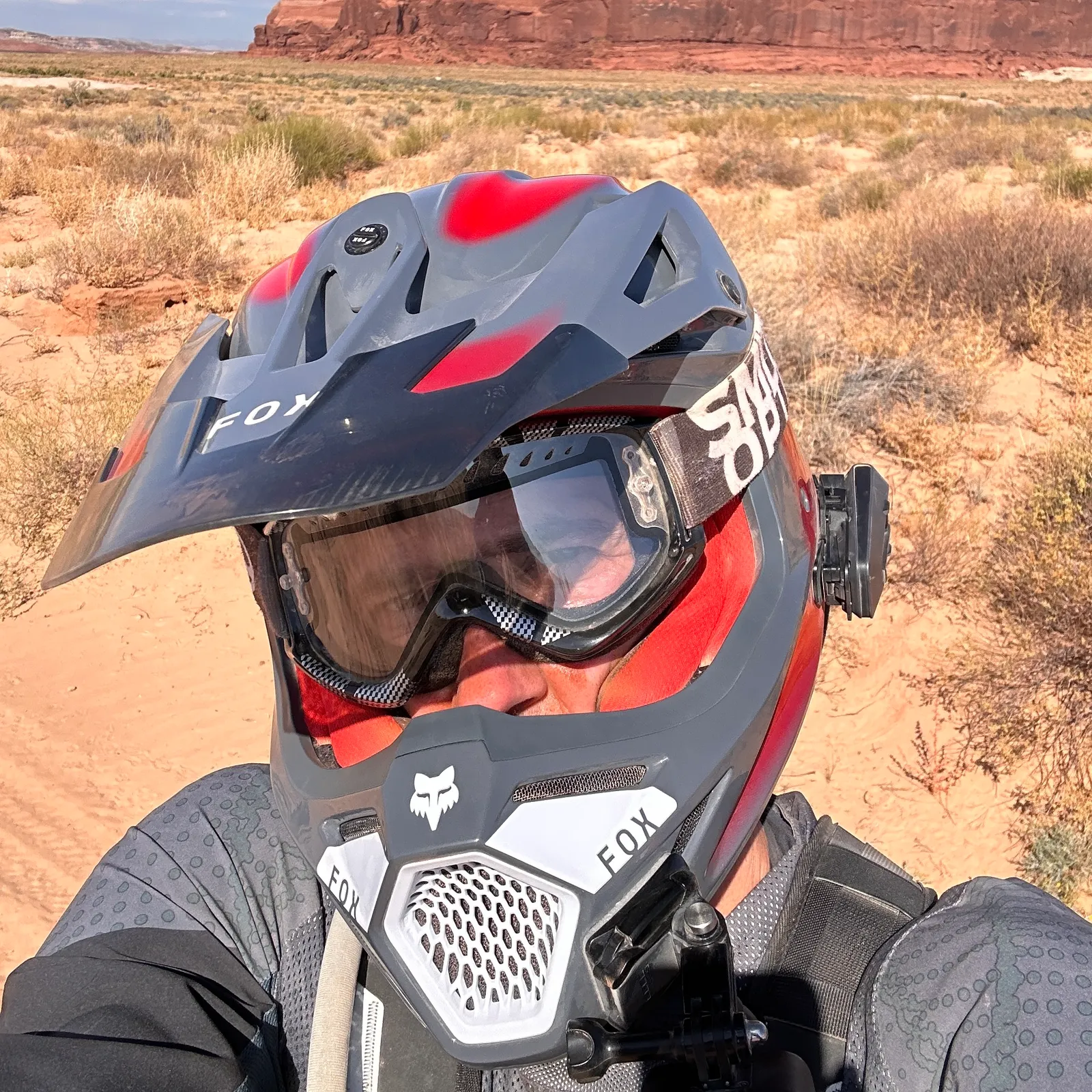
Portrait of NastyNils

The test ride

Point it uphill in the low gears and the front wheel comes up on its own, again and again, whether you asked for it or not. Our test bike spent enough time in the air to grind the rear plate down to bare metal, no crash involved, just an unplanned flight that kept going. Down in the technical stuff your hands feel real finesse, the kind that lets you set the front wheel exactly onto a log instead of clattering over it. The suspension swallows messy lines that should hammer your wrists and knees. Then you reach the freeway and the story flips: the front develops a steady weave at cruising speed that never fully settles, so long pavement stretches become an exercise in managing the bar, not relaxing behind it. And at every stop, if you aren't tall, you're up on your toes.

Rated point by point — where it earns its keep

My own 0–100 score for this bike against the class, area by area — the marker on each bar is the class average.

What defines this bike is a ceiling that lives far higher than my own limits. Grab a low gear and it turns genuinely unhinged, the front end doing things I never signed off on. The fact that stays with me: a 701 has taken an outright win at a major enduro raid, beating a full field of dedicated hard enduros for the overall, not just its class. Carrying that knowledge underneath me breeds a strange calm when the terrain turns nasty. I stop fighting it and let the machine shoulder the work.

Nothing on this machine gave me pause mechanically. My only real gripe is what it rolls on from the factory. The Continentals are perfectly trustworthy on dry pavement and loose gravel, and I rode them hard there without a second thought. Get them wet, though, and they slide into the bottom tier of street rubber I've been on. Treat the originals as a wear item: use them up, then fit tires suited to the ground you actually cover, and there's little left to second-guess.

The part that keeps surprising me is how little of the ground ever reaches me. The frame and suspension sit further ahead of what this class asks than almost anything I've ridden, so approaches that ought to rattle my wrists arrive soft and the bike keeps its line. Bolt on rubber built for pavement and those tall wheels quit reading as a dirt handicap; I've leaned it well over on asphalt at a rate no trail machine has any right to. Two honest faults sit against that. Ask the front to bite at turn-in the way a dedicated race enduro would, and the weight plus the stock tires shove it wide instead. And once I settle into a steady highway pace the front takes on a shimmy that won't quiet down, so those miles turn into steady corrections at the bar rather than time to relax.

For me the single proves itself in the slow, technical going. Its low-end delivery is so measured that I can meter the front wheel up and set it right where I want it on a log step, picking a route through obstacles a heavier or more explosive motor would bash straight past. I was never left wanting for grunt low in the rev range. What it handed me instead was control, delivered cleanly every time I asked for it.

The fair yardstick for this bike is a gap nobody fills: no hard enduro on sale genuinely works day to day. Measured by how near it comes, the 701 gets closer than any rival I know. You get a proven single, a weight that never gets silly, a frame that takes on the terrain true hard enduros are built for, and a legal plate so you ride out to the trailhead yourself instead of trailering in. It doesn't close the gap, and I won't pretend it does, but nothing on the market runs it this close.

Comfort here gets decided the instant you stop and reach for the ground. You need to stand a good deal above average height to plant both feet with confidence. Anyone shorter is left stretching a toe down at every halt, and on a bike this able that's a genuine loss, because plenty of riders who would adore what it does simply can't sit it properly. Once I'm underway it fades from my mind, but that first foot-down is the hurdle you have to clear.

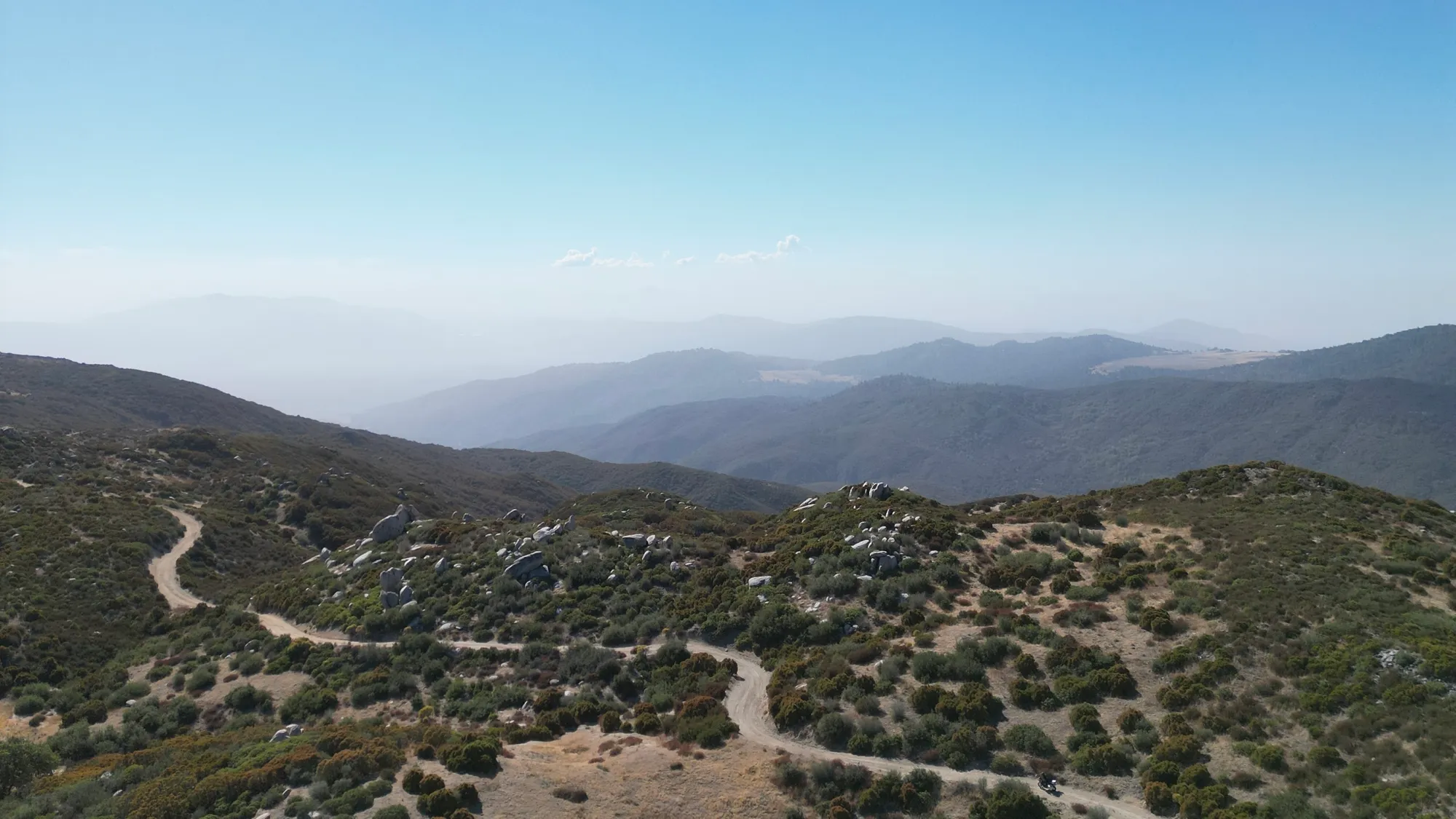
Aerial drone view of Palomar Divide Road winding through chaparral-covered mountain ridges in San Diego County. Multiple S-curve sections descend through sparse vegetation with distant valley views visible in the haze. Gravel and packed-earth surface.

The Truth on the Trail

This part isn't my own ride. It's what I've pieced together over years of listening to 701 owners: threads that run long into the night, talk in the paddock, and the notes riders send straight to my inbox. The pattern for this bike is steady. The engine and the way it steers earn the praise, while the reservations circle back to its mass and its height.

What Owners Keep Praising

The motor leads every conversation. Riders describe a free-revving single with strong pull down low and a top end that keeps climbing on road and dirt alike. Right behind it comes the handling: a neutrally balanced chassis that steers precisely and builds confidence on pavement and loose trail, helped by a low center of gravity. Many also point to the plush, fully adjustable suspension that stays comfortable on the road while soaking up rough ground off it, and to the electronics package that quietly backs up every rider level without getting in the way.

Where The Reservations Gather

Weight tops the list of gripes. In slow, slippery switchbacks, owners feel the mass work against them where lighter machines slip through. The tall seat comes up almost as often, leaving shorter riders stretching for the ground when they paddle through technical sections. A few describe a suspension compromise, harsh over small chatter yet soft on big hits, and some hard-charging riders find the off-road ABS steps in early enough that they switch it off for serious work.

Known issues

No widely-reported issues on record.

    The Expert Benchmark

    Where this Husqvarna 701 Enduro pulls ahead of — or falls behind — its rivals on the numbers, and the typical bike in its class on character.

    What kind of bike this is — character vs. the class

    This bike Class average

    Head-to-head: Husqvarna 701 Enduro vs. its rivals

    The 'Should I Buy It?' Score

    Forget spec-sheet bragging. Here's who the 701 Enduro is actually built for.

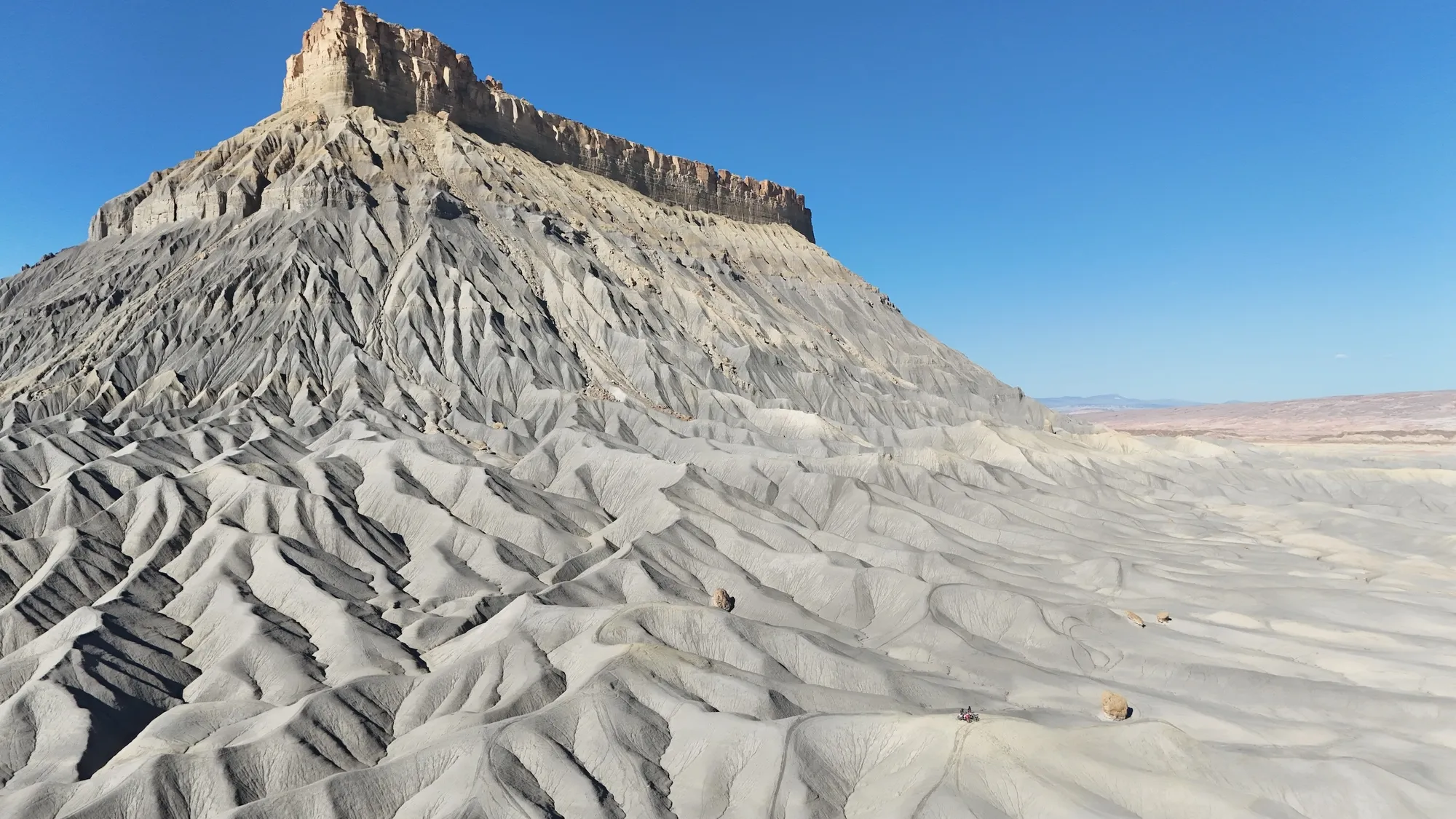
    Factory Butte in Utah's high desert badlands, captured in daylight under clear blue sky. The formation's distinctive multi-colored strata and steep erosional gullies dominate the frame. Arid terrain with minimal vegetation stretches across the foreground and background. Typical American Southwest landscape.
    NastyNils / Nastynils.com

    Best motorcycle for Moab?

    This is your bike. It clears the technical lines at Moab and the sand at Johnson Valley, then rides home on its own plate. Carry road tires for wet pavement and the seat height won't faze you.

    Made for Bar M / Kane Creek · Imperial Sand Dunes · Johnson Valley OHV Area
    Best motocross bike for Loretta Lynns?

    Straight up, this isn't a start-gate weapon. The flywheel and low-end are tuned for trail finesse, not launches, and the weight and 36.9 in seat fight you on a groomed course. Look elsewhere for Loretta Lynns.

    Made for Carnegie State Vehicular Recreation Area · Fox Raceway at Pala · Glen Helen Raceway

    Best motorcycle for BDR routes?

    For BDR miles it's a partial fit. The single and chassis devour the rough backcountry sections, but a 3.6 gal tank and tall, firm seat make long logistics-heavy days a compromise. Best on the technical stretches, less so for droning range.

    Made for AZBDR — Arizona Backcountry Discovery Route · California BDR South · COBDR — Colorado Backcountry Discovery Route